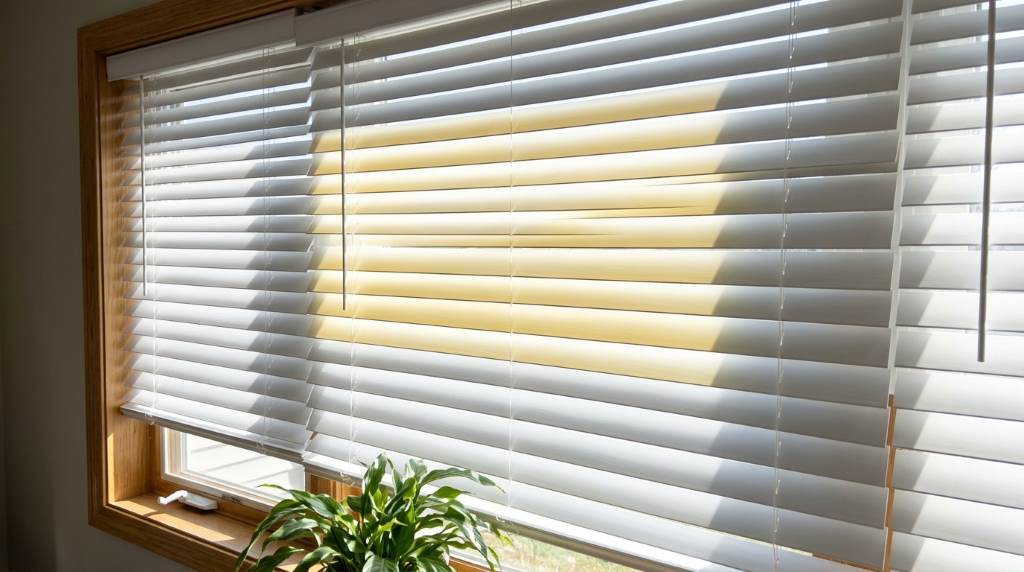
Window treatments play a major role in keeping homes bright, comfortable, and attractive. However, many homeowners notice discoloration sooner than expected. Studies show that strong ultraviolet exposure can speed up material aging by over 30%, while high humidity increases surface degradation risks. As a result, window slats in coastal regions often lose their original appearance faster. Homeowners who already follow white venetian blind cleaning tips may still wonder why yellowing continues despite regular care. Understanding the causes helps prevent damage and extends the life of indoor window coverings.
Miami’s Climate Creates the Perfect Conditions for Yellowing
Miami experiences intense sunshine throughout most of the year. Consequently, window slats receive prolonged exposure to ultraviolet radiation. This radiation gradually breaks down surface coatings and pigments. As materials age, they develop a yellow or dull appearance. The process occurs even faster on white and light-colored slats.
Humidity also contributes to the problem. Moist air settles on surfaces every day. As a result, microscopic contaminants stick more easily to window coverings. These trapped particles react with heat and sunlight. Over time, the combination causes noticeable discoloration.
Salt carried by coastal winds adds another challenge. Tiny salt particles travel through open windows and ventilation systems. Therefore, surfaces accumulate residue even indoors. Salt attracts moisture and encourages chemical changes. These reactions often accelerate yellowing on plastic and vinyl slats.
How UV Radiation Changes Window Slat Materials
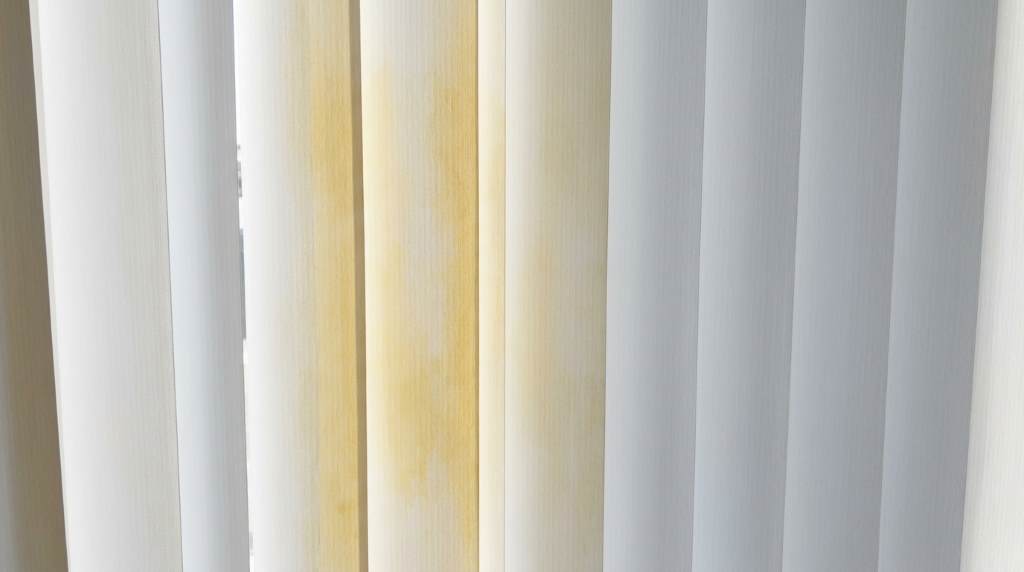
Ultraviolet rays affect nearly every window treatment material. Plastic slats often show the fastest changes. When sunlight breaks molecular bonds, the material begins oxidizing. Consequently, the original bright finish starts turning yellow.
Wooden blinds resist yellowing differently. Instead of changing color rapidly, wood finishes may darken over time. However, protective coatings eventually weaken under constant sunlight. Homeowners interested in maximizing daylight often explore enduring appeal of bay and bow windows, yet larger glass areas can increase UV exposure indoors.
Composite materials also face long-term risks. Manufacturers add stabilizers to reduce UV damage. Nevertheless, these additives lose effectiveness after years of exposure. Once protection weakens, discoloration becomes more visible. Regular inspection helps identify early signs.
Why White Slats Show Damage First
White surfaces reveal discoloration more clearly than darker colors. Even slight oxidation creates a visible yellow tint. Furthermore, sunlight reflects differently from aging materials. Small color changes therefore become easy to spot.
Many homeowners mistakenly blame dust alone. While dirt contributes to staining, chemical changes remain the primary issue. Therefore, cleaning cannot completely stop yellowing. Prevention methods work better when combined with routine maintenance.
The Hidden Impact of Indoor Heat
Many people focus only on outdoor weather conditions. However, indoor temperatures also influence material aging. Sunlight passing through glass increases surface temperatures significantly. As a result, window slats experience daily heating cycles.
Heat accelerates oxidation reactions inside synthetic materials. Consequently, yellowing develops more quickly in sun-facing rooms. South and west-facing windows often show the most noticeable discoloration. Rooms with large glass surfaces face greater risks.
Air conditioning helps reduce indoor temperatures. Yet temperature differences create condensation during humid months. Moisture then interacts with dust and airborne pollutants. Over time, this mixture affects the appearance of slats.
Airborne Pollutants Make Yellowing Worse
Outdoor pollution enters homes through doors, windows, and ventilation systems. Vehicle emissions contain particles that settle on surfaces. Consequently, window coverings accumulate invisible contaminants. Sunlight later triggers chemical reactions within these deposits.
Cooking fumes create another overlooked issue. Oils released during cooking spread throughout indoor spaces. Therefore, nearby window treatments collect greasy residue over time. Dust attaches easily to these films. The resulting buildup often develops a yellow appearance.
Smoking remains one of the strongest causes of indoor discoloration. Tobacco smoke releases tar and chemicals into the air. These substances cling to slats and create stubborn stains. As a result, yellowing appears much faster than normal aging.
A Rarely Discussed Cause: Sunscreen and Coastal Living
One uncommon factor receives little attention in most home maintenance articles. Miami residents frequently use sunscreen due to year-round sunshine. Aerosol sprays and lotions release microscopic particles into indoor air. These particles eventually settle on nearby surfaces.
When sunscreen residue combines with UV exposure, it may contribute to discoloration. Therefore, window slats near balconies and entryways often experience heavier buildup. Coastal lifestyles create conditions that many homeowners never consider. This factor partly explains uneven yellowing patterns within the same house.
Beach equipment stored indoors can add similar residue. Saltwater gear introduces moisture and minerals into living spaces. Consequently, nearby surfaces face additional stress. Regular cleaning becomes especially important in these areas.
The Role of Moisture and Condensation
Humidity levels remain high throughout much of the year. Moisture naturally collects on cooler surfaces. Therefore, condensation often forms around windows. Repeated wetting and drying cycles affect material stability.
Water droplets attract dust and environmental pollutants. As a result, contaminants remain attached longer. Sunlight then bakes these deposits onto surfaces. The process gradually creates stubborn yellow patches.
Bathrooms and kitchens experience greater moisture exposure. Consequently, blinds in these rooms often age faster. Ventilation systems help reduce humidity buildup. Better airflow can slow discoloration significantly.
Material Types and Their Yellowing Risk
Vinyl Slats
Vinyl remains a popular option because of affordability and moisture resistance. However, prolonged UV exposure often causes noticeable yellowing. Heat accelerates the process even further. Therefore, vinyl blinds require consistent protection.
Faux Wood Slats
Faux wood products generally resist moisture better than natural wood. Nevertheless, surface coatings can degrade under strong sunlight. As protection weakens, discoloration becomes more apparent. Quality products usually last longer.
Natural Wood Slats
Wood rarely turns bright yellow like plastic. Instead, finishes darken or fade gradually. Sun exposure alters stain colors over time. Therefore, protective coatings remain essential for preserving appearance.
Cleaning Habits That Prevent Discoloration
Routine maintenance reduces contaminant buildup before stains develop. Dust slats weekly using a microfiber cloth. Additionally, clean surfaces gently to avoid scratching protective finishes. Consistent care improves long-term appearance.
Many homeowners search for decorative window ideas such as stained glass windows for homes. However, decorative features still require maintenance to prevent surface deterioration. Clean surrounding areas regularly to reduce dust accumulation. A cleaner environment supports longer-lasting window treatments.
Avoid harsh chemical cleaners whenever possible. Strong products may damage protective coatings. Consequently, surfaces become more vulnerable to UV exposure. Mild cleaning solutions provide safer results.
Recommended Maintenance Checklist
- Dust slats once every week.
- Wipe surfaces with a damp microfiber cloth monthly.
- Inspect sun-facing windows every season.
- Use exhaust fans during cooking.
- Control indoor humidity levels.
- Replace damaged slats promptly.
Ways to Slow Down Yellowing
Homeowners can take several preventive measures. First, install UV-filtering window films. These films reduce harmful radiation without blocking natural light. Consequently, materials age more slowly.
Second, rotate slats regularly when possible. Different angles reduce constant exposure to direct sunlight. Therefore, discoloration develops more evenly. Small adjustments can make a noticeable difference.
Third, consider modern glass solutions. Some homeowners explore techniques like can you clean windows without water to maintain cleaner glass surfaces. Cleaner windows reduce residue transfer and help preserve nearby treatments. Better maintenance creates a healthier indoor environment overall.
Signs It Is Time to Replace Window Slats
Not every yellowed blind requires replacement immediately. However, severe discoloration often signals material degradation. Cracks and brittleness usually follow prolonged UV damage. Therefore, homeowners should inspect aging slats carefully.
Uneven color changes may indicate deeper problems. Surface coatings sometimes fail before structural damage appears. As a result, protection decreases rapidly afterward. Early replacement often prevents future maintenance issues.
Energy efficiency can also improve with newer products. Modern materials resist sunlight better than older versions. Consequently, replacement may provide long-term value. Improved durability reduces future yellowing concerns.
Conclusion
Window slats turn yellow faster in Miami because intense sunlight, humidity, salt air, heat, and pollutants work together. These factors create conditions that accelerate oxidation and surface degradation. Fortunately, regular cleaning, UV protection, and humidity control can slow the process. Homeowners who understand these causes can protect their investment more effectively. Start inspecting your window coverings today and adopt preventive habits before discoloration becomes permanent.
FAQs
Why do white window slats yellow faster than darker ones?
White surfaces reveal oxidation and discoloration much more visibly than darker colors.
Can cleaning completely stop window slats from turning yellow?
No, cleaning helps reduce buildup but cannot fully prevent UV-related material aging.
Does Miami humidity affect indoor blinds?
Yes, high humidity attracts contaminants and accelerates surface deterioration.
Are vinyl blinds more likely to yellow?
Yes, vinyl materials often show UV damage and oxidation faster than many alternatives.
What is the best way to slow yellowing?
Use UV-filtering films, clean regularly, and maintain lower indoor humidity levels.