A great pair of garden shears can transform how you work outdoors. They make pruning faster, cleaner, and far less exhausting. However, with so many options available, choosing the right pair can feel like a challenge.
In 2026, the market for garden shears is more competitive than ever. Brands are pushing harder to deliver tools that last longer, cut more precisely, and feel better in the hand. Whether you tend a small patio garden or a large property with mature trees and dense shrubs, there is a pair of shears designed for your exact needs.
This guide will help you understand what makes garden shears worth buying, what to avoid, and how to find durable, reliable options that serve you well for years to come.
Why Quality Garden Shears Make Such a Difference
Many gardeners underestimate the impact of their cutting tools. A blunt or poorly balanced pair of shears does more than slow you down. It crushes stems rather than cutting them cleanly, which creates entry points for disease and pests. Over time, bad cuts weaken plants and slow their growth.
A sharp, well-made pair of shears does the opposite. It cuts cleanly through stems and branches, promotes healthy regrowth, and reduces the physical effort required. Additionally, a comfortable grip reduces hand fatigue during long sessions, which means you can work longer without strain or discomfort.
Investing in quality shears is therefore one of the smartest decisions a gardener can make. The difference between a cheap pair and a well-engineered one becomes clear within the first few uses.
Understanding the Different Types of Garden Shears
Not all garden shears are designed for the same task. Knowing the differences helps you choose the right tool for your specific situation.
Bypass Shears
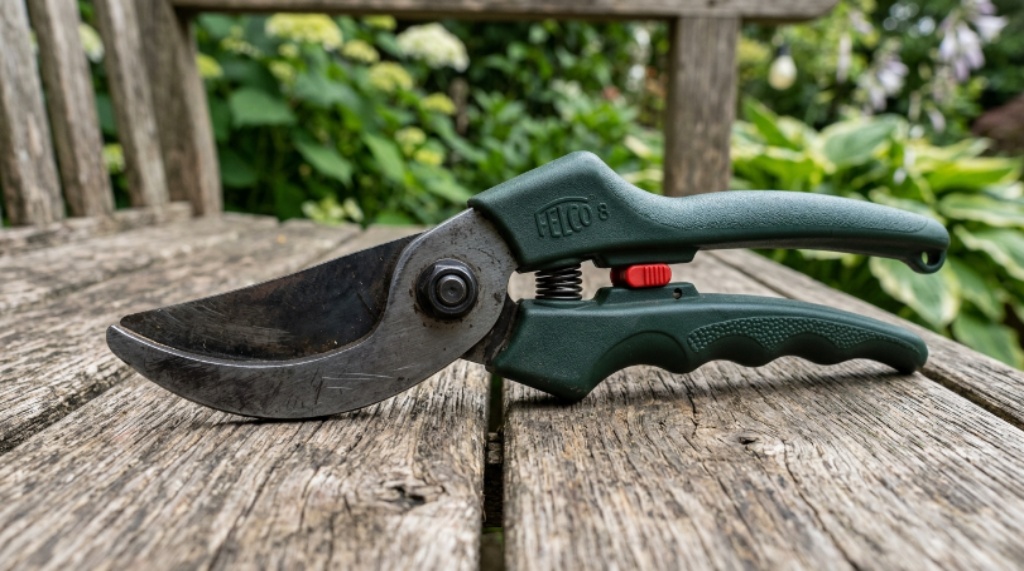
Bypass shears work like scissors. Two curved blades pass each other as they close, creating a clean, precise cut. They are the best choice for live wood and green stems. The cutting action is smooth and does not crush the plant tissue, which promotes faster healing. Most top rated pruning shears on the market today use a bypass design because of its versatility and clean performance.
Anvil Shears
Anvil shears use a single sharp blade that closes down onto a flat metal plate. They generate more cutting power, which makes them useful for tough, dry, or dead wood. However, they tend to crush soft stems rather than cut them cleanly. For this reason, they are better suited to clearing away dead growth than maintaining healthy plants.
Ratchet Shears
Ratchet shears are a variation of the anvil design. They cut in stages rather than in a single action, which reduces the force needed with each squeeze. These are an excellent choice for gardeners with reduced grip strength, arthritis, or hand injuries. Additionally, they handle thicker branches more easily than standard bypass or anvil designs.
Long-Handled Shears
Long-handled shears, sometimes called loppers, extend your reach to branches and stems that would otherwise be inaccessible. They are ideal for tall hedges, overhead branches, and large shrubs. The extended handles also give you more leverage, making it easier to cut through thick wood without excessive effort.
What to Look for in a Durable Pair of Garden Shears
Durability is the most important quality in any garden tool. A pair of shears that loses its edge after one season or whose handles crack in cold weather is not worth your time or money. Here is what to look for when evaluating how long a pair of shears will last.
Blade Material and Quality
The blade is the heart of any pair of shears. High-carbon steel holds a sharper edge longer than stainless steel and is easier to resharpen when the time comes. Some premium options use hardened steel or titanium-coated blades, which resist corrosion and maintain their edge through heavy use.
Look for blades that are precisely ground rather than stamped. Ground blades have a smoother cutting edge and perform better over time. Additionally, check whether replacement blades are available. A brand that sells spare blades is showing confidence in the longevity of its product.
Handle Construction and Comfort
Handles need to be strong and comfortable. Aluminium and fibreglass handles are lightweight and resistant to cracking or splintering. Wooden handles are traditional and comfortable but require occasional maintenance to prevent drying out and splitting.
Ergonomic handle designs reduce the strain on your wrist and palm during extended use. Soft-grip coatings provide cushioning and help maintain a secure grip even when your hands are wet or dirty. If possible, hold the shears before buying to ensure the grip feels natural in your hand.
Spring Mechanism and Locking Clasp
A reliable spring mechanism keeps the blades open between cuts, which reduces hand fatigue significantly. Look for a spring that is firm enough to open the blades fully but not so strong that it makes squeezing the handles harder than necessary.
The locking clasp keeps the blades closed when the shears are not in use. It should be easy to operate with one hand and hold securely under pressure. A poorly designed clasp is not just inconvenient. It is also a safety hazard.
How the Latest Gardening Tools Are Raising the Bar
The garden tool industry has seen meaningful innovation in recent years. The latest gardening tools are incorporating new materials, smarter ergonomics, and more precise engineering that make everyday tasks noticeably easier.
Corrosion-Resistant Coatings
Rust is one of the most common causes of premature tool failure. Modern shears now feature advanced anti-rust coatings, including fluorine-treated and Teflon-coated blades that repel moisture and plant sap more effectively than previous finishes. These coatings also reduce friction during cutting, which makes each squeeze smoother and more effortless.
Adjustable Tension Systems
Several newer models include a screw or dial mechanism that allows you to adjust the tension between the blades. This is a practical feature because blade tension affects both cutting performance and the effort required for each cut. A tighter tension suits thick branches, while looser tension is better for light, precise trimming work.
Ambidextrous and Ergonomic Designs
Left-handed gardeners have historically been underserved by the tool market. However, the latest gardening tools increasingly include designs built for both hands. True ambidextrous shears perform equally well regardless of which hand you use, which is a significant quality-of-life improvement for a large number of gardeners.
Matching Garden Shears to Your Garden
The best shears for your garden depend on what you are actually cutting. Using the wrong tool for the job leads to frustration, poor results, and premature wear on the blades.
For rose beds and perennial borders, a lightweight bypass shear with a narrow blade tip is ideal. The pointed tip allows you to reach into dense growth and make precise cuts without disturbing surrounding stems. For fruit trees and ornamental shrubs, look for a bypass shear rated for branches up to 25 millimetres in diameter. For heavy hedge maintenance or cutting back overgrown shrubs, anvil loppers with long handles will save your arms considerably.
Think about how much time you spend in the garden each week. A hobbyist who gardens an hour or two on weekends has different needs than someone who manages a large property daily. Heavier use demands heavier-duty materials and a more robust construction throughout.
Tips for Maintaining Your Garden Shears
Even the best shears need regular care to stay in peak condition. Maintenance is simple and takes only a few minutes after each use.
- Wipe the blades clean after every session to remove sap, soil, and moisture.
- Apply a thin layer of oil to the blades and the pivot point after cleaning to prevent rust and keep the action smooth.
- Sharpen the blade regularly using a whetstone or a purpose-made sharpening tool. A sharp blade makes cleaner cuts and requires less force.
- Store shears in a dry place with the locking clasp engaged. Avoid leaving them outdoors or in damp sheds where rust can develop quickly.
- Inspect the spring and screw mechanism every few months and tighten or replace as needed.
Where to Buy Reliable Garden Shears in 2026
Garden centres remain one of the best places to buy shears because you can hold them before purchasing. Feeling the weight, grip, and action of a pair of shears in your hand tells you more than any product description can.
Online retailers offer a wider range and often better prices, especially for specialist or import brands. Read verified customer reviews carefully and focus on feedback about long-term durability rather than first impressions. Additionally, look for sellers who offer a warranty of at least one year, as this signals confidence in the product.
Specialist horticultural suppliers and professional tool brands are worth considering if you garden frequently or professionally. The price point is higher, but the quality gap between professional-grade and budget tools is substantial.
Conclusion
Finding durable and reliable garden shears in 2026 comes down to understanding your needs and knowing what to look for. Start with the blade material, as high-carbon or hardened steel holds its edge far longer than cheaper alternatives. Consider the handle construction and grip comfort, especially if you spend long hours in the garden. Match the shear type to the task, using bypass shears for live growth and anvil or ratchet designs for tough, dry wood.
The top rated pruning shears available today represent a genuine step forward in quality and usability. With regular maintenance and proper storage, a good pair of shears will serve you reliably for many seasons. Take your time, do your research, and invest in a tool that genuinely fits the way you garden.
Frequently Asked Questions
What is the best type of garden shear for everyday use?
Bypass shears are the most versatile choice for everyday gardening. They cut cleanly through live wood and green stems without crushing plant tissue, making them suitable for a wide range of tasks from deadheading flowers to pruning shrubs.
How often should I sharpen my garden shears?
For regular use, sharpen your shears at the start of each season and again mid-season if you notice the blade dragging rather than cutting cleanly. Gardeners who use their shears daily may need to sharpen more frequently. A sharp blade requires less force and causes less damage to plants.
Are expensive garden shears always better than budget options?
Not always, but there is a meaningful quality difference at the higher end of the market. Premium shears use better steel, more precise grinding, and more durable components throughout. For occasional use, a mid-range pair is often sufficient. For heavy or professional use, the investment in quality is worthwhile.
How do I prevent my garden shears from rusting?
Clean and dry the blades thoroughly after every use. Apply a light coating of oil to the blades and pivot joint after cleaning. Store them in a dry location with the clasp locked. Corrosion-resistant coatings on modern blades also help, but regular oiling remains the most reliable protection.
What size garden shears should I buy?
Match the size to the diameter of what you cut most often. Most bypass shears handle stems and branches up to 20 to 25 millimetres. For thicker branches, choose loppers with longer handles and greater leverage. A narrow-tipped pair works best for precision work in dense planting.