
A noisy refrigerator can quickly become a daily annoyance in any home. According to energy industry estimates, refrigerators account for around 13% of a typical household’s electricity use, making them one of the hardest-working appliances in the kitchen. Additionally, many units run almost constantly during warmer months in Southern California. When unusual sounds appear, homeowners should investigate them early to avoid larger repairs. Understanding refrigerator compressor hard start issues and other common causes can help prevent expensive breakdowns and keep food storage reliable.
Los Angeles kitchens face unique conditions that can influence refrigerator performance. Warm temperatures, seasonal heat waves, and frequent appliance use can place extra stress on cooling systems. Consequently, unusual sounds often signal mechanical wear or airflow problems. Learning how to identify specific noises can save both time and money. This guide explains practical ways to diagnose loud refrigerator noises in Los Angeles, CA kitchens.
Why Refrigerator Noises Should Never Be Ignored
Every refrigerator produces some level of sound during normal operation. However, loud buzzing, rattling, knocking, or clicking noises usually indicate a developing issue. Early diagnosis often prevents minor problems from becoming major repairs. Therefore, paying attention to new sounds is an important part of appliance maintenance.
Many homeowners assume that all refrigerator noises are harmless. Unfortunately, that assumption can lead to compressor damage or cooling failures. A refrigerator works through several moving and electrical components that must operate together. When one part struggles, the resulting noise often serves as an early warning sign.
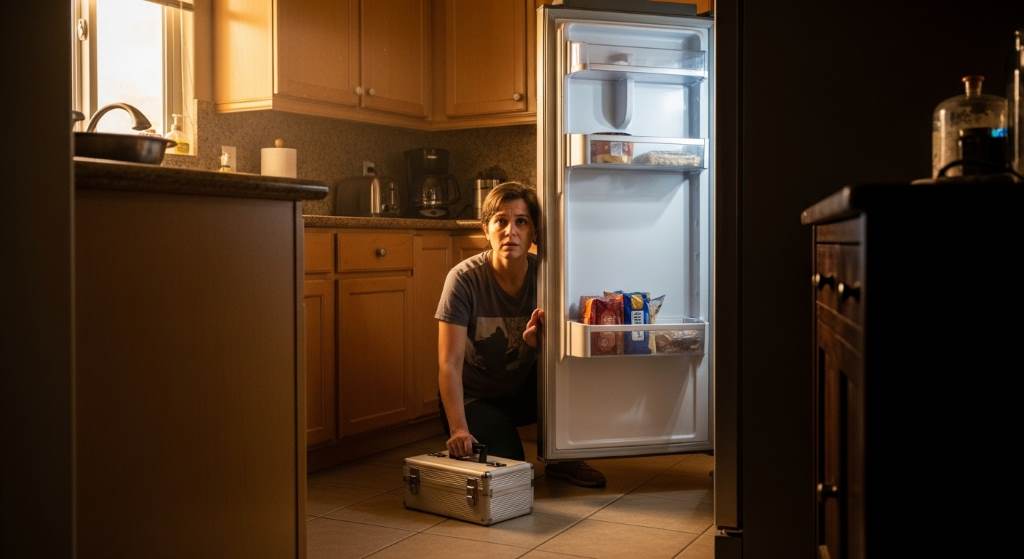
Understanding Common Refrigerator Sounds
Buzzing or Humming Sounds
A gentle hum is usually normal because the compressor runs regularly. However, a loud buzzing sound may indicate compressor strain or dirty condenser coils. In Los Angeles, dust accumulation often becomes a contributing factor. As a result, the compressor works harder and generates more noticeable noise.
Sometimes homeowners repeatedly cycle power when troubleshooting. In fact, excessive switching can affect appliance performance over time. Understanding the effects of switching your fridge on and off can help prevent unnecessary wear while diagnosing unusual sounds.
Rattling Noises
Rattling sounds often originate from loose components. Refrigerators placed on uneven flooring may vibrate against cabinets or walls. Furthermore, loose drain pans can create noticeable rattles during compressor operation. Checking these areas first provides a simple starting point.
Water supply lines behind refrigerators can also create vibration noises. As the compressor cycles, nearby tubing may shake against walls or cabinetry. Consequently, homeowners may mistake this sound for a serious mechanical failure. Securing loose lines often solves the problem quickly.
Clicking Sounds
Occasional clicking is normal when a thermostat activates cooling cycles. Repeated clicking, however, may indicate a failing start relay. This component helps power the compressor during startup. When it struggles, the refrigerator may produce frequent clicking without cooling effectively.
Electrical issues deserve prompt attention because they can affect system reliability. If clicking occurs alongside temperature fluctuations, professional inspection may be necessary. Early action often prevents more expensive repairs. Therefore, do not ignore persistent startup noises.
Knocking or Banging Sounds
Knocking noises usually suggest movement within the cooling system. Refrigerant flow can occasionally create mild sounds as pressures change. However, loud banging often points to loose internal components. Identifying the timing of the noise helps narrow the cause.
If the sound occurs during compressor startup or shutdown, mounting hardware may require adjustment. Over time, vibration can loosen brackets and supports. Consequently, the compressor may shift slightly during operation. Tightening components can often reduce these sounds.
Diagnosing Refrigerator Noise Step by Step
Step 1: Identify the Noise Type
Begin by listening carefully to the sound. Determine whether it resembles buzzing, clicking, rattling, grinding, or knocking. Recording the sound on a smartphone can help with future diagnosis. Additionally, it provides useful information if professional service becomes necessary.
Pay attention to frequency and duration. Some noises occur only during cooling cycles. Others continue constantly throughout operation. Understanding these patterns helps isolate the responsible component.
Step 2: Check Refrigerator Leveling
An uneven refrigerator often creates unnecessary vibration. Place a level on top of the appliance to verify proper positioning. Adjust leveling legs if needed. Even small corrections can significantly reduce noise.
Los Angeles homes include many older properties with settling foundations. Consequently, kitchen floors may not remain perfectly level. Checking appliance alignment should always be one of the first diagnostic steps. It is simple, fast, and often effective.
Step 3: Inspect Condenser Coils
Dirty condenser coils force the refrigerator to work harder. Dust, pet hair, and debris reduce cooling efficiency. As compressor workload increases, operating noises often become louder. Cleaning coils can improve both performance and sound levels.
Use a vacuum attachment or coil brush to remove buildup. Most manufacturers recommend periodic cleaning. In dusty Los Angeles environments, more frequent maintenance may be beneficial. Regular care extends appliance lifespan.
Step 4: Examine the Evaporator Fan
The evaporator fan circulates cold air throughout the refrigerator. If ice buildup or debris contacts the fan blades, unusual noises may develop. Grinding or squealing sounds often point toward this area. Accessing the fan requires following manufacturer guidelines.
Open the freezer compartment and listen for changes when the door switch activates. If the sound increases near the freezer, the fan may require attention. Professional assistance may be necessary for deeper repairs. Nevertheless, identifying the source remains valuable.
Step 5: Inspect the Condenser Fan
The condenser fan cools the compressor and condenser coils. Dust accumulation can interfere with smooth operation. Consequently, the fan may generate buzzing or rattling sounds. Cleaning the area often improves performance.
Check for damaged fan blades as well. Even minor cracks can create imbalance and vibration. Replacing a worn fan typically costs less than addressing secondary damage. Therefore, prompt inspection is worthwhile.
How Los Angeles Climate Affects Refrigerator Noise
Southern California’s warm climate places refrigerators under greater demand. During summer heat waves, compressors operate longer to maintain safe temperatures. Increased runtime naturally produces more noticeable sounds. However, excessive noise still deserves investigation.
Many Los Angeles homes also feature open-concept kitchens. As a result, appliance sounds travel more freely throughout living spaces. A noise that seems severe may partly reflect room acoustics. Nevertheless, distinguishing normal operation from developing problems remains important.
Coastal areas introduce another factor through humidity and salt exposure. Over time, certain metal components may experience corrosion. This gradual wear can contribute to vibration and fan-related noises. Regular inspections help minimize these effects.
An Overlooked Cause: Kitchen Storage Habits
One rarely discussed source of refrigerator noise involves improper food organization. Overloaded shelves can restrict airflow and force longer cooling cycles. Consequently, compressors and fans work harder than necessary. This increased effort may produce louder operational sounds.
Large containers positioned against interior vents can also create airflow turbulence. As air circulates, unusual whistling or vibrating sounds may occur. Many homeowners mistakenly suspect mechanical failure. In reality, reorganizing contents may solve the issue.
Interestingly, certain dense foods stored in large batches can temporarily affect internal airflow patterns. For example, cooling multiple prepared desserts at once may alter circulation efficiency. While researching kitchen organization, some homeowners discover topics like a strawberry banana pudding recipe and unknowingly overload refrigerator space after large meal preparations.
Another Uncommon Factor: Nearby Equipment Vibrations
Modern kitchens often contain multiple appliances operating simultaneously. Dishwashers, wine coolers, and even aquarium equipment can create vibrations. Sometimes these vibrations transfer through cabinetry and mimic refrigerator problems. Therefore, evaluating surrounding appliances is important.
Homeowners with specialty equipment should consider this possibility carefully. For example, devices discussed in a hang on back protein system setup may generate subtle vibrations when located near kitchen cabinetry. These external influences occasionally create misleading noise patterns.
Signs You Need Professional Refrigerator Repair
Some problems require expert diagnosis and repair. If noise accompanies poor cooling performance, immediate service is recommended. Electrical odors, burning smells, or repeated compressor failures also warrant professional attention. Delaying repairs may increase costs significantly.
Watch for these warning signs:
- Persistent loud buzzing
- Repeated clicking without cooling
- Grinding fan noises
- Water leaks near the appliance
- Sudden temperature fluctuations
- Compressor overheating
Professional technicians use specialized tools to evaluate electrical components and refrigerant systems. They can identify hidden issues that homeowners may overlook. Consequently, accurate diagnosis becomes faster and more reliable. Investing in expert service often prevents larger appliance failures.
Preventing Future Refrigerator Noises
Preventive maintenance remains the most effective strategy. Cleaning condenser coils several times each year helps maintain efficiency. Additionally, checking appliance leveling prevents vibration-related sounds. Small maintenance tasks often deliver significant long-term benefits.
Keep adequate clearance around the refrigerator for ventilation. Manufacturers typically recommend several inches of open space. Proper airflow reduces compressor strain and operating noise. As a result, the appliance performs more efficiently.
Routine inspections help identify wear before major damage occurs. Listen for changes in operating sounds during normal use. Address minor concerns promptly whenever possible. Consistent attention extends appliance life and reduces repair expenses.
Conclusion
Diagnosing loud refrigerator noises in Los Angeles, CA kitchens requires careful observation and a systematic approach. Most sounds originate from fans, compressors, leveling issues, or airflow restrictions. Local climate conditions can also influence refrigerator performance and noise levels. By identifying symptoms early, homeowners can prevent costly breakdowns and maintain reliable cooling.
If your refrigerator continues making unusual noises despite basic troubleshooting, contact a qualified appliance repair professional. Prompt action protects food quality, improves energy efficiency, and extends appliance lifespan. A quieter kitchen often starts with a simple inspection today.
FAQs
Why is my refrigerator suddenly making a loud buzzing noise?
Dirty condenser coils, compressor strain, or a failing fan commonly cause loud buzzing sounds.
Is a clicking refrigerator always a problem?
No, occasional clicking is normal, but repeated clicking may indicate a faulty start relay.
Can hot Los Angeles weather make my refrigerator louder?
Yes, higher temperatures increase compressor runtime and can make normal sounds more noticeable.
Should I unplug a noisy refrigerator immediately?
Only unplug it if you notice burning smells, electrical issues, or severe overheating.
How often should I clean refrigerator condenser coils?
Most homeowners should clean condenser coils every six months for optimal performance.