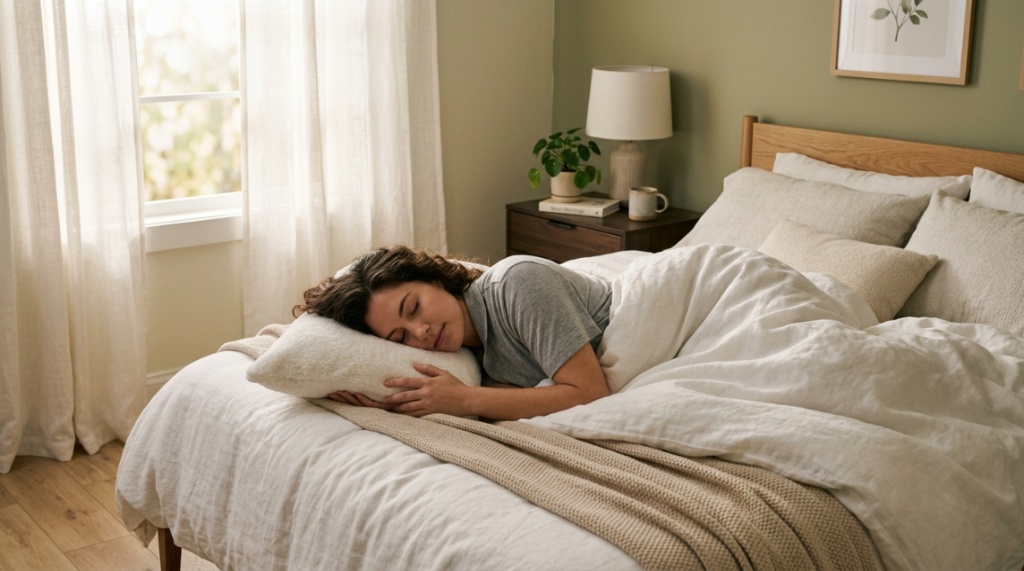
Snoring is not just a nuisance—it’s a sign that your airway is partially blocked during sleep. In Washington, the combination of humid coastal air, seasonal allergies from evergreen forests, and a high prevalence of sinus issues makes snoring more frequent than many realize. If you wake up groggy or your partner complains about the noise, you’re dealing with a breathing problem that can worsen over time. Addressing the root cause—often poor sleep posture—can transform your nights and your health.
The Role of Air Quality and Allergies in WA Sleep
Washington’s lush environment is beautiful, but it’s also a hotspot for pollen, mold, and moisture. Airborne irritants can inflame nasal passages, forcing you to breathe through your mouth at night. Mouth breathing collapses the throat tissues, creating the vibration we call snoring. A simple air purifier in your bedroom can reduce allergens, but posture correction remains the most effective tool to keep your airway open.
Why Sleeping Flat Makes Snoring Worse
When you lie flat on your back, gravity pulls your tongue and soft palate backward, narrowing your airway. This is especially problematic for Washingtonians who already deal with nasal congestion. Elevating your upper body gently shifts the airway into a neutral position, preventing collapse. That’s why many sufferers search for a “stop snoring wedge pillow wa” solution to wake up rested and quiet.
When Snoring Becomes a Health Risk
Occasional snoring is normal, but loud, frequent snoring can indicate sleep apnea—a condition where breathing stops and starts. Untreated sleep apnea strains your heart and brain. If you notice gasping, choking, or excessive daytime fatigue, consult a sleep specialist. For mild to moderate snoring without apnea, a wedge pillow often resolves the issue without expensive equipment.
What Is a Wedge Pillow and How Does It Help Breathing?
A wedge pillow is a triangular-shaped cushion that elevates your upper body from the waist up, usually at a 30 to 45-degree angle. Unlike standard pillows that only lift your head, a wedge supports your entire torso, keeping your airway straight and open. This reduces snoring by preventing throat collapse and improves breathing by encouraging nasal airflow. It’s a non-invasive, affordable tool used by thousands in Washington to sleep better.
How Elevation Opens Your Airway
When your upper body is elevated, gravity works in your favor. Your tongue stays forward, your soft palate doesn’t sag, and your nasal passages drain more easily. This creates a smoother path for air to travel, reducing turbulence that causes snoring. Studies show that sleeping on a 7- to 12-inch incline can cut snoring by over 50% in positional snorers.
Benefits Beyond Snoring Relief
Wedge pillows aren’t just for snoring—they also help with acid reflux, sinus congestion, and post-nasal drip. For Washington residents prone to spring allergies or cold, damp winters, the elevation keeps mucus from pooling in the throat. You’ll breathe easier, cough less, and wake up with clearer sinuses. Many users report fewer morning headaches and more energy.
What to Look for in a Quality Wedge Pillow
- Firmness: A soft wedge offers no support; choose high-density foam.
- Height: 7–12 inches is ideal for most adults; taller for larger body frames.
- Breathability: Look for bamboo covers or ventilated foam to prevent heat buildup.
- Size: A full-body wedge (around 24×24 inches) provides better stability than a narrow one.
- Non-slip base: Prevents sliding during the night, keeping you safely elevated.
How to Choose the Best Wedge Pillow for Your Sleep Style
Your sleep position and body type determine which wedge works best. Back sleepers need a gentle incline of 30 degrees, while side sleepers require a higher wedge combined with a knee pillow to keep the spine aligned. Stomach sleepers usually cannot tolerate a wedge because it strains the neck. If you toss and turn, a full-body wedge with a contoured surface provides more versatility.
Wedge Pillows for Back Sleepers
Back sleepers benefit most from a 7- to 10-inch wedge. This angle keeps the airway open without sliding down. Add a small cervical pillow under your neck if your wedge is too steep. A stop snoring wedge pillow wa designed for back sleepers often features a gradual slope for smooth transitions when you move in bed.
Wedge Pillows for Side Sleepers
Side sleepers need a taller wedge—10 to 12 inches—to maintain a straight airway. Pair it with a knee pillow to prevent hip and lower back strain. Look for a wedge with a cutout for the shoulder if you prefer a deeper curve. Memory foam wedges conform better to side-sleeping contours than standard foam.
Wedge Pillows for Combination Sleepers
If you switch positions during the night, choose a medium-height wedge (8 inches) with a removable top layer. This allows you to adjust the angle. A high-quality wedge with a non-slip base prevents shifting when you roll over. Many Washington sleepers find this flexibility essential for unpredictable sleep habits.
| Sleep Position | Recommended Wedge Height | Additional Support |
|---|---|---|
| Back sleeper | 7–10 inches | Cervical pillow |
| Side sleeper | 10–12 inches | Knee pillow |
| Combination | 8 inches adjustable | Removable top layer |
Can a Wedge Pillow Replace a CPAP Machine?
For mild snoring and occasional breathing difficulty, a wedge pillow can be highly effective—but it is not a substitute for a CPAP machine if you have diagnosed sleep apnea. CPAP provides continuous positive airway pressure that keeps your throat open mechanically. A wedge pillow works by changing your body position, which helps with positional snoring but cannot treat apneas caused by airway collapse independent of posture.
When a Wedge Pillow Is Enough
If your partner reports snoring only when you sleep on your back, and you don’t have gasping or choking episodes, a wedge may resolve the issue. Many Washington residents with mild allergies or seasonal congestion find that elevation alone reduces snoring dramatically. You can test this by recording your sleep for a few nights before and after using the wedge.
When to Consult a Specialist
If you still snore heavily on a wedge, especially if you are overweight or have a large neck circumference, consult a sleep specialist. You may need a home sleep study. Do not ignore chronic loud snoring—it can lead to hypertension, stroke, and heart arrhythmia. A wedge pillow is a first-line tool, not a cure-all for serious conditions.
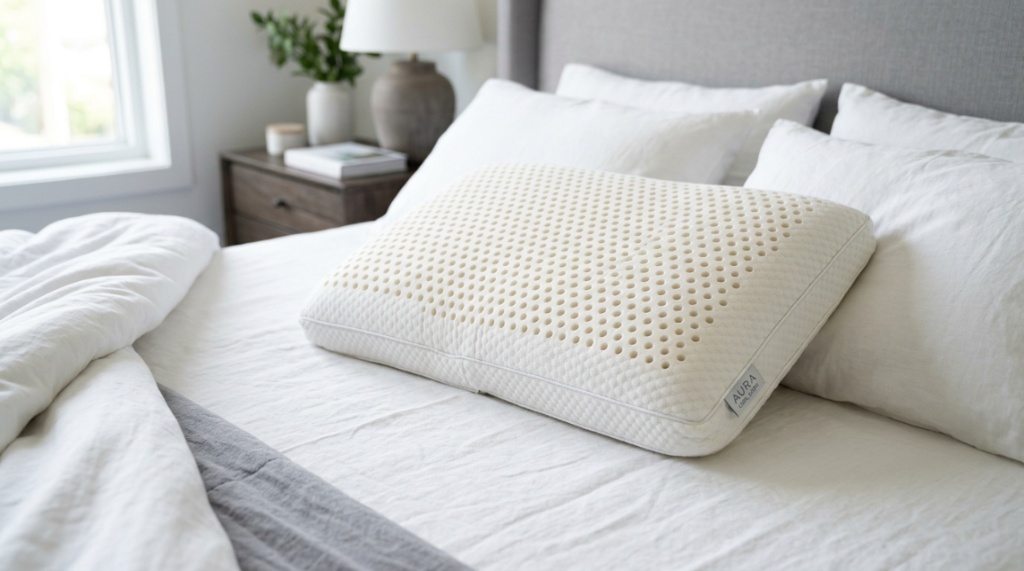
Elevate your alignment and stay refreshed by pairing these breathing techniques with a Cooling Latex Pillow for Hot Sleepers, designed to keep your airways open and your temperature regulated all night long.
How to Transition to Sleeping on a Wedge Pillow
Switching from flat sleeping to an incline takes time. Start by using the wedge for short naps during the day. Your body needs to adjust to the new angle, especially your lower back and hips. Use a small knee pillow to prevent sliding, and place a rolled towel under your knees for extra support. Most people adapt within 3–7 nights.
Week 1: Short Sessions
Use the wedge for 1–2 hours during an afternoon nap. This lets your spine and neck adapt without the pressure of a full night. If you feel discomfort, reduce the incline by placing a standard pillow under the wedge. Gradually increase the time as your body accepts the elevation.
Week 2: Full Night with Adjustments
Sleep the entire night on the wedge. You may wake up with a stiff neck or lower back pain—this is normal. Adjust your sleeping position: if you sleep on your side, bend your knees slightly and place a pillow between them. Use a contoured neck pillow if the wedge feels too steep.
Long-Term Tips for Success
- Place the wedge on a non-slip mat to prevent shifting.
- Keep a water bottle nearby—elevation can dry your mouth.
- Combine the wedge with a humidifier if you live in a dry-heated home.
- Wash the cover weekly to avoid dust mites that worsen allergies.
What Other Lifestyle Changes Improve Breathing in WA?
A wedge pillow works best alongside healthy habits. Washington’s outdoor lifestyle offers natural advantages—fresh air, hiking, and low stress—but indoor factors matter too. Small changes in your routine can amplify the benefits of elevation and reduce snoring further.
Nasal Breathing and Strips
Practice breathing through your nose during the day. Nasal breathing filters air better and warms it before it reaches your lungs. At night, use hypoallergenic nasal strips to dilate your nostrils. This simple addition can cut snoring volume by half when paired with a wedge.
Hydration and Diet Adjustments
Dehydration causes nasal passages to become sticky and narrow. Drink 6–8 glasses of water daily. Avoid alcohol and heavy meals within three hours of bedtime—both relax throat muscles and worsen snoring. Washingtonians who reduce dairy intake before bed often see less mucus buildup.
Sleep Hygiene and Room Setup
Keep your bedroom cool (65–68°F) and dark. Use blackout curtains if you live near city lights. A consistent sleep schedule—going to bed and waking at the same time—trains your body to breathe rhythmically. Turn off screens an hour before bed to relax your nervous system.
How to Test if Your Breathing Is Improving
Track your progress with objective measures. Use a smartphone decibel meter app to record snoring volume. Note how many times you wake up at night. Ask your partner for feedback. If you use a wearable device, check your sleep score and oxygen saturation levels—improvement usually appears within two weeks.
Weekly Snoring Log
Write down the time you go to bed, the position you start in, and your partner’s report of snoring duration. A simple spreadsheet can reveal patterns. Mark days when you used the wedge, nasal strips, or changed your diet. After 14 days, you should see a clear trend toward quieter nights.
When to Make Adjustments
If snoring persists after two weeks, increase the wedge height by 1–2 inches. Try a different sleep position. If the problem worsens, consult an ENT specialist. Chronic snoring may require a more advanced evaluation, including a sleep study to rule out obstructions or structural issues.
Frequently Asked Questions
Does a wedge pillow work for everyone?
No. A wedge pillow works best for positional snorers and those with mild nasal congestion. If you have severe sleep apnea or anatomical issues like a deviated septum, you may need additional treatments.
Can I use a wedge pillow if I have back problems?
Yes, but start with a low incline (7 inches) and place a pillow under your knees to protect your lower spine. Consult your doctor if you have chronic back pain or recent surgery.
How long does it take to stop snoring with a wedge?
Most people see improvement within 3–7 nights. Full adaptation, including comfort and reduced snoring, often occurs after two weeks of consistent use.
Is a wedge pillow safe for children?
No. Wedge pillows are not recommended for infants or young children due to suffocation risk. Only use them for adults or with pediatrician approval for older children with specific conditions.
Can I return a wedge pillow if it doesn’t work?
Many brands offer 30- or 60-day satisfaction guarantees. Check the return policy before purchasing. You can also test with a lower-cost model first.
Do I need a special pillowcase for a wedge pillow?
Yes. Use a fitted sheet or a custom cover designed for wedge pillows to keep it clean and prevent bunching. Standard pillowcases usually don’t fit the triangular shape.
Will a wedge pillow help with acid reflux?
Yes, elevating the upper body prevents stomach acid from flowing back into the esophagus. Many people with GERD find significant relief with a 7- to 10-inch wedge.
Conclusion
Improving your breathing and stopping snoring in Washington starts with understanding your body and your environment. A wedge pillow addresses the mechanical cause of snoring—airway collapse during sleep—by keeping your throat open naturally. Combined with good hydration, nasal care, and proper sleep hygiene, it offers a practical, non-invasive solution that works for most positional snorers. You don’t have to accept restless nights or complaints from your partner. Take action today: choose a quality wedge that fits your sleep style, give yourself two weeks to adapt, and track your progress. Your lungs and your loved ones will thank you.