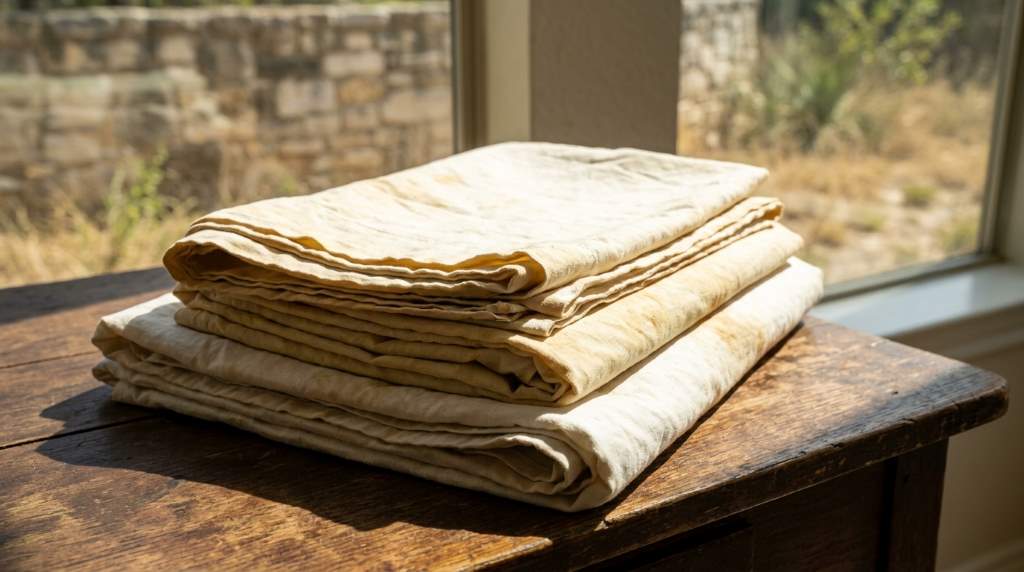
Yes, you can often fix ruined linens when stains, odors, stiffness, or discoloration have not damaged fibers permanently. Start by identifying the damage, then use the gentlest cleaning method that matches the fabric. Austin Water reports average hardness near 93 ppm, which can affect laundry results. For related pillow care, learn how to whiten pillows without damage before treating similar bedding.
Identify What Ruined Your Linens
First, inspect the linen under bright light before adding another cleaning product. Look for stains, yellowing, mildew, rough texture, fading, shrinkage, or weakened fibers.
Next, check the care label and identify the fabric type. Pure linen needs different treatment than linen blends, cotton, rayon, or synthetic materials.
Also, consider what caused the damage. Food, sweat, body oils, detergent buildup, bleach, hard water, heat, and moisture can create very different problems.
For example, Austin water averages about 93 ppm hardness, with reported readings reaching 126 ppm. Hard water can reduce cleaning performance and leave mineral deposits on fabric.
Before washing again, avoid aggressive scrubbing. Instead, blot fresh stains and remove loose residue without forcing particles deeper into the weave.
Then test every cleaning solution on an hidden seam or inconspicuous corner. This simple step can prevent a small stain from becoming permanent color damage.
If the linen feels brittle, tears easily, or shows severe fiber loss, stop washing it. Further chemical or mechanical treatment may make the damage worse.
Remove Stains Without Destroying Linen
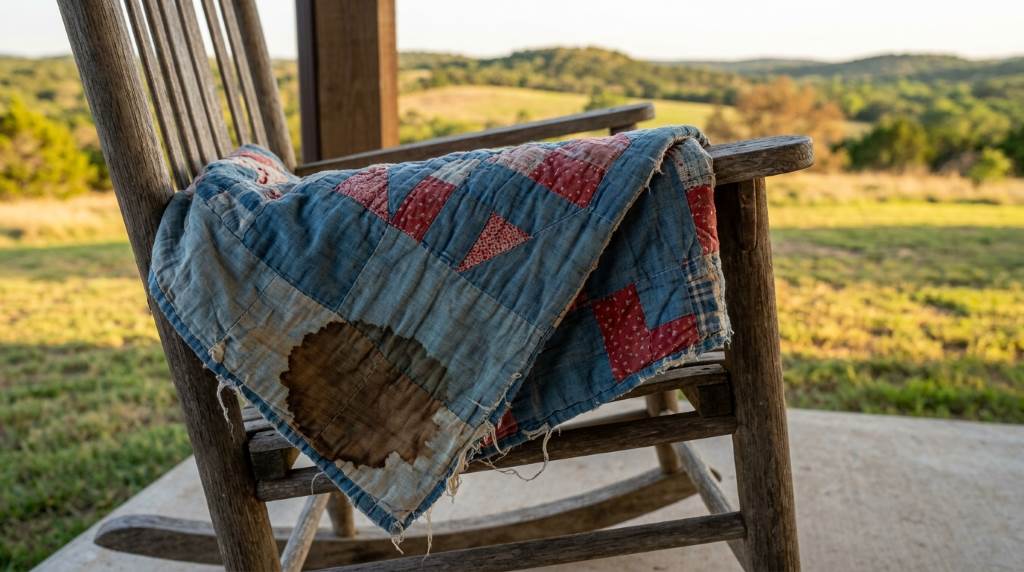
Stain removal works best when you match the treatment to the substance. Therefore, identify whether you are dealing with oil, protein, color, mildew, or mineral staining.
For grease, apply a small amount of liquid laundry detergent directly to the affected area. Let it work briefly, then rinse before laundering.
For blood or other protein stains, start with cool water. Hot water can set some protein stains deeper into the fibers.
For coffee, tea, wine, or juice, rinse promptly with cool water. Then apply a fabric safe stain remover before the next wash.
For old stains, use a detergent containing enzymes when the care label allows it. Soaking can loosen embedded residue before the normal wash cycle.
For yellow or brown marks, consider mineral buildup or rust as a possible cause. Avoid chlorine bleach because it can intensify certain rust stains.
When mildew appears, wash the linen using a fabric safe bleach alternative if permitted. Severely mildewed fabric may already have permanent fiber damage.
For delicate bedding, contour pillow neck support can provide useful context when treating washable pillow covers and related bedding.
After treatment, inspect the linen before using a dryer. Heat can permanently set stains that remain after washing.
Restore Gray, Yellow, or Dingy Fabric
Discolored linen does not always need aggressive bleaching. Often, detergent buildup, mineral residue, body oils, or incorrect washing causes the dull appearance.
Start with a normal wash using the hottest temperature allowed by the care label. Use the correct detergent amount instead of adding excessive soap.
If the linen remains gray, consider an oxygen bleach designed for washable fabrics. Follow the product label because concentration and soaking instructions vary.
Oxygen bleach generally provides a gentler option than chlorine bleach. Still, test the solution first because dyes and finishes can react differently.
Never pour concentrated bleach directly onto linen. Dilute products according to their labels and use the washer dispenser when recommended.
Furthermore, never mix bleach with ammonia or other household cleaners. Dangerous fumes can develop when incompatible chemicals combine.
If the linen contains colored threads, embroidery, or printed designs, avoid chlorine bleach unless the manufacturer specifically permits it. Oxygen based products usually provide a safer approach.
Sunlight can help freshen some washable white linens after cleaning. However, prolonged exposure can weaken fibers and fade colored fabrics.
For hot sleepers and bedding, cooling latex pillow hot sleepers offers useful bedding context when replacing severely damaged pieces.
If discoloration remains after two careful treatments, stop escalating the chemicals. Persistent marks may indicate permanent dye change, mineral staining, or fiber damage.
Fix Stiff, Rough, or Crunchy Linens
Linen can feel stiff after washing because detergent residue, minerals, or incomplete rinsing remain between fibers. Fortunately, this problem often responds to a gentler wash routine.
First, reduce detergent to the amount recommended for your water level and load size. More detergent does not automatically create cleaner fabric.
Next, run an additional rinse cycle if the linen feels coated. This can remove residue that ordinary rinsing leaves behind.
Also, avoid overloading the washer. Linen needs enough water and movement to release oils, soil, and detergent from the weave.
Use a moderate wash temperature when the care label permits it. Extremely hot water can increase shrinkage and accelerate fabric wear.
After washing, remove linen promptly from the machine. Shake each piece gently to separate fibers before drying.
Air drying can help preserve linen fibers and reduce heat exposure. If you use a dryer, select a low temperature setting.
When bedding needs elevation or different sleeping support, compare adjustable wedge pillow brands before replacing related bedding accessories.
Avoid excessive fabric softener because buildup can affect absorbency and create a coated feel. Linen usually benefits more from proper rinsing and controlled detergent use.
Repair Linen Damaged by Bleach
Bleach damage requires a different strategy because chemicals can alter dyes or weaken fibers. Unfortunately, true fiber destruction cannot be reversed through another wash.
If you see a small white spot on colored linen, the dye may have been removed. Washing cannot restore color that bleach chemically destroyed.
For minor color loss, consider professional textile dyeing if the item has significant value. A specialist can assess whether the fabric can accept new color.
If bleach caused yellowing, do not automatically add more bleach. Some fibers can yellow after unsuitable chlorine bleach exposure.
Instead, rinse the linen thoroughly with clean water. Then follow the fabric label and consider a suitable oxygen bleach treatment.
Never combine bleach with vinegar, ammonia, acids, or unknown cleaners. Chemical combinations can produce hazardous fumes or damage fabric further.
If the linen developed holes, thinning, or brittle areas, focus on preservation. A seamstress may reinforce usable sections before the fabric deteriorates further.
For valuable table linens, heirloom sheets, or embroidered pieces, professional textile restoration offers the safest option. Home experiments can permanently reduce their value.
Deal With Mildew and Musty Linen Odors
Musty odors usually signal moisture retention rather than ordinary dirt. Therefore, clean both the linen and the storage environment.
Wash affected pieces according to their care labels and dry them completely. Never store linen while even slightly damp.
For washable white fabric, use a suitable bleach only when the label permits it. Oxygen bleach often provides a gentler alternative for many washable materials.
After washing, inspect the linen closely for remaining mildew marks. Repeat a suitable treatment before placing the item in storage.
Severe mildew may permanently damage fibers. If the fabric smells strongly after repeated cleaning, replacement or professional restoration may make more sense.
Then inspect closets, laundry rooms, and bathroom storage areas for moisture. Austin Code recommends good air movement and reducing unnecessary indoor moisture.
Keep linen away from damp walls and poorly ventilated corners. Instead, use breathable storage containers that allow air circulation.
Also, leave space between stored items. Crowded shelves can trap moisture and make odor problems return.
Fix Linen Shrinkage and Shape Problems
Shrinkage presents a difficult problem because heat can permanently change natural fibers. However, minor changes sometimes respond to careful reshaping.
First, dampen the linen with clean water without soaking it excessively. Lay the piece flat on a clean surface.
Next, gently stretch the fabric toward its original dimensions. Work slowly across the entire piece instead of pulling one area aggressively.
Use smooth, even movements around seams and corners. Never yank the fabric because wet fibers can still suffer mechanical damage.
Let the linen air dry while maintaining its corrected shape. Avoid high dryer temperatures during future washes.
If the fabric shrank substantially, professional alteration may provide a better solution. A tailor can sometimes modify seams, hems, or panels.
Remember that linen naturally changes texture after repeated washing. Some relaxed movement and softness can occur without indicating serious damage.
Know When Linen Cannot Be Saved
Not every ruined linen item can return to its original condition. Recognizing permanent damage prevents unnecessary chemicals, wasted time, and additional fiber loss.
Watch for these warning signs:
- Fibers break when you gently pull the fabric.
- Large bleach spots have removed the original dye.
- Severe mildew has weakened multiple areas.
- Heat has caused major shrinkage or distortion.
- Repeated washing has created thin, fragile sections.
When these problems appear, stop experimenting with stronger products. Instead, consider repair, repurposing, professional restoration, or replacement.
You can repurpose damaged linen into cleaning cloths, cushion covers, craft material, or protective household fabric. This approach keeps usable material out of the waste stream.
Austin Linen Recovery Routine
A consistent routine prevents most cleaning mistakes before they become permanent. Start by sorting linens according to color, fabric type, and soil level.
Then follow this simple process:
- Inspect every item before washing.
- Read the care label carefully.
- Treat stains before the wash cycle.
- Test cleaning products on hidden areas.
- Use the correct detergent amount.
- Choose the hottest safe water temperature.
- Run an extra rinse when residue remains.
- Dry linen completely before storage.
- Inspect the fabric before using high heat.
This routine also helps identify recurring problems. If several loads develop similar discoloration, investigate water quality, detergent buildup, or the washing machine.
Austin Water publishes water quality information that includes hardness measurements. Therefore, local water conditions can help explain recurring mineral related laundry issues.
Prevent Your Linens From Getting Ruined Again
Prevention costs less than repeated stain removal and fabric restoration. Fortunately, small changes can protect linen through many washing cycles.
Keep loads reasonably sized so water can circulate around every item. Overloading reduces cleaning performance and can leave soil behind.
Use separate loads for heavily soiled linens and lightly used bedding. This reduces soil transfer between fabrics.
Never leave wet linen sitting inside the washer for long periods. Moisture and warmth can encourage unpleasant odors and mildew growth.
Check linen after washing before starting the dryer. If you see a remaining stain, treat it again instead of baking it with heat.
Store completely dry linen in a clean, dry, ventilated area. Avoid plastic bags for long term storage when moisture could become trapped.
Finally, replace damaged items when repair no longer makes economic or practical sense. Good linen care should extend useful life without creating unnecessary work.
Conclusion: Restore Linen Carefully
Fixing ruined linens starts with diagnosis rather than stronger cleaning chemicals. Treat stains according to their type, control heat, rinse thoroughly, and protect delicate fibers.
Most importantly, stop when you see permanent fiber damage. For valuable or badly damaged pieces, contact a qualified textile restoration professional before trying another treatment.
Start with one damaged linen item and use the gentlest suitable method. With careful testing and consistent washing habits, you can restore many linens and prevent future damage.
Frequently Asked Questions
Can vinegar fix damaged linen?
Vinegar may help remove some residue, but it cannot reverse bleach damage, severe shrinkage, or broken fibers.
Can I use chlorine bleach on linen?
Use chlorine bleach only when the care label specifically allows it and the fabric remains colorfast.
How do I remove yellow stains from linen?
Identify the stain first, then use a fabric safe stain remover or oxygen bleach when appropriate.
Can shrunken linen return to its original size?
Minor shrinkage may improve through gentle reshaping, while severe heat damage usually remains permanent.
When should I replace ruined linen?
Replace linen when fibers feel brittle, large areas have weakened, or repeated treatments fail to improve its condition.