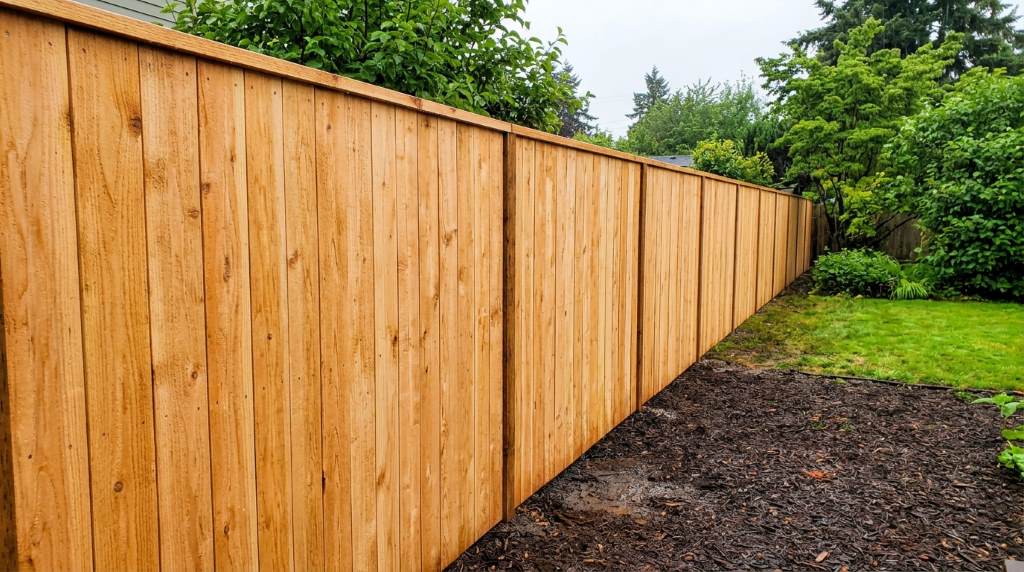
Many homeowners notice faster fence damage than expected, especially after wet seasons. Portland receives about 43 inches of annual rainfall, while wood moisture above 20% encourages fungal growth. Therefore, understanding local conditions protects outdoor investments and improves durability. Many people also explore wood lattice fence designs while planning stronger landscape boundaries.
Rot rarely appears without warning because moisture, poor airflow, and neglected maintenance usually create perfect conditions. This guide explains why Portland, OR yard dividers fail, how to prevent damage, and which maintenance practices deliver lasting results.
Why Portland’s Climate Speeds Up Wood Rot
Portland experiences long rainy months that repeatedly soak exposed wooden structures. Consequently, damp surfaces remain wet for extended periods, creating excellent conditions for decay fungi.
Morning fog, shaded gardens, and limited airflow worsen moisture retention around yard dividers. Additionally, homeowners benefit from fences for gardens tips that improve drainage and fence placement.
Seasonal leaf buildup also traps moisture against fence boards and supporting posts. Therefore, regular cleaning significantly reduces long term water exposure.
How Moisture Starts the Damage
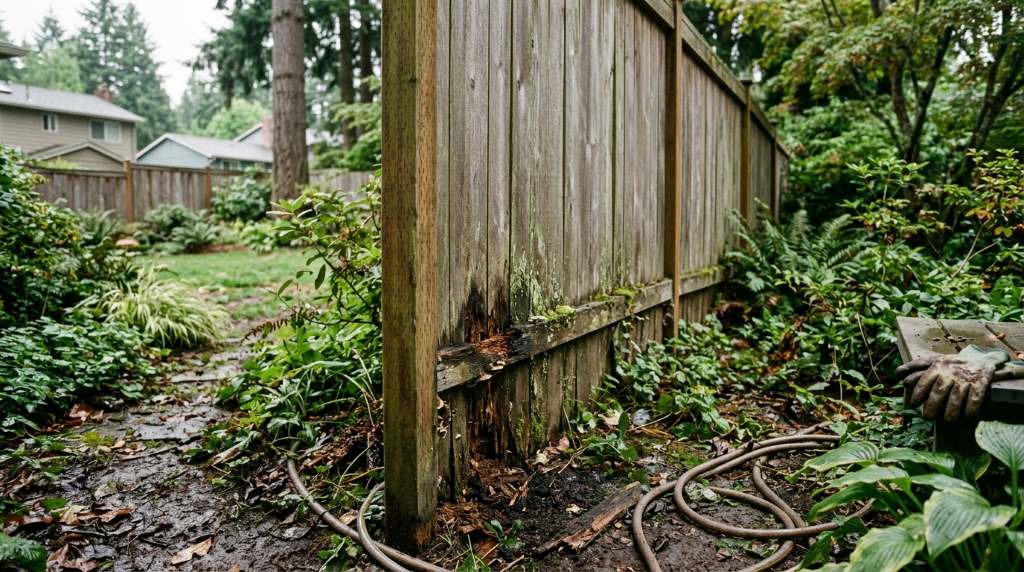
Wood naturally absorbs water through exposed grain, cracks, and cut ends. Once moisture remains trapped, fungi begin breaking down wood fibres from within.
Small surface stains often appear before structural weakness becomes obvious. Early action prevents expensive repairs and extends the fence lifespan.
Common Causes of Rot in Yard Dividers
Several preventable issues contribute to premature fence deterioration across Portland properties. Fortunately, identifying these causes helps homeowners stop problems before serious damage develops.
- Poor drainage around fence posts.
- Constant soil contact with untreated wood.
- Dense plants blocking airflow.
- Damaged protective coatings.
- Poor installation practices.
- Standing water after rainfall.
Many property owners overlook installation details during fence replacement projects. Reading choosing a new garden fence guidance supports smarter long term decisions.
Warning Signs You Should Never Ignore
Early warning signs usually appear months before complete structural failure occurs. Consequently, regular inspections help homeowners reduce future repair costs.
Watch for soft wood, peeling finishes, black stains, loose boards, and unusual fungal growth. Likewise, musty smells often indicate hidden moisture inside fence components.
Fence posts deserve extra attention because they remain closest to damp soil. Replacing damaged posts early protects the entire divider system.
Simple Inspection Checklist
- Press suspicious areas with a screwdriver.
- Check for cracked sealant.
- Inspect post bases after rain.
- Look underneath horizontal rails.
- Remove leaves touching wood.
Best Ways to Prevent Yard Divider Rot
Consistent maintenance always costs less than major structural replacement. Therefore, preventative care remains the smartest investment for every homeowner.
Apply quality water repellent sealers according to manufacturer recommendations. Meanwhile, selecting experienced professionals through a trusted right fence broker can improve installation quality.
Trim shrubs regularly because moving air dries wooden surfaces much faster. Additionally, proper spacing between plants reduces long lasting moisture buildup.
- Seal exposed wood every few years.
- Improve drainage around fence lines.
- Replace damaged boards quickly.
- Clean organic debris seasonally.
- Keep sprinklers away from fencing.
- Inspect hardware for rust.
Choosing Better Materials for Wet Conditions
Material selection strongly influences long term durability in damp environments. Fortunately, several options perform better than untreated traditional lumber.
Cedar naturally resists insects and moisture better than many common softwoods. Pressure treated lumber also provides additional protection when properly maintained.
Composite fencing eliminates many moisture related problems while requiring minimal upkeep. Although initial costs increase, maintenance expenses often decrease over time.
Material Comparison
- Cedar offers natural resistance and attractive appearance.
- Pressure treated wood provides affordable durability.
- Composite requires little maintenance.
- Metal accents resist moisture effectively.
Maintenance Schedule That Delivers Better Results
Routine care keeps small issues from becoming expensive structural repairs. Consequently, homeowners enjoy stronger fences throughout changing seasons.
Inspect every spring after heavy rainfall and again during autumn leaf season. Cleaning surfaces twice yearly removes moisture trapping organic material.
Reseal exposed wood whenever protective coatings begin fading or cracking. Immediate repairs always prevent wider deterioration across connected sections.
When Repairs No Longer Make Sense
Some fences become too damaged for economical restoration after years of neglect. Therefore, replacement often saves money over repeated temporary repairs.
Extensive fungal damage usually spreads beneath visible surfaces before obvious failure appears. Professional inspections help determine whether repair remains practical.
Modern installation methods also improve drainage and increase structural longevity. Investing once in quality construction often reduces maintenance for many years.
Final Thoughts
Portland’s wet climate creates unique challenges for every wooden yard divider. However, proper maintenance, smart material choices, and regular inspections greatly reduce rot risks.
Start inspecting your yard divider today before small moisture problems become expensive replacements. Consistent care protects your landscape, improves property appearance, and extends fence life for many years.
FAQs
Why does wood rot faster in Portland?
Frequent rainfall and prolonged moisture create ideal conditions for fungal decay.
Which wood lasts longest in wet climates?
Cedar and properly treated lumber usually perform better than untreated wood.
How often should I seal my yard divider?
Most wooden fences benefit from resealing every two to three years.
Can I repair small areas of rot?
Yes, replacing damaged sections early prevents wider structural deterioration.
Does better drainage reduce wood rot?
Yes, proper drainage keeps wood drier and significantly slows fungal growth.