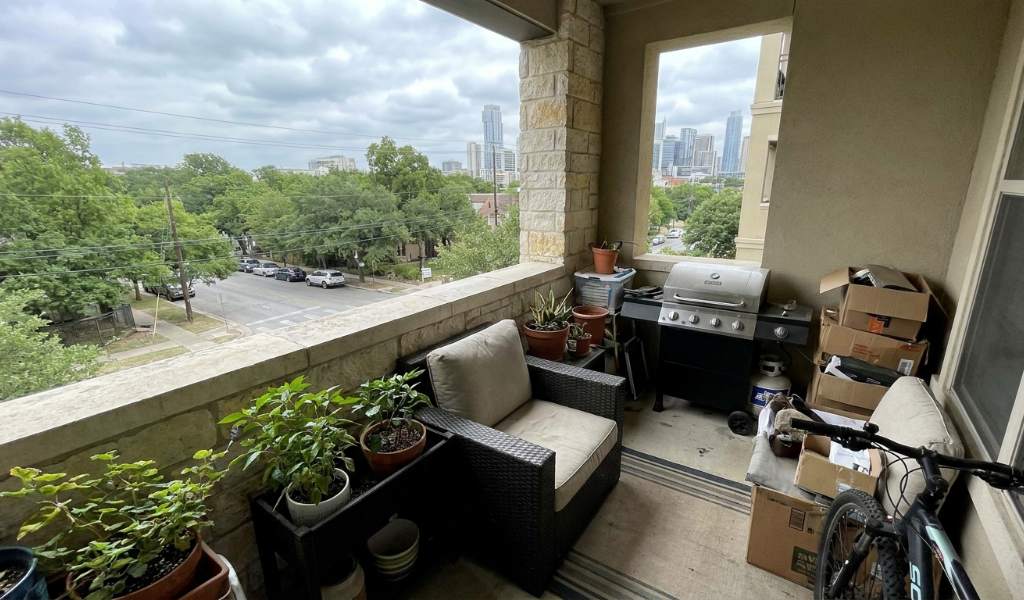
Your Austin terrace feels cramped because oversized patio furniture obstructs primary walking paths. In addition, chaotic container plant placement and poor spatial zoning restrict usable deck square footage. Removing bulky tables and establishing streamlined circulation routes restores an expansive outdoor living atmosphere.
Austin urban residential density has increased by over 25 percent across central neighborhoods recently. Furthermore, outdoor terraces frequently average under 180 square feet of total usable floor area. Homeowners navigating confusing backyard seating area terms often purchase furnishings designed for expansive suburban yards. Consequently, heavy deep-seating sectionals overwhelm modest urban terraces quickly. Selecting proportionate exterior furniture immediately frees valuable patio circulation pathways.
Key Takeaways
- Scale furniture: Choose narrow outdoor dining tables and stackable armless chairs to save footprint area.
- Clear pathways: Maintain at least thirty-six inches of unobstructed clearance across primary terrace entryways.
- Vertical greenery: Replace scattered terra-cotta floor pots with wall-mounted modular trellis planter systems.
- Unified flooring: Lay continuous large-format porcelain deck pavers to create the illusion of broader space.
- Hidden storage: Install hinged cedar perimeter storage benches to conceal outdoor cushions and barbecue tools.
Identify Space Inefficiencies on Austin Terraces
Bulky outdoor furniture remains the leading reason residential Austin terraces feel congested and claustrophobic. Massive wrought iron chairs and wide sectionals consume disproportionate percentages of floor space. Consequently, guests struggle to navigate between dining chairs and exterior sliding doorways. Bulky outdoor items disrupt natural patio circulation patterns significantly.
In addition, unorganized floor pots create severe visual clutter across small exterior surfaces. Homeowners collect decorative ceramic planters that slowly encroach onto primary footpaths. Water saucers and tangled irrigation tubing further divide limited outdoor real estate. Cluttered floor zones make modest outdoor spaces feel much smaller than their dimensions.
Furthermore, lack of defined spatial intention generates functional gridlock on compact urban terraces. When dining tables, barbecue grills, and lounge chairs collide, relaxation becomes impossible. Visual barriers fragment the eye line and amplify claustrophobic sensations outdoors. Defining purposeful activity zones eliminates spatial chaos across modest outdoor balconies.
Select Slim Multipurpose Furniture for Compact Footprints
Replacing bulky deep-seating armchairs with streamlined modular furniture instantly revitalizes your terrace floor plan. Specifically, seek out lightweight powder-coated aluminum framing with clean, slender profiles. Narrow bistro tables paired with tuck-under stools provide comfortable dining without sacrificing open floor area. Compact furniture keeps sightlines unobstructed toward scenic Texas Hill Country horizons.
Just as equipment operators must work safely riding lawn machinery, terrace layouts demand careful spatial awareness. Therefore, choose nesting side tables and convertible garden benches with integrated hidden compartments. Fold-down bar shelves mounted directly to terrace railings create instant cocktail stations without leg clutter. When social gatherings end, fold furniture flat against the wall to restore walking space.
Additionally, incorporate see-through wire mesh or woven rope dining chair designs. Open-weave seating elements allow natural light to filter freely across outdoor deck tiles. Solid wooden or heavy resin furniture blocks light and anchors heavy visual weight. Lightweight transparent designs make small outdoor living spaces feel airy and spacious.
Establish Defined Functional Zones and Traffic Paths
Every successful small terrace requires dedicated functional areas for entertaining, lounging, and cooking. Establish distinct zones using outdoor area rugs woven from recycled polypropylene fibers. A patterned rug anchors your seating arrangement while defining dedicated walking corridors around it. Clearly defined borders keep furniture from spreading across critical circulation zones.
Much like heat accumulates under a poor attic ventilation roof assembly, poor floor layouts trap physical traffic. Therefore, preserve a continuous thirty-six-inch wide pathway from your patio doorway to exterior railings. Avoid placing small side tables or potted plants along this essential navigation corridor. Unbroken walkways invite guests to move effortlessly through outdoor entertaining areas.
In addition, position cooking equipment along sheltered perimeter edges away from social seating pockets. Gas grills placed directly near patio doorways create hazardous smoke blockages and movement bottlenecks. Relocating cooking equipment to corners opens up central terrace areas for comfortable socializing. Thoughtful zoning maximizes functional flexibility across restricted urban footprints.
Maximize Vertical Wall Planes and Hanging Planters
When outdoor floor space is limited, look upward to utilize bare vertical wall planes. Mount modular vertical garden systems or cedar trellis panels onto exterior masonry walls. Climbing jasmine and native Texas honeysuckle introduce lush greenery without stealing single inches of floor tile. Vertical gardens draw the human eye upward, accentuating exterior ceiling height.
Transforming outdoor living mirrors creating a cozy stylish living room where spatial balance is critical. Therefore, install sturdy wall sconces and floating wall shelves to hold drinks and small plants. Eliminating floor-standing lamp poles and oversized plant stands reclaims significant floor area. Clean exterior wall installations create refined outdoor elegance while preserving precious walking room.
Furthermore, suspend lightweight fiberglass planter bowls from overhead pergola rafters or soffit mounts. Hanging foliage adds botanical depth and softens sharp architectural angles without cluttering terrace floors. Water hanging containers with drip irrigation lines to avoid muddy water drippings on seating below. Overhead plants cultivate a private, verdant sanctuary within busy Austin urban neighborhoods.
Incorporate Slender Built-In Perimeter Seating
Built-in perimeter banquettes maximize seating capacity along exterior deck railings far better than standalone chairs. Specifically, custom L-shaped cedar bench seating utilizes awkward terrace corners that otherwise stay empty. Bench seats occupy half the footprint of standard outdoor lounge chairs while seating twice as many guests. Straight structural lines anchor perimeter edges and leave central floor zones completely open.
Furthermore, build hollow storage chests directly beneath the hinged timber bench lids. Store weatherproof furniture covers, folding lawn chairs, and gardening tools safely out of direct view. Concealing outdoor accessories eliminates plastic deck boxes that crowd small terrace floors. Multi-functional built-ins streamline patio utility without sacrificing aesthetic charm.
Additionally, top your perimeter benches with high-density foam cushions wrapped in durable marine-grade acrylic fabric. Choose light neutral colors such as stone gray, crisp sand, or soft desert oatmeal. Light cushion fabrics bounce sunlight around covered terraces and create open spatial impressions. Sleek perimeter seating delivers abundant hospitality within extremely compact urban dimensions.
Optimize Lighting and Visual Depth Across Small Spaces
Harsh overhead floodlights flatten outdoor depth and highlight cramped terrace boundaries after sunset. Instead, install layered low-voltage LED landscape lighting to cultivate visual depth across outer edges. Soft uplights placed behind vertical wall planters cast captivating foliage shadows that expand perceived wall distance. Recessed step lighting illuminates deck transitions safely without casting intrusive glares.
Furthermore, mount exterior weatherproof mirrors along protected alcove walls to visually double terrace dimensions. Mirrored outdoor panels reflect ambient candlelight, garden greenery, and skyline vistas across narrow deck spaces. Ensure mirrors feature rust-resistant aluminum frames to endure humid Austin summer thunderstorms. Optical reflection dissolves hard structural boundaries and amplifies outdoor spaciousness.
Additionally, string delicate warm-white bistro fairy lights across overhead terrace pergolas in parallel lines. Linear lighting arrangements elongate visual perspective, making short terraces feel expansive and inviting. Dimmer switches allow precise evening illumination control for intimate dining or lively cocktail parties. Thoughtful illumination turns modest Texas terraces into captivating nighttime entertainment retreats.
Conclusion
A cramped Austin terrace does not require expensive structural expansion to feel open and luxurious. By choosing slender multipurpose furnishings, establishing clear walkways, and maximizing vertical walls, you restore functional freedom. These strategic design adjustments unlock the full potential of your private Texas Hill Country retreat.
Reclaim your outdoor terrace living space today for effortless entertaining throughout warm Austin evenings. Clear away clumsy floor planters, install vertical wall trellises, and select compact modular seating this weekend. Contact an experienced outdoor living design specialist to craft your ideal space-saving terrace layout now.
FAQs
What is the ideal walkway width on a small terrace?
You should maintain at least thirty-six inches of unobstructed clearance for comfortable outdoor foot traffic.
How can I grow plants without taking up terrace floor space?
Install wall-mounted vertical garden pockets or hang lightweight planters from overhead pergola rafters.
Does dark furniture make a small terrace feel smaller?
Dark, heavy furniture absorbs ambient light and makes small outdoor terraces feel much more congested.
Are outdoor mirrors safe to use on covered terraces?
Weatherproof mirrors with rust-resistant frames are completely safe and reflect light to expand visual space.
Why are built-in perimeter benches better than individual patio chairs?
Built-in benches utilize awkward corners and provide integrated storage while occupying significantly less floor space.