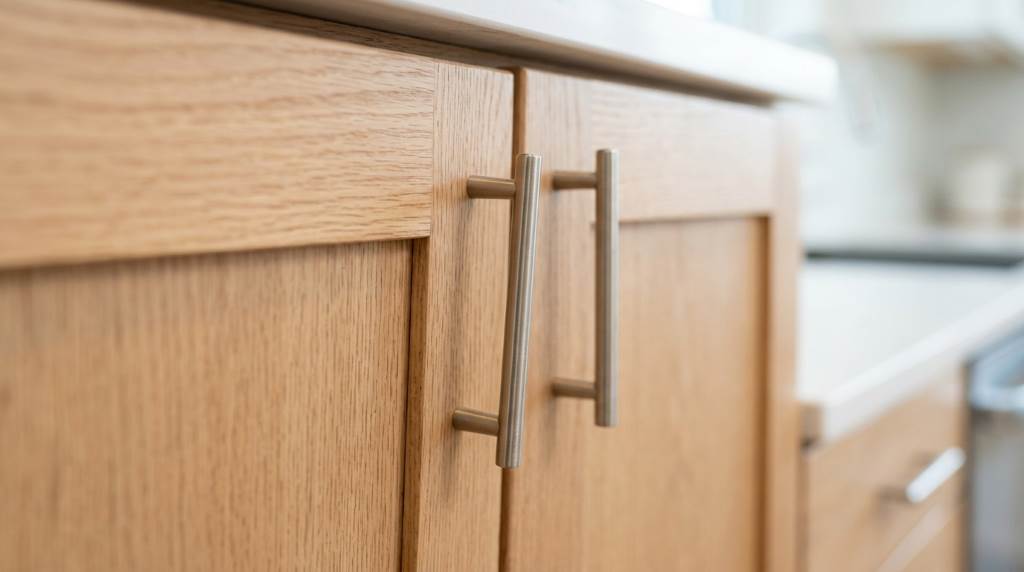
Few things make a kitchen or bathroom look unfinished faster than crooked cabinet handles and uneven drawer pulls. Even when cabinets are high quality, misaligned hardware can affect both appearance and daily function. According to the U.S. Department of Energy, homeowners continue investing in kitchen and bathroom improvements because these spaces strongly influence usability and home value. Meanwhile, data from the U.S. Census Bureau shows remodeling activity remains a significant part of home improvement projects across the country. If you need to adjust screw hole placement during a cabinet repair, understanding the correct process helps prevent further damage and creates a professional result.
In Phoenix, AZ, extreme heat, dry air, and normal household use can contribute to cabinet movement over time. This guide explains how to identify the cause of misaligned cabinet hardware, repair common issues, and keep cabinets looking neat and functioning properly.
Why Cabinet Hardware Becomes Misaligned
Cabinet hardware rarely shifts without a reason. In many Phoenix homes, seasonal expansion and contraction can gradually affect cabinet doors and drawer fronts. While Arizona remains relatively dry, temperature fluctuations inside homes still impact wood and composite materials.
Moisture can also create issues in kitchens and bathrooms. Areas near sinks, dishwashers, and showers experience repeated humidity exposure. Similar concerns arise when dealing with waterproofing your bathroom floor because moisture management directly affects surrounding materials.
Common causes of cabinet hardware misalignment include:
- Loose mounting screws
- Wood expansion and contraction
- Improper original installation
- Repeated opening and closing
- Warped cabinet doors
- Stripped screw holes
- Cabinet settling over time
Understanding the underlying cause helps determine the best repair method.
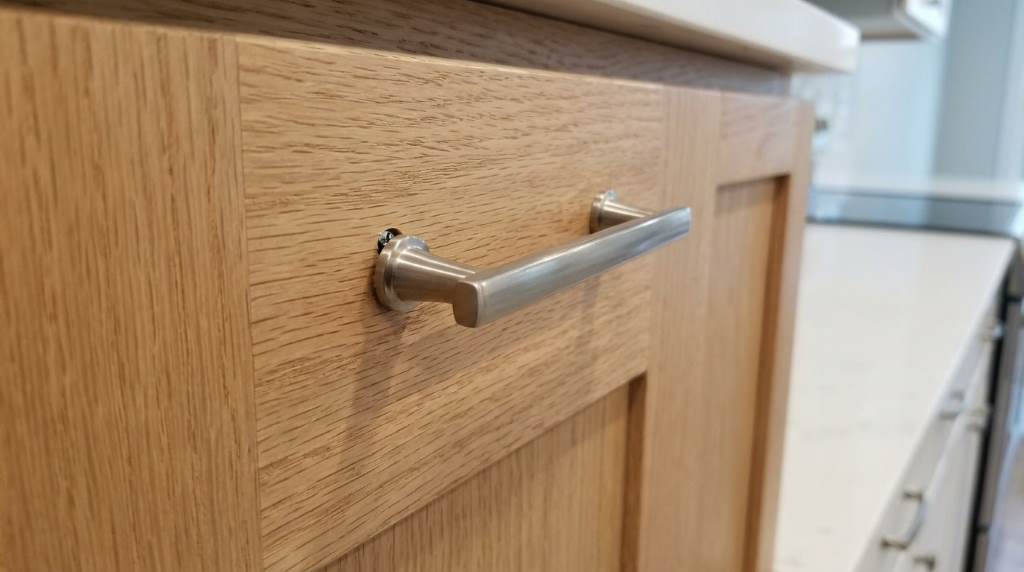
Signs That Cabinet Hardware Needs Adjustment
Many homeowners notice visual imperfections before functional problems appear. However, small alignment issues often worsen when ignored.
Uneven Handle Placement
If handles appear crooked or sit at different heights, hardware alignment likely needs correction. Even slight differences become noticeable across multiple cabinets.
Drawer Pulls Feel Loose
Loose pulls often indicate screws have shifted or holes have enlarged. As a result, hardware may move every time someone opens the drawer.
Cabinet Doors Do Not Close Properly
Misaligned hardware sometimes accompanies hinge problems. Therefore, checking the entire door assembly can prevent unnecessary repairs.
Visible Wear Around Mounting Holes
Cracks, chips, or worn finishes around screw holes suggest ongoing movement that should be addressed promptly.
Tools Needed for Cabinet Hardware Repair
Before starting repairs, gather the necessary tools. Proper preparation reduces mistakes and helps create cleaner results.
Homeowners often focus on visible upgrades while overlooking functional improvements. In fact, many projects involving quiet comfort enhancements after roof replacement follow the same principle of improving daily living through attention to detail.
Recommended tools include:
- Screwdriver set
- Drill with small bits
- Measuring tape
- Cabinet hardware template
- Level
- Pencil
- Wood filler
- Sandpaper
- Wood glue
- Painter’s tape
Having everything available before beginning prevents interruptions during the repair process.
How to Fix Misaligned Cabinet Hardware Step by Step
Step 1: Inspect the Hardware Carefully
Start by examining each cabinet door and drawer. Determine whether the problem comes from loose screws, damaged holes, or incorrect placement.
Take measurements from neighboring cabinets to identify inconsistencies. Consistent spacing creates a more professional appearance.
Step 2: Tighten Existing Screws
Sometimes the solution is surprisingly simple. Tighten all mounting screws and test the hardware movement.
If the handle remains stable and aligned afterward, no further repair may be necessary.
Step 3: Repair Stripped Screw Holes
When screws no longer grip properly, the mounting holes may have become stripped.
Simple Hole Repair Method
Remove the hardware completely. Apply wood glue inside the damaged hole and insert wooden toothpicks or small wood dowels.
Allow the glue to dry thoroughly. Next, trim excess material and reinstall the hardware.
This technique restores screw holding power without requiring major cabinet modifications.
Step 4: Fill and Redrill Incorrect Holes
If hardware was originally installed in the wrong position, filling and redrilling often produces the best result.
Remove the handle and fill the old holes using a high quality wood filler. Once dry, sand the surface until smooth.
Measure carefully before marking the new location. Then drill pilot holes and reinstall the hardware.
Accuracy during this stage determines the final appearance.
Step 5: Use a Cabinet Hardware Template
A template eliminates guesswork and ensures consistent placement across all cabinets.
Professional installers frequently rely on templates because they improve precision and reduce installation errors.
Therefore, homeowners working on multiple cabinets can benefit significantly from using one.
Step 6: Check Alignment with a Level
Before tightening everything permanently, place a level against the hardware.
Even slight deviations become noticeable when several cabinet doors sit next to each other. Consequently, verifying alignment before finishing saves time and frustration.
Special Considerations for Phoenix Homes
Phoenix presents unique conditions that can affect cabinetry. Extreme summer temperatures may cause subtle material movement over time.
Although modern homes often maintain climate control, cabinets located near exterior walls sometimes experience greater temperature variation.
Furthermore, older homes may show signs of settling that affect door alignment and hardware positioning.
Interestingly, homeowners evaluating neighborhoods through resources such as housing market guide for homebuyers often overlook interior maintenance factors that influence long term property appearance.
For Phoenix residents, routine inspections help catch small issues before they become larger repairs.
Preventing Future Hardware Misalignment
Preventive maintenance remains the most effective way to keep cabinet hardware aligned.
Perform Routine Inspections
Check screws every few months. Early tightening prevents larger alignment problems from developing.
Avoid Excessive Force
Cabinet doors and drawers should open smoothly. Slamming them repeatedly places stress on mounting points and hardware connections.
Control Indoor Humidity
Although Phoenix generally has low humidity, kitchens and bathrooms generate moisture daily. Ventilation helps reduce material movement and protects cabinetry.
Address Hinge Issues Quickly
Loose hinges often contribute to hardware misalignment. Fixing hinge problems early maintains proper door positioning.
When to Replace Cabinet Hardware Instead of Repairing It
Repairs work well in many situations. However, replacement becomes the better option when hardware shows significant wear.
Consider replacement if:
- Handles are bent or damaged
- Corrosion affects performance
- Mounting points have become unstable repeatedly
- The style no longer matches updated cabinetry
- Multiple repairs have failed
New hardware can refresh the appearance of an entire kitchen or bathroom while improving functionality.
Common Mistakes to Avoid
Many alignment problems occur because of avoidable installation errors.
- Skipping measurements
- Drilling without a template
- Overtightening screws
- Ignoring stripped holes
- Failing to verify level placement
- Rushing the installation process
Taking extra time during installation usually produces cleaner and longer lasting results.
Conclusion
Fixing misaligned cabinet hardware in Phoenix, AZ requires careful inspection, accurate measurements, and the right repair techniques. Whether the issue involves loose screws, stripped holes, or poor original placement, most problems can be corrected with basic tools and patience. Regular maintenance helps prevent future alignment issues and keeps cabinets looking professional. Start by identifying the root cause, follow the appropriate repair steps, and inspect your hardware periodically to maintain a polished appearance throughout your home.
Frequently Asked Questions
How do I know if cabinet hardware is misaligned?
Handles that appear uneven, loose, or crooked usually indicate alignment problems.
Can I repair stripped cabinet screw holes?
Yes, wood glue and small wood fillers such as toothpicks can restore holding strength effectively.
Should I replace hardware or repair it?
Repair works for minor issues, while damaged or worn hardware often benefits from replacement.
What tool helps ensure accurate hardware placement?
A cabinet hardware template provides consistent measurements and alignment.
How often should I inspect cabinet hardware?
Checking hardware every few months helps identify and fix small issues early.