Homemade pasta tastes better than anything you buy in a box. The texture is softer, the flavor is fresher, and the experience of making it yourself adds something no store-bought brand can match. However, many people assume that a good pasta maker costs a fortune. That assumption is wrong.
There are genuinely great pasta makers available at prices that will not strain your budget. The key is knowing what to look for and which features actually matter. This guide gives you everything you need to choose wisely and start making delicious pasta at home without overspending.
Why Making Pasta at Home Is Worth It
Fresh pasta cooks faster than dried pasta. It absorbs sauce more readily, and the texture is noticeably silkier. Once you try homemade fettuccine or tagliatelle, going back to the packet feels like a step backward.
Beyond taste, making pasta at home is also cost-effective. A bag of flour and a few eggs produce enough pasta for several meals. Additionally, you control exactly what goes into your food. There are no preservatives, no additives, and no mystery ingredients.
The barrier for most people is the equipment. Many assume they need an expensive machine to get good results. However, a reliable budget pasta machine can produce results that rival far pricier models when used correctly.
What to Look for in an Affordable Pasta Maker
Not all budget pasta makers are created equal. Some deliver smooth, consistent results. Others jam, bend, or produce uneven sheets that tear before they reach the pot. Understanding the key features helps you avoid wasting money on a poor product.
Build Quality and Materials
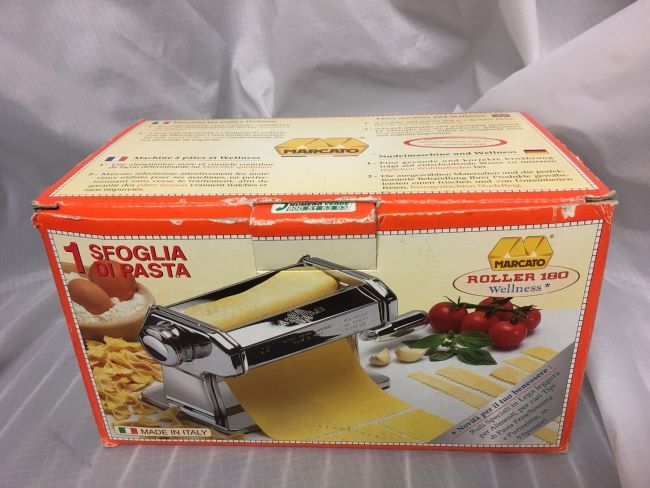
The best affordable machines are made from stainless steel or chrome-plated steel. These materials are durable, easy to clean, and do not rust easily. Avoid machines made entirely from plastic, especially for the rollers. Plastic rollers wear down quickly and can produce inconsistent thickness over time.
Look for a machine that feels solid when you hold it. Lightweight models that flex or rattle are a sign of poor construction. A well-built pasta maker should feel sturdy, even at a lower price point.
Thickness Settings
A good pasta maker should offer multiple thickness settings. Most quality machines provide between six and nine settings. This range allows you to make thin sheets for delicate pastas like angel hair as well as thicker sheets for lasagne or stuffed pasta. Therefore, having more settings gives you greater flexibility in the kitchen.
Clamping Mechanism
The clamp is how your pasta maker attaches to your countertop or table. A solid clamp keeps the machine stable while you crank the handle. A poor clamp causes the machine to wobble or shift, which makes it difficult to feed the dough evenly. Check that the clamp fits your countertop thickness before buying.
Ease of Cleaning
Pasta makers should never be submerged in water or put in the dishwasher. Instead, they are cleaned with a dry brush or a slightly damp cloth. Machines with smooth surfaces and minimal crevices are far easier to clean. Additionally, a model that comes with a cleaning brush is a practical bonus.
Included Attachments
Some machines come with extra cutters for different pasta shapes. A basic spaghetti cutter and a fettuccine cutter are the most common additions. Having these included saves you money compared to buying them separately later.
Manual vs. Electric Pasta Makers
Most affordable pasta makers are manual, meaning you turn a handle to feed the dough through the rollers. This is perfectly fine for home use and gives you full control over the process. Manual machines are also simpler, which means fewer parts to break.
Electric pasta makers do the rolling and cutting automatically. They are more convenient but tend to cost significantly more. Additionally, electric models are more complex and harder to repair if something goes wrong. For most home cooks, a manual machine is the smarter starting point.
That said, some mid-range electric extruder-style machines are worth considering if you plan to make pasta frequently. These push dough through shaped dies to create tubes, spirals, and other forms that a roller cannot produce. However, for flat pasta like lasagne sheets, tagliatelle, and fettuccine, a manual roller remains the most reliable and affordable option.
How to Get the Best Results from a Budget Pasta Machine
Even the best machine will struggle if your dough is not right. Getting the dough consistency correct is the most important step in homemade pasta making.
Making the Dough
Use a ratio of one large egg per 100 grams of flour. Type 00 flour produces the smoothest results, but plain all-purpose flour works well too. Mix the ingredients until a rough dough forms, then knead it for eight to ten minutes until it becomes smooth and elastic. After kneading, wrap the dough in cling film and let it rest for at least 30 minutes. This resting period relaxes the gluten and makes the dough much easier to roll.
Rolling the Dough
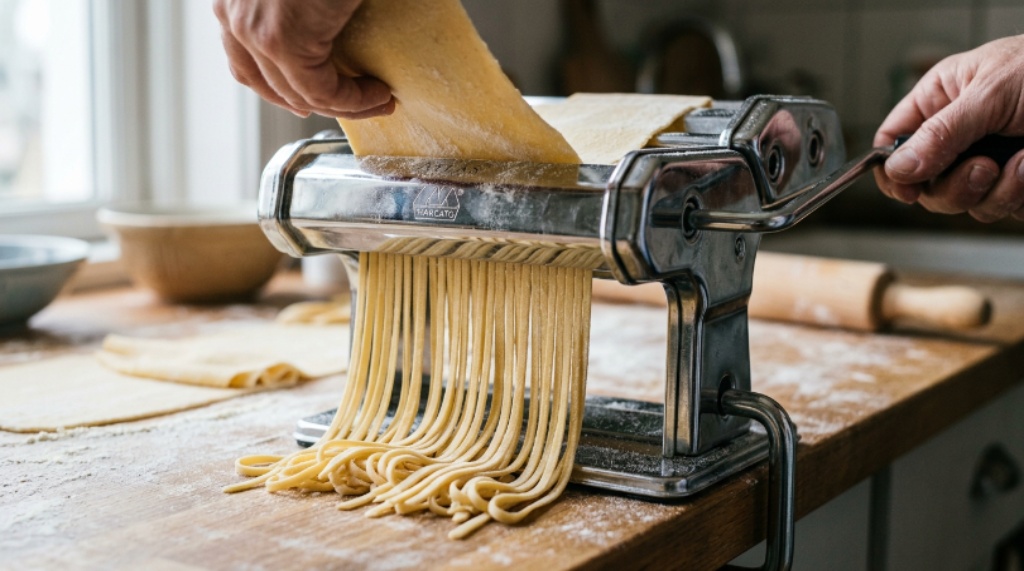
Start at the widest setting and feed the dough through several times. Fold the dough in half between passes to build structure. Once the dough is smooth and even, work your way down through the thickness settings gradually. Do not jump straight to the thinnest setting, as this can cause tearing.
A cheap pasta roller performs best when the dough is properly rested and lightly floured. Dusting the dough with a little flour before each pass prevents sticking without drying out the sheet.
Cutting and Drying
Once you reach your desired thickness, switch to the cutting attachment. Cut pasta can be hung to dry on a pasta rack or spread on a floured surface for a few minutes before cooking. Cooking fresh pasta takes only two to three minutes in well-salted boiling water.
Features That Are Not Worth Paying Extra For
When shopping for an affordable pasta maker, some features sound impressive but add little real-world value. Knowing what to ignore helps you focus your budget on what matters.
Motorized attachments that clip onto your pasta maker are available for some brands. While they sound convenient, they add cost and are not necessary for occasional home use. Similarly, machines marketed as having hundreds of recipe settings are often gimmicks. The roller and cutter quality matter far more than any software or preset feature.
Therefore, resist the temptation to overspend on features you will rarely use. A simple, well-built machine with good rollers and reliable thickness settings is all you need to make excellent pasta at home.
Price Ranges and What to Expect
Affordable pasta makers generally fall into two price categories.
Machines priced between $25 and $50 are entry-level options. These are suitable for occasional use and can produce decent results if the build quality is solid. Look for stainless steel rollers and at least six thickness settings in this range.
Machines priced between $50 and $90 offer noticeably better construction and smoother operation. Many include extra cutters and have tighter tolerances on their rollers, which means more consistent sheet thickness. For anyone who plans to make pasta more than a few times a year, this range offers the best value.
Spending more than $90 on a manual pasta maker is rarely necessary unless you are buying a well-known Italian brand for longevity and heritage craftsmanship. However, even a budget pasta machine in the $50 to $90 range can last many years with proper care.
Conclusion
Making fresh pasta at home is one of the most rewarding things you can do in the kitchen. The good news is that you do not need to spend a lot of money to do it well. A reliable, well-built pasta maker at an affordable price is all you need to get started.
Focus on materials, roller quality, and thickness settings when comparing options. Choose a manual machine if you are new to pasta making. Take the time to make your dough correctly, and rest it before rolling. With the right machine and a little practice, you will be producing restaurant-quality pasta at home in no time. Quality results are absolutely within reach, regardless of your budget.
Frequently Asked Questions
Can a cheap pasta roller really produce good results?
Yes, it can. The key factors are dough consistency and technique, not just the machine. A well-rested dough fed through a sturdy, stainless steel roller at the correct settings will produce smooth, even pasta sheets. Many affordable machines perform very close to premium models when used correctly.
How many thickness settings does a pasta maker need?
A minimum of six thickness settings is recommended. This range covers most common pasta types, from thick lasagne sheets down to thin angel hair pasta. More settings give you greater control, but six is enough for most home cooking needs.
Is a manual or electric pasta maker better for beginners?
A manual pasta maker is generally better for beginners. It is simpler, more affordable, and easier to control. Electric machines are more convenient but cost more and are harder to troubleshoot if something goes wrong.
How do I clean a pasta maker without damaging it?
Never wash a pasta maker with water or put it in the dishwasher. Use a dry brush to remove flour and dough residue after each use. A slightly damp cloth can be used on the exterior if needed. Always make sure the machine is completely dry before storing it.
What type of flour works best in a home pasta maker?
Type 00 flour is the traditional choice for smooth, silky pasta. However, plain all-purpose flour works well in most pasta makers and is easier to find. Avoid using bread flour, as its higher protein content makes the dough too tough and elastic to roll easily.