Picture this: you’re holding your monthly utility bill, and instead of the usual sinking feeling in your stomach, you’re actually smiling. Sound impossible? Not anymore. The modern homeowner’s secret weapon isn’t just about going green—it’s about going green while keeping more green in your wallet. Welcome to the world of sustainable home improvements that deliver immediate returns on investment while creating a healthier, more comfortable living environment.
The Smart Economics of Sustainable Living
Why Sustainable Improvements Make Financial Sense
Gone are the days when eco-friendly home improvements meant breaking the bank for minimal returns. Today’s sustainable solutions represent a fundamental shift in how we think about home investment strategies. These improvements work on a simple principle: reduce consumption, lower costs, and increase property value simultaneously.
Energy-efficient upgrades typically pay for themselves within 3-7 years through reduced utility bills, while many sustainable improvements can increase your home’s resale value by 10-15%. The key lies in understanding which improvements offer the best return on investment while contributing to environmental conservation.
The Triple Win: Environment, Comfort, and Savings
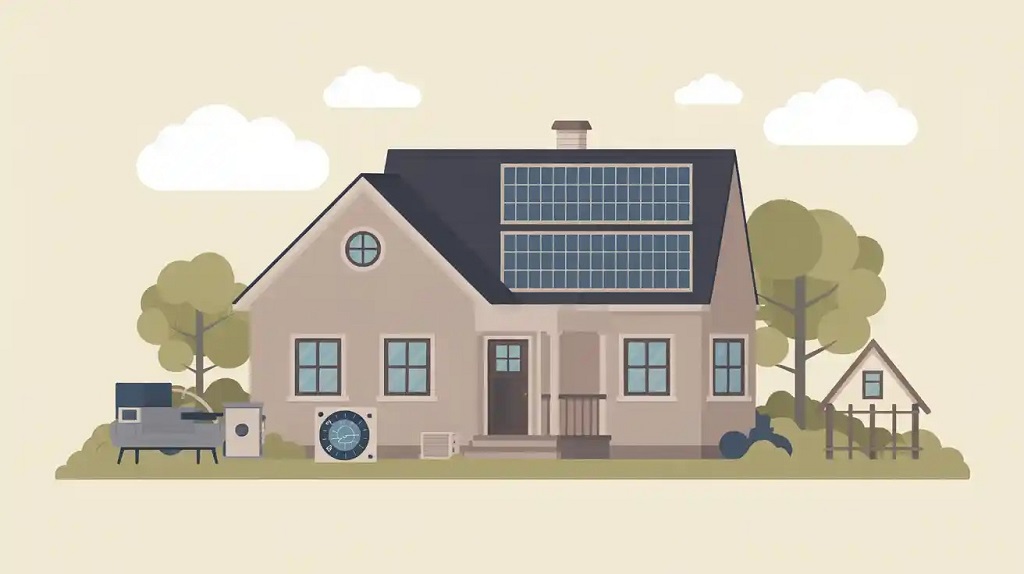
Sustainable home improvements create what experts call a “triple win” scenario. You’re reducing your environmental footprint, enhancing your home’s comfort and functionality, and saving money both immediately and long-term. This approach transforms your home into an asset that continuously pays dividends rather than just consuming resources.
High-Impact Energy Efficiency Upgrades
Smart Insulation Solutions
Proper insulation remains the foundation of energy-efficient homes. Modern insulation materials like blown-in cellulose, spray foam, and reflective barriers can reduce heating and cooling costs by 20-50%. The average homeowner spends $2,000-4,000 on comprehensive insulation upgrades but saves $400-800 annually on energy bills.
Focus on these critical areas for maximum impact:
- Attic insulation (R-38 to R-60 depending on climate)
- Wall cavity insulation
- Basement and crawl space sealing
- Window and door weatherstripping
Energy-Efficient Window Replacements
While window replacement represents a larger upfront investment ($300-800 per window), the long-term savings are substantial. Energy Star certified windows can reduce energy bills by 12-15% annually while improving indoor comfort and reducing HVAC system strain.
Double or triple-pane windows with low-E coatings and gas fills provide superior thermal performance. In extreme climates, the payback period often falls within 8-12 years, with additional benefits including noise reduction and UV protection for furnishings.
HVAC System Optimization
Your heating and cooling system accounts for nearly 50% of your home’s energy consumption. Smart HVAC improvements don’t always require complete system replacement:
Programmable and Smart Thermostats: These devices cost $150-300 but can reduce heating and cooling costs by 10-15% through optimized scheduling and learning algorithms.
High-Efficiency Air Filters: Quality filters improve system efficiency while enhancing indoor air quality. Regular maintenance and filter replacement can improve system efficiency by 5-10%.
Ductwork Sealing: Professional duct sealing costs $1,500-3,000 but can reduce energy loss by 20-30% in homes with leaky ductwork.
Water Conservation Strategies That Cut Costs
Low-Flow Fixtures and Smart Technology
Water-efficient fixtures represent some of the quickest payback periods in sustainable home improvement. Low-flow showerheads ($20-100) can reduce water heating costs by $70-150 annually. High-efficiency toilets save 20-60% on water usage while smart leak detection systems prevent costly water damage.
Smart water heaters and tankless systems, while requiring higher initial investment ($2,000-4,000), can reduce water heating costs by 20-40% while providing unlimited hot water and space savings.
Rainwater Harvesting and Greywater Systems
Simple rainwater collection systems start at just a few hundred dollars for basic barrel systems. More sophisticated whole-house systems ($2,000-8,000) can significantly reduce municipal water bills while providing irrigation water during dry periods.
Greywater systems that reuse water from sinks, showers, and laundry for landscape irrigation can reduce water consumption by 30-50%, with payback periods of 5-10 years depending on local water rates.
Renewable Energy Solutions for Every Budget
Solar Power: Beyond the Panels
Solar panel costs have dropped 70% over the past decade, making residential solar increasingly accessible. The average residential solar installation costs $15,000-25,000 before incentives but can eliminate 80-100% of electricity bills.
Federal tax credits, state incentives, and financing options can reduce upfront costs by 50-70%. With net metering programs, many homeowners achieve positive cash flow within the first year of installation.
Small-Scale Renewable Options
Not ready for full solar? Consider these alternatives:
Solar Water Heating: Systems cost $3,000-7,000 but can reduce water heating costs by 50-80%.
Solar Attic Fans: These $300-800 devices reduce cooling costs by improving attic ventilation.
Micro Wind Turbines: For windy locations, small turbines ($4,000-10,000) can supplement home energy needs.
Smart Home Technology Integration
Energy Monitoring and Management Systems
Whole-home energy monitoring systems ($200-500) provide real-time usage data, helping identify energy waste and optimize consumption patterns. Many users reduce energy consumption by 10-20% simply through increased awareness.
Smart power strips, LED lighting with smart controls, and automated systems that adjust energy usage based on occupancy and time-of-day pricing can collectively reduce electricity bills by 15-25%.
Home Automation for Efficiency
Integrated home automation systems optimize energy usage across all home systems. Smart irrigation controllers reduce water waste by 20-50%, while automated lighting and climate control systems ensure energy isn’t wasted in unoccupied spaces.
Landscaping and Outdoor Improvements
Native Plant Landscaping
Native plant gardens require 50-75% less water than traditional landscaping while providing natural pest control and wildlife habitat. The initial investment in native plants pays dividends through reduced water bills, minimal fertilizer needs, and lower maintenance requirements.
Xeriscaping and drought-resistant landscaping can reduce outdoor water usage by 60-80%, with particularly significant savings in arid climates where landscape irrigation represents 30-50% of total water consumption.
Permeable Hardscaping
Permeable pavers, gravel driveways, and rain gardens manage stormwater runoff while reducing municipal stormwater fees in many areas. These solutions cost 10-30% more than traditional hardscaping but provide long-term savings through improved drainage and reduced water management fees.
Calculating Your Return on Investment
Priority Matrix for Maximum Impact
When planning sustainable improvements, create a priority matrix based on:
- Upfront cost vs. annual savings ratio
- Payback period (aim for 3-10 years)
- Available incentives and rebates
- Home comfort and value improvements
Financing Sustainable Improvements
Many sustainable improvements qualify for special financing options:
- PACE (Property Assessed Clean Energy) financing
- Green renovation loans with favorable terms
- Utility rebate programs
- Federal and state tax incentives
These programs can significantly improve payback periods and make larger improvements more accessible.
Frequently Asked Questions
What sustainable home improvement offers the fastest payback?
LED lighting conversion typically offers the fastest payback, often within 6-12 months. These bulbs use 75% less energy and last 25 times longer than incandescent bulbs. For a typical home, converting to LED can save $75-200 annually on electricity bills.
Are sustainable improvements worth it if I plan to sell my home soon?
Yes, many sustainable improvements increase home value immediately. Energy-efficient features are increasingly important to buyers, with studies showing that homes with green certifications sell for 3-7% more than comparable conventional homes. Solar panels, efficient HVAC systems, and quality insulation are particularly attractive to buyers.
How do I prioritize multiple sustainable improvement projects?
Focus first on improvements that address your highest utility costs. Conduct a home energy audit (many utilities offer free audits) to identify the biggest energy wasters. Generally, prioritize: insulation and air sealing, HVAC efficiency, water heating, then renewable energy systems.
What rebates and incentives are available for sustainable home improvements?
Incentives vary by location but commonly include:
- Federal tax credits (solar, geothermal, energy efficiency)
- State and local rebates for appliances and installations
- Utility company rebate programs
- Special financing options with reduced interest rates Check the Database of State Incentives for Renewables & Efficiency (DSIRE) for location-specific programs.
Read More Also: Embracing the New Era of Home Decor
Can I DIY sustainable home improvements to save money?
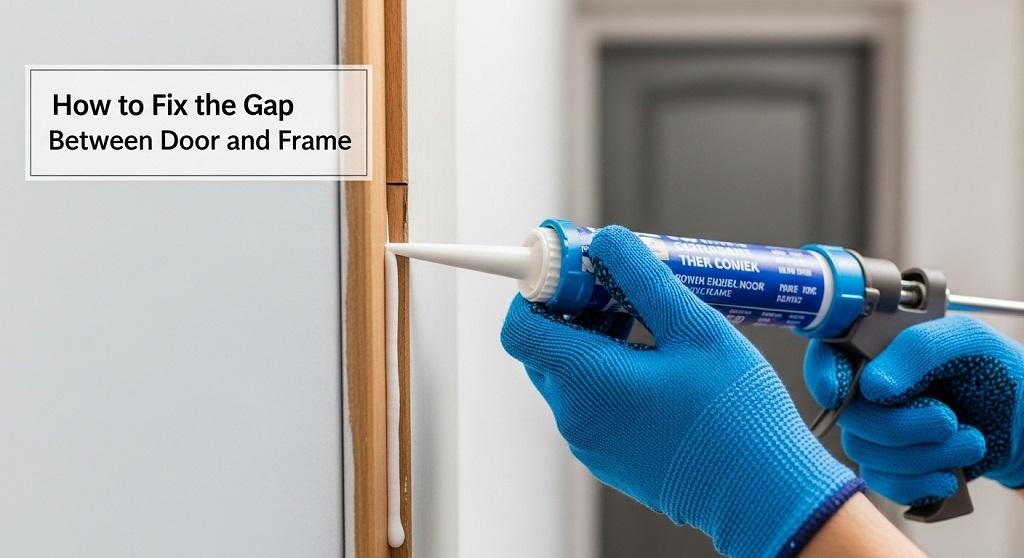
Many sustainable improvements are DIY-friendly, including LED conversion, weatherstripping, caulking, smart thermostat installation, and basic insulation projects. However, electrical work, HVAC modifications, and major installations should be handled by certified professionals for safety and warranty reasons.
Read More Also: Solar panel blanket created by schoolgirl
Your Next Steps Toward a More Sustainable, Profitable Home
The journey toward a more sustainable home doesn’t require a complete renovation overnight. Start with a professional energy audit to identify your home’s biggest opportunities for improvement. Many utility companies offer free or subsidized audits that provide detailed recommendations and prioritize improvements based on your specific situation and budget.
Begin with the highest-impact, lowest-cost improvements like LED lighting and weatherization, then gradually work toward larger investments like HVAC upgrades and renewable energy systems. Remember, each improvement builds upon the others, creating cumulative savings that accelerate your return on investment.
Ready to transform your home into a money-saving, eco-friendly sanctuary? Contact a certified energy auditor today to discover your home’s unique savings potential. Your wallet—and the environment—will thank you for taking the first step toward sustainable living that actually pays you back.