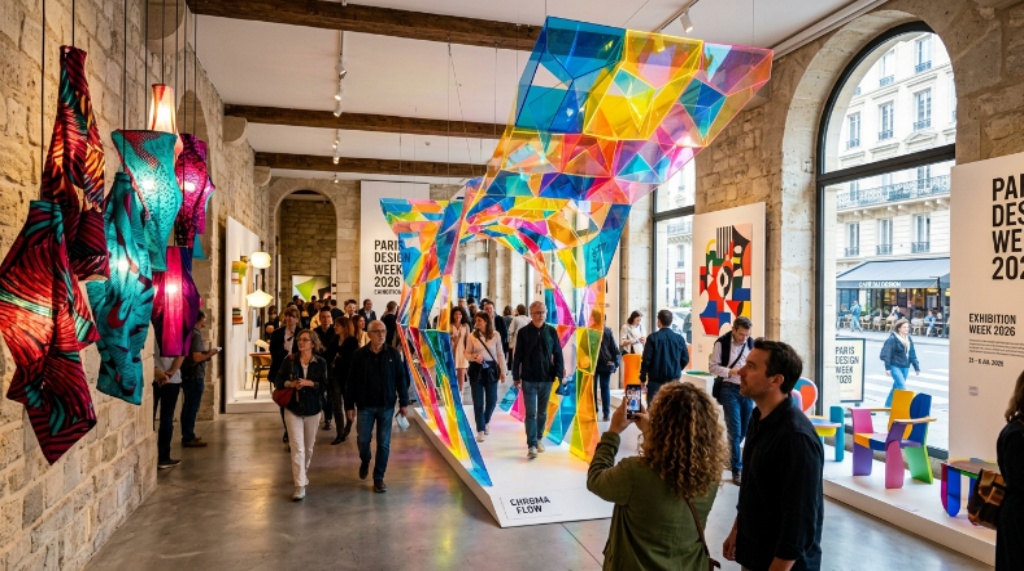
Paris has always been a city that breathes creativity. Every September, it takes that energy to a whole new level. Paris Design Week 2026 runs from 10 to 19 September, turning the entire city into a living, breathing design showcase. Galleries, studios, showrooms, and even unexpected street corners become stages for some of the world’s most exciting creative work.
Whether you are a seasoned design professional or simply someone who loves beautiful things, this event has something for you. This guide breaks down everything you need to know — from the key themes and top venues to practical tips for making the most of your visit.
What Is Paris Design Week and Why Does It Matter?
Paris Design Week (PDW) is one of the most important design events in the world. It was established in 2011 and has grown steadily ever since. Today, it attracts designers, architects, decorators, buyers, and curious visitors from across the globe. The event runs in tandem with the Maison & Objet trade fair, which takes place at the Villepinte exhibition centre just outside the city.
Together, these two events form a powerful combination. Maison & Objet draws industry professionals looking to source products and spot trends. Paris Design Week, however, opens the experience to everyone. It spreads across the city’s galleries, schools, workshops, and public spaces, making design accessible and participatory.
The 2026 edition continues this tradition with a programme built around openness, emerging talent, and a dialogue between heritage and the future.
The Central Theme: Pulse in Motion
Every edition of Paris Design Week carries a guiding theme. For 2026, that theme is “Pulse in Motion.” It captures the energy of a design world in flux — one where tradition meets innovation, and where the past actively informs the future.
Spanish creative duo Masquespacio has been appointed as the official ambassadors for this edition. They bring a bold, vibrant vision to both the trade fair and the city at large. Their two installations, displayed across multiple locations, reflect their 360-degree artistic approach. They also shaped the visual identity of the event, designing the poster for the autumn edition as a dual-perspective image.
Additionally, the broader conversation this year centres on objects as cultural artefacts — items that sit at the crossroads of hand, material, and daily life. Therefore, expect plenty of craft-focused exhibitions, tactile materials, and designs that feel deeply human.
Where to Go: Key Venues and Neighbourhoods
One of the most exciting things about Paris Design Week is that it does not confine itself to a single location. The whole city participates. However, certain neighbourhoods and venues consistently stand out.
The Marais District
The Marais is the historic heart of Paris Design Week. The 3rd arrondissement, in particular, comes alive with activity. This year, Paris Design Week Factory takes over the area, using Espace Commines and Galeries Joseph as its main exhibition spaces. These venues showcase emerging designers who have been working for fewer than five years, giving visitors direct access to tomorrow’s creative voices.
The Marais is also home to many independent galleries and design showrooms that throw open their doors during the week. Walking through its cobblestone streets, you will stumble across installations, pop-up shops, and immersive displays around every corner.
The 7th Arrondissement
Just across the Seine, the 7th arrondissement offers a quieter but equally rewarding experience. The Bourdelle Museum is among the cultural landmarks that participate this year. Designer Anthony Guerrée has created a sensitive installation within its walls, bringing contemporary design into dialogue with classical sculpture. It is a powerful combination that feels entirely at home in this elegant neighbourhood.
Paris Déco Off Showrooms
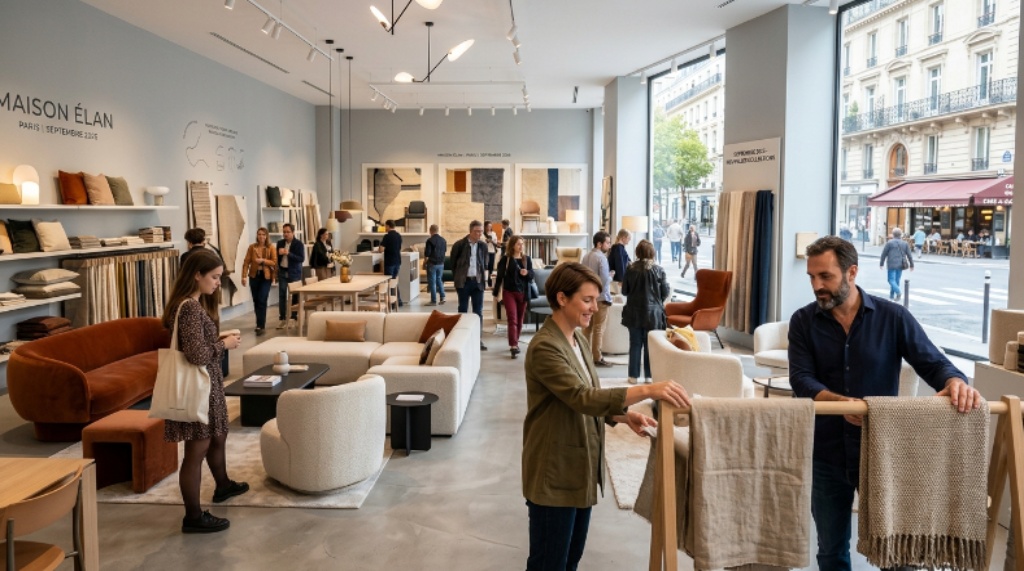
Paris Déco Off runs alongside Paris Design Week and focuses heavily on textiles, fabrics, and interior finishing materials. Showrooms throughout the city open exclusively or with extended hours during the event. Lelièvre Paris, for example, staged three new collections at La Pagoda, a historic Parisian landmark. Their presentations ranged from travel-inspired textile explorations to bold, opulent patterns drawn from French heritage.
What to See: Standout Exhibitions and Collections
With hundreds of events across the city, choosing what to see can feel overwhelming. Here are some of the highlights worth planning your visit around.
Rubelli’s “Luce” Collection
Italian textile house Rubelli presented its 2026 collection, titled “Luce,” meaning light. The collection takes direct inspiration from the behaviour of light and how it interacts with shape and surface. It is a masterclass in subtle, considered design and a must-see for anyone interested in fabric and interiors.
L’Objet’s “Grand Tour” Collection
L’Objet drew on the tradition of the Grand Tour — the classical journey across Europe taken by young aristocrats to broaden their cultural horizons. Their collection translates this concept into contemporary decorative objects that feel both timeless and fresh.
Paris Design Week Factory: Four Thematic Exhibitions
The Factory showcase is divided into four distinct sections: Collectible, Publishing (Editions), Craft, and a Special Focus on China. Each section presents a different angle on emerging design practice. The Collectible section, in particular, is worth spending extra time in. It features one-of-a-kind and limited-edition pieces that blur the line between design and fine art.
What to Do: Events, Talks, and Experiences
Paris Design Week is not just about looking. It is about participating. The programme is rich with events designed to engage visitors of all backgrounds.
Guided Themed Walks
One of the most popular features of the event is its selection of themed walking routes. These curated walks guide visitors through the city’s design highlights, with maps and descriptions that make it easy to navigate from one exhibition to the next. The routes are organised by neighbourhood, theme, and format, so you can tailor your experience to your interests.
Conferences and Keynotes
Maison & Objet, running from 10 to 14 September at Villepinte, hosts a strong programme of conferences and expert talks. Topics this year include sustainable design, new technologies in manufacturing, and the evolving relationship between craft and industry. These sessions are aimed primarily at professionals, but many are open to the general public.
Design District at Maison & Objet
Inside the Villepinte fair, the Design District stands out as a show within a show. Driven by the artistic direction of the Hall Haus collective, it functions as an incubator of creative energy. It spotlights designers who are actively shaping tomorrow’s visual and functional standards.
Emerging Talent Spotlights
A dedicated springboard programme at Maison & Objet highlights three companies under three years old. Selected by a panel of experts, these businesses are ready to bring genuinely innovative products to market. Seven young designers also receive nominations from a prestigious jury, giving them a platform to present their work to buyers and press.
Practical Tips for Visiting
Planning your visit in advance will make a significant difference to your experience. Here are some straightforward suggestions.
- Register for Maison & Objet early. The trade fair requires advance registration, and some sessions sell out.
- Download the official Paris Design Week map. It is updated with all participating venues and walking routes.
- Wear comfortable shoes. The event covers a large area of the city, and you will likely walk several kilometres each day.
- Visit showrooms early in the week. Many popular presentations see the biggest crowds on opening days, so later in the week can be quieter.
- Mix the trade fair with the city programme. The two complement each other well, and together they give a much fuller picture of the design world in 2026.
Paris Design Week and Sustainability
Sustainability has become an increasingly important theme across global design events. Paris Design Week 2026 reflects this shift. Many participating brands and designers are actively exploring eco-conscious materials, circular production methods, and designs built to last.
This is not simply a trend. It represents a genuine shift in the values of the design industry. Therefore, visitors will find exhibitions and talks that engage seriously with questions of environmental responsibility, material sourcing, and the long-term impact of the objects we make and buy.
Why Paris Is the Perfect Host
Paris is not just a beautiful backdrop. It is an active participant in the event. The city’s extraordinary density of museums, galleries, historic buildings, and design-forward businesses means that every neighbourhood has something to offer.
Additionally, Paris has a long tradition of supporting the decorative arts. From the grands magasins of the 19th century to today’s cutting-edge showrooms, the city has always understood that design is not a luxury — it is a way of life. This cultural attitude makes Paris Design Week feel organic and authentic in a way that few other design events can match.
Conclusion
Paris Design Week 2026 is a ten-day celebration of creativity, craft, and human ingenuity. Running from 10 to 19 September across the French capital, it brings together some of the world’s most exciting designers, brands, and emerging talents. The theme “Pulse in Motion,” led by ambassadors Masquespacio, frames this edition as a vibrant conversation between past influences and future possibilities.
Key venues include the Marais district, the Bourdelle Museum, and the Maison & Objet fair at Villepinte. Standout presentations range from Rubelli’s light-inspired textile collection to the emerging talent showcases of Paris Design Week Factory. Additionally, the event’s programme of themed walks, expert talks, and immersive installations ensures that there is something for every kind of visitor.
Whether you come as a professional buyer, a design enthusiast, or simply a curious traveller, Paris in September 2026 will offer an experience that is genuinely inspiring. The city is ready. The designs are extraordinary. All that remains is for you to explore.
Frequently Asked Questions
When does Paris Design Week 2026 take place?
Paris Design Week 2026 runs from 10 to 19 September 2026. The Maison & Objet trade fair, which runs alongside it, takes place from 10 to 14 September at the Villepinte exhibition centre.
Is Paris Design Week free to attend?
Many events within the city programme are free and open to the public, including exhibitions, installations, and showroom visits. The Maison & Objet trade fair, however, requires advance registration and is primarily aimed at industry professionals.
What is the theme of Paris Design Week 2026?
The theme is “Pulse in Motion.” It explores the energy and momentum of contemporary design, with a particular focus on the relationship between tradition and innovation. Spanish creative duo Masquespacio serves as the event’s official ambassadors.
Which neighbourhoods are best for Paris Design Week?
The Marais district, particularly the 3rd arrondissement, is one of the most active areas. The 7th arrondissement, Saint-Germain-des-Prés, and the showroom districts along the Rive Gauche are also well worth exploring.
How can I find the full programme and map?
The official programme and interactive map are available on the Paris Design Week website (maison-objet.com/en/paris-design-week). It is updated regularly in the lead-up to the event and includes all registered venues, walking routes, and event schedules.