
Plant oils play a major role in everyday cooking, wellness routines, and even home care in New York City. Studies show that over 70% of households in urban areas regularly use plant-based oils for cooking and skincare. At the same time, growing interest in natural products has increased curiosity about the effects of different oils, including the effects of citronella on human health. People now want safer, healthier, and more sustainable options in their daily lives. Therefore, understanding how these oils work is essential for making smarter choices. This guide explains their benefits, risks, and practical use in a busy city environment.
What Are Everyday Plant Oils?
Plant oils are natural extracts derived from seeds, fruits, or nuts, and they serve multiple purposes in daily life. Most people use them for cooking, but they also appear in skincare, aromatherapy, and cleaning products. In New York City, where fast-paced living meets health-conscious trends, plant oils are especially popular. These oils contain fatty acids, vitamins, and antioxidants that support overall well-being. However, not all oils offer the same benefits, so choosing wisely matters. Understanding their composition helps you use them more effectively.
Common Types of Plant Oils
Many plant oils are commonly found in NYC kitchens and stores, each serving different purposes. Olive oil, for example, is widely used for salads and light cooking due to its heart-friendly fats. Coconut oil, on the other hand, is popular for both cooking and skincare routines. Sunflower oil is often chosen for frying because of its neutral taste and high smoke point. Additionally, avocado oil has gained attention for its rich nutrient profile and versatility. These oils differ in taste, nutrition, and usage, making it important to match them with your needs.
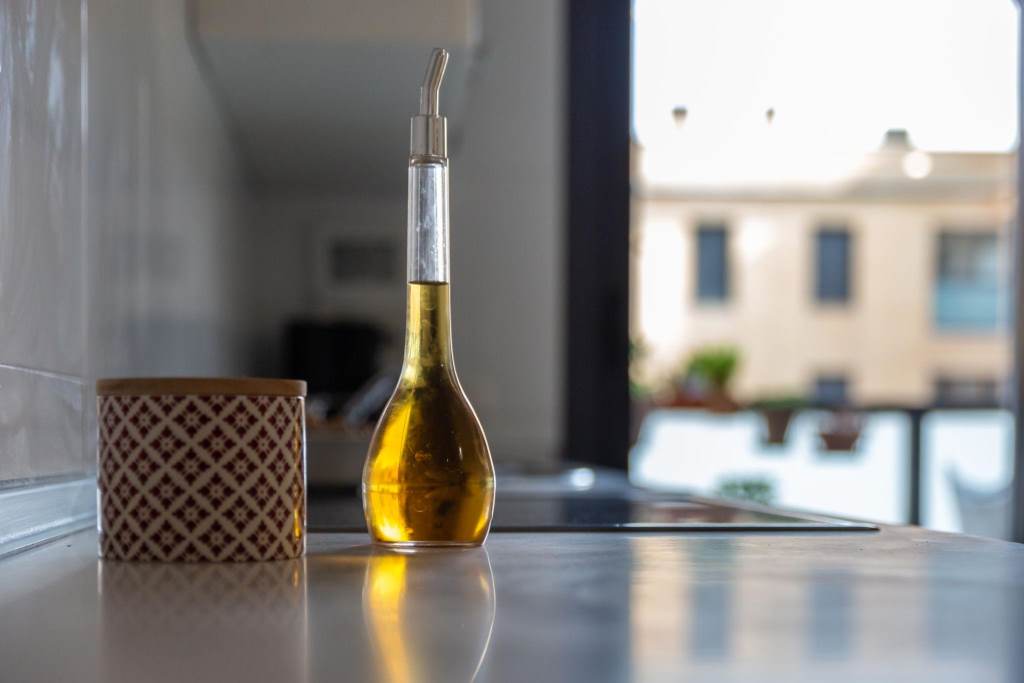
Health Benefits of Plant Oils
Plant oils offer a range of health benefits when used correctly and in moderation. Many contain unsaturated fats, which support heart health and reduce bad cholesterol levels. Additionally, antioxidants found in oils like olive and avocado help protect cells from damage. In a city like New York, where stress levels can be high, these benefits become even more valuable. Moreover, certain oils improve skin hydration and elasticity when applied externally. However, balance is key, as overuse can lead to unwanted health effects.
Nutritional Advantages
The nutritional value of plant oils depends on their fatty acid composition and processing method. Cold-pressed oils usually retain more nutrients compared to refined ones. For example, extra virgin olive oil contains polyphenols that support cardiovascular health. Meanwhile, flaxseed oil provides omega-3 fatty acids that benefit brain function. Including a mix of oils in your diet can create a more balanced nutrient intake. Therefore, rotating oils instead of relying on just one is a smart approach.
Skin and Hair Benefits
Plant oils are widely used in skincare and haircare routines across NYC. Many oils act as natural moisturizers, helping to lock in hydration without harsh chemicals. Coconut oil, for instance, nourishes dry hair and reduces breakage. Similarly, argan oil improves skin texture and adds a healthy glow. People living in colder climates like New York benefit from these oils during winter months. As a result, plant oils provide a simple and effective way to maintain personal care.
Risks and Considerations
While plant oils offer many benefits, they also come with certain risks if misused. Some oils are high in calories, so excessive consumption may lead to weight gain. Additionally, heating oils beyond their smoke point can produce harmful compounds. In busy NYC kitchens, this often happens when people cook quickly at high temperatures. Allergic reactions may also occur, especially with less common oils. Therefore, understanding proper usage is essential for safety.
Environmental Factors in NYC
New York City’s climate and lifestyle influence how plant oils are used and stored. Seasonal temperature changes can affect oil stability and shelf life. For example, oils may solidify in winter or degrade faster in summer heat. Urban pollution can also impact how oils are stored, especially if containers are not sealed properly. Therefore, keeping oils in cool, dark places helps maintain their quality. Small adjustments like these can extend shelf life and preserve health benefits.
How to Choose the Right Plant Oil
Selecting the right plant oil depends on your lifestyle, cooking habits, and health goals. For high-heat cooking, oils with high smoke points like avocado or sunflower oil are ideal. Meanwhile, olive oil works best for low-heat cooking or dressings. Reading labels carefully helps you avoid overly processed or low-quality products. In NYC, local markets and specialty stores often offer organic and cold-pressed options. Choosing quality over quantity makes a noticeable difference in both taste and health.
Practical Buying Tips
When shopping for plant oils, consider these simple guidelines:
- Check for cold-pressed or extra virgin labels
- Avoid oils with artificial additives
- Choose dark glass bottles to protect from light
- Look for recent production dates
- Store oils properly after purchase
These steps help ensure you get the most benefit from your purchase. Additionally, buying smaller quantities prevents oils from going stale. This approach suits urban living where storage space is limited.
Everyday Uses in NYC Lifestyle
Plant oils fit seamlessly into daily routines in New York City. People use them in cooking, skincare, and even home cleaning solutions. For instance, olive oil enhances salads and quick meals, which are common in busy schedules. Meanwhile, essential oils like citronella are used for pest control in apartments. Urban residents often prefer natural solutions due to increasing awareness of chemical exposure. Therefore, plant oils serve both practical and health-conscious purposes.
Cooking in Small Spaces
Cooking in NYC apartments often means limited space and time. Plant oils provide quick and efficient ways to prepare healthy meals. For example, a small amount of oil can transform simple vegetables into flavorful dishes. Additionally, oils help retain nutrients during cooking when used correctly. Choosing multipurpose oils reduces clutter in small kitchens. As a result, plant oils support both convenience and nutrition.
Sustainable Use of Plant Oils
Sustainability is an important factor when choosing plant oils in a city like New York. Many consumers now prefer ethically sourced and environmentally friendly products. Supporting brands that use sustainable farming practices helps reduce environmental impact. Additionally, reducing waste by reusing containers or buying in bulk can make a difference. Small changes in consumption habits contribute to a healthier planet. Therefore, mindful use of plant oils aligns with broader sustainability goals.
Conclusion
Understanding everyday plant oils helps you make smarter choices for your health and lifestyle in New York City. These oils offer numerous benefits, from improving heart health to enhancing skincare routines. However, proper usage and selection are essential to avoid potential risks. By choosing high-quality oils and using them correctly, you can maximize their advantages. Start reviewing the oils you currently use and make small improvements where needed. Take action today to create a healthier, more balanced routine with plant oils.
FAQs
What is the healthiest plant oil for cooking?
Olive oil is one of the healthiest options due to its heart-friendly fats and antioxidants.
Can plant oils be used daily?
Yes, but moderation is important to avoid excess calorie intake.
How should plant oils be stored?
Store them in a cool, dark place to maintain quality and prevent spoilage.
Are all plant oils safe for high heat cooking?
No, only oils with high smoke points like avocado or sunflower oil are suitable.
Do plant oils expire?
Yes, most oils have a shelf life and should be used before they go rancid.
ALT Text Suggestions:
- Variety of plant oils in glass bottles arranged on a modern kitchen counter with sunlight
- Close-up of olive oil being poured over fresh salad in a New York apartment kitchen
- Natural skincare routine using plant oils with dropper bottle and glowing skin
- Assorted cooking oils displayed neatly in a small urban kitchen setting