Urban gardening continues to grow in popularity across Tampa, FL, as homeowners look for simple ways to create colorful outdoor spaces. According to the National Gardening Association, millions of households participate in home gardening every year, while Florida remains one of the most active gardening states due to its long growing season. Many gardeners assume that adding more fertilizer automatically produces bigger blooms. However, experienced growers know that healthy flower beds depend on balance rather than excess nutrients. In fact, using granular plant food for flower beds correctly can support growth, but successful Tampa gardens thrive when gardeners focus on soil health, moisture control, and smart plant care.
Understanding Tampa’s Unique Growing Conditions
Tampa offers a warm, humid climate that supports year-round gardening opportunities. However, these same conditions can create challenges for flower beds. Heavy summer rains often wash nutrients away before plants can absorb them. As a result, gardeners who overfeed plants frequently waste fertilizer while increasing plant stress.
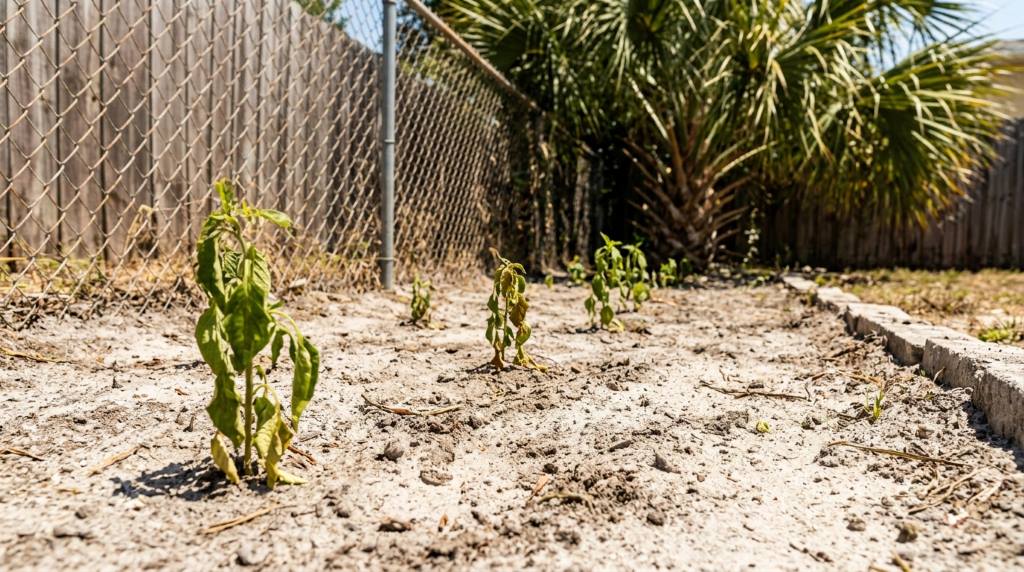
Sandy soils dominate many residential landscapes throughout the Tampa area. These soils drain quickly and struggle to retain nutrients for long periods. Therefore, flowers often benefit more from improved soil structure than from additional fertilizer. Healthy soil creates a stronger foundation for lasting growth.
Local temperatures also influence how flowers use nutrients. During intense summer heat, plants focus on survival rather than rapid blooming. Consequently, excessive feeding may encourage weak growth instead of healthy flowers. Smart gardeners adjust their care methods to match seasonal conditions.
Why Overfeeding Hurts Flower Beds
Many gardeners believe fertilizer solves every growth problem. Unfortunately, too much fertilizer can damage roots and reduce flowering performance. Excess nitrogen often encourages leafy growth while limiting bloom production. Flowers may look green but produce fewer blossoms.
Overfeeding can also increase disease vulnerability. Soft growth attracts pests and struggles to withstand Tampa’s humidity. Furthermore, excess nutrients may accumulate in the soil over time. This imbalance creates long-term problems that become difficult to correct.
Runoff represents another concern in urban environments. Heavy rainfall can carry unused fertilizer into nearby waterways. Therefore, reducing unnecessary feeding supports both plant health and environmental responsibility. Sustainable gardening practices benefit the entire community.
Building Better Soil Instead of Adding More Fertilizer
Focus on Organic Matter
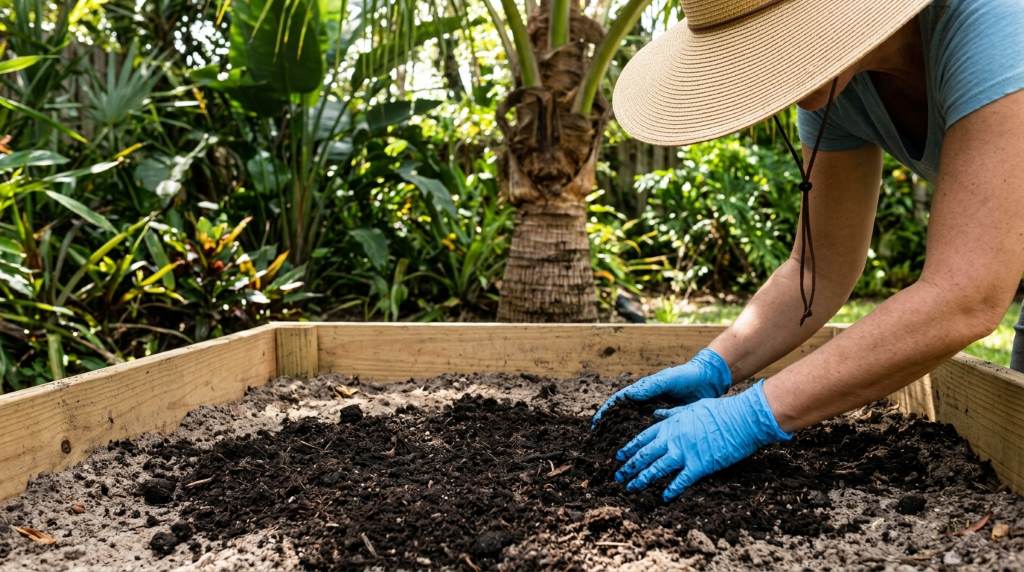
One of the most effective ways to improve flower bed growth involves increasing organic matter. Compost enhances moisture retention while improving nutrient availability. Additionally, beneficial microbes flourish in compost-rich soil. These organisms help plants access nutrients naturally.
Many Tampa gardeners create homemade compost using kitchen scraps and yard waste. This approach reduces household waste while producing valuable soil amendments. Moreover, compost releases nutrients gradually rather than overwhelming plants. The result is steady, balanced growth throughout the season.
Use Mulch Strategically
Mulch provides several benefits beyond weed suppression. It helps regulate soil temperature and reduces moisture loss. Consequently, plants experience less stress during hot weather. Healthy roots often lead to stronger flowering performance.
Organic mulch materials slowly break down and enrich the soil. Pine bark, shredded leaves, and wood chips work particularly well in Florida landscapes. As these materials decompose, they contribute valuable nutrients naturally. This process reduces dependence on frequent fertilizer applications.
The Power of Deep Watering
Many flower bed problems result from improper watering rather than nutrient deficiencies. Frequent shallow watering encourages weak root systems. In contrast, deep watering promotes stronger root development. Plants with deeper roots access more nutrients naturally.
Tampa’s rainfall patterns often create confusion among gardeners. A heavy storm may seem sufficient, yet moisture sometimes fails to penetrate deeply. Therefore, checking soil moisture remains essential. Consistent watering habits support healthier flowers without additional feeding.
Early morning irrigation provides the best results in most situations. Leaves dry quickly after sunrise, reducing disease risks. Additionally, less water evaporates during cooler morning temperatures. Efficient watering improves overall plant performance significantly.
Choosing Flowers That Thrive Naturally in Tampa
Plant selection plays a major role in reducing fertilizer needs. Native and adapted flowers typically perform better in local conditions. These plants have evolved to handle Florida’s climate challenges. As a result, they require less intervention from gardeners.
- Coreopsis
- Gaillardia
- Salvia
- Pentas
- Blanket flower
- Firebush
These species often produce impressive blooms with minimal fertilization. Furthermore, they tolerate heat and humidity better than many imported varieties. Smart plant choices reduce maintenance while increasing garden success. Gardeners save both time and resources.
The Hidden Role of Soil Biology
An often overlooked factor in flower bed growth involves the microscopic life beneath the soil surface. Beneficial bacteria and fungi form partnerships with plant roots. These organisms help flowers absorb nutrients more efficiently. Therefore, healthy soil biology reduces the need for extra fertilizer.
Many gardeners unknowingly disrupt these natural systems through excessive feeding. High fertilizer levels can reduce microbial activity over time. Instead, supporting soil life encourages self-sustaining growth cycles. This approach creates stronger plants and healthier flower beds.
Adding compost, leaf mold, and organic mulches encourages microbial diversity. These materials serve as food sources for beneficial organisms. Consequently, nutrients become more available in a natural and balanced manner. Plants receive steady nourishment without nutrient overload.
Using Pruning to Stimulate Growth
Strategic pruning often produces better results than additional fertilizer. Removing spent blooms encourages many flowering plants to generate new blossoms. This technique directs energy toward flower production rather than seed formation. Gardeners often notice longer blooming periods after regular deadheading.
Quality tools make maintenance easier and more effective. Many gardeners rely on best garden shears durable options to make clean cuts that promote faster recovery. Healthy pruning practices reduce plant stress while improving appearance. Consistent care supports stronger flower bed performance.
Timing also matters when pruning flowering plants. Light maintenance throughout the season typically works better than aggressive cutting. Furthermore, regular inspections help identify potential issues early. Healthy plants require fewer corrective measures later.
Community Knowledge as a Gardening Advantage
Urban gardeners often overlook one of the most valuable resources available to them. Local gardening communities provide practical advice based on real experience. Neighbors frequently understand Tampa’s growing conditions better than generic gardening guides. Shared knowledge can prevent costly mistakes.
Many residents participate in local gardening projects and workshops. Learning from successful growers often reveals simple solutions to common challenges. Those interested in collaborative growing spaces can explore ideas from start a community garden initiatives. Community involvement often accelerates gardening success.
An Uncommon Strategy: Monitoring Flower Color Intensity
Most gardening articles focus on fertilizer schedules and watering routines. However, experienced flower growers sometimes monitor bloom color intensity as a health indicator. Changes in flower coloration can reveal nutrient imbalances before visible damage appears. This technique provides an early warning system.
For example, flowers may display slightly faded colors when soil conditions become less favorable. Gardeners can then investigate moisture levels, soil health, or root conditions before adding fertilizer. This proactive approach prevents unnecessary feeding. It also encourages more precise problem-solving.
Tracking bloom color throughout the season creates valuable gardening records. Over time, patterns emerge that reveal how plants respond to weather conditions. Consequently, gardeners make more informed decisions. This uncommon method often leads to healthier flower beds.
Container Influence on Nearby Flower Beds
Urban landscapes frequently combine flower beds with decorative containers. Interestingly, container maintenance practices can affect nearby planting areas. Excess fertilizer from pots may leach into surrounding soil during heavy rains. Therefore, gardeners should monitor nutrient movement carefully.
Proper soil selection in containers helps reduce this issue. Many growers use guidance similar to recommendations found in best indoor potting blend resources when choosing growing media. Quality potting mixes retain nutrients more effectively. Better retention reduces runoff and waste.
Separating fertilization schedules for containers and flower beds also improves control. Different growing environments require different nutrient strategies. Consequently, plants receive appropriate care without excessive feeding. Balanced management supports healthier landscapes overall.
Seasonal Nutrient Management for Tampa Gardens
Spring represents the most active growth period for many flowering plants. Moderate fertilization during this stage can support healthy development. However, gardeners should always follow product recommendations carefully. More fertilizer rarely produces better results.
Summer requires a different approach due to heat and humidity. Plants often benefit more from moisture management than additional nutrients. Therefore, gardeners should focus on watering consistency and mulching. Stress reduction becomes the primary goal.
Fall offers opportunities to rebuild soil health naturally. Compost applications and organic amendments prepare flower beds for future growth. Additionally, cooler temperatures support microbial activity. Healthy soil enters the next growing season with improved fertility.
Simple Signs Your Flower Beds Need Less Fertilizer
- Rapid leafy growth with few blooms
- Weak stems that bend easily
- Frequent pest problems
- Excessive green growth after feeding
- White fertilizer residue on soil surfaces
- Poor flowering despite regular fertilization
Recognizing these signs allows gardeners to adjust practices quickly. Instead of adding more nutrients, they can address underlying issues. Soil health, watering, and plant selection often provide better solutions. Sustainable improvements deliver longer-lasting results.
Conclusion
Urban gardeners in Tampa, FL can achieve thriving flower beds without relying on excessive fertilizer applications. Strong soil structure, proper watering, smart plant selection, and healthy microbial activity create a foundation for lasting success. Additionally, techniques such as mulching, strategic pruning, and monitoring bloom color help gardeners respond to plant needs more accurately. By focusing on balance instead of overfeeding, flower beds produce healthier growth and more vibrant blooms. Start applying these practical strategies today and enjoy a more productive, sustainable, and beautiful garden throughout the year.
FAQs
How often should I fertilize flower beds in Tampa?
Most flower beds only need moderate fertilization a few times during the active growing season.
Does mulch reduce fertilizer needs?
Yes, mulch improves soil conditions and helps retain nutrients naturally.
What flowers grow well with minimal feeding in Tampa?
Coreopsis, pentas, salvia, and blanket flowers often perform well with limited fertilization.
Can too much fertilizer reduce blooming?
Yes, excessive fertilizer can encourage leafy growth while decreasing flower production.
Why is compost important for flower beds?
Compost improves soil structure, supports beneficial microbes, and provides slow-release nutrients.