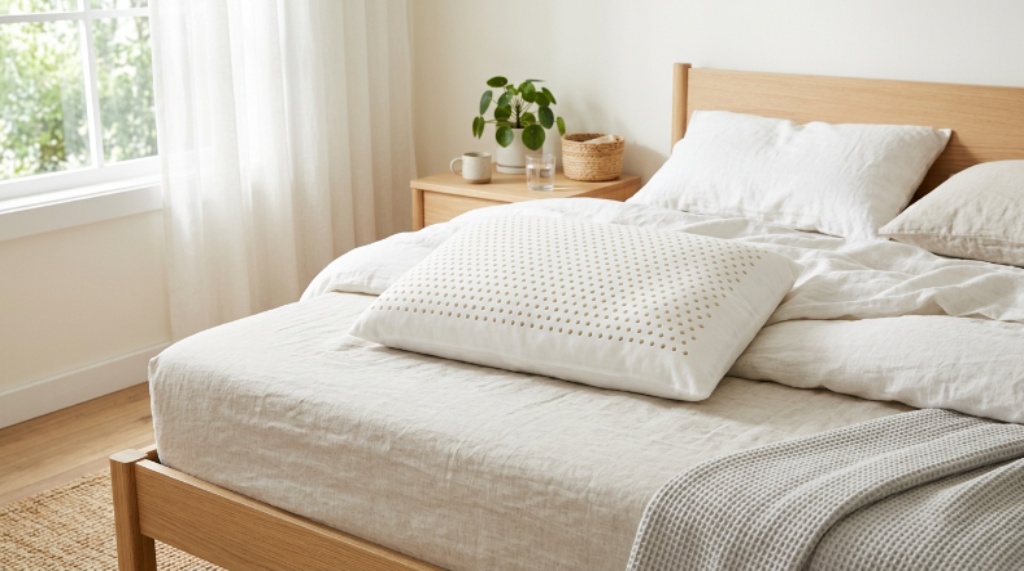
Waking up in the middle of the night drenched in sweat is exhausting. It disrupts your sleep cycle, leaves you feeling restless, and makes the next day harder than it needs to be. If this sounds familiar, your pillow might be part of the problem. Many standard pillows trap heat and hold moisture close to your head and neck. Fortunately, the right pillow can change that completely.
Latex pillows have become one of the most recommended solutions for people who sleep hot. They are naturally breathable, supportive, and durable. However, not every latex pillow performs the same way. This guide will help you understand what to look for, what to avoid, and how to make a smart choice that leads to cooler, more restful nights.
Why Hot Sleepers Need a Different Kind of Pillow
Not everyone sleeps the same way. Some people stay cool through the night without any trouble. Others, however, generate more body heat or sweat more during sleep. This can be caused by hormonal changes, certain medications, a warm bedroom, or simply individual body chemistry.
Standard memory foam pillows are popular, but they are notorious for retaining heat. They conform closely to the head, which limits airflow and creates a warm pocket around the face and neck. Polyester-filled pillows have a similar problem. They may feel soft at first, but they quickly become warm and uncomfortable.
A pillow designed for hot sleepers solves this problem at the material level. It allows air to circulate freely, wicks away moisture, and maintains a neutral temperature throughout the night. Latex is one of the best materials for achieving all three of those goals at once.
What Makes Latex a Smart Choice for Cooling
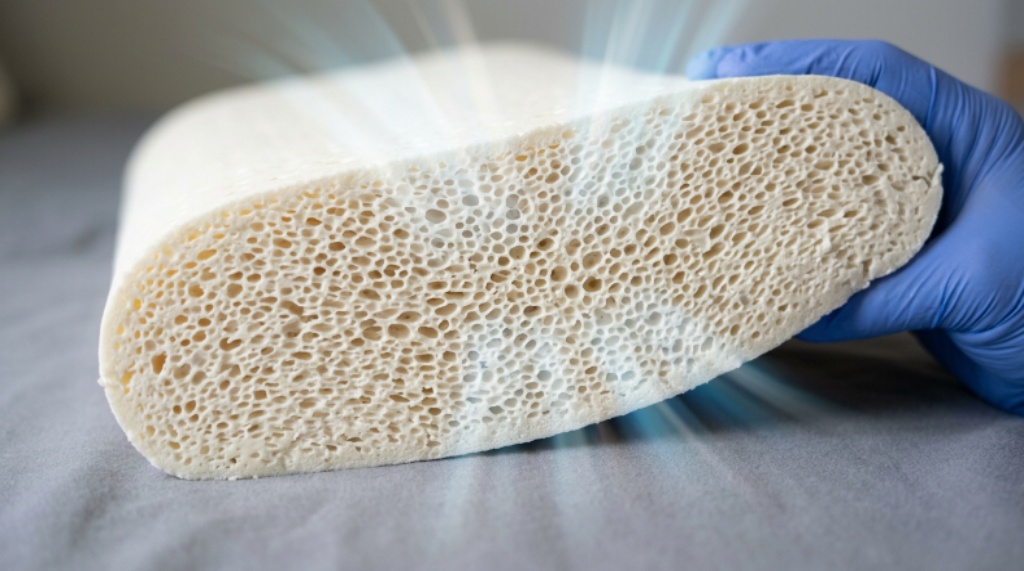
Latex comes from the sap of rubber trees. It has a naturally open-cell structure, which means air can pass through it easily. This is a significant advantage over memory foam, which has a closed-cell structure that blocks airflow.
There are two main types of latex used in pillows. Dunlop latex is denser and heavier. It offers firm support and is slightly less breathable than the second type. Talalay latex is processed differently, which creates a more consistent and airy structure. As a result, Talalay latex tends to sleep cooler and feel softer while still providing good support.
Both types are durable. However, if staying cool is your main priority, Talalay latex is generally the better option. Additionally, natural latex is free from many of the synthetic chemicals found in foam pillows, which makes it a healthier choice for your sleep environment overall.
Key Features to Look for in a Cooling Latex Pillow
Shopping for a latex pillow can feel overwhelming. There are dozens of options at different price points, and the marketing language can be confusing. Therefore, it helps to focus on a specific set of features rather than brand names alone.
Here are the most important things to check before buying:
- Latex type: Look for Talalay latex if breathability is your top concern. Natural latex is preferable over synthetic blends for both performance and health reasons.
- Pillow cover fabric: The cover matters as much as the fill. Look for covers made from organic cotton, bamboo-derived fabric, or Tencel. These materials are soft, moisture-wicking, and breathable by nature.
- Ventilation holes or channels: Many latex pillows are designed with pin-core ventilation holes throughout the material. These holes increase airflow significantly and help regulate temperature even more effectively.
- Loft and firmness: Hot sleepers come in all shapes and sleeping positions. Side sleepers usually need a higher loft for neck support, while stomach sleepers need something flatter. Choose the loft that suits your sleep position rather than defaulting to the most popular option.
- Certifications: Look for certifications such as GOLS (Global Organic Latex Standard) or OEKO-TEX. These labels confirm that the latex has been tested for harmful substances and meets safety standards.
The Role of Breathable Bedding in Temperature Regulation
A great pillow works best when it is paired with the right bedding. Breathable bedding plays a major role in how cool you sleep at night. Even the best latex pillow will feel warmer if it is surrounded by heavy, synthetic sheets that trap heat.
Cotton sheets with a percale weave are a reliable choice. They are crisp, lightweight, and allow air to pass through easily. Bamboo sheets are another excellent option. They are naturally temperature-regulating and soft to the touch. Linen sheets are slightly rougher in texture but offer outstanding breathability, especially in warm climates.
Additionally, your pillowcase fabric deserves attention. A cooling pillowcase made from bamboo or Tencel will complement your latex pillow and help maintain a comfortable surface temperature. Therefore, think of your sleep setup as a system. Each piece works together to either support or undermine your goal of sleeping cooler.
Cooling Sleep Products That Work Well Alongside a Latex Pillow
A latex pillow is a strong foundation, but there are other cooling sleep products worth considering if you struggle with heat regularly. These products address different sources of nighttime warmth and can make a meaningful difference when used together.
Cooling mattress toppers add a breathable layer between you and your mattress. Many are made from gel-infused foam or ventilated latex, both of which help reduce heat buildup from below. A mattress that sleeps hot can undermine even the best pillow, so addressing it makes sense.
Cooling comforters and duvets filled with natural materials like eucalyptus fiber or down alternative are also worth exploring. They provide warmth in cooler seasons without trapping heat the way synthetic fillings do.
Finally, a bedroom fan or a dedicated air cooling unit can support all of your other efforts. Airflow in the room reduces the ambient temperature and helps moisture evaporate from your skin and bedding faster. However, these tools are supplements, not replacements, for choosing the right pillow and bedding materials.
How to Test and Care for Your Latex Pillow
Once you choose a latex pillow, knowing how to care for it properly extends its life and keeps it performing well. Most latex pillows should not be machine washed. The water and agitation can damage the structure of the latex and reduce its supportive qualities.
Instead, spot clean the pillow with a mild soap and a damp cloth if needed. Remove and wash the pillowcase regularly, ideally once a week, to keep the sleep surface clean and fresh. Air out the pillow occasionally by placing it in a well-ventilated area or near an open window.
When testing a new latex pillow, give it at least two to three weeks before making a final judgment. Your body needs time to adjust to a new sleep surface, and the pillow itself may need a short break-in period before it reaches its ideal feel and performance level.
Conclusion
Finding the right pillow for hot sleepers takes a little research, but the payoff is worth it. Latex pillows, particularly those made with Talalay latex and ventilation channels, offer a natural and effective way to sleep cooler. When paired with breathable bedding and thoughtful choices about your overall sleep environment, the difference can be dramatic.
Focus on latex type, cover fabric, loft, and certifications when shopping. Avoid synthetic materials that trap heat. Consider adding other cooling sleep products to support your pillow choice. Take care of your pillow properly, and it will serve you well for years. Better sleep is not just about comfort. It affects your mood, your focus, and your health. Therefore, investing in the right pillow is one of the most practical decisions you can make for your overall well-being.
Frequently Asked Questions
Are latex pillows really cooler than memory foam pillows?
Yes, in most cases they are. Latex has an open-cell structure that allows air to move freely through the material. Memory foam, by contrast, tends to hold heat because of its dense, closed-cell construction. This makes latex a better option for people who sleep hot.
What is the difference between Dunlop and Talalay latex for sleeping cool?
Talalay latex is generally cooler than Dunlop latex. The Talalay process creates a lighter, more consistent structure with better airflow. Dunlop latex is denser and more supportive but slightly less breathable. If staying cool is your main goal, Talalay is the smarter choice.
How long does a latex pillow typically last?
A high-quality latex pillow can last between three and five years with proper care. Natural latex tends to be more durable than synthetic or blended options. Keeping the pillow clean, dry, and well-aired helps extend its lifespan.
Can I use a regular pillowcase with a latex pillow?
You can, but a cooling pillowcase made from bamboo, Tencel, or organic cotton will perform much better. These materials complement the breathability of the latex and help maintain a cooler sleep surface throughout the night.
Is latex safe for people with latex allergies?
This is an important consideration. People with a known latex allergy should consult a doctor before using a latex pillow. Some individuals with mild sensitivities tolerate natural latex well, while others may need to avoid it entirely. Always check the product specifications and look for allergy-safe certifications when in doubt.