Waking up with a sore neck, stuffy nose, or nagging back pain can ruin your entire day. You’ve likely heard that an adjustable wedge pillow might be the solution, but a quick search reveals dozens of brands, each claiming to be the “best.” The problem is that comparing them online feels overwhelming—specifications blur, marketing jargon gets in the way, and it’s hard to know which features actually matter for your specific sleep position. This article cuts through the noise. Here, you’ll learn a clear, step-by-step method to compare adjustable wedge pillow brands like a pro, ensuring your next purchase is based on facts, not flashy ads.
What Makes an Adjustable Wedge Pillow Different from a Standard One?
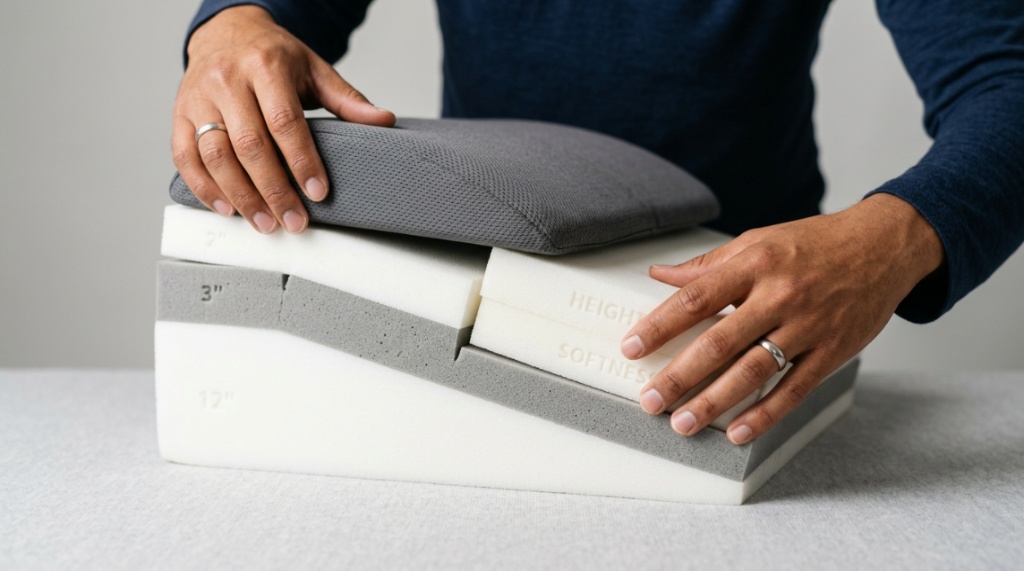
An adjustable wedge pillow is a multi-layered foam incline that allows you to modify the height and firmness. Unlike a fixed wedge, which is a single solid block, an adjustable version typically comes with stacked layers or an inflatable insert. This flexibility means you can fine-tune the angle for different activities, such as reading, sleeping, or managing acid reflux.
The Core Mechanism: Layers vs. Inflation
Most adjustable wedges use layered high-density foam. You simply add or remove a top layer to change the height. Others use an air pump to inflate a chamber inside the pillow. Foam layers offer a firmer, more stable base, while inflatable options allow for micro-adjustments but may require occasional top-ups during the night.
Why Adjustment Matters for Long-Term Comfort
Your body’s needs change. A height that works for you today might not work after a shoulder injury or during allergy season. An adjustable wedge lets you adapt the pillow without buying a new one, making it a smarter long-term investment. According to physical therapists, the ability to change incline is crucial for finding the neutral spine alignment that prevents stiffness.
Which Materials Should You Prioritize When Comparing Brands?

You should prioritize CertiPUR-US® certified foam, a breathable bamboo or cotton cover, and a firmness that supports your weight without sagging. The material dictates durability, heat retention, and overall safety. Avoid brands that are vague about their foam density or origin.
Firmness and Density: The Hidden Specs
Look for foam density between 1.8 and 2.5 pounds per cubic foot. Lower density feels mushy and breaks down quickly. Higher density provides support but can feel rock-hard. For a wedge, a medium-firm feel is ideal because it holds the incline while still contouring to your back. Read the fine print—if the brand doesn’t list density, consider it a red flag.
Cover Fabric and Zipper Quality
A removable, washable cover is non-negotiable. Check if the cover is made from a moisture-wicking fabric like bamboo viscose or a synthetic blend. Also, examine the zipper length. A zipper that only goes halfway across the cover makes it frustrating to remove and wash. High-end brands use YKK zippers that glide smoothly and resist breaking.
How Do You Test the Height and Angle Adjustments Remotely?
Since you can’t lie on the pillow in a store, you must decode the specifications. Look for the “low” and “high” heights. Measure the difference between them; a good adjustable wedge offers at least a 4-inch range (e.g., from 6 inches to 10 inches). Also, check the incline degree range, usually between 15° and 30°.
Understanding the Incline Degree vs. Height
Height is measured at the thickest end, but the angle depends on the length of the wedge. A long wedge (30 inches) with a 10-inch height will have a gentler slope than a short wedge (24 inches) with the same height. For sleeping, a longer wedge with a milder angle is generally more comfortable. Use this formula: Angle = atan(height / length). For most buyers, a 20–25 degree angle is the sweet spot for reflux and snoring.
How to Visualize the “Knee Bend” Zone
Look at product photos. A good wedge has a contoured cutout or a separate knee pillow. Without this, you may slide down during the night. The best online descriptions mention the “anti-slip base” or “non-skid backing.” If the brand provides a diagram showing a body in the correct position, that signals better design engineering.
Can Customer Reviews Reveal Durability Issues?
Yes, but you must read them strategically. Ignore 5-star reviews that are less than three words long. Focus on 3-star and 4-star reviews that mention usage after 6 months. Look for patterns: mentions of “sagging,” “flattened,” or “lost support” are red flags.
How to Spot Fake Reviews in the Wedge Niche
Check if the reviewer has purchased other items (look for the “Verified Purchase” tag). Also, be wary of reviews that use the exact same phrasing across different products. A genuine review will mention specific details like “the cover zipper got stuck” or “the foam had a strong smell for two days.” This specificity is more trustworthy than vague praise.
The “Weight Limit” Trap in Brand Descriptions
Many brands list a weight limit, but they rarely test for edge-sitting. If you sit on the edge of the wedge to put on socks, does it roll? Look for user photos showing the wedge on the floor versus on a bed. A mattress foundation must be solid; otherwise, the wedge will sink into the box spring, negating the incline.
What Is the Warranty and Trial Period? A Key Comparison Point
A valuable wedge brand stands behind its product. The industry standard for good brands is a 5-year warranty and at least a 30-night sleep trial. If a brand offers less, they are unsure of their product’s longevity. The trial period is your only real test, so use it fully.
Reading the Fine Print: Return Shipping Fees
Some brands advertise a “100% money-back guarantee,” but they deduct return shipping costs (which can be $20-$30) from your refund. Since wedge pillows are heavy and bulky, this fee is significant. Look for “free returns” or “no restocking fee” in the terms. A high-quality brand will offer prepaid return labels.
What the Warranty Covers: Body Impression Depth
Warranties often cover “body impressions” but define them distinctly. One brand might replace the pillow if it indents more than 1 inch, while another only covers a 2-inch indent. Use a ruler to measure your current pillow’s sag. That will give you a baseline to evaluate warranty claims.
How Does Cost Correlate with Quality in Adjustable Wedges?
Price is a reliable indicator of material quality up to a point. You generally find three tiers: budget (under $50), mid-range ($50–$100), and premium (over $100). The sweet spot for a sleeping wedge is usually the mid-to-premium range, where you get higher-density foam and better construction. When you compare adjustable wedge pillow brands, do not assume the most expensive is the best—but be suspicious of deals that seem too good to be true.
Justifying the Premium Price Tag
Premium brands often use open-cell foam that allows better airflow, significantly reducing night sweats. They also invest in reinforced stitching around the zipper and use a dual-layer design that prevents the top cushion from sliding off the base. These details add cost but improve the user experience drastically.
Where to Save Money Without Sacrificing Support
Consider buying a wedge without a specialized, separate knee pillow—you can use a regular throw pillow for your knees. Also, skip the fancy travel bags if you don’t need them. Focus on the foam specs and the dimensions. Often, the only difference between a $90 wedge and a $120 wedge is branding and a thicker cover.
When Should You Replace Your Current Wedge Pillow?
Replace your adjustable wedge pillow every 2–3 years, even if it looks fine. Foam degrades over time, losing its resilience and support. Signs of replacement include a persistent musty smell that doesn’t go away after airing out, visible yellowing of the foam, or noticing that you wake up with pain again.
Signs Your Wedge is No Longer Effective for Reflux
If you find yourself propping up extra pillows on top of the wedge to get relief, that’s a clear indicator the incline has collapsed. The foam cells compress permanently with use. A quick test: place a rolling pin across the middle of the wedge. If there’s a visible gap under the pin, the foam is too soft.
The Accumulation of Dust Mites and Allergens
Even with a cover, foam absorbs sweat and dead skin cells. Over time, this creates an environment for dust mites. If you have allergies and your symptoms worsen, it’s time to replace the pillow. Look for a washable cover and consider using a waterproof mattress protector underneath.
Can a Wedge Pillow Replace an Adjustable Bed?
Yes, for many people, a wedge pillow is a cost-effective alternative to a full adjustable bed. While a bed allows you to raise your upper body and your knees separately, a wedge pillow can provide a similar incline for a fraction of the price. However, a wedge doesn’t allow for mid-sleep adjustments without waking up.
Comfort Comparison: The “Slide” Feeling
With an adjustable bed, the mattress bends at the hips, maintaining contact with your back. With a wedge, there’s a void where the wedge meets the mattress. This causes you to slide down if the wedge is too steep or the friction is low. High-end brands add a memory foam topper to the wedge’s surface to mimic that bed-like contouring.
Does it Help with Snoring as Effectively?
Sleep specialists confirm that a 20-degree incline effectively reduces snoring by preventing the tongue from collapsing backward. An adjustable bed is easier to fine-tune, but a wedge provides a fixed, stable angle that some snorers prefer because it doesn’t change during the night. Choose a wedge if your primary goal is constant positioning, not dynamic movement.
Is There a Difference Between Wedges for Acid Reflux and Wedges for Sleep Apnea?
Yes, the design priorities differ. For acid reflux, the goal is keeping stomach acid down, which requires a higher incline (around 30 degrees) to use gravity effectively. For snoring and mild sleep apnea, a lower incline (15–20 degrees) is sufficient to open the airway without putting strain on your lower back.
Choosing the Right Incline for GERD Relief
Doctors recommend raising the head of your bed by 6 to 8 inches, which corresponds to a height of 8-10 inches on a wedge. Look for models that explicitly state “acid reflux” in the description. These often have a steeper angle and a longer base to prevent tipping. They also use firmer foam to prevent your hips from sinking, which can collapse the angle at your waist.
Why Snorers Should Choose a Longer Wedge
Snorers tend to sleep on their sides or move around. A shorter wedge restricts movement. Opt for a full-length wedge that extends down to your hips. This keeps your entire spine aligned, not just your head. Brands that offer a “bed bridge” or “gap filler” accessory are worth the extra cost for side sleepers who snore.
How Do You Clean and Maintain Your Wedge Pillow to Extend Its Life
Always remove the cover and wash it on a gentle cycle with cold water. Never submerge the foam core in water. Foam acts like a sponge; once saturated, it is nearly impossible to dry, leading to mildew. Spot clean the foam with a damp cloth and a mild detergent, then air dry completely.
Proper Drying Technique for the Foam Core
After spot cleaning, place the foam upright in a well-ventilated area away from direct sunlight. UV rays break down the foam’s cellular structure. Avoid using a hair dryer or heater, as high heat melts the memory foam. Let it air dry for 24-48 hours before putting the cover back on.
Rotating Your Wedge for Even Wear
Although it seems odd, you can rotate the wedge 180 degrees (so the tall end is at your feet) and use it under your knees for a few nights. This provides a different stretch and allows the foam at the head end to decompress and rebound. This simple trick can even out the compression zones, potentially extending the wedge’s lifespan by up to six months.
What Are the Top Red Flags When Comparing Brands Online?
The biggest red flags are “stock” photos that appear on multiple different brand websites, a lack of a physical address, and no scientific or medical citations for their claims. Also, be wary of brands that only have one product and no history. A reliable brand will also have a customer service phone number, not just an email form.
Vague Dimensions and Incomplete Specs
If a brand doesn’t list the exact length, width, and height for each layer, they are hiding something. A standard set of dimensions is not enough. You need to know the height of the base layer vs. the top layer. Without this, you cannot estimate if it will fit your specific bed frame or body height.
The “Miracle Cure” Marketing Claims
Trustworthy brands avoid claiming their pillow “cures” sleep apnea or acid reflux. Instead, they use phrasing like “may help relieve symptoms” or “assists in elevation.” Brands that claim to be a medical device without FDA clearance are not to be trusted. Stick to claims that are about comfort and support, not medical cures.
Which Type of Sleeper Benefits the Most from an Adjustable Wedge?
Back sleepers and side sleepers benefit the most. Stomach sleepers should avoid wedges, as the elevated angle strains the neck severely. The learning curve for back sleepers is minimal, while side sleepers need to pay attention to pillow loft to keep their neck aligned with the spine,While wedge pillows excel at upper body elevation and acid reflux relief, pairing the right sleep accessories—such as a contour pillow for improved sleep posture and neck support—can further enhance spinal alignment throughout the night.
Adjusting Your Regular Pillow on Top of a Wedge
For back sleepers, use a thinner pillow (3–4 inches) on top of the wedge to avoid flexing your neck forward. For side sleepers, use a thicker, firmer pillow to fill the gap between your ear and shoulder. The wedge raises your torso, so your main pillow’s job is only to support the head, not the shoulders.
How to Transition Gradually to a Wedge
Do not start with the highest incline on night one. Begin with the lowest setting for a few nights to let your body adapt. Some users experience mild lower back soreness initially because the spine is in a new position. Stretch your hamstrings and lower back before bed during the first week to ease the transition.
Frequently Asked Questions
Can I use an adjustable wedge pillow on top of my existing mattress?
Yes, you can place the wedge directly on top of your mattress. However, for the best results, place it between the mattress and the fitted sheet to keep it from sliding. A solid base is critical. If you have a plush pillow-top mattress, the wedge may sink slightly, reducing the effective incline.
Does an adjustable wedge pillow help with snoring or just sleep apnea?
A wedge helps with snoring and mild positional sleep apnea by keeping the airway open. It is not a treatment for central sleep apnea. If you have been diagnosed with obstructive sleep apnea and use a CPAP, a wedge can sometimes reduce the pressure needed, but you must consult your doctor before making any changes.
How many inches should the wedge be for acid reflux?
For acid reflux, aim for a 6 to 8-inch height at the head end. This corresponds to a 30-degree incline. If you use a multi-layer adjustable wedge, use all the layers to achieve this height. For GERD patients, a higher incline is critical to prevent silent aspiration during sleep.
Are expensive wedge pillows worth the extra cost?
Frequently, yes. Expensive wedges use higher-density foam (2 lb or more) which resists sagging. They also have stronger zippers and thicker covers. In contrast, budget wedges often begin flattening within three months. However, good mid-range brands offer most of the benefits at a 20% premium over budget options. compare adjustable wedge pillow brands to see which premium features justify the upgrade.
Can I wash the memory foam core of my wedge pillow?
No, do not put the foam core in a washing machine. The agitation will tear the foam structure. Only wash the cover. For the foam, spot clean with a mild diluted detergent. Rinse with a damp cloth and allow it to air dry thoroughly.
Will a wedge pillow break my mattress or make it sag?
No, a wedge spreads weight over a larger surface area than a regular pillow. It shouldn’t damage your mattress. However, extreme point pressure models with hard bases could leave temporary impressions on a soft latex mattress. Use a flat board under the wedge if you notice indentation.
How long will it take my body to adjust to sleeping on a wedge?
Most people adapt within 3 to 7 nights. The first night often feels strange as your back is stretched in the opposite direction. To minimize discomfort, start with a lower height (around 4 inches) and gradually increase it. If you have persistent pain after two weeks, reduce the incline or consult a physical therapist.
Are Cheap Wedge Pillows a Waste of Money?
Often, yes. A $30 wedge typically gets you a flimsy piece of foam that compresses to half its original height within a month. This renders the wedge useless for reflux or breathing issues. While you don’t need to buy the most expensive luxury option, you should set a budget baseline of at least $50 for a durable product.
The “Low Density” Problem in Budget Wedges
Budget brands use low-density foam (1.5 lb) that feels soft initially but loses its spring quickly. This foam also absorbs body heat and makes you sweat. A simple test: look for the foam weight in the spec sheet. If it weighs less than 3 lbs for the whole product, it’s likely low density.
Hidden Costs of Cheap Wedges: Rebuying Every Year
When you buy a cheap wedge, you’ll likely repurchase another in 12 months. This ends up costing more in the long run than buying a premium product that lasts for 3 years. Additionally, the poor sleep quality during that year has health costs we shouldn’t ignore.
Conclusion
Choosing the right adjustable wedge pillow doesn’t have to be a gamble. By focusing on three core factors—material density, adjustable range, and warranty—you can confidently filter out the marketing fluff. Remember that your comfort is tied to specific specs like the incline degree and foam firmness. Take the time to measure your bed and your preferred sleeping angle. Then, use the trial period to test the pillow for a full week. The goal is to wake up without back pain and breathe easily. Apply these insights to your next comparison, and you’ll find a wedge that supports you for years to come. Start your search today by listing the brands that meet the criteria we discussed.
Focus Keyphrase: compare adjustable wedge pillow brands
Meta Description: Discover how to compare adjustable wedge pillow brands by examining foam density, incline angles, warranties, and real customer reviews. Make a confident purchase today.