
Metal roofing trends refer to the evolving design styles, materials, technologies, and installation practices used in metal roofs for residential properties. These trends matter because modern homeowners are no longer choosing roofs only for protection. They want durability, energy efficiency, low maintenance, and visual appeal that matches contemporary architecture.
Over the last decade, residential metal roofing has shifted from being a niche option to a mainstream choice. According to industry data from the Metal Roofing Alliance, metal roofs now account for nearly 15% of the U.S. residential roofing market, compared to less than 5% in the early 2000s. This growth is driven by longer lifespan, rising energy costs, and changing design preferences.
Modern homes demand roofing systems that perform well in extreme weather, reduce cooling costs, and align with minimalist or architectural styles. Following metal roofing trends helps homeowners, builders, and designers make informed decisions that balance performance with aesthetics. It also ensures that the roof adds long-term value instead of becoming outdated within a few years.
If you are planning a new build or a roof upgrade, understanding current metal roofing trends is not optional anymore. It is part of building a future-ready home.
How can you follow metal roofing trends when planning a modern home?
How to follow metal roofing trends starts with understanding how modern architecture, climate needs, and roofing technology intersect. The first step is to study current residential design patterns. Flat roofs, clean lines, mixed materials, and neutral color palettes dominate modern homes today.
Metal roofing fits naturally into these designs because it offers flexibility in profile, color, and finish. Homeowners who successfully follow metal roofing trends usually work backward from the home’s architectural style. Instead of choosing a roof first, they align roofing decisions with the overall design language of the house.
Another practical step is reviewing recent residential projects in your region. Climate plays a major role in which metal roofing systems perform best. For example, standing seam roofs are trending in areas with heavy rainfall and snow because they minimize leak points. In hotter regions, reflective metal coatings are becoming standard.
Staying updated with manufacturer product releases, installer recommendations, and building code changes also helps. Trends are not just visual. Many are driven by performance data, energy regulations, and homeowner demand for lower lifetime costs.
Which metal roofing profiles are trending in modern residential design?
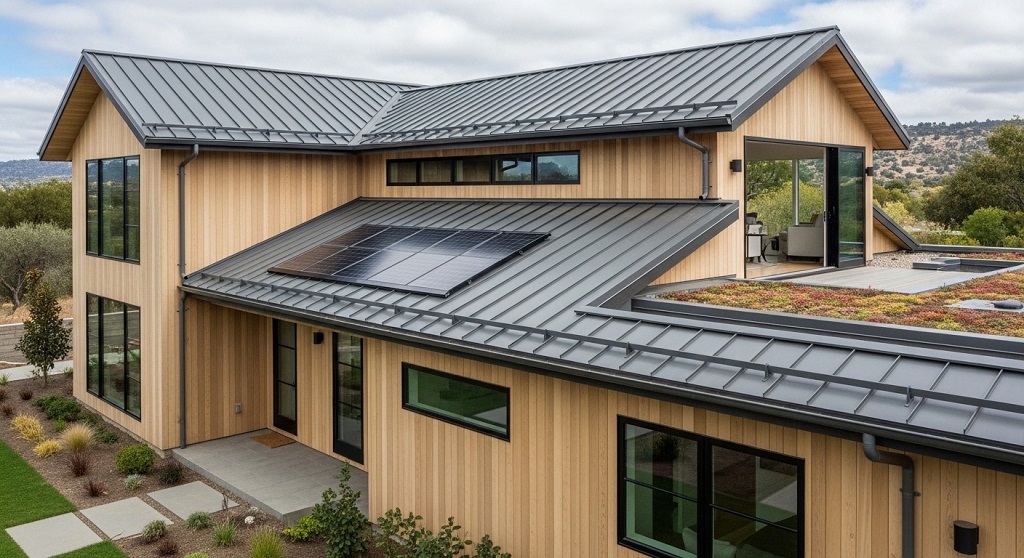
Standing seam metal roofing is currently the most dominant profile in modern homes. Its clean vertical lines match minimalist architecture and contemporary builds. The concealed fastener system also improves durability and weather resistance.
Corrugated metal panels, once associated with industrial buildings, are now trending in modern farmhouses and mixed-style homes. Designers use them strategically, often combining them with wood or stone siding to create contrast.
Metal shingles are also gaining traction among homeowners who want the benefits of metal without a visibly “metal” look. These shingles mimic slate, tile, or asphalt but last two to three times longer. Case studies from residential builders show that metal shingles can increase resale value by up to 6% compared to traditional asphalt roofs.
The trend is clear. Modern homes favor roofing profiles that are simple, functional, and visually aligned with the rest of the structure.
What color trends are shaping modern metal roofing choices?
Neutral and muted tones dominate current metal roofing trends. Matte black, charcoal gray, slate blue, and dark bronze are widely used in modern homes. These colors complement glass, concrete, and wood elements commonly found in contemporary architecture.
Unlike older metal roofs that had a shiny, reflective finish, modern coatings are designed to reduce glare. Matte and low-gloss finishes are preferred because they look cleaner and age better over time.
Energy efficiency also influences color trends. Light-colored metal roofs with high solar reflectance are popular in warm climates. According to the U.S. Department of Energy, reflective metal roofs can reduce cooling costs by 10–25% during summer months.
Homeowners following metal roofing trends choose colors based on both appearance and performance. The goal is balance, not visual dominance.
How are energy efficiency and sustainability influencing metal roofing trends?
Energy efficiency is no longer a bonus feature. It is a core reason homeowners switch to metal roofing. Modern metal roofs are designed to reflect solar radiation, reduce heat absorption, and improve indoor comfort.
Many trending metal roofing systems now include cool roof coatings that meet Energy Star standards. These coatings can lower roof surface temperatures by up to 50 degrees Fahrenheit on hot days. Over time, this reduces HVAC workload and energy bills.
Sustainability is another major factor. Metal roofs typically contain 25–95% recycled content and are 100% recyclable at the end of their life. Asphalt shingles, by comparison, contribute millions of tons of waste to landfills each year.
Case studies from green-certified homes show that metal roofing helps achieve LEED points, especially when combined with proper insulation and ventilation. Following metal roofing trends today often means making choices that align with long-term environmental responsibility.
What role does technology play in modern metal roofing systems?
Technology is reshaping how metal roofs are designed, installed, and maintained. One major trend is advanced protective coatings. Modern coatings resist fading, corrosion, and chalking far better than older systems.
Another growing trend is integration with solar panels. Standing seam metal roofs are ideal for solar installations because panels can be clamped without drilling holes. This preserves roof integrity while supporting renewable energy systems.
Digital tools are also influencing trends. Manufacturers now provide 3D visualization software that allows homeowners to preview roof styles and colors on their actual home. This reduces design mistakes and improves satisfaction.
Following metal roofing trends means paying attention to how technology improves performance, not just appearance.
How do modern building codes affect metal roofing trends?
Building codes increasingly favor durable and fire-resistant materials. Metal roofing meets Class A fire ratings, making it a preferred option in wildfire-prone regions.
Wind resistance is another factor. Many modern metal roofing systems are rated to withstand winds of 140 mph or more. After major storms, insurance data shows that homes with metal roofs experience less structural damage compared to asphalt-roofed homes.
Because of these performance advantages, some municipalities offer insurance discounts or incentives for metal roofing. Staying aligned with metal roofing trends also means staying compliant with evolving regulations.
What installation practices are trending for metal roofs in modern homes?
Precision installation is a key trend. Homeowners are moving away from exposed fastener systems in favor of concealed fasteners that reduce leak risks.
Proper underlayment and ventilation are also emphasized more than ever. Case studies from roofing manufacturers show that incorrect underlayment is one of the main reasons for premature roof failure, even with high-quality metal panels.
Certified installer programs are gaining popularity. Homeowners following metal roofing trends often choose installers trained directly by manufacturers, ensuring warranty compliance and correct installation methods.
How much do modern metal roofing trends impact cost and value?
Upfront costs for metal roofing are higher than asphalt. However, lifecycle cost data tells a different story. A metal roof can last 40–70 years, while asphalt typically lasts 15–25 years.
According to a Remodeling Cost vs. Value Report, homeowners can recoup up to 60–70% of the cost of a metal roof during resale. Lower maintenance, energy savings, and insurance benefits further improve return on investment.
Following metal roofing trends is not about spending more. It is about spending smarter over time.
Conclusion: Why following metal roofing trends is a smart move today
Metal roofing trends are shaped by real needs. Durability. Energy efficiency. Clean design. Long-term value. Modern homeowners are choosing metal roofs because they solve multiple problems at once.
Following these trends does not mean chasing every new product. It means understanding which innovations and designs align with your home, climate, and budget. When done right, a metal roof becomes a long-term asset, not just a protective layer.
If you are planning a new build or a roof replacement, now is the time to evaluate modern metal roofing options. Work with experienced professionals. Compare systems. Ask about performance data.
Call to Action: Start by consulting a certified metal roofing installer or architect and request recent project examples. The right guidance will help you follow metal roofing trends without costly mistakes.
Frequently Asked Questions About Metal Roofing Trends
Are metal roofing trends suitable for all types of homes?
Yes. Modern metal roofing systems are available in multiple profiles and styles, making them suitable for contemporary, traditional, and mixed-design homes.
How long do modern metal roofs last?
Most modern metal roofs last between 40 and 70 years, depending on material, coating, and maintenance.
Do metal roofs increase home value?
Yes. Studies show metal roofs can increase resale value by improving durability, energy efficiency, and curb appeal.
Are metal roofing trends expensive to follow?
Initial costs are higher, but long-term savings from durability and energy efficiency often outweigh upfront expenses.
Can metal roofing work with solar panels?
Yes. Standing seam metal roofs are ideal for solar panel installation without roof penetration.
Do metal roofs work in hot climates?
Yes. Reflective coatings reduce heat absorption and can lower cooling costs significantly.
Is noise still an issue with metal roofs?
No. Proper insulation and underlayment eliminate noise concerns in modern installations.
Related Topics: How to Turn Off Water to Your Toilet: Guide for Homeowners
Related Topics: Transforming Your Bathroom Oasis: Decoding the Costco Jacuzzi Bath Remodel Cost

