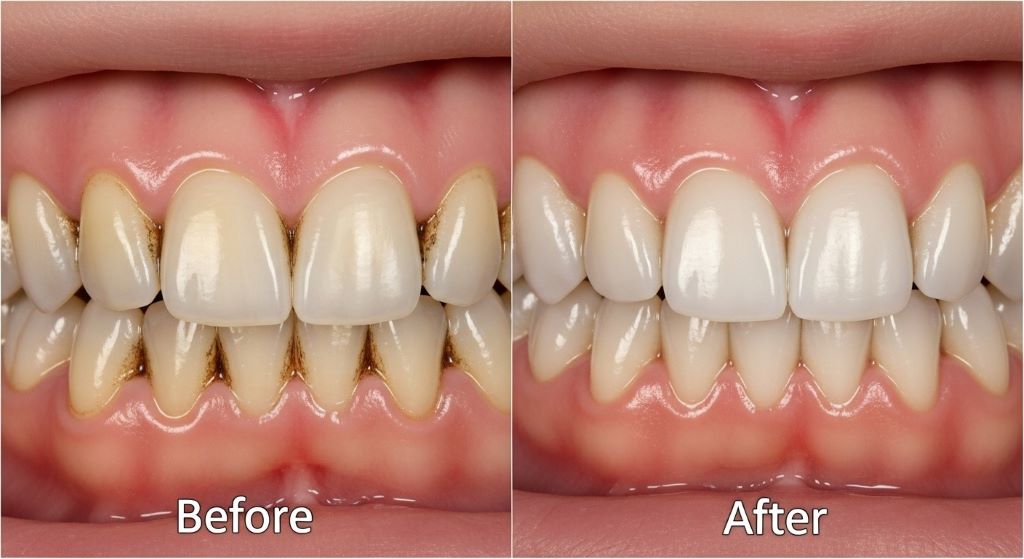
Tar stains on teeth can make you feel self-conscious about your smile. These stubborn brown or black marks often come from smoking cigarettes or using tobacco products. However, you don’t always need an expensive dental appointment to address this problem. Many effective at-home methods can help restore your teeth’s natural brightness.
This guide will walk you through proven techniques for removing tar stains from your teeth. You’ll discover safe, accessible solutions that work right in your own bathroom.
Understanding Tar Stains on Teeth
Tar from tobacco creates a sticky residue that clings to tooth enamel. This substance contains numerous chemicals that bond with the outer layer of your teeth. Over time, these deposits build up and create noticeable discoloration.
The longer tar remains on your teeth, the harder it becomes to remove. Therefore, starting treatment early gives you the best chance of success. Fresh stains respond better to home remedies than years of accumulated buildup.
Additionally, tar stains differ from regular coffee or tea stains. They penetrate deeper into the enamel surface. This means you’ll need more persistent effort to see results.
Daily Brushing Techniques That Work
Proper brushing forms the foundation of tar stain removal. You should brush at least twice daily, spending two full minutes each time. Use a soft-bristled toothbrush to avoid damaging your enamel while still providing effective cleaning.
Focus on small circular motions rather than harsh back-and-forth scrubbing. This technique lifts stains without wearing down your teeth. Pay special attention to areas where tar stains appear most prominently.
Furthermore, replace your toothbrush every three months. Worn bristles lose their effectiveness and won’t clean as thoroughly. A fresh toothbrush makes a noticeable difference in your cleaning results.
Baking Soda: Your Natural Cleaning Agent
Baking soda offers a gentle yet powerful way to tackle tar stains. This common kitchen ingredient acts as a mild abrasive that scrubs away surface discoloration. Mix one teaspoon of baking soda with enough water to create a paste.
Apply this paste to your toothbrush and brush normally. The slight grittiness helps remove stubborn stains without harsh chemicals. You can use this method two to three times per week.
However, avoid overusing baking soda. Daily application might erode your enamel over time. Balance is key to safe and effective stain removal.
Hydrogen Peroxide Rinse Method
Hydrogen peroxide serves as an excellent whitening agent for tar-stained teeth. This solution breaks down the compounds that cause discoloration. Use a 3% hydrogen peroxide solution, which you can find at any pharmacy.
Mix equal parts hydrogen peroxide and water. Swish this mixture in your mouth for one minute, then spit it out. Never swallow the solution. Rinse thoroughly with plain water afterward.
Additionally, you can combine hydrogen peroxide with baking soda for enhanced results. This creates a more powerful cleaning paste. Apply it to your teeth for two minutes before rinsing completely.
Apple Cider Vinegar Treatment
Apple cider vinegar contains natural acids that dissolve tar buildup. These acids work to break down stains at their source. Dilute one part apple cider vinegar with two parts water before use.
Swish this mixture in your mouth for about 30 seconds. Rinse immediately with plain water. The acidity can harm your enamel if left on too long. Therefore, timing matters significantly with this method.
Use this treatment only twice per week. More frequent use could damage your tooth enamel. Always follow up with regular brushing to neutralize any remaining acid.
Oil Pulling for Deep Cleaning
Oil pulling represents an ancient technique that removes toxins and stains from teeth. Coconut oil works particularly well for this method. Take one tablespoon of coconut oil and swish it around your mouth for 15 to 20 minutes.
The oil pulls tar particles and bacteria from your teeth and gums. Spit the oil into a trash can, not your sink, as it can clog drains. Rinse your mouth with warm water and brush normally.
Moreover, oil pulling provides additional benefits beyond stain removal. It freshens breath and promotes healthier gums. According to the American Dental Association, while more research is needed, some people report positive results from this practice.
Activated Charcoal Applications
Activated charcoal has gained popularity as a natural teeth whitener. This fine black powder binds to tar stains and lifts them from your enamel. Wet your toothbrush and dip it into activated charcoal powder.
Brush gently for two minutes, focusing on stained areas. The charcoal will make your mouth look quite black temporarily. Rinse thoroughly until all the black residue disappears.
However, use caution with this method. Some dentists worry that charcoal might be too abrasive for regular use. Limit applications to once or twice weekly to stay safe.
Strawberry and Salt Scrub
Strawberries contain malic acid, which naturally whitens teeth. Combined with salt, they create an effective stain-fighting scrub. Mash one ripe strawberry and mix in half a teaspoon of sea salt.
Apply this mixture to your teeth using your finger or a soft toothbrush. Let it sit for five minutes before rinsing completely. The natural acids work to break down tar deposits during this time.
Additionally, strawberries provide vitamin C, which supports gum health. This makes the treatment beneficial beyond just stain removal. Use this method once per week for best results.
Whitening Toothpaste Selection
Commercial whitening toothpastes offer convenient tar stain removal. Look for products containing mild abrasives and chemical agents designed for stain lifting. These toothpastes work gradually with consistent use.
Choose products with the American Dental Association Seal of Acceptance. This ensures safety and effectiveness. Brands containing hydrogen peroxide or carbamide peroxide tend to work best.
Furthermore, manage your expectations with whitening toothpaste. Results appear slowly over several weeks. Patience and consistency determine your success with these products.
Dietary Changes to Prevent Future Stains
Prevention plays a crucial role in maintaining clean teeth. Reducing or eliminating tobacco use stops new tar stains from forming. This represents the single most effective step you can take.
Drink plenty of water throughout the day. Water rinses away residue before it can stick to your teeth. Additionally, crunchy fruits and vegetables naturally scrub teeth while you eat them.
Limit dark-colored beverages like coffee and red wine. These drinks compound the staining problem. If you do consume them, rinse your mouth with water immediately afterward.
When Professional Help Becomes Necessary
Some tar stains prove too stubborn for home remedies. If you’ve tried multiple methods for several weeks without improvement, consider seeing a dentist. Professional cleaning removes deep-set stains more effectively than at-home treatments.
Furthermore, underlying dental problems might contribute to staining issues. Cavities, worn enamel, or gum disease require professional attention. According to WebMD’s dental health section, persistent tooth discoloration sometimes indicates deeper dental issues that need evaluation.
Additionally, professional whitening treatments provide faster, more dramatic results. Dentists use stronger concentrations of whitening agents under controlled conditions. This option works well for special events when time matters.
Important Safety Considerations
Always prioritize tooth health over cosmetic concerns. Aggressive scrubbing or excessive use of acidic solutions damages enamel permanently. Once enamel erodes, it cannot regenerate naturally.
Test new methods on a small area first. Watch for increased tooth sensitivity or gum irritation. Stop immediately if you experience pain or discomfort during any treatment.
Moreover, pregnant women should avoid certain whitening methods. Consult your healthcare provider before trying new dental treatments during pregnancy. Safety comes first in all situations.
Conclusion
Removing tar stains from teeth at home requires patience, consistency, and the right techniques. Baking soda, hydrogen peroxide, and proper brushing form the foundation of effective stain removal. Natural methods like oil pulling and apple cider vinegar offer additional support. However, the most important step involves preventing new stains by reducing tobacco use. While home remedies work well for mild to moderate staining, professional dental care becomes necessary for stubborn cases. Remember that healthy teeth matter more than perfectly white teeth. Take a gentle, measured approach to stain removal, and you’ll see gradual improvement over time.
Frequently Asked Questions
How long does it take to remove tar stains from teeth at home?
Results vary based on stain severity and chosen methods. Most people notice improvement within two to four weeks of consistent treatment. Stubborn stains may require two to three months of regular care.
Can tar stains damage my tooth enamel permanently?
Tar itself doesn’t damage enamel, but it creates an environment where bacteria thrive. This can lead to cavities and gum disease. The staining affects appearance more than structural tooth health.
Is it safe to use baking soda on teeth every day?
Daily baking soda use is not recommended. This abrasive substance can wear down enamel with excessive application. Limit use to two or three times per week for safe results.
Will quitting smoking remove existing tar stains?
Quitting smoking prevents new stains but doesn’t automatically remove existing ones. However, it makes removal efforts more effective since you’re not constantly adding new tar deposits. Combined with proper cleaning, your teeth will gradually brighten.
Can I use regular household vinegar instead of apple cider vinegar?
While white vinegar contains similar acids, apple cider vinegar is gentler and more suitable for oral use. Regular vinegar is more acidic and may cause greater enamel erosion. Stick with apple cider vinegar for dental applications.
Related Topics: