
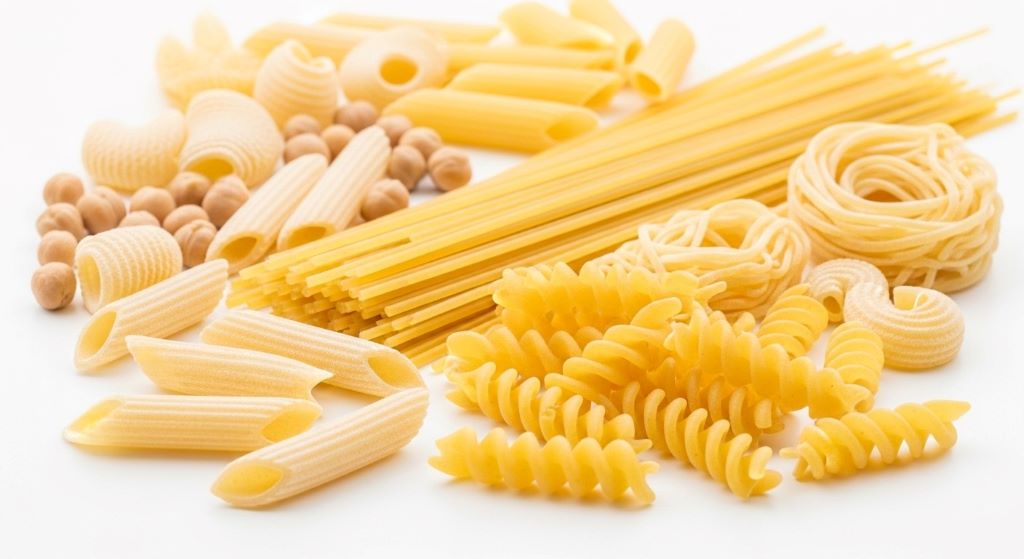
Living gluten-free no longer means sacrificing your favorite pasta dishes. The market now offers numerous alternatives that deliver satisfying texture and flavor. Whether you have celiac disease, gluten sensitivity, or simply choose to avoid wheat, quality options exist for every palate. Finding the right products transforms gluten-free cooking from a challenge into an enjoyable experience.
The variety available today can feel overwhelming when you first explore gluten-free options. Different brands use various ingredients and manufacturing processes. Additionally, each type offers unique nutritional benefits and cooking characteristics. Understanding these differences helps you select products that work best for your lifestyle and taste preferences.
Understanding Gluten-Free Pasta Basics
Gluten-free pasta uses alternative grains and legumes instead of traditional wheat flour. These ingredients provide structure without the protein that causes reactions in sensitive individuals. The absence of gluten affects both texture and cooking behavior. Therefore, knowing what to expect helps you achieve better results in the kitchen.
Traditional pasta relies on gluten for its characteristic chewiness and structure. Without this protein network, manufacturers must find creative solutions. They combine different ingredients to mimic the texture people expect. Furthermore, they adjust processing methods to create products that hold together during cooking.
Reading ingredient labels becomes essential when shopping for gluten-free products. Some brands use single ingredients while others blend multiple components. Additionally, manufacturing facilities matter for those with severe sensitivities. Cross-contamination from wheat products can occur in shared production spaces.
Nutritional profiles vary significantly between different gluten-free options. Some alternatives offer more protein than traditional wheat pasta. Others provide additional fiber or essential minerals. Moreover, certain options work better for specific dietary goals like weight management or athletic performance.
Price points differ considerably across brands and ingredient types. Premium products often cost more than conventional wheat pasta. However, sales and bulk purchasing can make them more affordable. Additionally, the nutritional benefits sometimes justify the higher investment for health-conscious consumers.
Exploring Grain-Based Alternatives
Grain-based alternatives provide familiar textures that closely resemble traditional pasta. These options appeal to people transitioning to gluten-free diets. They cook similarly to wheat pasta and work well in classic recipes. Furthermore, they offer mild flavors that don’t overpower sauce combinations.
Rice pasta represents one of the most popular grain alternatives available. It creates a neutral base that accepts various flavors readily. Additionally, it cooks quickly and maintains a pleasant texture when prepared correctly. White and brown varieties offer different nutritional profiles to suit individual preferences.
The texture of grain alternatives depends heavily on proper cooking techniques. Overcooking leads to mushy, unappetizing results. Conversely, undercooking creates an unpleasant chalky center. Therefore, timing your preparation carefully ensures optimal consistency every time.
Grain-based options generally contain fewer calories than legume alternatives. They provide quick energy through easily digestible carbohydrates. However, they typically offer less protein and fiber than bean-based varieties. This makes them ideal for different meal purposes and nutritional goals.
Storage requirements for grain alternatives remain straightforward and convenient. Dry pasta keeps for months in pantry conditions. Additionally, cooked leftovers refrigerate well for several days. These practical advantages make them perfect for meal planning and batch cooking.
Discovering Legume-Based Options
Legume-based pasta brings impressive nutritional benefits to gluten-free cooking. These products pack significantly more protein than grain alternatives. Additionally, they provide substantial fiber content that supports digestive health. Moreover, they offer a heartier texture that satisfies hungry appetites.
Chickpea pasta has gained tremendous popularity for its nutritional density and versatility. It delivers a mild, slightly nutty flavor that complements many dishes. Furthermore, it holds its shape well during cooking when prepared properly. The high protein content makes it especially appealing to vegetarians and active individuals.
Lentil varieties offer similar benefits with subtle flavor variations. Red lentil pasta cooks to a beautiful orange color that adds visual appeal. Green lentil options provide earthier notes that pair well with robust sauces. Additionally, both types deliver excellent nutritional value per serving.
Black bean pasta creates striking presentations with its dark color. It offers a distinctive taste that works particularly well in Mexican-inspired dishes. Furthermore, it provides antioxidants not found in lighter colored alternatives. This variety adds excitement to meal rotations while boosting nutritional intake.
Cooking legume pasta requires slightly different techniques than grain varieties. These products can become mushy if overcooked even slightly. Therefore, testing firmness frequently during preparation prevents disappointing results. Additionally, rinsing cooked pasta stops the cooking process and improves texture.
Examining Vegetable and Alternative Ingredients
Vegetable-based pasta introduces additional servings of produce into your diet. These innovative products appeal to health-focused consumers seeking maximum nutrition. They often combine vegetables with gluten-free grains for better structure. Moreover, they create opportunities for picky eaters to consume more vegetables.
Corn pasta offers a sweet, mild flavor distinct from other alternatives. It creates a slightly different texture that some people prefer. Additionally, it provides a budget-friendly option in many markets. The bright yellow color adds cheerful appeal to pasta dishes.
Spinach and tomato varieties incorporate vegetable powders for color and nutrition. These options provide familiar appearances similar to traditional flavored pastas. Furthermore, they introduce subtle flavors that enhance certain sauce pairings. The added nutrients boost the health profile of your meals.
Quinoa-based products combine this superfood with other gluten-free ingredients. They offer complete protein profiles rare in plant-based foods. Additionally, quinoa provides essential amino acids that support overall health. This makes these varieties particularly valuable for vegetarian and vegan diets.
Blended formulas often deliver the best overall performance. Manufacturers combine multiple ingredients to balance texture, flavor, and nutrition. These products frequently outperform single-ingredient varieties in cooking tests. Therefore, they represent smart choices for everyday cooking needs.
Evaluating Texture and Cooking Performance
Texture determines whether gluten-free pasta becomes a favorite or disappointment. The best products closely mimic traditional pasta’s satisfying chew. They maintain integrity throughout cooking without falling apart. Additionally, they reheat well for leftovers and meal prep purposes.
Firmness varies between brands even when using identical ingredients. Manufacturing processes significantly impact final texture. Some companies achieve better results through proprietary techniques. Furthermore, shape selection affects how well different products hold together.
Cooking time differs from traditional pasta and varies between gluten-free types. Most alternatives cook faster than wheat-based products. However, the window between perfectly done and overcooked is often narrower. Therefore, attentive monitoring prevents disappointing results.
Sauce adhesion affects the overall eating experience significantly. Some gluten-free pastas struggle to hold onto sauces effectively. Others grip toppings beautifully for satisfying bites. Additionally, certain shapes work better with specific sauce consistencies.
Testing different brands helps you identify personal preferences. What works perfectly for one person may disappoint another. Additionally, individual cooking styles and equipment affect outcomes. Therefore, experimenting with several options reveals which products suit your needs best.
Assessing Flavor Profiles and Versatility
Flavor significantly impacts which gluten-free pasta becomes your kitchen staple. Some alternatives taste nearly identical to wheat pasta. Others introduce distinctive flavors that enhance certain dishes. Understanding these characteristics helps you pair products with appropriate recipes.
Neutral-flavored options work best for traditional Italian preparations. They allow sauces and seasonings to shine without competition. Additionally, they satisfy family members who prefer familiar tastes. These varieties ease the transition to gluten-free eating considerably.
Distinctive flavors can elevate creative recipes when used thoughtfully. Nutty notes complement earthy mushroom sauces beautifully. Slightly sweet profiles enhance cream-based preparations. Moreover, bold flavors stand up to spicy or heavily seasoned dishes.
Cold pasta salads require products that maintain flavor after chilling. Some alternatives taste best when served hot and fresh. Others actually improve after refrigeration and reheating. Therefore, consider your typical serving methods when selecting brands.
Versatility across different cuisines varies between pasta types. Certain products excel in Italian dishes but disappoint in Asian preparations. Others adapt beautifully to diverse culinary traditions. Additionally, shape selection impacts versatility significantly.
Comparing Nutritional Values and Health Benefits
Nutritional content varies dramatically between gluten-free pasta types. Understanding these differences helps you make informed choices. Additionally, aligning pasta selection with dietary goals optimizes health outcomes. Therefore, reading nutrition labels becomes an essential shopping skill.
Protein content ranges from minimal in pure grain products to substantial in legume varieties. Higher protein options promote satiety and support muscle maintenance. Furthermore, they help stabilize blood sugar levels better than low-protein alternatives. This makes them valuable for weight management and diabetes prevention.
Fiber varies significantly and affects digestive health and satisfaction. Legume-based options typically provide the most fiber per serving. Whole grain varieties offer moderate amounts. Meanwhile, refined grain products contain minimal fiber. Additionally, adequate fiber intake supports cardiovascular health and regular digestion.
Micronutrient profiles differ based on base ingredients used. Some products fortify their pasta with additional vitamins and minerals. Others rely on naturally occurring nutrients in their ingredients. Furthermore, certain alternatives provide hard-to-find nutrients like iron and B vitamins.
Calorie counts remain relatively consistent across most gluten-free options. However, serving sizes vary between brands and shapes. Additionally, preparation methods and sauce choices dramatically impact final calorie totals. Therefore, portion awareness matters more than the specific pasta type chosen.
Investigating Brand Reliability and Quality Standards
Brand reputation provides valuable insight into product consistency and quality. Established companies typically maintain stricter quality control measures. Additionally, they invest in recipe development and testing. Therefore, their products often deliver more reliable results than unknown brands.
Certification labels indicate adherence to specific production standards. Gluten-free certification ensures products meet strict contamination thresholds. Additionally, organic certifications verify ingredient sourcing methods. Non-GMO verification appeals to consumers concerned about genetic modification.
Manufacturing facilities designed specifically for gluten-free production minimize contamination risks. Dedicated equipment prevents cross-contact with wheat products. Furthermore, these facilities implement rigorous cleaning and testing protocols. This protection matters most for individuals with celiac disease.
Customer reviews reveal real-world performance across diverse cooking situations. Reading multiple reviews helps identify consistent patterns in product behavior. Additionally, reviews often highlight issues manufacturers don’t advertise. Therefore, spending time researching saves money and disappointment.
Price consistency across retailers indicates stable supply chains and fair pricing. Dramatic price fluctuations may signal quality variations or supply problems. Additionally, reasonable pricing relative to competitors suggests sustainable business practices. These factors contribute to long-term product availability.
Mastering Cooking Techniques for Best Results
Proper cooking techniques transform average gluten-free pasta into excellent results. Small adjustments to traditional methods prevent common problems. Additionally, understanding each product’s unique characteristics optimizes texture and flavor. Therefore, learning these techniques enhances your gluten-free cooking success.
Water quantity affects cooking outcome more with gluten-free pasta than traditional varieties. Using abundant water prevents sticking and ensures even cooking. Additionally, it dilutes starches that can make pasta gummy. A general rule suggests one gallon of water per pound of pasta.
Salt enhances flavor and affects texture development during cooking. Properly salted water seasons pasta from within. Furthermore, it helps maintain structural integrity in some gluten-free varieties. However, individuals monitoring sodium intake can reduce or eliminate salt.
Stirring frequency prevents pasta pieces from clumping together. Gluten-free products stick together more readily than wheat pasta. Therefore, stirring every minute or two during cooking proves essential. Additionally, gentle stirring prevents breaking delicate shapes.
Testing doneness requires tasting rather than relying solely on package timing. Different cooking equipment and water conditions affect actual cooking time. Furthermore, personal texture preferences vary significantly. Therefore, beginning taste tests a minute before suggested cooking time prevents overcooking.
Rinsing cooked pasta remains controversial but often improves results with gluten-free varieties. Rinsing removes excess surface starch that causes stickiness. Additionally, it stops the cooking process immediately. However, rinsing also removes some nutrients and reduces sauce adhesion.
Matching Pasta Types to Specific Dishes
Different gluten-free pastas excel in specific culinary applications. Matching products to recipes enhances both flavor and texture. Additionally, this approach maximizes the strengths of each pasta type. Therefore, keeping variety in your pantry expands cooking possibilities.
Delicate shapes work best in light, simple preparations. Thin noodles complement brothy soups beautifully. Additionally, angel hair varieties suit light olive oil and vegetable dishes. These applications prevent overwhelming subtle pasta flavors.
Sturdy shapes handle heavy, chunky sauces most effectively. Thick-walled tubes trap sauce inside for flavorful bites. Furthermore, twisted shapes grip ingredients in meat sauces. These combinations create satisfying, well-balanced dishes.
Casseroles and baked dishes benefit from products that maintain structure during extended cooking. Some gluten-free pastas break down when baked. Others hold together perfectly through prolonged heat exposure. Additionally, slightly undercooking pasta before baking prevents mushiness.
Cold applications require pasta that tastes good at refrigerator temperature. Certain varieties become unpleasantly firm when chilled. Others maintain pleasant texture and actually improve overnight. Furthermore, oil-based dressings help prevent sticking in pasta salads.
Exploring Budget-Friendly Shopping Strategies
Gluten-free pasta costs more than traditional options in most markets. However, smart shopping strategies reduce overall expenses. Additionally, buying quality products prevents waste from disappointing meals. Therefore, balancing cost and quality creates sustainable shopping habits.
Bulk purchasing reduces per-unit costs significantly. Many retailers offer discounts on larger quantities. Additionally, shelf-stable pasta keeps for months without quality loss. Therefore, stocking up during sales makes economic sense.
Store brands increasingly offer quality gluten-free options at lower prices. These products often match name-brand quality while costing less. Furthermore, many stores guarantee satisfaction with money-back policies. This removes risk from trying unfamiliar products.
Online shopping expands access to competitive pricing and variety. Subscription services sometimes offer additional discounts. Additionally, comparing prices across multiple retailers takes minutes online. However, shipping costs can eliminate savings on small orders.
Joining loyalty programs at health food stores provides ongoing discounts. Many programs offer special sales for members only. Furthermore, accumulated points can reduce future purchases. These savings add up considerably over time.
Conclusion
Finding the best gluten-free pasta for everyday cooking requires understanding available options. Different ingredients offer distinct advantages in nutrition, texture, and flavor. Rice pasta, chickpea pasta, and corn pasta each serve specific culinary purposes effectively. Additionally, legume varieties provide exceptional protein and fiber content.
Quality varies significantly between brands and manufacturing processes. Testing multiple products helps identify personal favorites. Furthermore, proper cooking techniques dramatically impact final results regardless of product selection. Matching pasta types to appropriate dishes maximizes satisfaction and minimizes disappointment.
Nutritional considerations guide selection for health-focused consumers. Protein content, fiber levels, and micronutrients differ substantially between options. Additionally, various products suit different dietary goals and restrictions. Reading labels carefully ensures choices align with individual needs.
Budget-conscious shopping strategies make gluten-free eating more affordable. Bulk purchasing, store brands, and online shopping reduce costs substantially. Furthermore, investing in quality products prevents waste from unusable meals. These approaches create sustainable gluten-free lifestyles.
The expanding market continues introducing improved products regularly. Staying informed about new options keeps your cooking exciting and satisfying. Additionally, sharing discoveries with the gluten-free community helps others navigate this journey. Your perfect gluten-free pasta awaits discovery through informed exploration and experimentation.
Frequently Asked Questions
Does gluten-free pasta taste different from regular pasta?
Yes, gluten-free pasta has a slightly different taste depending on the base ingredient. Grain-based varieties taste most similar to traditional pasta with subtle variations. Legume options introduce nutty or earthy notes that some people prefer. However, quality brands have significantly narrowed the taste gap in recent years. Many people cannot distinguish well-prepared gluten-free pasta from wheat versions in properly seasoned dishes.
How do I prevent gluten-free pasta from becoming mushy?
Use plenty of water when cooking and stir frequently to prevent sticking. Watch cooking time carefully since gluten-free pasta overcooks more quickly than wheat varieties. Test for doneness one minute before the package suggests. Additionally, rinse immediately after draining to stop the cooking process. Never let cooked pasta sit in hot water as it continues softening rapidly.
Can I meal prep with gluten-free pasta?
Absolutely, though some varieties work better than others for meal prep. Legume-based options typically reheat well and maintain texture when refrigerated. Toss cooked pasta with a small amount of oil before storing to prevent sticking. Store sauce separately when possible and combine just before reheating. Most gluten-free pasta keeps well in the refrigerator for three to four days.
Which gluten-free pasta has the most protein?
Legume-based pastas provide the highest protein content among gluten-free options. Varieties made from chickpeas, lentils, or black beans typically contain 10-15 grams of protein per serving. This compares favorably to traditional wheat pasta at around 7 grams per serving. Grain-based alternatives generally offer less protein, usually 3-5 grams per serving. Check nutrition labels to compare specific brands and products.
Is gluten-free pasta healthier than regular pasta?
The health comparison depends on the specific product and your dietary needs. Legume-based gluten-free pastas often provide more protein and fiber than traditional varieties. However, refined grain gluten-free options may offer fewer nutrients than whole wheat pasta. For people with celiac disease or gluten sensitivity, gluten-free pasta is essential for health. For others, the choice depends on individual nutritional goals and preferences.
Related Topics:
Strawberry Banana Pudding Recipe for Summer – No-Bake Delight
What Does White Eggplant Taste Like? A Delectable Dive into its Unique Flavor!


