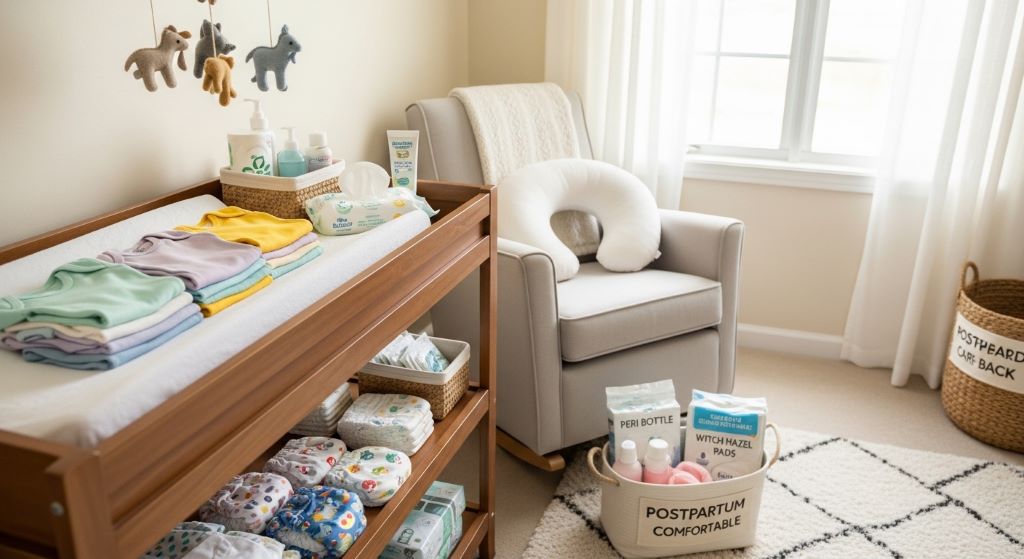
Bringing a new baby home is exciting, but the costs can quickly overwhelm new parents. Many first-time mothers feel pressured to buy every product advertised as essential. However, creating a comfortable and functional space for both you and your baby doesn’t require spending a fortune.
Smart shopping and prioritizing actual needs over marketing hype can save you hundreds of dollars. This guide will help you identify which items truly matter during those first few months. You’ll learn where to invest your money and where you can safely cut costs without sacrificing quality or safety.
Additionally, we’ll explore creative alternatives and budget-friendly strategies that experienced mothers wish they’d known from the start. By the end, you’ll have a clear roadmap for setting up your home without breaking the bank.
Understanding Your Real Needs
Before buying anything, take time to understand what you’ll actually use. Many new mothers receive duplicate items or purchase things that remain in boxes for months. Starting with a realistic assessment prevents wasteful spending.
Talk to other mothers about what they used most during the early weeks. Their experiences provide valuable insights that marketing materials cannot. Moreover, every baby is different, so flexibility in your planning helps you adapt as you discover your child’s preferences.
Create a list divided into three categories: absolute necessities, helpful additions, and nice-to-have items. Focus your initial budget on the first category. You can always add items from the other categories later as needs arise and finances allow.
Remember that babies grow incredibly fast during the first year. Therefore, avoiding overstocking on any single size or stage-specific item saves money. Purchase just enough to meet immediate needs, then reassess as your baby develops.
Essential Postpartum Care Items for Recovery
Your physical recovery after childbirth deserves as much attention as baby preparations. Many new mothers focus entirely on baby items and neglect their own healing needs. However, taking care of yourself enables you to better care for your infant.
Comfortable clothing matters more than you might expect. Large, soft underwear and loose-fitting pants or dresses allow your body to heal without restriction. Thrift stores often have gently used maternity and postpartum clothing at fraction of retail prices. Additionally, borrowing from friends who recently had babies costs nothing.
Nursing supplies form another crucial category if you plan to breastfeed. A supportive nursing bra makes feeding easier and more comfortable. You don’t need expensive specialty brands initially. Many budget retailers offer adequate options. Start with two or three bras so you always have a clean one available.
Breast pads prevent embarrassing leaks and protect your clothing. Washable cloth pads cost more upfront but save money over disposable options in the long run. Furthermore, they’re more environmentally friendly.
A simple nursing pillow provides support during feeding sessions. While specialty pillows exist, regular bed pillows arranged properly work just as well. Experiment with what you already own before purchasing specialized items.
Pain relief items help manage the discomfort of recovery. Your healthcare provider can recommend appropriate over-the-counter options. Ice packs and heating pads you already own serve multiple purposes during recovery. Moreover, a peri bottle for cleansing costs very little but provides significant comfort.
Budget-Friendly Baby Care Tools
Babies need surprisingly few items during their first months. Marketing creates the illusion of endless necessities, but infants thrive with basics done well. Focusing on quality for truly essential baby care tools while economizing elsewhere creates the best value.
Safe sleep arrangements are non-negotiable. A firm, flat mattress in a crib or bassinet that meets current safety standards is essential. However, you don’t need elaborate bedding sets. A fitted sheet and sleep sack are sufficient. Blankets, pillows, and bumpers actually pose safety risks for infants.
Consider secondhand cribs carefully. While they can save money, ensure they meet current safety standards and haven’t been recalled. Check the manufacture date and verify all parts are original and intact. Alternatively, some hospitals and community organizations loan or donate safe sleep equipment to families in need.
Feeding equipment varies based on whether you breastfeed, formula feed, or combine both methods. For formula feeding, you’ll need bottles, nipples, and formula. Generic store-brand formula meets the same nutritional standards as name brands at lower prices. Start with a small variety of bottle types since babies often prefer specific nipple shapes.
Sterilizing equipment doesn’t require expensive machines. Boiling water works perfectly well for cleaning bottles and pump parts. A large pot you already own serves this purpose effectively.
Diapering represents one of your largest ongoing expenses. Cloth diapers require higher initial investment but save substantially over time. Modern cloth diapers are much easier to use than previous generations. However, if you choose disposables, buying in bulk and using coupons significantly reduces costs.
A simple changing pad on a dresser works as well as a dedicated changing table. Use the dresser for baby clothes storage, maximizing your furniture’s functionality. Additionally, keep a basket of supplies within arm’s reach to avoid leaving baby unattended during changes.
Creating a Comfortable Feeding Station
Whether you breastfeed or bottle-feed, having a comfortable dedicated space makes those frequent feeding sessions more pleasant. This area doesn’t require expensive furniture or elaborate setups. Comfort and convenience are what truly matter.
Choose a chair you already own that provides good back support. Add pillows for your arms and lower back as needed. A small side table within reach holds water, snacks, phone, and supplies. Many mothers underestimate how thirsty they get during nursing sessions.
Adequate lighting helps during nighttime feedings. A small lamp with a dim bulb or nightlight prevents the harsh overhead lights that fully wake both you and baby. Moreover, soft lighting helps maintain a calm atmosphere conducive to baby falling back asleep after feeding.
Keep feeding supplies organized in a small basket or caddy. This might include burp cloths, extra breast pads, nipple cream, or prepared bottles. Having everything in one portable container means you can feed anywhere in your home without making multiple trips.
Stock healthy snacks near your feeding area. New mothers often find themselves hungry at odd hours. Granola bars, nuts, dried fruit, and crackers provide quick nutrition without requiring preparation. Additionally, staying fed helps maintain your energy and milk supply if breastfeeding.
Bathing and Hygiene Essentials
Newborns don’t need daily baths. In fact, bathing too frequently can dry their delicate skin. Therefore, you need fewer bathing supplies than advertising suggests. A simple setup works perfectly well for keeping baby clean.
Your kitchen or bathroom sink serves as an excellent first bathing spot. It’s the right height to prevent back strain and uses less water than a tub. A folded towel in the bottom prevents slipping. This free solution works until baby outgrows the sink.
Baby bathtubs are convenient but not essential. If you do purchase one, simple plastic tubs cost much less than elaborate models with unnecessary features. Alternatively, bathing with your baby in your regular tub creates bonding time and requires no additional equipment.
Gentle soap matters more than brand names. Fragrance-free, hypoallergenic options protect sensitive skin. A small amount goes a long way with babies. One bottle often lasts several months. Furthermore, the same gentle soap typically works for both body and hair.
Soft washcloths and hooded towels help with bath time. However, regular washcloths and towels work fine. You likely already own these items. The hood on baby towels is convenient but not necessary for cleanliness or safety.
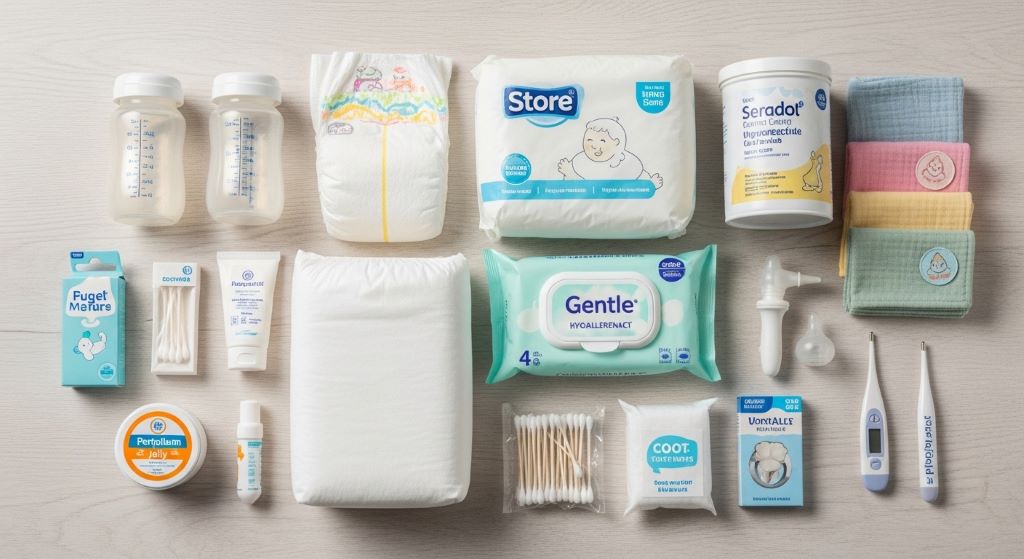
Basic hygiene items include nail clippers or files designed for infants, a soft brush, and a nasal aspirator. These tools typically come in affordable sets. Additionally, petroleum jelly or diaper cream addresses common skin issues without expensive specialty products.
Sleep Solutions That Don’t Break the Bank
Sleep deprivation challenges all new parents, but expensive sleep gadgets won’t solve this universal problem. Babies wake frequently regardless of how much you spend on sleep products. Therefore, focusing on safe, simple solutions makes the most sense.
Room-sharing is recommended for at least the first six months. A bassinet beside your bed keeps baby close for easy nighttime care. Simple bassinets cost significantly less than elaborate sleepers with unnecessary features. Moreover, babies outgrow bassinets quickly, making expensive options poor investments.
White noise helps some babies sleep better. Before buying a machine, try free apps on your phone or a small fan you already own. These alternatives cost nothing and work just as effectively. Additionally, they’re portable for travel or moving between rooms.
Blackout curtains or shades help create a sleep-friendly environment. However, you can achieve similar results by hanging dark blankets or towels over existing curtains. This temporary solution costs nothing and works until you can invest in permanent window treatments.
Safe swaddling helps many newborns feel secure and sleep longer. Large muslin blankets serve as swaddles and have multiple other uses as your baby grows. They’re more versatile and economical than specialized swaddle products with limited lifespan.
Finding Quality Secondhand Items
Buying used baby items dramatically reduces costs without sacrificing quality or safety. Many baby products are barely used before children outgrow them. Therefore, secondhand shopping offers excellent values on nearly-new items.
Local parent groups on social media often have members selling or giving away outgrown items. These community connections provide quality items at low prices. Additionally, you’re supporting other local families while building your network of parent friends.
Consignment stores specializing in children’s items carefully curate their inventory. Staff typically inspect items for safety and quality. While prices are higher than garage sales, they’re still substantially below retail. Moreover, organized stores save time compared to hunting through individual sales.
However, certain items should always be purchased new for safety reasons. Car seats, crib mattresses, and breast pumps fall into this category. Their history affects their safety and effectiveness. Never compromise on these critical items regardless of budget constraints.
Inspect secondhand items carefully before purchasing. Check for recalls, missing parts, stains, or damage. Ensure items meet current safety standards, which change periodically. When in doubt, research the specific model online before buying.
Accepting Help and Gifts Wisely
Friends and family often want to help new parents. However, without guidance, they may purchase duplicate items or things you don’t need. Creating a registry helps direct their generosity toward your actual needs.
Registry items don’t need to be expensive. Include moderately priced essentials alongside any splurge items. This gives gift-givers options at various price points. Additionally, registries often provide completion discounts, allowing you to purchase remaining items at reduced prices.
Be specific about your preferences when people ask how they can help. Instead of general offers, request particular items or assistance. For example, asking for diapers in larger sizes or home-cooked meals provides more value than decorative items you won’t use.
Gift cards offer flexibility as you discover your specific needs. Additionally, they allow you to wait for sales or use coupons, maximizing their value. Don’t feel obligated to register for or accept items that don’t align with your space, style, or philosophy.
Hand-me-downs from trusted friends and family are wonderful budget-savers. Don’t let pride prevent you from accepting gently used items. Most baby clothes and many products barely show wear before being outgrown. Furthermore, accepting help builds community connections that provide valuable support beyond material items.
Conclusion
Setting up your home for a new baby doesn’t require spending thousands of dollars. By focusing on true necessities and skipping marketing hype, you can create a safe, comfortable environment on a modest budget. Prioritizing quality postpartum care items for your recovery and essential baby care tools for your infant’s needs ensures both of you thrive.
Smart shopping strategies like buying secondhand, accepting hand-me-downs, and using items you already own in creative ways stretch your budget significantly. Moreover, remembering that babies need love, security, and basic care more than expensive products helps maintain perspective during this overwhelming time.
Start with the basics, add items as specific needs arise, and don’t compare your setup to heavily curated social media posts. Every family’s situation is unique. Therefore, what works for others may not suit your circumstances. Trust your instincts and focus on what truly matters: welcoming your baby into a loving home.
Frequently Asked Questions
What are the absolute essentials I need before bringing baby home?
The bare essentials include a safe sleep space like a bassinet or crib with a firm mattress, weather-appropriate clothing, diapers and wipes, feeding supplies based on your chosen method, a car seat for safe transportation, and basic postpartum recovery items for yourself. Everything else can be acquired as needs become clear. Many families successfully start with just these items and add others gradually.
Is it safe to buy baby items secondhand?
Many baby items are perfectly safe to buy secondhand, including clothing, toys, books, and furniture like dressers. However, always purchase car seats, crib mattresses, and breast pumps new. Check secondhand items carefully for recalls, damage, and missing parts. Ensure cribs and other furniture meet current safety standards. When properly vetted, secondhand shopping saves substantial money without compromising safety.
How can I afford both postpartum supplies and baby items on a tight budget?
Prioritize your postpartum recovery items alongside baby essentials, as your health directly impacts your ability to care for your infant. Many postpartum items like ice packs and loose clothing you already own. Focus spending on truly necessary items for both categories. Accept help from friends and family, look for community resources, and remember that babies need surprisingly little during early weeks.
What baby items seem essential but really aren’t necessary?
Wipe warmers, diaper genies, bottle warmers, and elaborate nursery decor aren’t necessary for baby’s health or safety. Specialized items like baby towels with hoods, baby laundry detergent, and infant shoes for non-walking babies are nice but not essential. Many parents also find that expensive swings, bouncers, and other entertainment devices sit unused while babies prefer simple interactions. Buy these items later if you discover a specific need.
How much should I realistically budget for the first three months?
Budget needs vary based on feeding method, diaper choice, and whether you buy new or secondhand. A realistic minimum budget ranges from five hundred to one thousand dollars for essentials if shopping carefully and accepting some hand-me-downs. Formula feeding costs more than breastfeeding. Disposable diapers cost more monthly than cloth diapers upfront. Focus your budget on safe sleep, feeding, and your postpartum recovery while economizing on non-essentials.
Related Topics:
How to Choose a Baby Lounger for Safe and Comfortable Newborn Support
Top Pillow for Neck and Shoulder Pain in 2025