Struggling with cloudy water or nuisance algae in your small reef tank? Choosing the right hang-on-back (HOB) protein skimmer can be a game changer. This comprehensive hang on back protein skimmer guide reveals what to look for, common mistakes, top features, and top models—so you make the best choice for your aquarium’s health and beauty.
Snippet Answer: To choose a HOB protein skimmer for small reef tanks, consider your tank size, bio-load, skimmer efficiency, noise level, ease of maintenance, and build quality. Select a skimmer rated for your aquarium volume, with simple cleaning and reliable performance to maintain crystal-clear water.
What is a Hang-On-Back Protein Skimmer and How Does It Work?
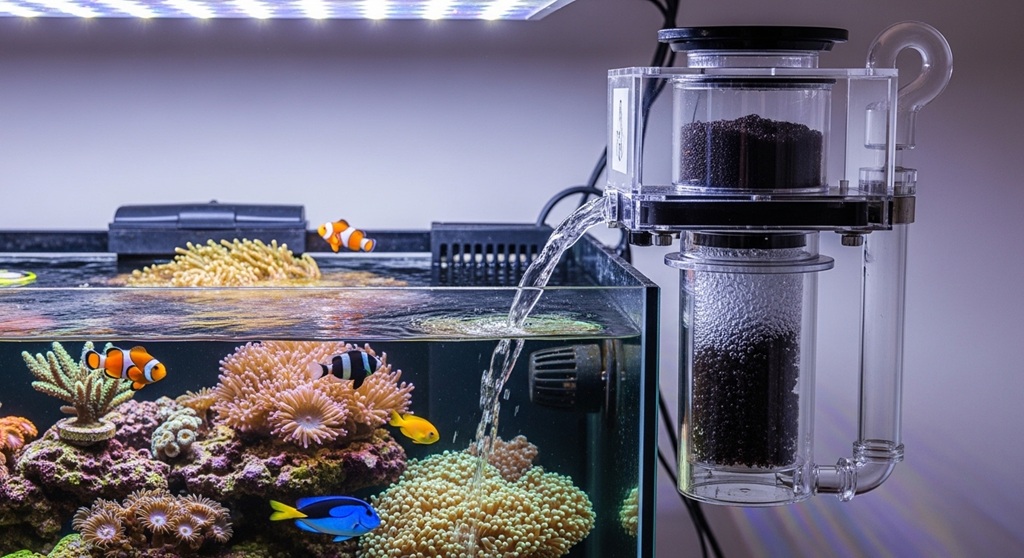
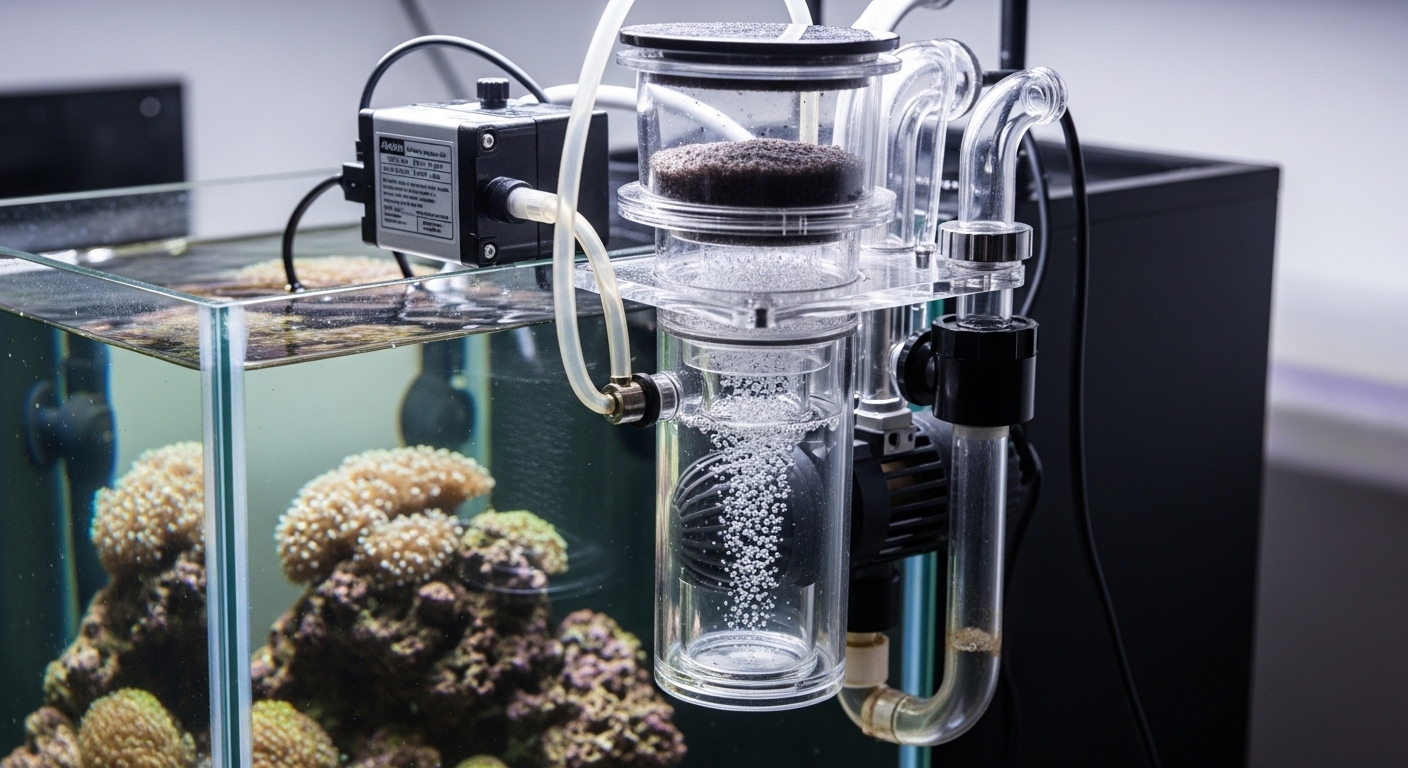
A hang-on-back protein skimmer is a filtration device that hangs outside the aquarium, removing dissolved organic compounds before they degrade. Skimmers inject air bubbles into a reaction chamber, causing waste to stick to the bubbles which rise and are collected as foam, improving water quality.
Imagine your reef tank as a mini ocean. As waste accumulates from fish and corals, water clarity drops and harmful substances increase. HOB protein skimmers serve as external water purifiers, physically removing dissolved proteins and pollutants. By generating thousands of micro-air bubbles, the skimmer traps organic waste, which is then channeled into a collection cup. This process reduces ammonia, nitrite, and nitrate build-up, helping your tank maintain optimal conditions for fish and corals—especially in a space-limited setup where traditional sump-based skimmers are not an option.
Why Do Small Reef Tanks Need a Protein Skimmer?
Small reef tanks have limited water volume and filtration capacity, making them more vulnerable to rapid pollution buildup. A protein skimmer helps maintain stable water chemistry, controls algae, and reduces harmful toxins, promoting the health and longevity of your reef’s inhabitants.
Unlike larger tanks, small aquariums fluctuate faster because waste accumulates quickly. Overfeeding, decaying matter, and livestock produce organic compounds that traditional filters often miss. The result? Cloudy water, unwanted algae, and stressed corals. By physically removing these substances, a HOB protein skimmer eases the filtration load, gives your biofilter a break, and maintains a healthy ecosystem. Investing in the right skimmer ensures less frequent water changes and a thriving, vibrant reef.
What Key Features Should You Look for in a Hang-On-Back Protein Skimmer?
The most important features are tank size rating, skimmer efficiency, noise level, ease of installation, maintenance requirements, and build quality. Also consider bubble production, footprint size, and reliability to ensure the skimmer meets your tank’s needs without inconvenience.
- Tank Size Rating: Always match the skimmer to your specific aquarium volume. Overpowered units are better than underpowered ones.
- Bubble Generation: Look for fine, consistent bubbles—the more surface area, the better the waste removal.
- Noise Level: Choose pump and design features that run quietly, avoiding disturbance in home or office environments.
- Maintenance: Removable collection cups, tool-free disassembly, and easy access points save both time and frustration.
- Build Quality: Reliable plastic or acrylic, robust parts, and trusted brands ensure long-term value.
- Adjustability: Precise water level and air flow controls allow you to fine-tune performance.
An ideal skimmer is user-friendly, powerful, and compact. Consider available space behind your tank, how easily you can remove and clean parts, and whether the unit comes with features like drain hoses or bubble diffusers. Reading user reviews and expert opinions can reveal hidden pros and cons.
How Do You Properly Size a Protein Skimmer for a Small Reef Tank?
Select a skimmer rated for slightly more water than your tank’s volume—this factor accounts for bio-load and future livestock additions. For nano or small reef tanks (10–40 gallons), a skimmer with a 20–50 gallon rating is optimal for most setups.
- Find your aquarium’s actual water volume (subtracting for sand/rock displacement).
- Consider current and planned bio-load. Heavy stocking requires more skimming power.
- Match with a model rated just above your tank’s size for extra margin.
- Factor in space: ensure the skimmer fits the rim and clearance at the back of your aquarium.
- Remember: oversizing slightly is better than underpowering, but too big may reduce skimming precision.
For example, a 20-gallon nano reef with a few fish should pair with a skimmer rated for 20–30 gallons. Always check manufacturer specs for realistic sizing—some brands overstate or understate capacities.
What Are the Pros and Cons of Hang-On-Back Protein Skimmers?
HOB protein skimmers offer easy installation, space saving, and affordability, but can struggle with skimming power and may need regular manual adjustments and cleaning compared to sump-based models.
| Pros | Cons |
|---|---|
|
|
HOB designs let you enjoy skimming benefits without extensive plumbing, but regular upkeep and careful adjustment are key to maximizing their potential. For many aquarists, the convenience and efficiency outweigh the minor drawbacks.
How Do You Install and Maintain a Hang-On-Back Protein Skimmer?
To install, hang the skimmer on the aquarium’s rim following the manufacturer’s instructions. Fill the reaction chamber, start the pump, and adjust the water and air flow. Clean the collection cup weekly and disassemble for deep cleaning monthly to ensure optimal performance.
Typical Installation Steps:
- Assemble skimmer parts and place on tank rim or rear glass.
- Adjust water height and secure unit in position.
- Prime the chamber if required to eliminate initial bubbles.
- Plug in, turn on the pump and adjust air intake for foam production.
- Monitor for microbubbles or leaks, and tweak adjustments as needed.
Maintenance involves emptying and cleaning the collection cup weekly or when full. Every 3–4 weeks, remove and clean all skimmer parts, including pump impeller. Check for calcium buildup and replace worn plastics. Cleanliness and consistent adjustment will keep your skimmer running quietly and efficiently.
What Are the Top Hang-On-Back Protein Skimmer Models for Small Reef Tanks?
Leading models for small reef tanks include the Reef Octopus Classic 1000, AquaMaxx HOB-1.5, Bubble Magus Q1, and Comline DOC Skimmer 9004. These skimmers balance compact design, reliable performance, quiet operation, and ease of use for nano and small aquarium applications.
1. Reef Octopus Classic 1000 HOB: Powerful, quiet, and durable, with tool-free adjustments.
2. AquaMaxx HOB-1.5: Widely recommended for nano tanks, boasts compact design and effective skimming.
3. Bubble Magus Q1: Known for budget-friendly efficiency and easy setup.
4. Tunze Comline DOC 9004: Ultra-quiet, magnetic mounting, excellent for minimalist setups.
When choosing the best HOB skimmer, consider your tank’s bio-load, cabinet clearance, and aesthetics. Each model has unique strengths, so compare features and user ratings before purchasing. Below is a quick comparison table for reference.
| Model | Rated Tank Size | Footprint | Noise Level | Ease of Cleaning |
|---|---|---|---|---|
| Reef Octopus Classic 1000 HOB | Up to 105 gal | 8” x 3.5” | Low | Easy |
| AquaMaxx HOB-1.5 | Up to 75 gal | 7.5” x 3.5” | Low | Very Easy |
| Bubble Magus Q1 | Up to 25 gal | 7” x 2.5” | Moderate | Easy |
| Tunze Comline DOC 9004 | Up to 65 gal | 4.3” x 4.5” | Very Low | Easy |
How Do You Troubleshoot Common HOB Protein Skimmer Issues?
Common issues include excessive microbubbles, noisy operation, overflowing, or no skimmate production. Solutions involve adjusting air and water flow, ensuring proper assembly, cleaning components regularly, and checking for obstructions or worn impellers in the pump.
Quick Troubleshooting Guide:
- Overflowing: Reduce water level, check for blockages, clean air intake.
- Microbubbles in Tank: Allow break-in period, install bubble trap, or reduce flow rate.
- Low Skimmate Output: Check for oil film or greasy deposits, increase air intake, and avoid additives that affect surface tension.
- Loud Noise: Inspect pump and impeller, tighten loose parts, isolate vibration points.
Most problems are easily fixed with basic maintenance and proper setup. Always refer to the manufacturer’s manual and contact support for persistent issues.
What Are Expert Tips for Maximizing Skimmer Performance?
Position your skimmer for consistent water flow, clean the cup regularly, and fine-tune air and water adjustments based on your tank’s needs. Avoid overfeeding and use only reef-safe additives to keep your skimmer running at peak efficiency.
- Let the skimmer break in for 1–2 weeks after setup for stable foam production.
- Rinse new collection cups and body with warm water, avoiding soap residues.
- Monitor skimmate color and quantity—dark, consistent skimmate indicates optimal performance.
- Perform quarterly deep cleans, including pump and venturi airways.
- Minimize hands in the tank; oils can suppress foam.
Apply these tips to extend your skimmer’s lifespan and guarantee clear water for a thriving reef.
Conclusion: What’s the Best Way to Choose a Hang-On-Back Protein Skimmer?
Selecting the best HOB protein skimmer involves more than picking a well-rated model. Think in terms of your tank’s unique ecosystem and your time for maintenance. The right skimmer protects your reef investment by removing organics, supporting coral growth, and reducing long-term headaches.
Use this hang on back protein skimmer guide to match skimmer size, features, and brand to your small aquarium. Compare models, follow installation and upkeep advice, and troubleshoot proactively. Your reef—and your peace of mind—will thank you.
Ready to choose your next protein skimmer? Research, compare, and enjoy a crystal-clear, healthy reef tank. Have questions? Leave them in the comments or consult your local aquarium expert!
FAQ: Hang-On-Back Protein Skimmer Guide
Do all small reef tanks need a protein skimmer?
While not mandatory, a protein skimmer greatly reduces maintenance and improves water quality. Nano reefs or lightly stocked tanks with frequent water changes may go without, but skimmers provide a vital safety net for most setups.
How often should I clean my HOB protein skimmer?
Clean the collection cup once a week or whenever it fills with skimmate. Monthly, disassemble and soak internal components to prevent calcium buildup and maintain pump efficiency.
Can a HOB skimmer be too powerful for my tank?
Yes. Oversized skimmers can pull out vital nutrients, suppress beneficial bacteria, and sometimes underperform because of reduced foam stability. Aim for a skimmer just above your actual tank volume.
Why is my skimmer producing too many microbubbles?
New skimmers often produce excess bubbles during a 1–2 week break-in. Persistent bubbles could indicate leaks, poor adjustment, or dirty surfaces. Check and clean parts, and install a bubble trap if needed.
What’s the difference between HOB and in-sump protein skimmers?
HOB skimmers are external, ideal for tanks without sumps. In-sump skimmers sit inside a sump and generally offer more power and efficiency, but require more space and plumbing.
Can I use a hang-on-back skimmer on a freshwater tank?
Protein skimmers are designed for saltwater aquariums. They are largely ineffective in freshwater because proteins do not foam in the same way.
How do I reduce noise from my protein skimmer?
Clean and maintain the pump and impeller, tighten all fittings, reduce vibration with rubber pads, and ensure the skimmer is properly aligned. Some models are quieter by design, so research before purchasing.
Read More Also: Bathroom Remodeling Ideas to Transform a Small Space into a Spa Retreat
Find out: How to Turn Off Water to Your Toilet: Guide for Homeowners