Transforming your apartment doesn’t have to drain your savings account or leave you pulling your hair out in frustration. Whether you’re dealing with a cramped studio, outdated fixtures, or simply craving a fresh aesthetic, smart apartment renovation strategies can help you achieve stunning results without breaking the bank or your sanity. In today’s competitive rental market and rising property values, knowing how to renovate efficiently has become an essential skill for both renters and owners looking to maximize their living space investment.
Understanding Your Apartment Renovation Budget
Creating a realistic renovation budget forms the foundation of any successful apartment makeover. Most interior design experts recommend allocating 10-20% of your apartment’s value for major renovations, though smaller updates can cost significantly less.
Breaking Down Renovation Costs
Essential Budget Categories:
- Labor costs: Typically 35-50% of total budget
- Materials and supplies: 40-50% of expenses
- Permits and fees: 5-10% for major work
- Contingency fund: Always reserve 10-15% for unexpected issues
Cost-Effective Planning Strategies: Start by prioritizing high-impact, low-cost improvements like fresh paint, updated lighting fixtures, and hardware replacement. These apartment improvement ideas can dramatically transform your space for under $500 per room. Focus on areas that offer the best return on investment, such as kitchens and bathrooms, where even minor updates like new cabinet handles and modern faucets can create significant visual impact.
Consider the 80/20 rule for apartment renovations: 80% of your satisfaction will come from 20% of the work. Identify which changes will make the biggest difference in your daily life and tackle those first.
DIY Apartment Renovation Projects That Save Money
Embracing do-it-yourself projects represents one of the most effective ways to stretch your renovation dollars while gaining valuable home improvement skills.
High-Impact DIY Projects
Painting and Wall Treatments Fresh paint offers the highest return on investment for any apartment update. Choose neutral colors with warm undertones to make spaces feel larger and more inviting. Consider accent walls using removable wallpaper or stencils for rental-friendly options that don’t require landlord approval.
Kitchen Cabinet Makeover Instead of replacing entire kitchen cabinets, focus on cabinet refacing, painting, and new hardware installation. This approach can save 50-70% compared to full cabinet replacement while achieving a completely updated look.
Bathroom Refresh Projects Update bathroom fixtures, install new mirrors, and replace old caulking for an instant refresh. Adding floating shelves and modern lighting can transform even the most dated bathroom spaces.
Smart Shopping for Renovation Materials
Where to Find Affordable Supplies:
- Discount home improvement stores during end-of-season sales
- Online marketplaces for lightly used fixtures and materials
- Architectural salvage yards for unique, character-rich elements
- Wholesale clubs for bulk purchases of paint and basic supplies
Research shows that timing your material purchases around major sales events can reduce costs by 30-40%. Memorial Day, Labor Day, and post-holiday periods typically offer the best deals on home improvement supplies.
Planning Your Apartment Renovation Timeline
Effective small space renovation requires careful scheduling to minimize disruption to your daily routine while ensuring quality results.
Creating a Logical Work Sequence
Phase 1: Structural and Electrical (Weeks 1-2) Handle any necessary electrical work, plumbing updates, or structural modifications first. This prevents damage to finished surfaces and ensures all systems function properly before cosmetic improvements begin.
Phase 2: Flooring and Major Surfaces (Weeks 3-4) Install new flooring, complete wall preparations, and handle any major surface treatments. This phase often generates the most dust and debris, so timing is crucial.
Phase 3: Painting and Finishes (Weeks 5-6) Apply primer and paint to all surfaces, install trim work, and complete decorative elements. Proper ventilation during this phase ensures faster curing times and better air quality.
Phase 4: Final Installation and Styling (Week 7) Install fixtures, arrange furniture, and add final decorative touches that bring your vision to life.
Managing Renovation Stress
Practical Stress-Reduction Strategies:
- Create temporary living arrangements for major work phases
- Establish clear communication channels with contractors
- Document progress with photos to track accomplishments
- Maintain flexible expectations while keeping core goals in focus
Studies indicate that homeowners who plan for 25% longer timelines than initially estimated report significantly lower stress levels and higher satisfaction with final results.
Budget-Friendly Apartment Updates That Make a Big Impact
Strategic apartment improvements can deliver maximum visual impact without requiring major construction or significant financial investment.
Lighting Solutions for Small Spaces
Layered Lighting Approach: Combine ambient, task, and accent lighting to create depth and functionality in compact apartments. Replace outdated overhead fixtures with modern pendant lights or track lighting systems that offer directional illumination.
Natural Light Maximization: Install sheer curtains or light-filtering blinds that provide privacy while allowing maximum daylight penetration. Position mirrors strategically to reflect natural light throughout living areas, creating the illusion of larger, brighter spaces.
Storage Solutions and Space Optimization
Multi-Functional Furniture Choices: Invest in furniture pieces that serve multiple purposes, such as ottomans with hidden storage, expandable dining tables, or beds with built-in drawers. These apartment design ideas help maximize functionality in limited square footage.
Vertical Storage Systems: Utilize wall-mounted shelving, hooks, and organizers to free up valuable floor space. Custom closet organization systems can double storage capacity while maintaining easy access to frequently used items.
Professional vs. DIY: Making Smart Renovation Decisions
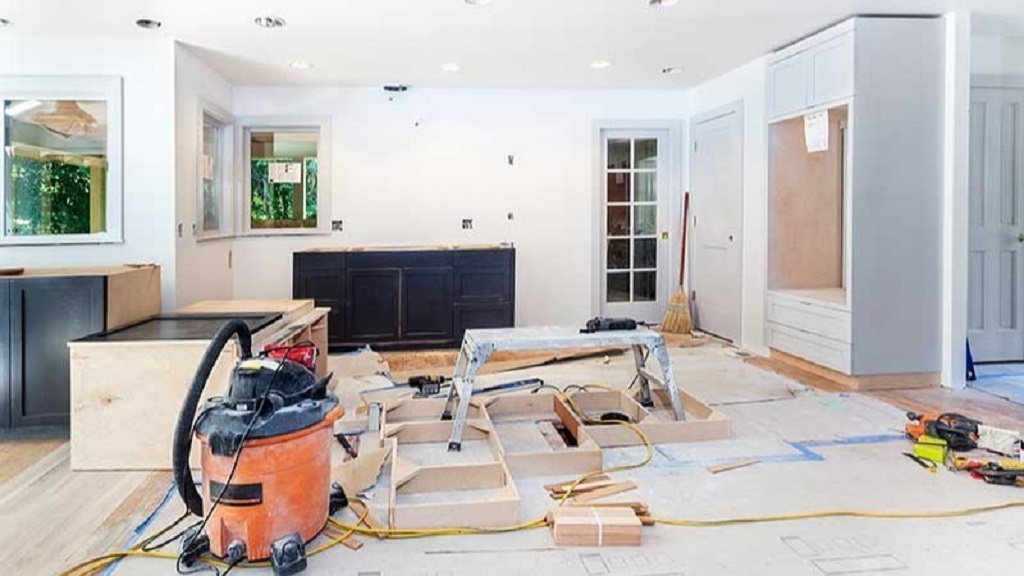
Understanding when to hire professionals versus tackling projects yourself can significantly impact both your budget and final results.
When to Call the Professionals
Safety-Critical Work: Always hire licensed professionals for electrical work, gas line modifications, and structural changes. These projects require specialized knowledge and often need permits and inspections for safety compliance.
Complex Installations: Professional installation ensures proper function and warranty coverage for expensive items like HVAC systems, major appliances, and custom cabinetry.
DIY-Friendly Projects for Beginners
Low-Risk, High-Reward Tasks:
- Interior painting and decorative finishes
- Hardware installation and replacement
- Basic plumbing fixture updates
- Flooring installation (laminate, vinyl, carpet tiles)
- Light fixture replacement (non-electrical modification)
Research indicates that homeowners who complete 3-4 DIY projects before attempting complex renovations report higher success rates and greater confidence in their abilities.
Maximizing Small Spaces Through Smart Design
Effective apartment renovation for small spaces requires creative solutions that prioritize both functionality and aesthetic appeal.
Color Psychology and Space Perception
Light Color Schemes: Light, neutral colors reflect more light and create the illusion of expanded space. Consider soft whites, pale grays, and warm beiges as primary colors, with strategic accent colors to add personality without overwhelming compact areas.
Visual Continuity Techniques: Use consistent flooring throughout the apartment to create flow between rooms. Avoid abrupt transitions that can make spaces feel choppy and disconnected.
Furniture Scale and Placement
Proportional Design Principles: Choose furniture appropriately scaled for your space size. Oversized pieces can overwhelm small rooms, while too-small furniture can make spaces feel incomplete and poorly planned.
Traffic Flow Optimization: Arrange furniture to create clear pathways through living areas. Proper traffic flow makes apartments feel larger and more comfortable for daily activities.
Read More Also: Why Artificial Grass is a Parent’s Best Friend
Frequently Asked Questions
How much should I budget for a small apartment renovation?
For minor updates and cosmetic improvements, budget $5,000-$15,000 for a one-bedroom apartment. Major renovations involving structural changes or high-end finishes can range from $20,000-$50,000 depending on square footage and material choices.
What apartment renovations add the most value?
Kitchen and bathroom updates typically provide the highest return on investment, followed by fresh paint, updated flooring, and improved lighting. Focus on improvements that enhance both functionality and aesthetic appeal.
Can renters make significant apartment improvements?
Yes, many impactful renovations are renter-friendly and reversible. Focus on removable wallpaper, furniture updates, lighting changes, and decorative elements that don’t require permanent modifications to the property.
How long does a typical apartment renovation take?
Minor cosmetic updates can be completed in 2-4 weeks, while major renovations may require 6-12 weeks depending on scope and complexity. Always add buffer time for unexpected delays or complications.
What’s the best order for apartment renovation projects?
Start with structural and electrical work, followed by flooring and major surfaces, then painting and finishes, and finally installation and styling. This sequence minimizes damage to completed work and ensures optimal results.
How can I renovate my apartment on a tight budget?
Prioritize high-impact, low-cost improvements like paint, lighting updates, and hardware replacement. Shop sales, consider used materials in good condition, and tackle DIY-friendly projects to reduce labor costs.
Read More Also: Washing Machine Drum: Types, Functions
Transform Your Space Today
Ready to turn your apartment renovation dreams into reality? Start by creating a detailed budget and timeline that aligns with your goals and resources. Remember that successful apartment renovations happen one step at a time, with careful planning and realistic expectations leading to the most satisfying results.
Take action today by identifying your top three renovation priorities and researching the materials and tools you’ll need. Whether you’re planning a weekend refresh or a comprehensive makeover, the key to stress-free apartment renovation lies in thorough preparation and smart decision-making.
Begin your transformation journey now – your dream apartment is closer than you think. Share your renovation plans with friends and family for additional support and accountability, and don’t forget to document your progress to inspire others facing similar apartment improvement challenges.