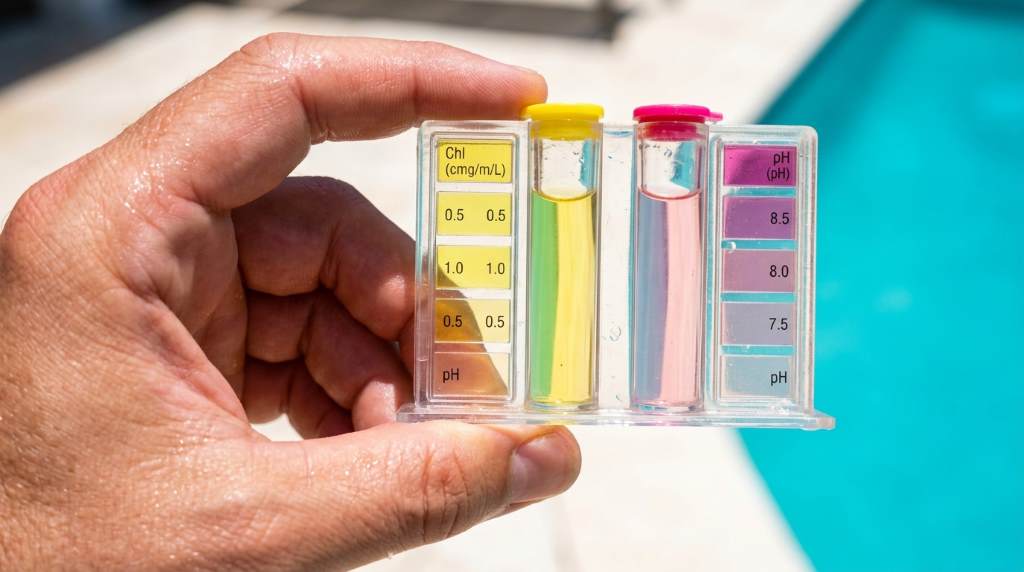
Pool owners across the USA often struggle with water chemistry, especially in warm coastal regions like Miami, FL. According to industry estimates, properly balanced chlorine eliminates up to 99.9% of harmful bacteria, while the CDC recommends maintaining effective sanitizer levels for safe swimming. Many homeowners also search for solutions when a pool chlorinator not producing chlorine creates ongoing water quality concerns. Understanding the real causes helps you protect swimmers, reduce maintenance costs, and keep your pool crystal clear throughout the year.
Why Miami Pools Lose Chlorine Faster
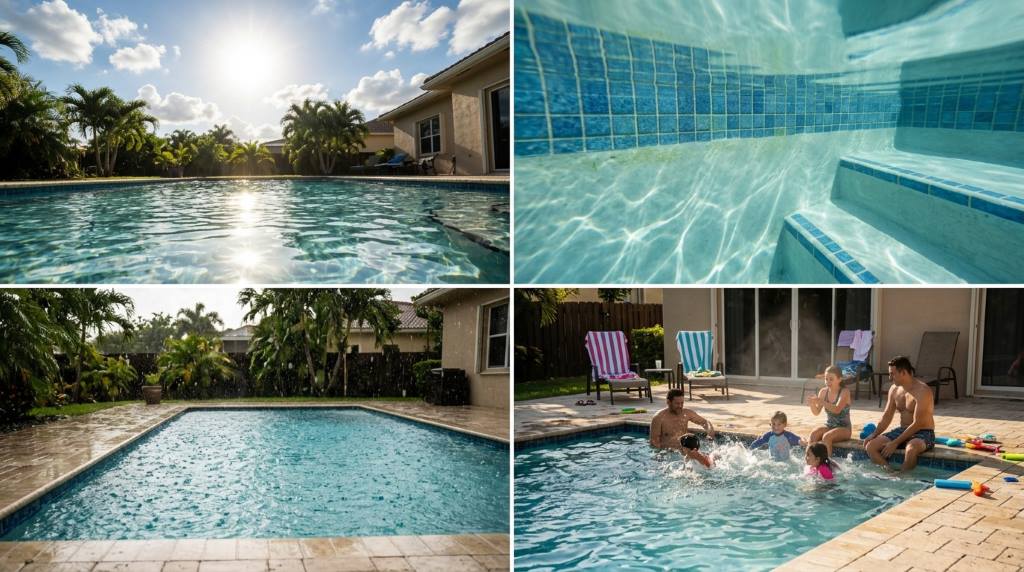
Miami experiences intense sunshine, frequent rainfall, and consistently warm temperatures throughout most months. These environmental conditions naturally increase chlorine consumption every day.
Additionally, ultraviolet rays quickly break down unstabilized chlorine before it fully disinfects pool water. Learning about mastering swimming pool design calculations also helps homeowners understand proper water balance and circulation.
Heavy pool use further increases sanitizer demand because sweat, sunscreen, and organic debris consume available chlorine. Consequently, chlorine levels may drop even after recent treatment.
Common Reasons Chlorine Levels Stay Low
Strong Sunlight Exposure
South Florida receives abundant sunshine almost every day of the year. Therefore, chlorine breaks down rapidly without enough cyanuric acid stabilizer.
High Water Temperature
Warm water encourages algae growth and increases chemical reactions inside the pool. As a result, chlorine disappears much faster than expected.
Heavy Rainfall
Frequent rain dilutes pool chemicals and introduces contaminants from surrounding surfaces. Consequently, additional chlorine becomes necessary after every significant storm.
Large Swimmer Loads
Busy family pools require more sanitizer because every swimmer introduces oils and organic materials. Furthermore, children often increase chlorine demand through active water play.
Poor Water Circulation
Improper circulation leaves untreated areas where contaminants continue consuming available chlorine. Good pump performance keeps sanitizer evenly distributed throughout the pool.
Equipment Problems That Reduce Chlorine Production
Sometimes the issue comes from equipment rather than water chemistry alone. Understanding concrete pool structural design also highlights why proper system installation supports long term performance.
Salt chlorinators may produce less chlorine because of dirty cells, incorrect salt levels, or worn components. Therefore, routine inspections prevent unexpected sanitizer shortages.
Clogged filters also reduce circulation and limit chlorine distribution throughout the entire pool. Regular cleaning helps maintain efficient filtration and balanced water conditions.
How Water Chemistry Affects Chlorine
Balanced chemistry allows chlorine to work effectively against bacteria, algae, and harmful microorganisms. However, poor chemical balance greatly reduces sanitizer efficiency.
High pH levels decrease chlorine effectiveness even when test strips show acceptable chlorine readings. Reading a best budget pool vacuum guide also encourages better overall maintenance habits that support cleaner water.
Total alkalinity also influences pH stability throughout changing weather conditions. Consequently, correcting alkalinity often improves chlorine performance without adding excessive chemicals.
Signs Your Pool Needs Immediate Attention
Several warning signs indicate chlorine levels remain consistently below recommended ranges. Recognizing these symptoms early prevents expensive repairs and unhealthy swimming conditions.
- Cloudy or dull looking water
- Green algae appearing on pool walls
- Strong unpleasant pool odors
- Eye irritation during swimming
- Slippery pool surfaces
- Repeated low chlorine test results
Practical Ways to Maintain Healthy Chlorine Levels
Consistent maintenance creates better water quality while reducing long term operating expenses. Small routine tasks often prevent larger chemical problems later.
- Test water at least twice every week.
- Maintain proper cyanuric acid levels.
- Brush pool walls regularly.
- Clean filters according to manufacturer recommendations.
- Remove leaves and debris every day.
- Inspect salt cells for buildup.
- Shock the pool after heavy rainfall.
- Maintain proper pump operating hours.
When Professional Pool Service Makes Sense
Some chlorine issues continue despite careful maintenance and balanced chemistry. Professional technicians use advanced testing equipment to identify hidden water problems.
Experts also inspect pumps, filters, automation systems, and chlorinators during comprehensive service visits. Consequently, they often discover issues before costly equipment failures occur.
Regular professional inspections provide additional confidence for homeowners with busy schedules. Preventive maintenance also extends equipment life while improving swimming safety.
Best Practices for Miami Pool Owners
Miami homeowners benefit from following maintenance schedules designed for warm coastal environments. Seasonal adjustments improve sanitizer performance throughout changing weather patterns.
Store pool chemicals safely in dry locations away from direct sunlight and excessive humidity. Likewise, always follow manufacturer instructions before adding treatment products.
Maintaining accurate maintenance records also helps identify recurring chlorine problems more quickly. Better tracking allows faster corrections before water quality declines.
Conclusion
Low chlorine levels in Miami, FL usually result from sunlight, warm temperatures, rainfall, heavy swimmer activity, or equipment issues working together. Fortunately, regular testing, balanced chemistry, proper circulation, and preventive maintenance keep your pool clean and safe throughout the swimming season.
Start monitoring your pool more consistently today, correct small problems before they grow, and enjoy healthier swimming conditions for your family across the USA.
Frequently Asked Questions
Why does chlorine disappear so quickly in Miami pools?
Strong sunlight, warm temperatures, and heavy rainfall increase chlorine consumption every day.
How often should I test my pool water?
Test your pool water at least twice each week for reliable chemical balance.
Can high pH reduce chlorine effectiveness?
Yes, high pH makes chlorine significantly less effective at sanitizing pool water.
Should I shock my pool after heavy rain?
Yes, shocking the pool after heavy rain helps restore proper sanitizer levels.
When should I call a pool professional?
Call a professional when chlorine remains low despite proper testing and maintenance.