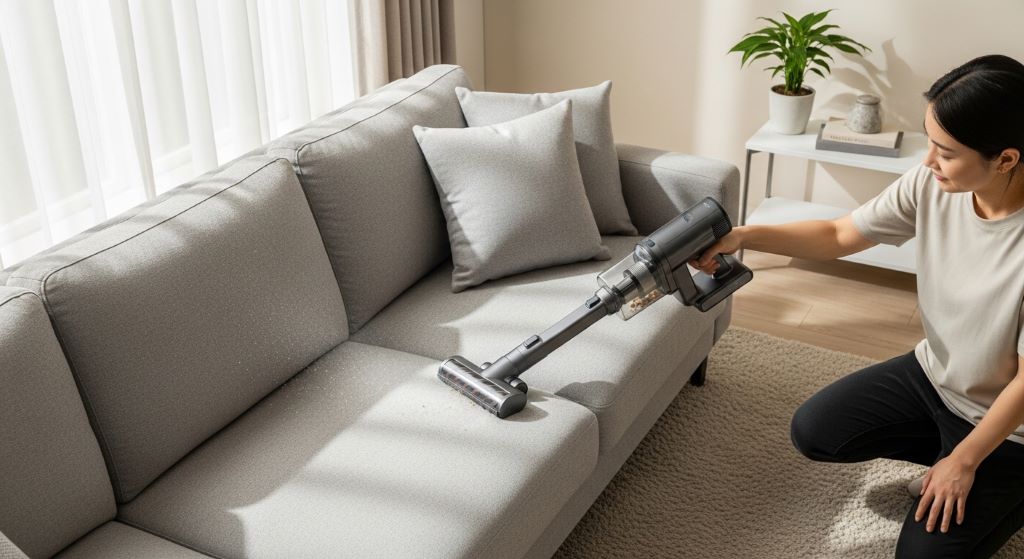
Your sofa is one of the most used pieces of furniture in your home. It collects crumbs, pet hair, dust, and debris every single day. Over time, all of that buildup makes your sofa look dull and feel less inviting. The solution does not have to be complicated or expensive. A handheld vacuum is one of the most practical tools you can own for keeping upholstery clean and fresh.
However, many people do not use their handheld vacuum to its full potential. They simply run it over the surface and call it done. The result is a sofa that still looks untidy. With the right technique and a bit of know-how, you can clean your sofa like a professional. This guide will show you exactly how to do that, step by step.
Why a Handheld Vacuum Is the Right Tool for Sofa Cleaning
Full-size vacuums are powerful, but they are not always the best fit for upholstery. They are heavy, difficult to maneuver around cushions, and their attachments do not always reach into crevices easily. A handheld vacuum, on the other hand, is lightweight and easy to control. You can guide it precisely where you need it.
Additionally, a cordless vacuum offers a level of convenience that corded models simply cannot match. You are not limited by the length of a power cable. You can move freely around your sofa without stopping to unplug and reposition. This makes the entire cleaning process faster and less frustrating.
Handheld vacuums are also ideal for small space cleaning. If your living room is compact, a bulky upright vacuum can feel unwieldy. A handheld unit fits easily between furniture pieces and gets the job done without knocking things over.
What to Do Before You Start Vacuuming
Preparation makes a big difference in how effective your cleaning session will be. Do not skip these steps before you switch on your vacuum.
Remove All Cushions and Loose Items
Start by taking all cushions off your sofa. Lay them flat on the floor nearby. Also remove any throws, pillows, and items tucked into the corners. Coins, remotes, and toys often hide in the folds of a sofa. Clearing everything first means you will not accidentally vacuum up something important.
Check Your Vacuum Filter and Dustbin
A clogged filter reduces suction significantly. Before you begin, check that the filter is clean. If it looks dirty, tap it gently over a bin or rinse it according to the manufacturer instructions. Additionally, empty the dustbin if it is more than halfway full. A full bin reduces performance and can cause the motor to work harder than it should.
Choose the Right Attachment
Most handheld vacuums come with several attachments. For sofa cleaning, you will primarily use two of them. The upholstery tool is wide and flat. It covers large surface areas quickly and is gentle on fabric. The crevice tool is narrow and elongated. It reaches into tight gaps between cushions and along seams. Using the right tool for each part of the sofa makes a noticeable difference in the result.
The Step-by-Step Method for Vacuuming Your Sofa
Once you are prepared, follow this sequence for the best results. Working in a consistent order helps you avoid missing any area.
Step 1: Vacuum the Sofa Frame First
Start with the back and sides of the sofa frame. Use the upholstery tool and move it slowly in long, overlapping strokes. Go in one direction first, then cross in the other direction. This two-pass approach lifts more debris than a single sweep. Work from top to bottom so that any dislodged dust falls to areas you have not cleaned yet.
Step 2: Clean the Seat Base and Crevices
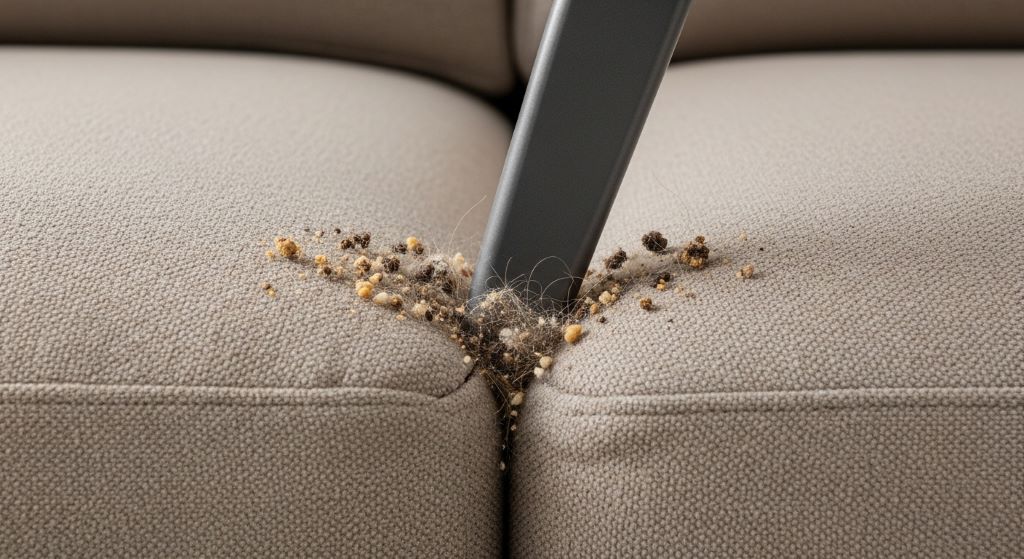
Switch to the crevice tool. Run it along every seam, fold, and gap in the seat base. This is where crumbs and pet hair accumulate most heavily. Move the tool slowly and apply light pressure. The suction will pull debris out of areas that a brush or cloth can never reach. Therefore, spending extra time on this step pays off.
Step 3: Vacuum the Cushions Individually
Pick up each cushion and vacuum both sides thoroughly with the upholstery tool. Pay close attention to the edges and corners where debris collects. If your cushions have zippers, run the crevice tool along the zipper line as well. Dust and small particles often settle into that narrow channel.
Step 4: Vacuum the Armrests
Armrests receive a lot of skin contact and tend to accumulate oils, dead skin cells, and dust. Use the upholstery tool here and move it in circular motions rather than straight lines. This loosens embedded particles more effectively. Additionally, use the crevice tool along the sides where the armrest meets the sofa body.
Step 5: Finish With the Sofa Legs and Base
Many people forget the legs and the area just beneath the sofa frame. Dust bunnies gather here quickly. Use the upholstery tool to quickly clean around and beneath the legs. If your vacuum has a brush attachment, this is a good place to use it on wooden or metal legs.
Pro Tips for a Deeper, More Effective Clean
These additional strategies will help you get results that go beyond a basic vacuum pass.
Use a Rubber Glove to Gather Pet Hair
Pet hair can cling stubbornly to fabric and resist even strong suction. Before vacuuming, put on a rubber glove and rub your hand across the sofa surface. The friction causes pet hair to ball up into clumps. These clumps are then very easy for your vacuum to pick up. This simple trick saves a lot of time and frustration.
Sprinkle Baking Soda for Odor Removal
If your sofa carries lingering odors from pets or food, baking soda is a safe and effective solution. Sprinkle a light layer over the sofa surface and let it sit for fifteen to twenty minutes. The baking soda absorbs odors naturally. Then vacuum it all up thoroughly. Your sofa will smell noticeably fresher afterward.
Vacuum in Both Directions
Vacuuming in two directions picks up significantly more debris than a single pass. This is especially important for sofas with a textured or looped fabric. However, avoid pressing too hard on delicate materials. Let the suction do the work rather than forcing the attachment into the fabric.
Clean Regularly, Not Just Occasionally
The best way to keep your sofa clean is to vacuum it once a week. Short, frequent sessions are far more effective than one big cleaning every month. A cordless vacuum makes this easy because it is always ready to use without any setup. Therefore, there is no excuse to let debris build up for weeks at a time.
Choosing the Right Handheld Vacuum for Upholstery
Not all handheld vacuums perform equally on sofas. When shopping for one, keep these features in mind:
- Strong suction power of at least 20 AW (air watts) for upholstery work.
- A motorized brush roll attachment designed specifically for fabric surfaces.
- Lightweight design, ideally under 1.5 kg, so your hand does not tire during use.
- A battery life of at least fifteen minutes per charge for a full cleaning session.
- A washable filter to reduce long-term maintenance costs.
Additionally, look for models that include a crevice tool and upholstery nozzle in the box. Buying these separately later adds unnecessary cost. A good cordless vacuum with the right attachments will serve you well for years of small space cleaning tasks well beyond just your sofa.
How Often Should You Clean Your Sofa?
The answer depends on how much use your sofa gets and whether you have pets or children. As a general rule, aim to vacuum your sofa at least once a week. If you have pets that shed heavily, twice a week is better.
For a deeper clean, consider removing and washing removable sofa covers every one to two months. Combine this with a thorough vacuum session for the best results. However, always check the fabric care label before washing any cover.
Additionally, address spills immediately rather than letting them dry. Dried stains are far harder to remove than fresh ones. A quick spot clean combined with regular vacuuming will keep your sofa looking its best for much longer.
Conclusion
Cleaning your sofa with a handheld vacuum does not have to be a chore. With the right technique, the right attachments, and a consistent routine, you can keep your upholstery looking clean and fresh at all times. The key steps are preparation, working in a systematic order, and using the correct tool for each area.
Remember to empty your dustbin and clean your filter before each session. Use the crevice tool for gaps and seams, and the upholstery tool for flat surfaces. Tricks like rubber gloves for pet hair and baking soda for odors take your results to the next level.
A lightweight, cordless vacuum makes the entire process easy and stress-free. Whether you are tackling a full cleaning session or a quick weekly refresh, the methods in this guide will help you achieve professional results every time.
Frequently Asked Questions
1. Can I use a handheld vacuum on all types of sofa fabric?
Yes, handheld vacuums work on most sofa fabrics including microfiber, velvet, linen, and cotton blends. However, always use the upholstery attachment rather than a bare nozzle to avoid damaging delicate materials. For leather sofas, use low suction and a soft brush attachment to prevent scratching.
2. How long does a handheld vacuum battery last during sofa cleaning?
Most quality handheld vacuums offer between 15 and 25 minutes of battery life per charge. This is typically enough time to vacuum a standard three-seat sofa with its cushions. If you have a large sectional sofa, consider charging your vacuum fully before each session and keep it stored on charge between uses.
3. Why does my handheld vacuum leave marks on my sofa fabric?
This usually happens when the attachment is pressed too hard against the fabric or when the suction is set too high. Try reducing the suction power and letting the tool glide gently rather than pressing down. Using the correct upholstery attachment instead of a hard plastic nozzle will also help prevent surface marks.
4. Is a handheld vacuum good enough for heavy pet hair on sofas?
A handheld vacuum can handle pet hair very well if it has strong suction and a motorized brush roll attachment. For best results, use the rubber glove technique first to gather the hair into clumps. Then vacuum the clumps up easily. Models with tangle-free brush rolls are especially helpful if your pet has long fur.
5. How do I stop my sofa from getting dirty so quickly?
Regular vacuuming is the most effective prevention. Additionally, consider using washable sofa covers or throws in high-use areas. Avoid eating on the sofa when possible, and brush pets before they settle on the upholstery. A consistent weekly routine with your handheld vacuum will prevent deep-seated dirt from building up over time.
Related Topics:
How to Clean Tar Stains from Teeth Without Dentist Visit
How Can You Unclog a Drain Naturally Without Harsh Chemicals?