Your roof is one of the most important parts of your home. It protects everything inside from rain, wind, heat, and cold. Therefore, choosing the right roofing material is a decision that deserves careful thought.
Many homeowners feel confused when they start shopping for roofing options. There are so many materials available today. Prices vary widely. Styles look very different from one another. However, the process becomes much simpler when you know what to look for.
This guide will walk you through everything you need to consider. By the end, you will feel confident making a choice that suits your home, your climate, and your budget.
Why the Right Roofing Material Matters
A roof does more than keep the rain out. It plays a big role in your home’s energy efficiency, curb appeal, and long-term value. The wrong material can lead to leaks, high energy bills, and costly repairs down the road.
On the other hand, the right material can last for decades with very little maintenance. It can also lower your heating and cooling costs. Additionally, a well-chosen roof improves the overall look of your home and can increase its resale value significantly.
Homeowners who invest time in this decision almost always come out ahead. So, take your time and use this guide to make a smart, informed choice.
Key Factors to Consider Before Choosing
Before you look at specific materials, it helps to think about your situation. Several important factors will shape your decision.
Your Local Climate
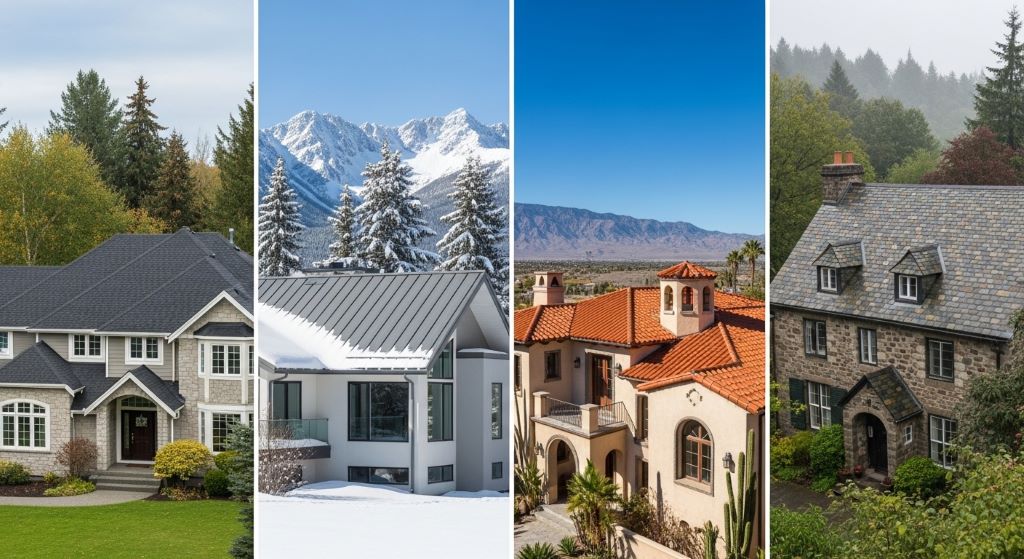
Climate is one of the most important things to consider. A material that works beautifully in a warm, dry region may fail quickly in a cold, wet one. For example, clay tiles are excellent in hot climates because they reflect heat. However, they can crack in areas with heavy frost.
If you live somewhere with heavy snowfall, you need a roof that can handle significant weight. If you live near the coast, you need something that resists salt air and high winds. Therefore, always match your roofing material to the weather conditions in your area.
Your Home’s Architecture
Different homes suit different roof types. A steeply pitched roof works well with shingles and tiles. A flat or low-slope roof requires a completely different set of materials. Before you choose anything, look at the style and structure of your home.
Your contractor can advise you on which materials are compatible with your roof’s slope and design. This step will help you narrow down your options quickly.
Your Budget
Roofing costs vary enormously. Some materials are affordable upfront but require more maintenance over time. Others cost more at the start but last much longer and need very little upkeep.
Think about your budget in two ways. First, consider what you can spend right now. Second, think about the long-term cost of ownership. Sometimes spending a little more upfront saves you a great deal of money over the life of the roof.
Energy Efficiency Goals
Many homeowners today want a roof that helps reduce energy use. Certain materials reflect sunlight and keep your home cooler in summer. Others provide better insulation to hold heat in during winter. If energy savings are a priority for you, factor this into your material choice from the beginning.
A Look at the Most Common Roof Types
Understanding the main roof types available will help you make a well-rounded decision. Each has its own strengths, weaknesses, and ideal use cases.
Asphalt Shingles
Asphalt shingles are the most widely used roofing material in North America. They are popular for good reason. They are affordable, easy to install, and available in many colors and styles. Most asphalt shingles last between 20 and 30 years with proper care.
They work well in a wide range of climates. However, they are not the best choice for areas with extreme heat over long periods, as this can cause them to age faster. Additionally, they are not the most environmentally friendly option available.
For homeowners on a moderate budget who want a reliable, attractive roof, asphalt shingles remain an excellent starting point.
Metal Roofing
Metal roofing has grown in popularity over the past two decades. It is durable, lightweight, and extremely long-lasting. A properly installed metal roof can last 40 to 70 years. Furthermore, it handles rain, snow, and high winds very well.
Metal roofs reflect solar heat, which helps keep homes cooler in warm climates. They are also recyclable at the end of their life, making them a more sustainable choice. The main drawback is the higher upfront cost. However, many homeowners find the long lifespan and low maintenance needs make it worth the investment.
Clay and Concrete Tiles
Clay tiles give a home a distinctive, Mediterranean look. They are extremely durable and can last 50 years or more. Concrete tiles offer a similar appearance at a lower price point.
Both options are heavy. Therefore, your home’s structure must be strong enough to support the added weight. A structural assessment before installation is essential. These tiles work best in warm, dry climates where their heat-resistant properties truly shine.
Wood Shingles and Shakes
Wood shingles and shakes bring a natural, rustic charm to a home. They are typically made from cedar, redwood, or pine. They provide good insulation and age gracefully, developing a silver-gray patina over time.
However, wood requires regular maintenance to prevent mold, rot, and insect damage. It is also not suitable for areas prone to wildfires unless treated with a fire-retardant coating. In the right environment and with proper care, wood roofing is both beautiful and durable.
Slate Roofing
Slate is one of the oldest and most elegant roofing materials available. It is a natural stone that can last over 100 years when properly maintained. Slate is fireproof, waterproof, and resistant to mold and mildew.
The downsides are its weight and its cost. Slate is one of the most expensive roofing materials on the market. It also requires skilled installers who are experienced with the material. Additionally, its weight means your home may need structural reinforcement. However, for homeowners who want the best and plan to stay in their home for decades, slate is hard to beat.
Flat Roofing Options
Flat roofs are common on modern homes and commercial buildings. They require different materials than pitched roofs. Popular choices include EPDM rubber, TPO membranes, and built-up roofing systems.
These materials create a waterproof seal across the entire surface. They are generally affordable and easy to repair. However, flat roofs require regular inspection to ensure drainage is working properly. Standing water can cause damage if left unaddressed.
How to Evaluate Residential Roofing Solutions
With so many choices available, it helps to have a clear evaluation process. Here is a simple way to compare your options.
Start by listing your top priorities. Is it cost, longevity, appearance, or energy efficiency? Rank these in order of importance. Then compare each material against your list.
Next, gather quotes from at least two or three licensed roofing contractors. A good contractor will assess your home, discuss your needs, and recommend suitable residential roofing solutions for your specific situation. They will also account for local building codes and HOA requirements if applicable.
Ask each contractor about warranties. Roofing warranties cover both the materials and the installation. A strong warranty gives you peace of mind and protects your investment.
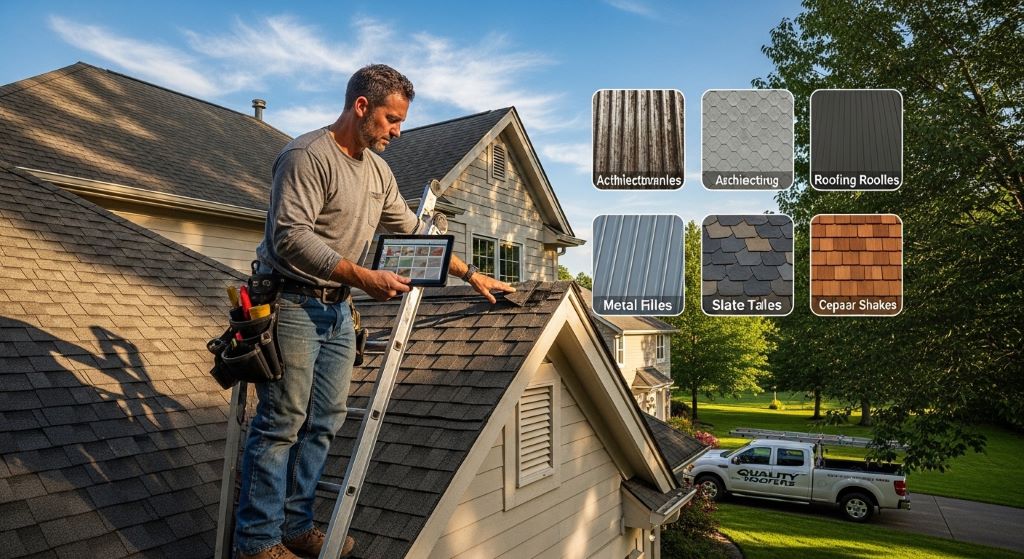
Finally, look at examples of each material installed on homes similar to yours. Many contractors have photo galleries or can take you to see completed projects. Seeing the material in real life helps you make a confident final decision.
The Importance of Professional Installation
Even the best roofing material will underperform if it is not installed correctly. Poor installation leads to leaks, drafts, and premature wear. Therefore, hiring a qualified and experienced roofing contractor is just as important as choosing the right material.
Look for contractors who are licensed and insured. Check their reviews and references carefully. Ask how long they have been in business and whether they specialize in the material you have chosen. A reputable contractor will answer your questions honestly and provide a clear, written estimate.
Do not choose a contractor based solely on price. The cheapest quote is not always the best value. Quality workmanship protects your home and your investment for years to come.
Maintenance Considerations for Each Material
Every roofing material requires some level of care. Understanding what is involved helps you plan ahead and avoid unexpected costs.
- Asphalt shingles should be inspected annually and after major storms. Replace any damaged or missing shingles promptly.
- Metal roofs need very little maintenance but should be checked for loose fasteners and sealant around penetrations every few years.
- Clay and concrete tiles are low-maintenance but can crack if walked on improperly. Have a professional handle any repairs.
- Wood shingles need cleaning to remove moss and debris, and may need resealing every few years.
- Slate is very low-maintenance but individual cracked tiles should be replaced quickly to prevent water infiltration.
- Flat roofing systems should be inspected twice a year and after heavy rain to check for pooling water and membrane damage.
Regular maintenance extends the life of any roof significantly. It also helps you catch small problems before they turn into expensive ones.
Conclusion
Selecting the right roofing material for your home does not have to be complicated. Start by understanding your climate, your home’s structure, and your budget. Then explore the main roof types available and weigh their pros and cons against your priorities.
Whether you choose affordable asphalt shingles, long-lasting metal, elegant slate, or something in between, the key is making an informed decision. Work with a qualified contractor who can guide you toward the best residential roofing solutions for your specific needs.
A good roof protects your home, boosts its value, and gives you peace of mind for decades. Take your time, do your research, and invest wisely. Your home deserves nothing less.
Frequently Asked Questions
How do I know which roofing material is best for my climate?
Match the material to your local weather conditions. Hot and dry climates benefit from clay tiles or metal. Cold and snowy regions do well with asphalt shingles or metal. Coastal areas need materials that resist moisture and wind. Always consult a local contractor who understands regional conditions.
How long does a typical roof last?
It depends on the material. Asphalt shingles last 20 to 30 years. Metal roofing lasts 40 to 70 years. Clay tiles can last 50 years or more. Slate can exceed 100 years with proper care. Regular maintenance extends the lifespan of any material.
Is metal roofing noisy during rain?
With proper insulation and underlayment, metal roofing is no noisier than other materials. In fact, the sound of rain on a well-insulated metal roof is barely noticeable from inside the home. Ask your contractor about the best underlayment options to minimize sound.
What is the most affordable roofing material available?
Asphalt shingles are generally the most affordable option for both material cost and installation. They offer good value for homeowners on a budget. However, it is worth comparing long-term costs, as a more expensive material with a longer lifespan may cost less over time.
Do I need a permit to replace my roof?
In most areas, yes. Roofing permits are required to ensure the work meets local building codes. Your contractor should handle the permit process for you. Always confirm this before work begins. Unpermitted work can cause problems when you sell your home.
Related Topics:
How to Follow Metal Roofing Trends in Modern Homes
How to Fix Gap Between Door and Frame: Complete DIY Guide for a Perfect Seal