To unclog a drain naturally, you can use simple household items like baking soda, vinegar, hot water, salt, and dish soap to break down grease, soap scum, and organic buildup—without damaging pipes or harming the environment.
A slow or clogged drain is one of those everyday problems that feels small—until water starts backing up and your sink, shower, or kitchen becomes unusable. Many people reach for chemical drain cleaners, but these products can be harsh on your pipes, unsafe for children and pets, and harmful to septic systems and the environment.
The good news? You don’t need corrosive chemicals or expensive tools to fix most clogs. With the right approach, you can unclog a drain naturally using items already in your kitchen. Natural clog removal methods are safer, affordable, and surprisingly effective when used correctly.
This guide answers the most common questions people ask about natural drain cleaning. You’ll learn step-by-step methods, when each solution works best, and how to prevent future clogs. Every section starts with a clear, snippet-ready answer to help you find what you need fast.
If you want clean, free-flowing drains—without toxic chemicals—this guide is for you.
What Is the Best Natural Way to Unclog a Drain?
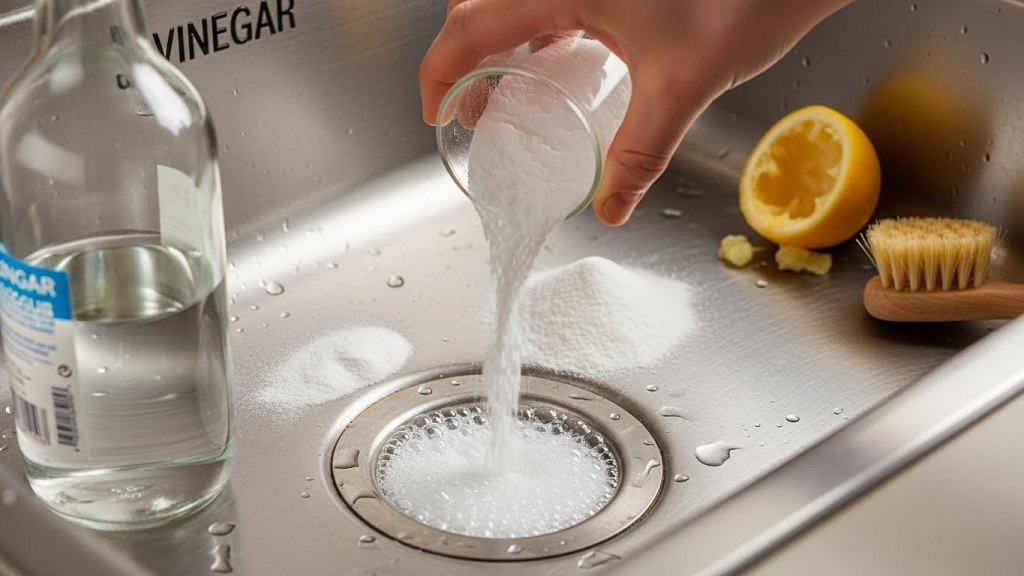
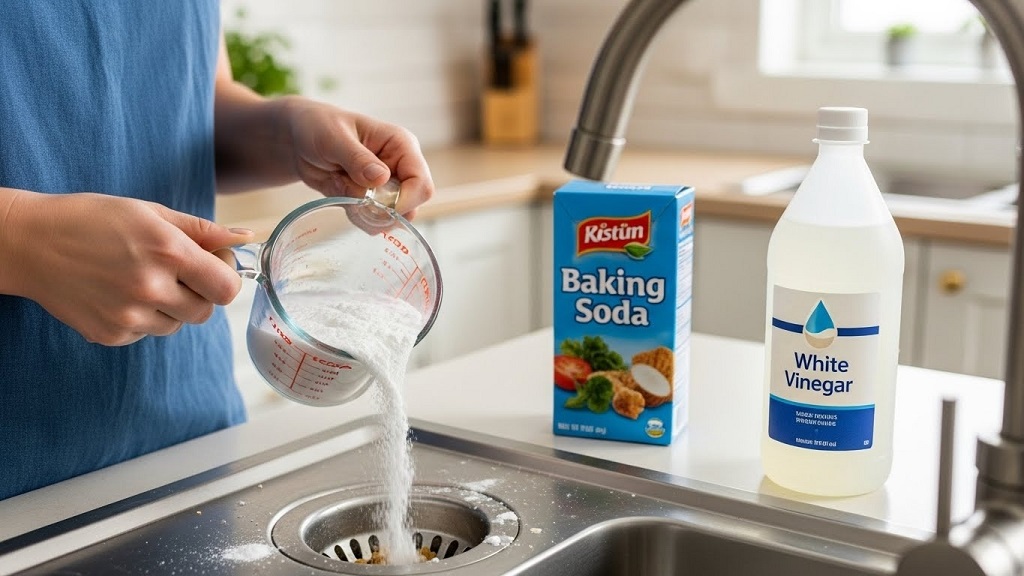
The best natural way to unclog a drain is to use a baking soda and vinegar drain method followed by hot water, as it breaks down grease, soap residue, and organic matter safely.
This method works because baking soda is mildly abrasive and alkaline, while vinegar is acidic. When combined, they create a fizzing reaction that loosens buildup clinging to pipe walls.
How to Do It Step by Step
- Remove any visible debris from the drain opening.
- Pour 1/2 cup of baking soda directly into the drain.
- Add 1 cup of white vinegar slowly.
- Cover the drain and let it fizz for 15–30 minutes.
- Flush with a kettle of hot (not boiling) water.
This technique is ideal for sinks, tubs, and shower drains with slow drainage caused by soap scum or grease.
Does Baking Soda and Vinegar Really Work for Drain Clogs?
Yes, baking soda and vinegar can unclog drains naturally when the clog is caused by organic buildup, grease, or soap residue.
However, it’s important to set expectations. This method won’t dissolve solid objects or severe blockages deep in the pipe. It works best as a first-line solution or for maintenance.
When It Works Best
- Kitchen sinks with grease buildup
- Bathroom sinks with toothpaste and soap scum
- Shower drains clogged with light hair residue
For stubborn clogs, repeating the process once or twice can improve results.
How Can You Unclog a Kitchen Sink Naturally?
To unclog a kitchen sink naturally, use hot water, dish soap, and baking soda to break down grease and food particles.
Kitchen sink clogs are usually caused by oil, fat, and food debris. Dish soap is designed to cut grease, making it a powerful yet gentle solution.
Natural Kitchen Sink Method
- Boil a kettle of water and let it cool slightly.
- Add a few tablespoons of grease-cutting dish soap.
- Slowly pour the hot soapy water down the drain.
- Follow with baking soda and vinegar if needed.
This method is especially effective if the sink drains slowly rather than being fully blocked.
How Do You Unclog a Bathroom Sink or Shower Drain Naturally?
You can unclog a bathroom drain naturally by removing hair buildup and using baking soda, vinegar, and hot water.
Hair is the number one cause of bathroom clogs. Before using any solution, manually remove as much hair as possible.
Best Natural Approach for Bathroom Drains
- Use a drain snake or bent wire hanger to pull out hair.
- Pour 1/2 cup baking soda into the drain.
- Add 1 cup vinegar and let sit for 20 minutes.
- Flush with hot water.
This combination targets both physical blockages and residue left behind.
Can Salt Be Used for Natural Clog Removal?
Yes, salt helps with natural clog removal by acting as an abrasive that loosens grease and grime.
Salt works best when combined with hot water or baking soda. It’s especially useful for maintenance cleaning.
Salt and Baking Soda Method
- Mix 1/2 cup salt with 1/2 cup baking soda.
- Pour the mixture down the drain.
- Let it sit overnight.
- Flush with hot water in the morning.
This method is gentle and safe for regular use.
Is It Safe to Use Boiling Water to Unclog a Drain?
Boiling water can unclog drains naturally, but it should be used carefully to avoid pipe damage.
Metal pipes can usually handle boiling water. PVC pipes, common in modern homes, may soften if exposed to extreme heat.
Best Practice
- Use very hot water, not rolling boiling water.
- Pour slowly in stages.
- Combine with dish soap for greasy clogs.
This is often the fastest natural fix for minor clogs.
When Should You Avoid Natural Drain Cleaning Methods?
You should avoid natural methods if the drain is completely blocked, backing up sewage, or emitting strong odors.
These signs may indicate a deep or serious blockage that requires professional tools.
Warning Signs
- Water backing up into other fixtures
- Gurgling sounds from multiple drains
- Persistent foul smells
In these cases, stop DIY attempts and consult a plumber.
How Can You Prevent Clogs Naturally in the Future?
The best way to prevent clogs naturally is regular maintenance and mindful drain habits.
Simple Prevention Tips
- Use drain strainers to catch hair and food.
- Avoid pouring grease down the sink.
- Flush drains weekly with hot water.
- Use baking soda and vinegar monthly.
Prevention is easier and cheaper than fixing a clog.
Conclusion: Is Natural Drain Cleaning Worth It?
Yes, unclogging a drain naturally is safe, effective, and eco-friendly for most common household clogs.
Using simple ingredients like baking soda, vinegar, salt, and dish soap allows you to fix slow drains without exposing your home to harsh chemicals. These methods protect your pipes, your health, and the environment—while saving money.
Natural clog removal works best when used early and consistently. If you notice slow drainage, act quickly. Small clogs are much easier to handle than full blockages.
Call to Action: Try one of these natural methods today and restore your drain’s flow. If this guide helped you, share it with a friend or bookmark it for future reference. Clean drains start with smart habits.
FAQs: Unclogging a Drain Naturally
Can you unclog a drain naturally without baking soda?
Yes. Hot water, dish soap, salt, and manual hair removal can all unclog drains naturally without baking soda.
How long should baking soda and vinegar sit in a drain?
Let the mixture sit for 15–30 minutes. For tough clogs, you can leave it overnight.
Is natural drain cleaning safe for septic systems?
Yes. Natural methods are septic-safe and won’t disrupt beneficial bacteria.
How often should you clean drains naturally?
Once a month is ideal for maintenance. Weekly hot water flushing also helps.
Will vinegar damage pipes?
No. White vinegar is safe for household plumbing when used occasionally.
What natural method works best for hair clogs?
Manual hair removal followed by baking soda, vinegar, and hot water works best.
Related Topics: The Enchanting Glow: Unveiling the World of Realistic Flameless Candles
Related Topics: Elevate Your Space: Choosing Home Decor Accessories to Match Your Rooms