Why Spray Foam Insulation Matters
Your home loses energy every day. Heat escapes through walls, attics, and crawl spaces. This drives up energy bills and makes rooms uncomfortable. Spray foam insulation stops this problem. It creates a strong barrier against heat loss and air leaks. Homeowners save money and stay cozy year-round. According to the U.S. Department of Energy, proper insulation can reduce energy costs by up to 20%. A 2021 study from the National Institute of Standards and Technology showed insulated homes use 15% less energy. Spray foam insulation outperforms traditional options. Ready to learn how it transforms your home’s energy efficiency? Let’s dive in!
What Is Spray Foam Insulation?
Spray foam insulation is a modern solution for home insulation. It’s a liquid foam that expands and hardens when applied. It fills gaps, cracks, and hard-to-reach areas. Unlike fiberglass or cellulose insulation, it creates an airtight seal. This stops air infiltration and boosts thermal resistance. There are two main types: open-cell spray foam and closed-cell spray foam. Open-cell is lighter and flexible, ideal for sound barriers. Closed-cell is denser, offering superior resistance to moisture and heat transfer. Both types improve energy efficiency. Spray foam works in attics, walls, basements, and crawl spaces. It’s a versatile choice for any home.
How Spray Foam Boosts Energy Efficiency
Energy efficiency saves money and keeps your home comfortable. Spray foam insulation excels here. It forms a thermal envelope that reduces heat loss. This means your heating and cooling systems work less. Your home stays warm in winter and cool in summer. The U.S. Environmental Protection Agency states that air sealing with insulation can cut energy bills by 10–20%. Spray foam’s unique ability to seal air leaks makes it highly effective. It fills every nook and cranny, stopping drafts. This creates a complete seal, unlike traditional insulation. Homeowners notice lower utility bills and consistent indoor temperatures.
Key Benefits of Spray Foam for Energy Savings
- Reduces Energy Bills: Cuts heating and cooling costs by up to 20%.
- Stops Air Leaks: Creates an airtight seal to block drafts.
- Improves Thermal Resistance: High R-value blocks heat transfer.
- Enhances Comfort: Maintains consistent indoor temperatures.
- Lowers Carbon Footprint: Uses less energy, reducing environmental impact.
Spray Foam vs. Traditional Insulation
Traditional insulation, like fiberglass or cellulose, has limitations. Fiberglass batts leave gaps where air escapes. Cellulose settles over time, reducing effectiveness. Spray foam outperforms both. It expands to fill every space, creating a strong barrier. Closed-cell spray foam has an R-value of 6–7 per inch, compared to fiberglass’s 3–4. This means better thermal resistance. Spray foam also acts as an air and moisture barrier, unlike traditional options. Fiberglass can trap moisture, leading to mold growth. Spray foam’s moisture resistance prevents mold issues. For homeowners seeking ideal insulation, spray foam is the clear winner.
Comparison Table: Spray Foam vs. Traditional Insulation
| Feature | Spray Foam Insulation | Fiberglass Insulation | Cellulose Insulation |
| R-Value per Inch | 6–7 (Closed-Cell) | 3–4 | 3–3.7 |
| Air Sealing | Excellent | Poor | Moderate |
| Moisture Resistance | High | Low | Low |
| Mold Prevention | Strong | Weak | Weak |
| Longevity | Long-lasting | Settles over time | Settles over time |
Types of Spray Foam Insulation
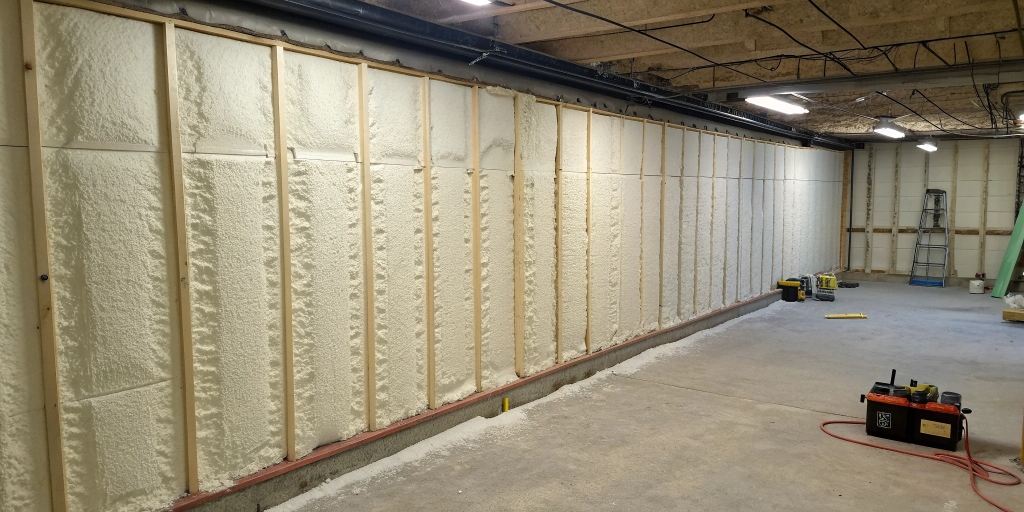
Spray foam comes in two forms: open-cell and closed-cell. Each has unique benefits. Open-cell spray foam is softer and less dense. It’s great for sound barriers and interior walls. Its R-value is around 3.5 per inch. Closed-cell spray foam is denser and stronger. It’s perfect for basements, crawl spaces, and exterior walls. Its R-value is 6–7 per inch, offering better energy savings. Closed-cell foam also acts as a vapor barrier, reducing moisture intrusion. Both types improve energy efficiency, but closed-cell is the top choice for harsh climates or moisture-prone areas.
Which Type Suits Your Home?
- Open-Cell Spray Foam: Best for interior walls, attics, and soundproofing. Affordable but less moisture-resistant.
- Closed-Cell Spray Foam: Ideal for basements, crawl spaces, and exterior walls. Higher cost but superior strength and moisture control.
Where to Use Spray Foam in Your Home
Spray foam insulation works in many areas. It’s perfect for hard-to-reach spaces where traditional insulation struggles. Here are key spots to consider:
- Attic Foam Insulation: Stops heat loss through the roof. Reduces energy costs significantly.
- Spray Foam Wall Insulation: Seals gaps in walls for better thermal resistance.
- Basement Wall Insulation: Prevents moisture and leaks in damp basements.
- Foam Insulation Crawl Space: Creates a barrier against cold floors and moisture.
- Foam Roof Insulation: Protects against heat transfer and air infiltration.
- Spray Foam Insulation Crawl: Keeps crawl spaces dry and energy-efficient.
Each area benefits from spray foam’s ability to form a complete seal. Insulation contractors can assess your home’s needs. They ensure proper insulation for maximum energy savings.
Energy Efficiency Benefits in Action
Spray foam delivers measurable results. A 2020 case study from the Department of Energy showed a home with spray foam insulation cut energy use by 18%. The homeowner saved $600 annually on utility bills. Spray foam’s airtight seal stopped air leaks in the attic and walls. This reduced the strain on HVAC systems. Another example: a family in a cold climate used closed-cell spray foam in their basement. Their heating costs dropped by 15%. The home felt warmer, and mold issues disappeared. These real-world results show spray foam’s power to transform energy efficiency.
Moisture Control and Mold Prevention
Moisture is a major issue in homes. It causes mold and mildew, damaging structures and health. Spray foam insulation excels at moisture control. Closed-cell spray foam acts as a moisture barrier, stopping water leaks and moisture intrusion. This reduces the risk of mold. Unlike fiberglass, which absorbs water, spray foam resists it. A 2019 study by the Building Science Corporation found that homes with spray foam had 50% less mold growth than those with traditional insulation. This makes spray foam ideal for basements, crawl spaces, and humid climates. It keeps your home dry and healthy.
Reducing Your Carbon Footprint
Energy efficiency isn’t just about saving money. It’s about protecting the planet. Spray foam insulation lowers your home’s carbon footprint. Reducing energy use cuts greenhouse gas emissions. The U.S. Green Building Council reports that energy-efficient homes can reduce emissions by 1.5 tons annually. Spray foam’s long lifespan means fewer replacements, saving resources. Its ability to seal air leaks also reduces the need for excessive heating or cooling. Choosing spray foam is a smart way to make your home eco-friendly. You save money while helping the environment.
Cost of Spray Foam Insulation
Spray foam insulation costs more upfront than traditional insulation. Open-cell foam ranges from $0.44 to $0.65 per square foot. Closed-cell foam costs $1 to $1.50 per square foot. However, the investment pays off. Energy savings reduce utility costs over time. A 2022 report from Energy Star estimated a 3–5 year payback period for spray foam insulation. The exact cost depends on your home’s size and insulation needs. Hiring insulation experts ensures proper installation. While DIY insulation is possible, professional work guarantees the best results. Always get quotes from insulation contractors to plan your insulation project.
Factors Affecting Spray Foam Insulation Costs
- Home Size: Larger homes need more material, increasing costs.
- Type of Foam: Closed-cell foam is pricier than open-cell.
- Area Insulated: Attics, walls, or crawl spaces vary in complexity.
- Labor Charges: Professional installation adds to the cost but ensures quality.
Long-Term Savings and Value
Spray foam insulation offers substantial benefits. Its durability means it lasts decades without settling or degrading. This reduces maintenance costs. Energy savings lower utility bills year after year. The high R-value of closed-cell spray foam maximizes thermal efficiency. Homeowners also enjoy improved comfort and air quality. Spray foam adds value to your home. A 2021 study by the National Association of Realtors found that energy-efficient homes sell for 2–3% more. Investing in spray foam is a smart strategy for insulation. It delivers comfort, savings, and increased home value.
Working with Insulation Experts
Hiring insulation contractors ensures quality results. They assess your home’s needs and recommend the best foam type. Professionals handle complex areas like crawl spaces or foam ceiling insulation. They use advanced insulation technology for a perfect fit. Look for certified contractors with experience in spray foam. Check reviews and ask for references. Proper installation maximizes energy efficiency benefits. Experts also ensure safety, as spray foam requires proper ventilation during application. While DIY insulation might seem cheaper, mistakes can reduce effectiveness. Trust insulation experts for a strong, effective barrier in your home.
Common Myths About Spray Foam Insulation
Some myths scare homeowners away from spray foam. Let’s clear them up:
- Myth: Spray Foam Is Unsafe: When installed correctly, it’s safe and non-toxic.
- Myth: It’s Too Expensive: Higher upfront costs lead to long-term savings.
- Myth: It Traps Moisture: Closed-cell foam resists moisture, preventing mold.
- Myth: It’s Only for New Homes: Spray foam works in old and new homes alike.
- Myth: DIY Is Easy: Professional installation ensures the best results.
These myths shouldn’t stop you from choosing spray foam. Its numerous benefits make it a top choice for energy-saving insulation.
Practical Tips for Homeowners
Ready to improve your home’s energy efficiency? Follow these steps:
- Assess Your Home: Check for drafts, high energy bills, or uneven temperatures.
- Consult Experts: Contact insulation contractors for a home evaluation.
- Choose the Right Foam: Decide between open-cell or closed-cell foam based on your needs.
- Plan Your Budget: Factor in upfront costs and long-term savings.
- Schedule Installation: Work with professionals for a seamless process.
These steps ensure your insulation project succeeds. Spray foam delivers value for years, making your home comfortable and efficient.
Conclusion: Transform Your Home with Spray Foam
Spray foam insulation revolutionizes energy efficiency. It seals air leaks, boosts thermal resistance, and cuts energy costs. Homeowners enjoy lower utility bills, better comfort, and a smaller carbon footprint. Unlike traditional insulation, spray foam prevents moisture and mold issues. Its versatility works in attics, walls, basements, and crawl spaces. While costs are higher upfront, long-term savings make it worthwhile. Ready to transform your home? Contact insulation experts today to explore spray foam insulation. Start saving energy and money now!
FAQs
What is the R-value of spray foam insulation?
Closed-cell spray foam has an R-value of 6–7 per inch. Open-cell foam offers 3.5 per inch. Both provide excellent thermal resistance.
Is spray foam insulation safe for my home?
Yes, when installed by professionals, spray foam is safe and non-toxic. Proper ventilation during installation ensures safety.
Can spray foam insulation prevent mold growth?
Closed-cell spray foam resists moisture, reducing the risk of mold and mildew. It’s ideal for damp areas like basements.
How much does spray foam insulation cost?
Open-cell foam costs $0.44–$0.65 per square foot. Closed-cell foam costs $1–$1.50. Savings on energy bills offset the cost.
Where should I use spray foam insulation in my home?
Use it in attics, walls, basements, crawl spaces, and roofs. It seals hard-to-reach areas for maximum energy efficiency.
References
- U.S. Department of Energy: https://www.energy.gov/energysaver/insulation
- National Institute of Standards and Technology: https://www.nist.gov/publications/energy-efficiency-residential-buildings
- U.S. Environmental Protection Agency: https://www.epa.gov/energy/air-sealing
- Building Science Corporation: https://www.buildingscience.com/documents/moisture-control-insulation
- U.S. Green Building Council: https://www.usgbc.org/resources/energy-efficiency-homes
- Energy Star: https://www.energystar.gov/saveathome/insulation
- National Association of Realtors: https://www.nar.realtor/energy-efficient-homes