Backyard rentals, often known as accessory dwelling units (ADUs), are small living spaces built on residential properties. They can be standalone cottages, garage conversions, or basement apartments. On paper, they provide affordable housing and give homeowners extra income. However, not everyone welcomes them. Many homeowners worry about overcrowding, reduced privacy, and the strain on local infrastructure. This tension has sparked heated debates in neighborhoods across the country.
How do homeowners fight backyard rentals in their communities?
Homeowners use different approaches to limit or stop the spread of these units. For example, some challenge city planning decisions, while others lobby local governments for tighter rules. In fact, a growing number of residents are turning to legal channels and zoning disputes to make their voices heard. If you’ve ever asked yourself how do homeowners fight backyard rentals, the answer usually lies in organized community action and navigating zoning codes. These efforts reflect deeper concerns about property values, parking, and long-term neighborhood identity.
Why do zoning laws play such a big role in this battle?
Zoning is the most common tool cities use to regulate property use. Homeowners opposed to backyard rentals often argue that ADUs violate the intended single-family character of their neighborhoods. By pointing to density restrictions, minimum lot sizes, and setback rules, they can pressure officials to reject or restrict rental proposals. Additionally, zoning hearings give residents a formal stage to air concerns, making them one of the strongest avenues for resistance.
What arguments do homeowners raise against backyard rentals?
When opposing these units, residents typically highlight:
- Parking congestion: Additional tenants bring more cars, often exceeding available street or driveway space.
- Strain on services: More people mean higher demand for water, sewage, and trash collection.
- Noise and privacy issues: Smaller lots may result in neighbors feeling crowded out.
- Impact on property values: Some homeowners fear that rental-heavy neighborhoods discourage future buyers.
These arguments often carry emotional weight, as they touch directly on quality-of-life concerns for long-time residents.
How are cities responding to homeowner resistance?
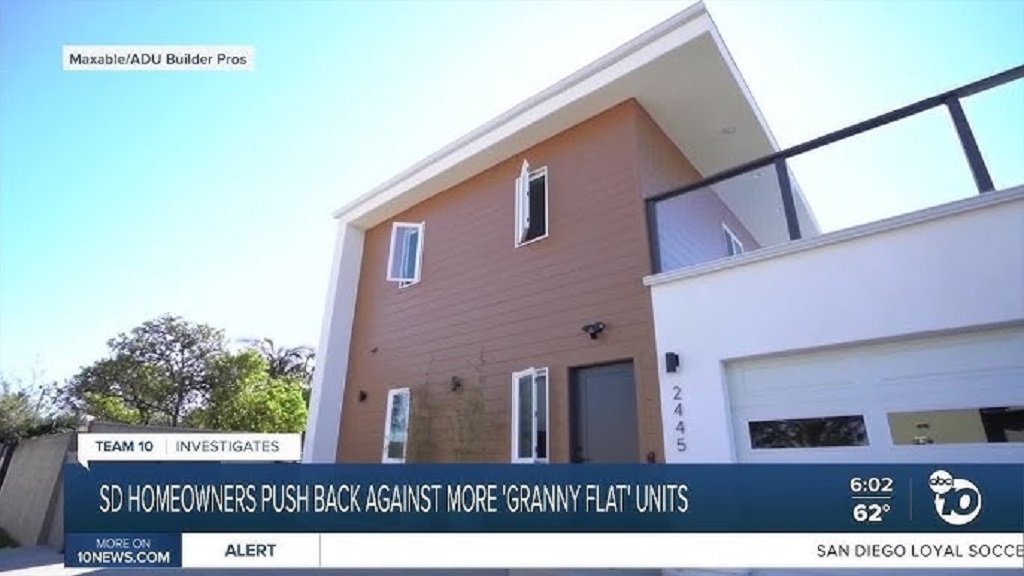
Local governments face a balancing act. On one hand, there is pressure to address housing shortages, especially in urban areas. On the other, elected officials must respond to vocal homeowners who want to preserve their neighborhoods. Some cities compromise by allowing backyard rentals under strict conditions, such as limiting unit size, requiring owner-occupancy, or imposing parking requirements. Others adopt statewide mandates that override local pushback, as seen in places like California according to the Los Angeles Times.
What strategies do homeowner groups use beyond zoning battles?
Beyond zoning hearings, many neighborhoods turn to grassroots organizing. Homeowners create associations, host meetings, and run campaigns to pressure city councils. They also leverage social media and petitions to gain visibility. In some cases, lawsuits are filed against municipalities, claiming that ADUs violate environmental or land-use regulations. These methods, while time-consuming, can slow down or block backyard rental projects altogether.
Can backyard rentals affect neighborhood culture?
Yes. For long-term residents, neighborhood stability is a key concern. Some fear that an influx of renters may weaken community bonds, especially if tenants are short-term. Others argue that rentals may change the architectural character of a neighborhood. This cultural dimension makes the debate more than just about housing policy—it becomes about identity and belonging.
What role does southeast onrent play in this discussion?
Resources like southeast onrent offer homeowners practical advice on rental laws, zoning issues, and tenant rights. By understanding these rules, property owners can make informed decisions about whether to support or resist backyard rentals. Knowledge empowers homeowners to participate in public hearings and ensures they don’t feel left behind in policy debates.
Is there any middle ground between homeowners and backyard rental advocates?
Finding compromise is difficult, but not impossible. Some solutions include limiting backyard rentals to family members, restricting short-term rentals, or setting strict design guidelines to ensure units fit the neighborhood’s character. These measures help address fears while still allowing additional housing options. Dialogue between policymakers and residents is critical for reaching balanced solutions.
Conclusion
Backyard rentals sit at the crossroads of housing policy, property rights, and neighborhood identity. For some, they represent innovation and affordability. For others, they signal overcrowding and loss of community charm. Homeowners are not passive in this debate—they organize, attend zoning hearings, and push for tighter rules to protect their interests. Whether cities lean toward expansion or preservation, the push and pull between homeowners and backyard rental advocates will shape communities for years to come. For anyone navigating these disputes, staying informed and involved is the most effective way forward.
Read More Also: Bubbles and Bliss: Can You Put Bubble Bath in a Jacuzzi Tub
FAQ
Why are backyard rentals becoming more common?
They address rising housing costs and give homeowners extra income. Cities also see them as a way to use land more efficiently.
Do backyard rentals always lower property values?
Not always. Some buyers view them as an asset for rental income. However, others see them as a sign of overcrowding.
Can cities ban backyard rentals completely?
Yes, some municipalities do, but in states with housing mandates, cities may be required to allow them in some form.
What is the difference between short-term and long-term backyard rentals?
Short-term rentals, like those on Airbnb, often cause more friction due to constant tenant turnover. Long-term rentals are seen as more stable.
How do homeowner associations (HOAs) handle backyard rentals?
HOAs often ban or limit them through bylaws, giving homeowners another avenue to restrict rentals.
Can backyard rentals increase local tax revenue?
Yes, additional housing units may raise property tax assessments and bring in permit fees for cities.
What should homeowners do if they oppose a new backyard rental law?
They should attend public hearings, organize with neighbors, and research zoning codes to present strong arguments.