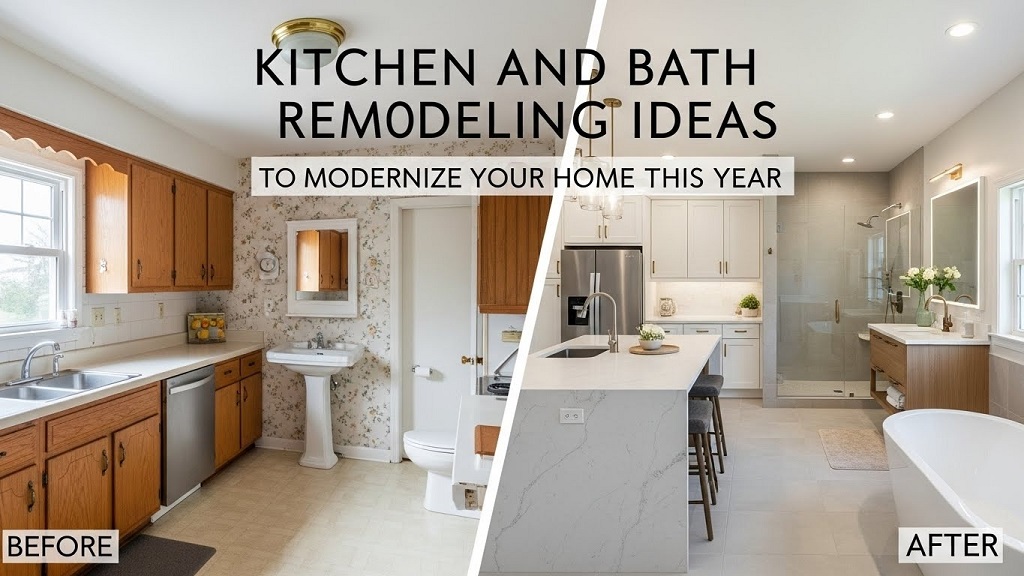
Picture this: you walk into your kitchen every morning, and instead of being greeted by outdated, worn countertops that make you cringe, you’re welcomed by stunning surfaces that look like they cost thousands but actually transformed your space for under $200. This isn’t a fantasy—it’s entirely achievable with the right do-it-yourself countertop solutions that savvy homeowners are using to create magazine-worthy kitchens on shoestring budgets.
The kitchen renovation industry has seen a remarkable shift toward budget-friendly alternatives, with DIY countertop projects leading the charge. Whether you’re dealing with laminate surfaces that have seen better days, tired tile that’s lost its luster, or simply wanting to refresh your space without the hefty price tag of professional installation, these innovative approaches will help you achieve the kitchen of your dreams.
Why Choose DIY Countertops Over Professional Installation?
The appeal of DIY countertop renovation extends far beyond simple cost savings. When you tackle this project yourself, you maintain complete control over the timeline, materials, and final appearance. Professional countertop installation can cost anywhere from $2,000 to $8,000 depending on materials and square footage, while most DIY alternatives can be completed for $50 to $500.
Beyond the financial benefits, DIY projects offer flexibility that professional installations simply can’t match. You can work at your own pace, make adjustments as you go, and even experiment with unique color combinations or techniques that reflect your personal style. This hands-on approach also means you’ll understand exactly how your countertops were created, making future maintenance and repairs much simpler.
Budget-Friendly Countertop Materials That Deliver Style
Contact Paper and Adhesive Films
One of the most affordable countertop solutions involves high-quality contact paper designed specifically for kitchen surfaces. Modern adhesive films have evolved dramatically, offering realistic wood grain, marble patterns, and contemporary solid colors that can fool even discerning eyes. These materials typically cost $1-3 per square foot and can be applied over existing laminate, tile, or even concrete surfaces.
The key to success with contact paper lies in proper surface preparation and application technique. Clean surfaces thoroughly, remove any grease or residue, and work slowly to avoid air bubbles. Quality contact paper can last 3-5 years with proper care and provides an excellent temporary solution while you save for permanent upgrades.
Painted Countertops with Specialty Finishes
Paint offers unlimited color possibilities and can create sophisticated looks when combined with proper primers and protective topcoats. Epoxy paint systems, specifically designed for countertops, provide durability comparable to traditional laminate while costing a fraction of stone alternatives. These systems typically range from $50-150 per average-sized kitchen.
Popular painted finishes include faux granite achieved through sponging techniques, solid colors that complement modern design schemes, and even metallic effects that add industrial chic appeal. The key lies in using high-quality primers designed for adhesion to existing surfaces and applying multiple thin coats rather than attempting coverage in single thick applications.
Tile Over Existing Surfaces
Ceramic and porcelain tiles offer exceptional versatility for DIY countertop projects. Large format tiles minimize grout lines for cleaner appearances, while smaller tiles allow for creative patterns and color combinations. Subway tiles, hexagonal patterns, and natural stone-look ceramics provide options for every design preference.
The beauty of tiling over existing countertops lies in the relatively simple installation process. Most homeowners can complete tiling projects using basic tools and following manufacturer instructions. Material costs typically range from $2-8 per square foot, depending on tile selection, making this an economical choice that delivers professional-looking results.
Step-by-Step Installation Tips for Success
Surface Preparation: The Foundation of Success
Regardless of your chosen material, proper surface preparation determines the longevity and appearance of your finished countertops. Begin by thoroughly cleaning all surfaces with degreasing agents, paying special attention to areas around the stove and sink where buildup commonly occurs.
For laminate surfaces, light sanding with 120-grit sandpaper creates the texture needed for optimal adhesion. Fill any chips, cracks, or imperfections with appropriate fillers, allowing complete curing before proceeding. This preparation phase, while time-consuming, directly impacts the professional appearance of your finished project.
Application Techniques That Ensure Professional Results
When applying contact paper or adhesive films, work systematically from one end to the other, using a squeegee or credit card to eliminate air bubbles as you progress. Take your time around edges and corners, ensuring complete adhesion to prevent lifting over time.
For painted surfaces, maintain consistent temperature and humidity levels throughout the application process. Apply thin, even coats using high-quality brushes or rollers designed for the specific paint type. Allow complete curing between coats, resisting the temptation to rush the process.
Finishing Touches That Make the Difference
Edge treatments often separate amateur-looking projects from professional results. Consider adding wood trim, metal edging, or bullnose tiles to create finished edges that complement your overall design. These details, while requiring additional time and materials, elevate the entire project’s appearance.
Pay careful attention to areas around sinks and appliances, ensuring proper sealing to prevent moisture damage. Use appropriate caulks and sealers designed for kitchen environments, and don’t skip this crucial step even if it’s not immediately visible.
Maintenance and Longevity Considerations
DIY countertops require specific maintenance approaches to maximize their lifespan and appearance. Contact paper and adhesive films should be cleaned with gentle, non-abrasive cleaners to prevent premature wear. Avoid placing extremely hot items directly on these surfaces, using trivets or hot pads to protect the material.
Painted countertops benefit from regular cleaning with mild detergents and periodic touch-ups in high-wear areas. Keep leftover paint for these maintenance tasks, and consider applying additional protective coats annually in heavily used kitchens.
Tiled surfaces require regular grout cleaning and periodic sealing to maintain their appearance and prevent staining. The durability of properly installed tile countertops often exceeds that of other DIY options, making them excellent long-term investments.
Common Mistakes to Avoid
Many DIY countertop projects fail due to rushed preparation or inadequate material selection. Avoid the temptation to skip surface preparation steps, as this foundational work directly impacts the final result’s quality and longevity.
Choose materials appropriate for your specific use patterns. High-traffic kitchens require more durable solutions than rarely-used spaces. Consider your cooking habits, family size, and long-term plans when selecting materials and techniques.
Don’t underestimate the importance of proper tools and workspace organization. Having the right equipment and maintaining an organized work area prevents frustration and ensures better results throughout the project.
Transform Your Kitchen Today
DIY countertop renovation offers an accessible path to kitchen transformation that doesn’t require professional expertise or massive budgets. With careful planning, quality materials, and attention to detail, you can create stunning surfaces that rival expensive installations while spending a fraction of the cost.
The satisfaction of completing this project yourself extends beyond the financial savings. You’ll gain valuable skills, create a space that truly reflects your personal style, and enjoy the confidence that comes from tackling a significant home improvement project successfully.
Ready to start your countertop transformation? Begin by measuring your space and exploring material options that align with your budget and design vision. Remember, the most successful DIY projects start with thorough planning and realistic expectations. Take the first step today by gathering your measurements and researching materials—your dream kitchen is closer than you think, and it doesn’t have to cost a fortune to achieve.
Read More: The Unseen Side of Corian Countertops: Disadvantages and FAQs