

Gardening is a rewarding activity that promotes physical health, mental well-being, and a connection to nature. For elderly or disabled individuals, however, standard garden tools can pose challenges due to mobility limitations, reduced strength, or dexterity issues. Specialized garden tools designed for accessibility can make gardening inclusive, safe, and enjoyable. This article explores the history, current state, benefits, challenges, and future trends of garden tools tailored for elderly or disabled individuals, providing in-depth insights for both novice and experienced gardeners.
History of Accessible Garden Tools
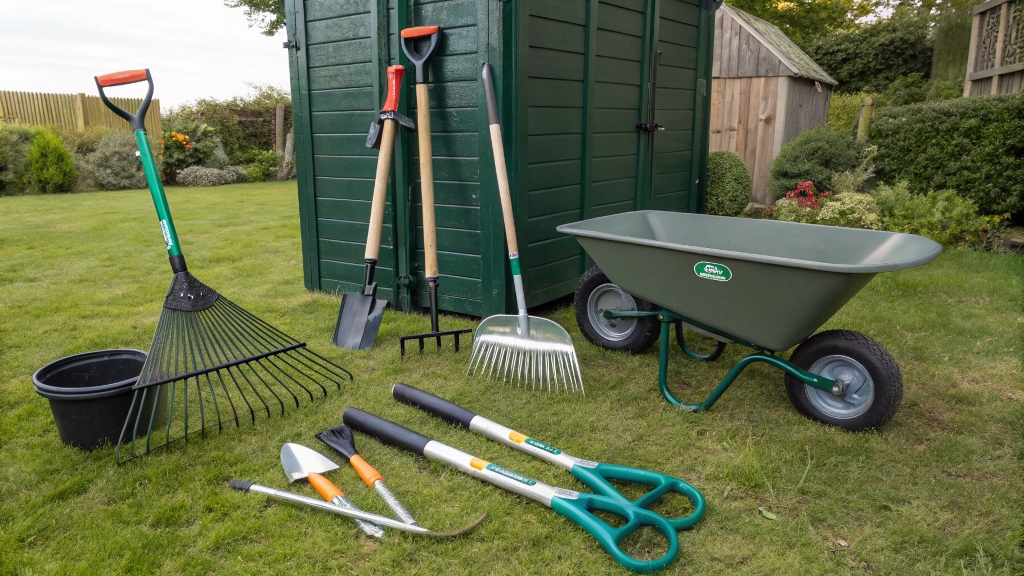
Early Developments
The concept of adaptive tools for gardening emerged in the early 20th century, as rehabilitation programs for injured veterans highlighted the therapeutic benefits of gardening. Tools were initially modified for specific disabilities, such as lightweight shovels for those with limited arm strength.
-
1920s–1940s: Post-World War I and II, occupational therapists began customizing tools, such as adding foam grips to trowels for arthritis patients.
-
1970s: The disability rights movement spurred innovations in adaptive equipment, with manufacturers experimenting with ergonomic designs.
-
1990s: Universal design principles gained traction, leading to tools that catered to a broader range of physical abilities.
Modern Advancements
By the 2000s, advancements in materials science and ergonomics led to commercially available adaptive garden tools. Companies like Peta UK and Fiskars introduced lightweight, easy-grip tools specifically marketed for elderly and disabled gardeners.
-
2000s: Introduction of telescopic handles and ratchet mechanisms to reduce strain.
-
2010s: Integration of lightweight materials like carbon fiber and aluminum.
-
2020s: Smart tools with sensors and assistive technology began emerging, catering to tech-savvy users with disabilities.
Current State of Garden Tools for Elderly or Disabled
Key Features of Modern Tools
Modern adaptive garden tools prioritize ergonomics, lightweight materials, and versatility to accommodate various physical limitations.
-
Ergonomic Designs:
-
Curved or padded handles to reduce wrist strain.
-
Larger grips for those with arthritis or limited dexterity.
-
Angled tools to minimize bending or reaching.
-
-
Lightweight Materials:
-
Aluminum or carbon fiber for reduced weight without sacrificing durability.
-
Plastic composites for budget-friendly options.
-
-
Adjustable and Telescopic Features:
-
Extendable handles for seated or standing use.
-
Interchangeable tool heads for multifunctionality.
-
-
Assistive Technology:
-
Battery-powered pruners for minimal effort.
-
Smart sensors for soil monitoring, reducing the need for manual testing.
-
Popular Brands and Products
Several brands specialize in accessible garden tools, with innovations grounded in user feedback and clinical research.
|
Brand |
Product |
Key Features |
Price Range (USD) |
|---|---|---|---|
|
Peta UK |
Easi-Grip Tools |
Add-on grips, angled handles, lightweight steel |
$10–$30 |
|
Fiskars |
PowerGear Pruners |
Ratchet mechanism, soft-grip handles, lightweight design |
$20–$50 |
|
Gardenite |
Ultra Lightweight Trowel |
Aluminum construction, ergonomic grip, bright colors for visibility |
$15–$25 |
|
Radius Garden |
Ergonomic Hand Weeder |
Circular grip, minimal wrist strain, durable blade |
$12–$20 |
|
Greenworks |
Cordless Pruner |
Battery-operated, low-effort cutting, lightweight at 2 lbs |
$50–$100 |
Note: Prices are approximate as of May 2025, sourced from recent online retailers like Amazon and Home Depot.
Market Trends
The market for accessible garden tools is growing, driven by an aging population and increased awareness of disability inclusion.
-
Demographic Shifts: The global elderly population (65+) is projected to reach 1.5 billion by 2050, per the World Health Organization, increasing demand for adaptive tools.
-
Sustainability Focus: Eco-friendly materials like recycled plastics are gaining popularity.
-
E-commerce Growth: Online platforms like Amazon and specialized retailers like EnableMart offer extensive catalogs of adaptive tools.
Key Concepts in Adaptive Gardening
Universal Design Principles
Universal design ensures tools are usable by people of all abilities without requiring specialized adaptations.
-
Flexibility: Tools with adjustable features cater to multiple users.
-
Simple Operation: Intuitive designs reduce the learning curve.
-
Low Physical Effort: Tools minimize strain through leverage or automation.
Therapeutic Benefits
Gardening with adaptive tools offers physical and mental health benefits, particularly for elderly or disabled individuals.
-
Physical Health:
-
Improves fine motor skills and hand-eye coordination.
-
Encourages low-impact exercise, reducing the risk of cardiovascular issues.
-
-
Mental Health:
-
Reduces stress and anxiety through nature engagement.
-
Boosts self-esteem via task accomplishment.
-
Customization for Specific Needs
Tools are designed to address specific impairments, ensuring inclusivity.
-
Arthritis: Ratchet pruners and padded grips reduce joint stress.
-
Mobility Issues: Long-reach tools and kneeling pads support seated gardening.
-
Visual Impairments: Brightly colored handles and tactile markers aid visibility and navigation.
Benefits of Adaptive Garden Tools
Enhanced Accessibility
Adaptive tools enable gardening for those who might otherwise be excluded, fostering independence.
-
Seated Gardening: Long-reach tools and raised garden beds allow wheelchair users to participate.
-
Reduced Fatigue: Lightweight materials and ergonomic designs extend gardening sessions.
Safety Improvements
Specialized tools minimize the risk of injury, a critical factor for elderly or disabled gardeners.
-
Non-Slip Grips: Prevent accidental drops, reducing hand strain.
-
Blunt Edges: Some tools feature rounded edges to avoid cuts.
-
Stability Features: Wide bases on kneeling stools prevent tipping.
Social and Emotional Impact
Gardening fosters community engagement and emotional well-being.
-
Community Gardens: Adaptive tools enable participation in group settings.
-
Sense of Purpose: Completing gardening tasks boosts confidence and mental health.
Challenges in Using Adaptive Garden Tools
Cost Barriers
High-quality adaptive tools can be expensive, limiting access for some users.
-
Premium Tools: Battery-powered or smart tools often cost $50–$150.
-
Limited Insurance Coverage: Most adaptive tools are not covered by health insurance, unlike medical devices.
Learning Curve
Some users may struggle to adapt to new tools, especially those with complex features.
-
Technology Integration: Smart tools require basic tech literacy.
-
Customization Needs: Users may need guidance to select tools suited to their specific disabilities.
Availability and Awareness
Despite market growth, adaptive tools are not always widely available or well-known.
-
Retail Gaps: Rural areas may lack access to specialized retailers.
-
Education Needs: Many gardeners are unaware of adaptive options or how to use them effectively.
Future Trends in Accessible Garden Tools
Smart Technology Integration
Advancements in IoT and robotics are shaping the future of adaptive gardening.
-
Robotic Assistants: Small robotic weeders or planters could assist with repetitive tasks.
-
Smart Sensors: Tools with integrated soil moisture or nutrient sensors provide real-time data, reducing manual effort.
-
Voice-Activated Tools: Prototypes for voice-controlled pruning or watering systems are in development.
Sustainable Materials
Eco-conscious designs are gaining traction, aligning with broader environmental trends.
-
Biodegradable Plastics: Tools made from plant-based materials reduce environmental impact.
-
Recyclable Components: Modular designs allow parts to be replaced rather than discarded.
Inclusive Design Collaborations
Manufacturers are increasingly collaborating with occupational therapists and disabled gardeners to refine designs.
-
User Feedback: Crowdsourced design ideas ensure tools meet real-world needs.
-
Clinical Testing: Partnerships with rehabilitation centers validate tool efficacy.
Review: Top Picks for 2025
Peta UK Easi-Grip Tools
Rating: 4.8/5
Pros: Lightweight, affordable, versatile add-on grips.
Cons: Limited color options, not ideal for heavy-duty tasks.
Best For: Arthritis sufferers or those with weak grip strength.
Review: Peta UK’s Easi-Grip range is a standout for its affordability and thoughtful design. The angled handles and add-on grips make it easy to use for extended periods, though heavier tasks like digging may require sturdier tools.
Fiskars PowerGear Pruner
Rating: 4.6/5
Pros: Ratchet mechanism reduces effort, ergonomic design, durable.
Cons: Slightly heavy for prolonged use, higher price point.
Best For: Users with limited hand strength or mobility.
Review: The PowerGear Pruner excels in cutting thick branches with minimal effort, thanks to its ratchet system. It’s a premium choice but worth the investment for frequent gardeners.
Greenworks Cordless Pruner
Rating: 4.5/5
Pros: Battery-powered, lightweight, easy to use.
Cons: Requires charging, expensive upfront cost.
Best For: Elderly gardeners seeking low-effort pruning.
Review: This cordless pruner is a game-changer for those who tire quickly. Its battery life supports extended use, but users must plan for recharging.
Source: Reviews aggregated from Amazon, Home Depot, and gardening forums as of May 2025.
Read More Also: Embracing Nature Indoors: Bringing Natural Elements into Your Home
FAQs
1. What are the best garden tools for someone with arthritis?
Tools with padded, large grips and ratchet mechanisms, like Fiskars PowerGear Pruners or Peta UK Easi-Grip Tools, are ideal for reducing joint strain.
2. Are there garden tools suitable for wheelchair users?
Yes, long-reach tools, telescopic pruners, and raised garden beds allow wheelchair users to garden comfortably without excessive bending or stretching.
3. How can I find affordable adaptive garden tools?
Check online retailers like Amazon or EnableMart, and look for budget-friendly brands like Gardenite. Local gardening clubs may also offer second-hand options.
4. Are smart garden tools worth the investment for elderly gardeners?
Smart tools, like soil sensors or battery-powered pruners, can reduce physical effort but may require tech literacy. They’re best for tech-savvy users with higher budgets.
5. Where can I learn more about adaptive gardening techniques?
Organizations like Thrive (thrive.org.uk) and the American Horticultural Therapy Association offer resources, workshops, and community programs for adaptive gardening.
Conclusion
Garden tools for elderly or disabled individuals have evolved significantly, from basic modifications to sophisticated, ergonomic designs incorporating smart technology. These tools empower users to enjoy gardening’s physical, mental, and social benefits while addressing challenges like mobility, strength, or dexterity limitations. Despite barriers like cost and availability, the market is expanding with innovative, sustainable, and inclusive designs. By choosing the right tools—such as Peta UK’s Easi-Grip range or Fiskars’ PowerGear Pruners—gardeners can maintain independence and joy in their hobby. As technology and universal design principles advance, the future of adaptive gardening looks promising, ensuring that everyone can cultivate their green space.
Discover More: How to Clean Grout Without Bleach


