
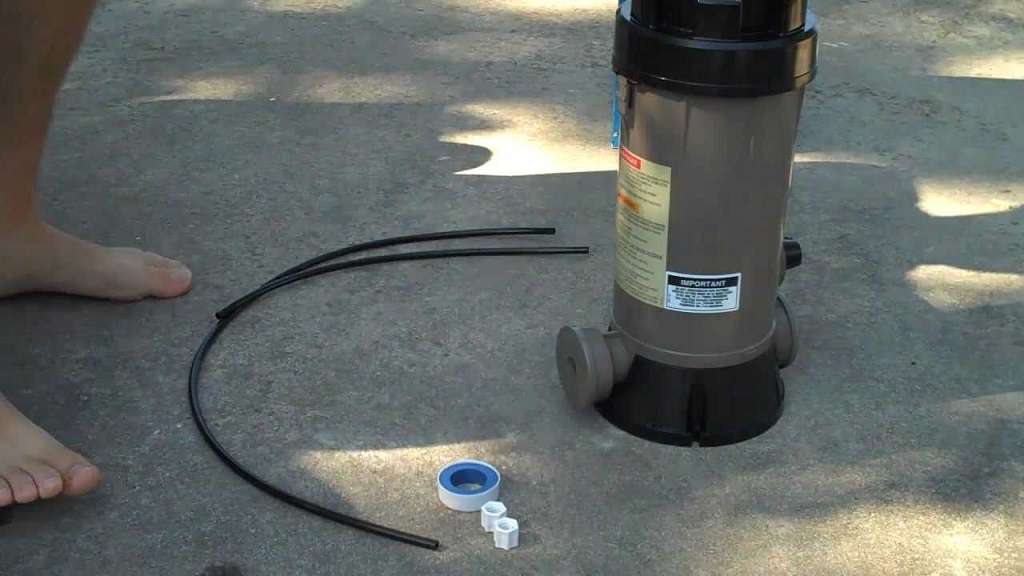
Owning a pool is a joy, but maintaining it can sometimes feel like a challenge. When your Hayward chlorinator stops working, it can disrupt your pool’s cleanliness and clarity. If you’re facing the issue of your Hayward pool saying chlorinator not turning on, don’t worry. This article, inspired by resources like those found on Decoracaos, will guide you through the steps to diagnose and potentially fix the problem. With clear, actionable advice, you’ll have your pool sparkling again in no time.
Why Your Hayward Chlorinator Might Not Be Turning On
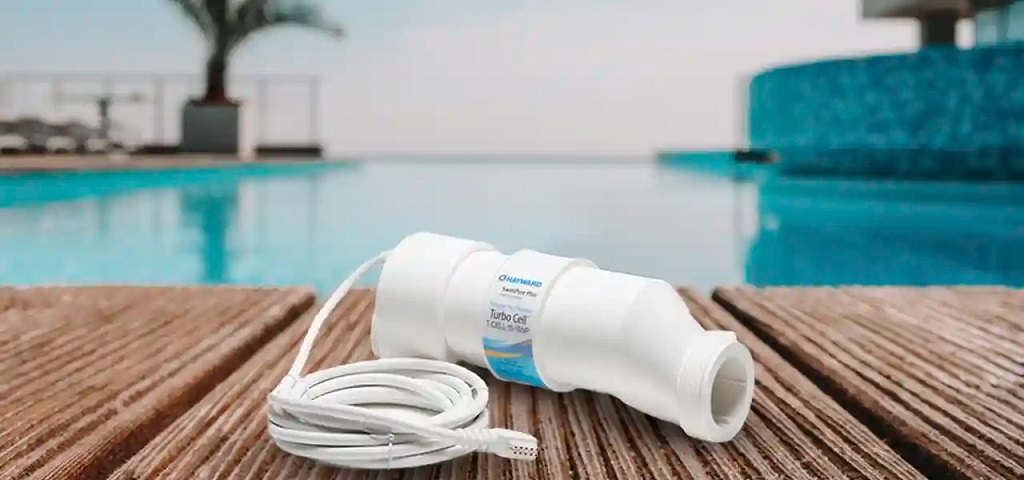
A Hayward chlorinator, such as the popular T-Cell-15 model, is designed to keep your pool sanitized by generating chlorine. However, several factors can cause it to stop functioning. Understanding these reasons is the first step to resolving the issue. Common culprits include power supply problems, incorrect settings, or internal component issues. Let’s explore the most likely causes and how to address them systematically.
Initial Checks for a Non-Working Chlorinator
Before diving into complex troubleshooting, start with the basics. Simple oversights can often explain why your Hayward pool chlorinator isn’t turning on. Here are the first things to check:
- Power Supply: Ensure the chlorinator is plugged in and the power source is active. Check for tripped circuit breakers or blown fuses in your pool’s control panel.
- Control Panel Settings: Verify that the chlorinator is set to “on” and the chlorine output level is appropriately adjusted.
- Cable Connections: Inspect all cables for loose or damaged connections, as these can disrupt power flow.
- Timer Settings: Confirm that any timers controlling the chlorinator are set correctly and functioning.
If these initial checks don’t resolve the issue, proceed to more detailed troubleshooting steps. For a deeper dive into specific models, resources like Decoracaos offer excellent guidance on addressing the problem of a Hayward pool saying chlorinator not turning on.
Inspecting the Chlorinator’s Power Source
A common reason for a chlorinator not turning on is an issue with the power supply. First, check your pool’s control box to ensure the breaker hasn’t tripped. If it has, reset it and monitor whether it trips again, as frequent tripping could indicate a wiring issue. Additionally, use a multimeter to test the voltage at the chlorinator’s power input. Hayward chlorinators typically require 120V or 240V, depending on the model. If the voltage is incorrect or absent, consult an electrician to inspect your pool’s electrical system.
Checking the Chlorinator Cell
The chlorinator cell, such as the T-Cell-15, is the heart of the system. Over time, calcium buildup or wear can prevent it from functioning. To inspect the cell, turn off the power and remove it from the system. Look for white, chalky deposits on the cell plates, which indicate scaling. If scaling is present, clean the cell using a mild acid solution, following the manufacturer’s instructions. However, if the cell is damaged or excessively worn, it may need replacement. Regular maintenance can prevent these issues, as noted in guides from sources like Pool & Spa News.
Verifying System Settings and Diagnostics
Modern Hayward chlorinators often feature diagnostic displays that show error codes or status indicators. If your Hayward pool says “chlorinator not turning on,” check the control panel for any error messages. Common codes include “low salt” or “check cell.” Low salt levels can halt chlorine production, so test the pool water’s salt concentration using a test kit. Hayward systems typically require 2,700–3,400 ppm of salt. If levels are low, add pool-grade salt according to the manual. Additionally, ensure the system’s firmware is up to date, as outdated software can cause operational issues.
Examining the Flow Switch
The flow switch is a safety feature that prevents the chlorinator from running if water flow is inadequate. If the flow switch is faulty or detects insufficient flow, the chlorinator won’t turn on. Check your pool’s pump and filter system to ensure proper water circulation. Clean or replace clogged filters, and inspect the flow switch for debris or damage. If the switch is malfunctioning, replacing it may be necessary. This step is critical, as poor water flow can also affect pool sanitation.
Assessing Internal Components
If the above steps don’t resolve the issue, the problem may lie within the chlorinator’s internal components, such as the circuit board or transformer. These parts can fail due to power surges, moisture exposure, or general wear. Unless you’re experienced with electronics, it’s best to contact a professional technician at this stage. They can test the circuit board and other components to pinpoint the issue. For additional tips on maintaining pool equipment, sites like Inyo Pools provide valuable resources.
When to Call a Professional
While many chlorinator issues can be resolved with basic troubleshooting, some problems require expert intervention. If you’ve checked the power, cell, settings, and flow switch without success, it’s time to call a certified pool technician. They can perform advanced diagnostics and repairs, ensuring your system is back online quickly. Moreover, professional servicing can extend the life of your chlorinator and prevent costly replacements.
Preventative Maintenance Tips
To avoid future issues with your Hayward chlorinator, adopt a regular maintenance routine. Clean the chlorinator cell every 3–6 months to prevent scaling. Monitor salt levels and water chemistry weekly to ensure optimal conditions. Additionally, inspect cables and connections for wear, and schedule annual professional inspections to catch potential problems early. These steps can keep your chlorinator running smoothly and your pool water crystal clear.
Read More Also: Understanding Your Jacuzzi Hot Tub Parts Diagram And Essential FAQs
Conclusion
A Hayward pool saying chlorinator not turning on can be frustrating, but most issues are fixable with systematic troubleshooting. Start by checking the power supply, settings, and chlorinator cell. Verify salt levels, inspect the flow switch, and consider internal components if needed. Regular maintenance and timely repairs can prevent future problems, ensuring your pool stays clean and inviting. If the issue persists, don’t hesitate to seek professional help to restore your chlorinator’s functionality.
Frequently Asked Questions
Why does my Hayward chlorinator display a “low salt” error?
A “low salt” error indicates the pool’s salt level is below the required 2,700–3,400 ppm. Test the water and add salt as needed, following the manufacturer’s guidelines.
How often should I clean my Hayward chlorinator cell?
Clean the cell every 3–6 months, depending on usage and water conditions. Regular cleaning prevents calcium buildup and extends cell life.
Can a faulty flow switch stop my chlorinator from turning on?
Yes, a malfunctioning flow switch can prevent the chlorinator from operating if it detects inadequate water flow. Check the pump and filter system first.
What should I do if my chlorinator’s circuit board is damaged?
A damaged circuit board requires professional repair or replacement. Contact a certified technician to diagnose and fix the issue.
How can I prevent my Hayward chlorinator from failing?
Maintain proper salt levels, clean the cell regularly, inspect connections, and schedule annual professional maintenance to keep your chlorinator in top condition.

