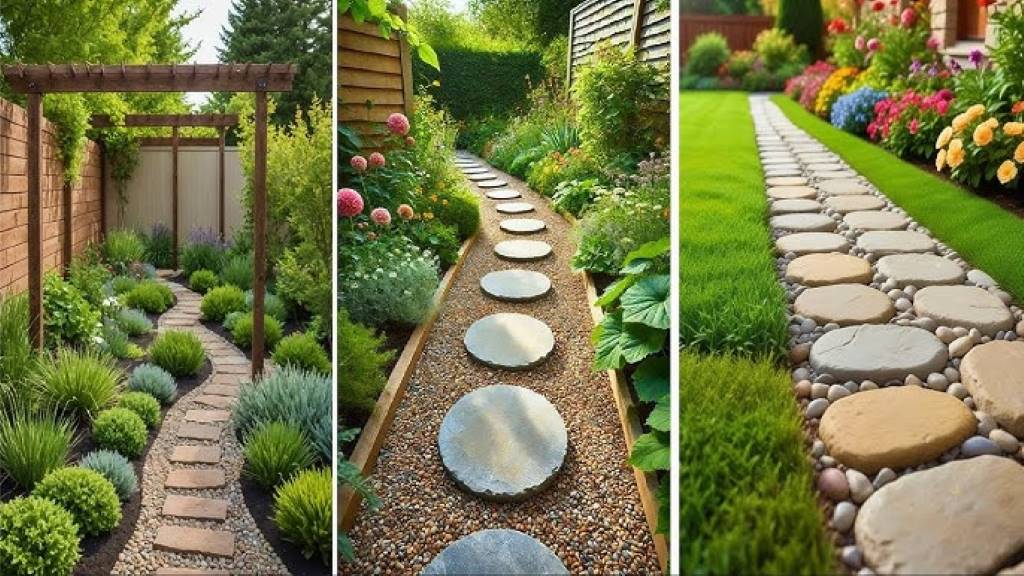
Imagine a winding stone path in your backyard, lined with bright flowers, leading to a cozy spot under a pergola. Garden paths and walkways do more than connect places—they make your outdoor space pretty, useful, and welcoming. Whether you want a rustic or modern look, the right path can improve your yard’s style and home’s value. This guide shares ideas, materials, and tips for garden paths that mix beauty and function, making your outdoor space shine.
Why Garden Paths and Walkways Matter
Garden paths guide your yard’s design, leading people while looking nice. A good path creates flow, highlights spots like flower beds or fountains, and ties your yard together. Paths also make walking easier, stop soil erosion, and protect grass from feet. Experts say a well-planned path can raise your home’s value by up to 20%, making it a smart choice for homeowners.
Think about your path’s purpose. Is it a main walkway to your door, a winding trail in your garden, or a stylish patio accent? Knowing what you need—function, beauty, or both—helps pick the right materials, layout, and style.
Choosing the Perfect Materials for Your Walkway
The material sets your path’s look and feel. Here are popular options with their benefits:
1. Natural Stone: Timeless Elegance
Natural stone, like flagstone or slate, gives a fancy, earthy feel. Its uneven shapes and natural colors fit rustic or cottage yards. Flagstone blends with greenery, while slate looks modern. Stone lasts long and needs little care but costs $15–$30 per square foot.
Pro Tip: Add low plants like thyme or moss for a soft, natural edge.
2. Brick: Classic and Versatile
Brick paths have a classic charm and suit formal or old-style gardens. They come in many colors and patterns, like herringbone. Bricks are strong and easy to fix, costing $10–$20 per square foot. They can be slippery when wet, so pick textured bricks for safety.
3. Gravel: Affordable and Charming
Gravel paths are cheap, costing $1–$3 per square foot. They’re great for winding, casual trails and make a fun crunch sound. Colors like pea gravel fit rustic yards. Gravel needs raking sometimes to stay neat.
4. Pavers: Modern and Customizable
Concrete pavers offer many designs, from shapes to stone-like textures. They’re strong, safe, and cost $8–$15 per square foot. Pavers suit modern yards and can form grids or curves.
5. Wood or Composite: Warm and Inviting
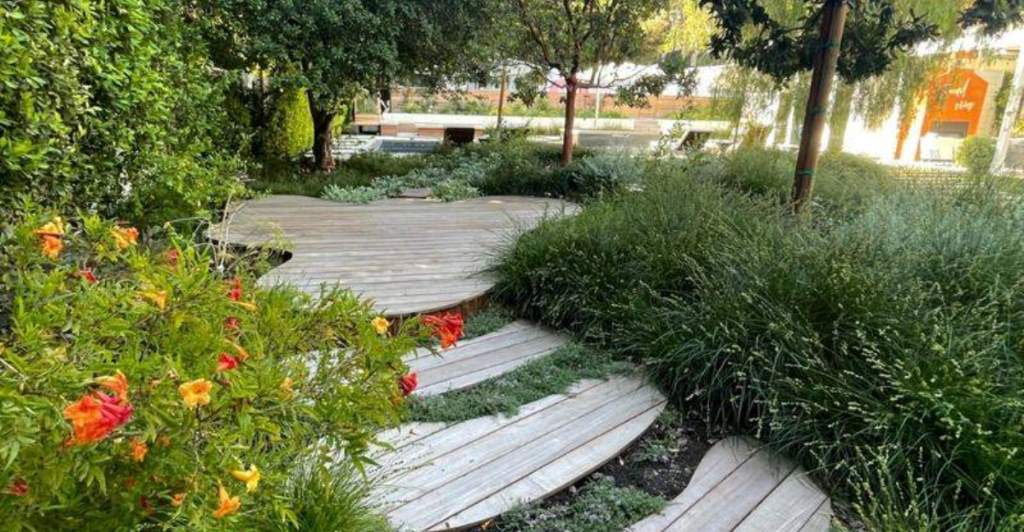
Wood paths, like cedar or composite, add warmth to coastal or forest yards. Wood needs sealing to last, but composite is easy to care for and eco-friendly. Costs are $10–$25 per square foot.
Consideration: Use local or green materials for eco-friendly landscaping.
Designing Your Garden Path: Key Elements
A great path needs smart design. Here are key points:
1. Path Shape and Layout
The path’s shape sets its vibe. Straight paths look formal, great for front yards. Curved paths feel relaxed, perfect for backyards. Align paths with spots like benches or fountains for flow.
Design Tip: Use curves to lead eyes to a pergola or fire pit for a fun journey.
2. Width and Scale
Path width depends on use. Main paths to doors should be 4–6 feet wide for two people. Garden trails can be 2–3 feet. Match the size to your yard—big paths overwhelm small spaces, and tiny paths get lost in big yards.
3. Edging and Borders
Edging keeps paths neat and stops materials like gravel from spilling. Use metal, brick, or stone edges. For a soft look, plant lavender or grasses along the sides.
4. Lighting for Ambiance and Safety
Path lights add beauty and safety. Solar stake lights are cheap and green, while LED lights give a modern glow. Place lights along edges or in steps. Lighting costs $50–$200.
Creative Garden Path Ideas to Inspire You
Need ideas? Try these unique path designs:
- Stepping Stone Serenity: Place uneven stones in grass or gravel for a simple, magical look. Add moss or thyme for a fairy-tale feel.
- Mosaic Magic: Use mosaic tiles or broken pottery in concrete for a unique, artsy path.
- Gravel and Stone Combo: Mix gravel with stone slabs for a textured, budget-friendly path.
- Woodland Boardwalk: Build a raised wood or composite path through a shady garden for a forest vibe.
- Patterned Paver Perfection: Arrange pavers in herringbone or circles for a sleek, modern look.
Practical Tips for Installation and Maintenance
Building a path takes planning for long life. Follow these steps:
- Plan Your Layout: Draw your path and mark it with stakes and string. Plan drainage to avoid water pooling.
- Prepare the Base: Dig 4–6 inches deep and add a firm gravel or sand base to prevent shifting.
- Install Materials: Lay materials level, using a mallet for stones or pavers.
- Seal and Maintain: Seal stone or brick every 2–3 years. Rake gravel and pull weeds regularly.
Maintenance Tip: Check paths yearly for loose stones or cracks to keep them safe and pretty.
Cost Considerations and Budgeting
Path costs depend on materials, labor, and design. Here’s a breakdown:
- Low-Budget ($1–$5 per sq. ft.): Gravel or mulch with simple edging.
- Mid-Range ($8–$20 per sq. ft.): Brick, pavers, or basic stone with pro installation.
- High-End ($20–$50+ per sq. ft.): Custom stone, fancy patterns, or lights and steps.
Save money with DIY gravel or stepping stones. For complex paths, hire a pro for quality.
Read Also:
- Aluminum Roofing Panels Crunch Sound Fix
- Hayward Chlorinator Not Turning On? Here’s What to Check First
- How to Get Wall Plugs Out Without Damaging Your Wall (Quick & Easy DIY Trick!)
Meeting Google’s Helpful Content Guidelines
This guide gives real value, answering questions like “What are the best path materials?” and “How do I design a stylish walkway?” It offers tips, costs, and ideas, meeting Google’s focus on helpful, user-first content. It uses natural keywords like “landscape design,” “outdoor walkways,” and “garden path ideas” for SEO without losing readability.
FAQs
What is the cheapest material for a garden path?
Gravel is the cheapest, costing $1–$3 per square foot, perfect for budget-friendly, casual paths.
How wide should a garden path be?
Main paths should be 4–6 feet wide for two people. Garden trails can be 2–3 feet wide.
How do I maintain a garden path?
Seal stone or brick every 2–3 years, rake gravel, and check yearly for loose or cracked materials.
What are eco-friendly path materials?
Use local stone, recycled pavers, or composite decking for sustainable, green landscaping.
Conclusion and Call to Action
A great garden path makes your outdoor space useful and beautiful. Pick the right materials, plan a smart layout, and add touches like lights or plants to match your style. From rustic gravel to elegant stone, your path will invite exploration and boost your yard’s charm.
Ready to start? Share your favorite path ideas in the comments, or call a local landscaper to make your vision real. Subscribe to our blog for weekly tips on creating a stunning yard!