Fresh paint should improve your home’s appearance, yet many Naples homeowners notice something feels slightly off afterward. Industry reports show that exterior paint can increase perceived home value, while color influences first impressions within seconds. Therefore, understanding visual balance matters before starting another project. Many homeowners also explore tropical exterior color inspiration because regional architecture affects successful color choices. However, repainting requires more than selecting an attractive shade.
Why Fresh Paint Sometimes Looks Wrong
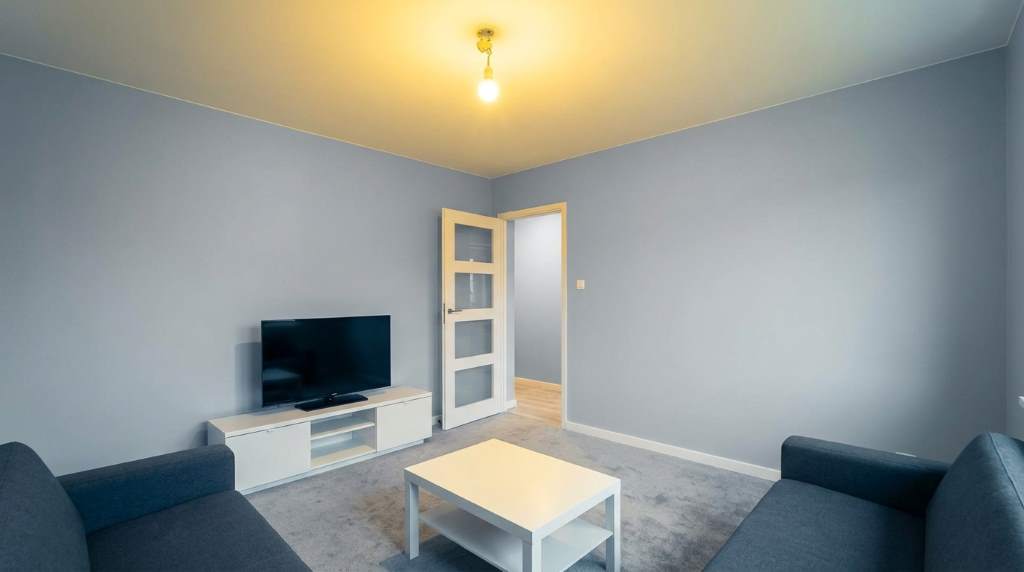
Many homeowners expect immediate improvement after repainting their homes. However, fresh paint often exposes design elements that older finishes previously concealed. A carefully planned approach, combined with ideas from small living spaces, helps homeowners understand how proportions influence visual harmony.
Exterior balance depends on color relationships, architectural details, landscaping, and natural lighting. Consequently, repainting one surface may unintentionally highlight another feature. The entire property should work together instead of competing for attention.
Visual Balance Depends on Multiple Elements
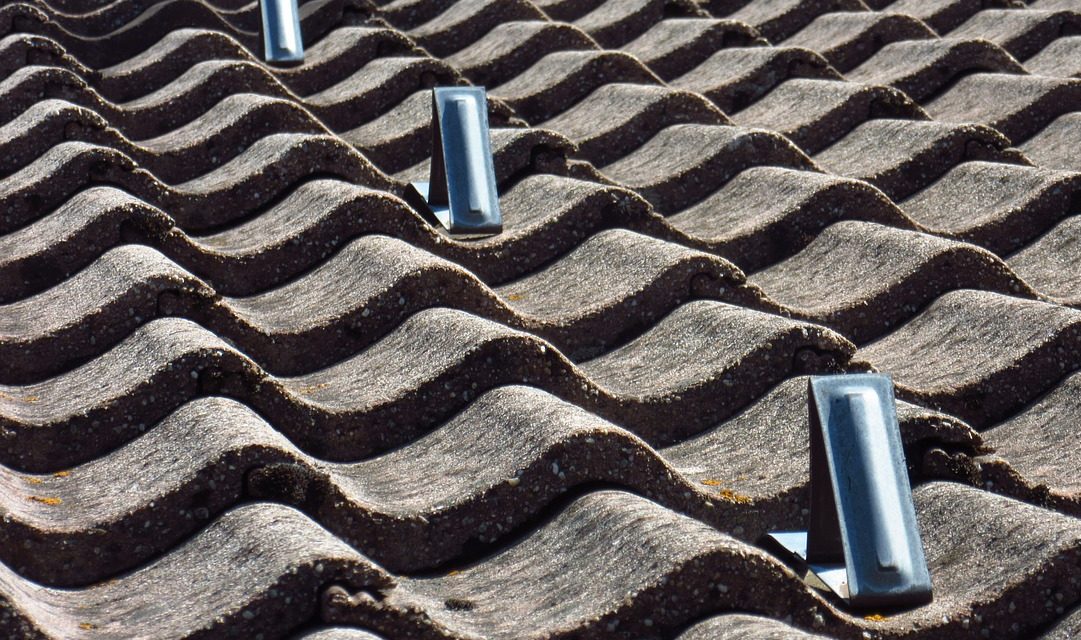
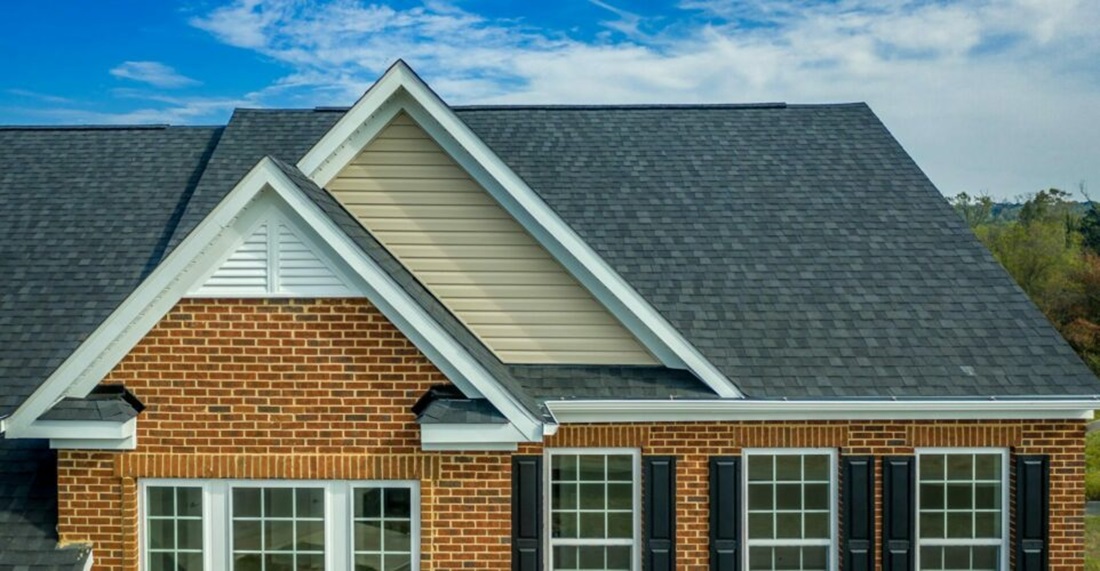
Every exterior includes walls, roofing, trim, windows, doors, pathways, and surrounding greenery. Each component contributes to the home’s overall appearance. Ignoring one feature often creates an uneven visual effect.
- Roof color influences wall color perception.
- Trim defines architectural proportions.
- Landscaping frames exterior colours.
- Driveways add visual weight.
- Lighting changes colour appearance throughout the day.
Common Reasons Naples Homes Feel Unbalanced
Bright coastal sunshine dramatically changes how paint colours appear outdoors. Likewise, humidity and reflective surfaces intensify certain shades throughout the day. Homeowners planning broader improvements may also benefit from reading about spray cork waterproofing because exterior materials should complement one another.
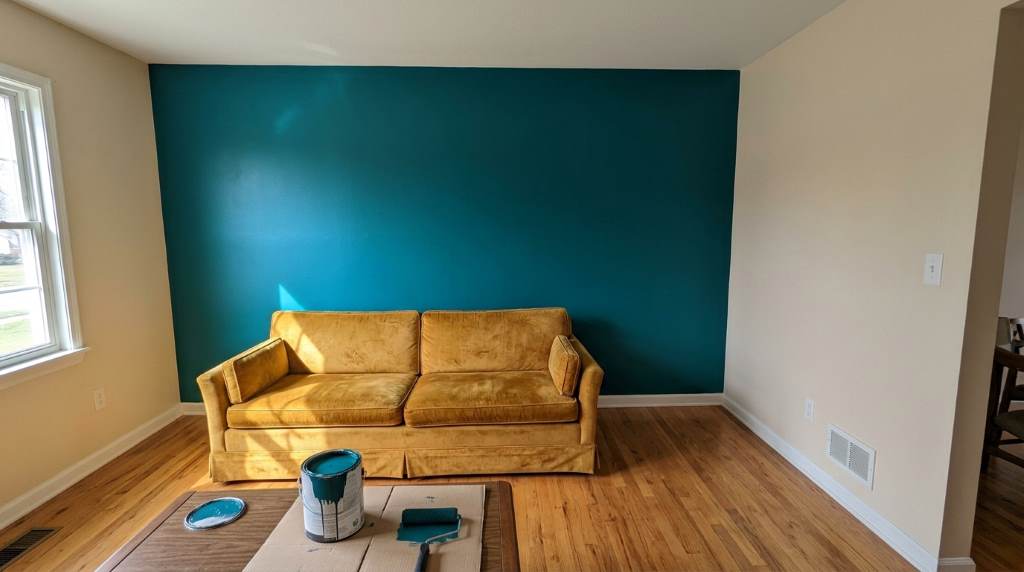
Some colours appear perfect on small paint samples indoors. Nevertheless, large exterior walls reflect much more light outside. This difference often surprises homeowners after the final coat dries.
Incorrect Colour Temperature
Warm and cool colours produce completely different visual experiences. A mismatch between these temperatures creates uncomfortable contrast. Therefore, neighbouring materials should share compatible undertones.
Ignoring Existing Fixed Features
Roofs, stone veneers, brick accents, and pavers usually remain unchanged during repainting. Their colours strongly influence paint selection. Choosing unrelated shades creates noticeable imbalance.
Trim Colours Create Proportion
Trim separates architectural features while defining visual boundaries. Thick contrasting trim can overwhelm smaller homes. Meanwhile, subtle trim often creates a cleaner appearance.
How Natural Light Changes Exterior Colours
Naples receives abundant sunshine throughout the year, which transforms exterior colours every hour. Morning light appears softer than afternoon sunlight. Helpful ideas from improve your home exterior also show why coordinated upgrades produce stronger visual results.
Cloud cover changes colour depth significantly during different weather conditions. Likewise, nearby water reflections can introduce unexpected blue tones. Testing paint under changing light remains essential.
Morning Versus Afternoon Appearance
Colours usually appear lighter during bright afternoon conditions. Earlier sunlight often reveals softer undertones. Consequently, homeowners should evaluate samples throughout the day.
Seasonal Differences Matter
Changing sunlight angles affect exterior colour perception across different seasons. Landscaping growth also changes surrounding colours. Reviewing paint during multiple visits provides better confidence.
Architectural Features That Influence Balance
Different architectural styles require different colour strategies for balanced results. Mediterranean homes usually support warm earth tones naturally. Contemporary designs often favour cleaner and simpler palettes.
Columns, shutters, decorative mouldings, and balconies deserve coordinated attention. Otherwise, attractive features become visually disconnected. A balanced colour plan restores architectural unity.
Entry Doors Create Focal Points
The front door naturally attracts visitor attention before other exterior elements. A carefully selected accent colour strengthens curb appeal. Excessively bright colours may distract from the overall design.
Garage Doors Affect Visual Weight
Large garage doors occupy considerable exterior space on many homes. Their colour strongly influences perceived balance. Matching surrounding walls usually reduces unnecessary visual dominance.
Landscaping Can Change Colour Perception
Green plants influence how nearby colours appear throughout the property. Bright flowers also introduce additional colour relationships. Coordinating paint with landscaping creates stronger visual harmony.
Tall trees generate changing shadows across exterior walls every day. These shadows alter colour intensity continuously. Therefore, evaluate paint beside mature landscaping before making final decisions.
Hardscape Elements Matter Too
Walkways, patios, retaining walls, and fences contribute visual structure. Their materials often contain natural colour variations. Coordinating these surfaces strengthens the finished appearance.
Practical Ways to Restore Exterior Balance
Correcting imbalance usually requires thoughtful adjustments instead of complete repainting. Small refinements often produce significant improvements. Careful planning saves both time and money.
- Test large paint samples outdoors.
- Review colours during different daylight hours.
- Coordinate trim with roofing materials.
- Match paint undertones with stone features.
- Refresh landscaping alongside repainting.
- Use accent colours sparingly.
Professional colour consultations often reduce costly repainting mistakes. Experienced designers evaluate every exterior element together. Their recommendations typically produce longer lasting satisfaction.
How to Plan Before Your Next Repainting Project
Create a complete exterior checklist before purchasing paint products. Include roofing, landscaping, windows, driveways, lighting, and decorative details. Viewing the property as one design creates stronger results.
Take photographs from multiple angles before selecting colours. Printed images often reveal balance issues quickly. Comparing several options prevents rushed decisions.
Conclusion
Repainting should enhance your home’s appearance instead of creating unexpected visual imbalance. Colour, lighting, landscaping, architecture, and fixed materials all influence the finished result. Careful planning helps every element work together naturally. Start with a complete exterior evaluation before selecting colours, and consult an experienced professional whenever uncertainty remains.
Frequently Asked Questions
Why does my house look different after repainting?
Natural lighting and surrounding materials change how exterior paint appears.
Should trim always match the main wall colour?
No, coordinated contrast usually creates better architectural definition.
Can landscaping affect exterior paint colours?
Yes, plants, trees, and flowers influence colour perception throughout the property.
Why should I test paint outdoors first?
Outdoor lighting reveals colour differences that indoor samples cannot show.
Is repainting enough to improve curb appeal?
No, combining paint with coordinated exterior improvements delivers stronger visual balance.