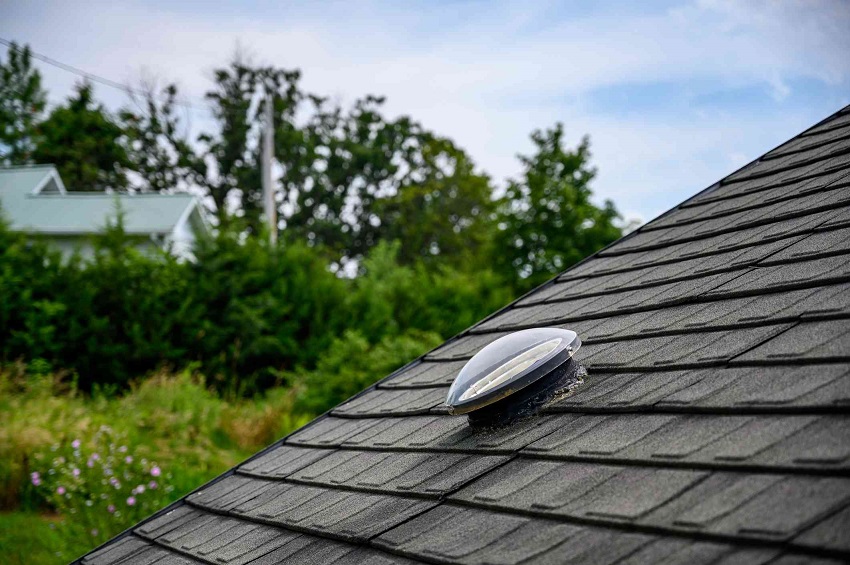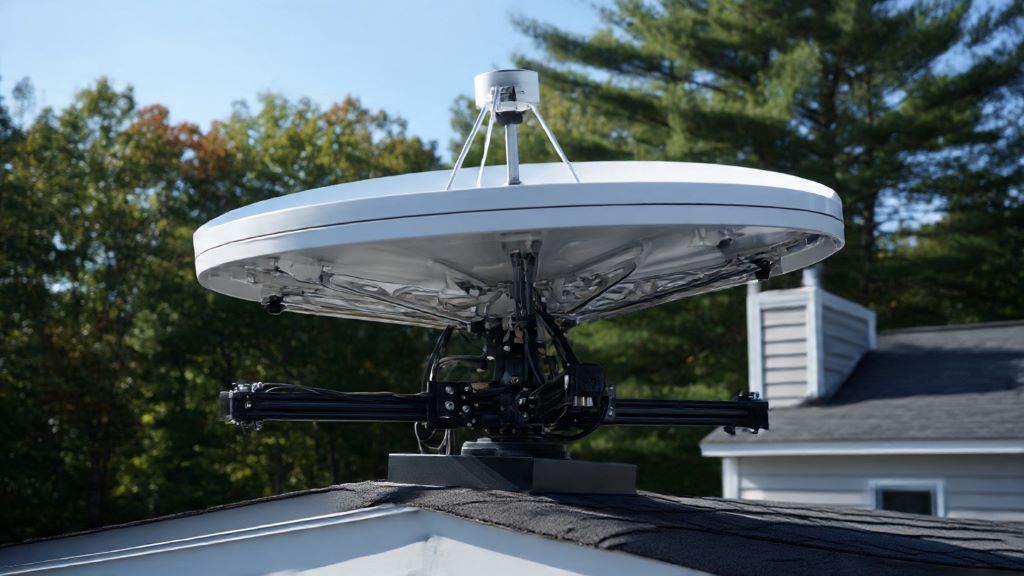
Starlink satellite internet has revolutionized connectivity for homes and businesses across the globe. However, improper installation can lead to costly roof damage and persistent leaks. Many homeowners face this challenge when mounting their Starlink dish without professional guidance. Fortunately, companies like Roof Master Construction specialize in protecting your roof while ensuring optimal satellite performance.
Understanding the Risks of Traditional Starlink Mounting
Traditional mounting methods often require drilling holes directly into your roof surface. This penetration creates immediate vulnerabilities in your roofing system. Water can seep through these openings, especially during heavy rainfall or snowmelt. Over time, even small amounts of moisture can cause significant structural damage.
Additionally, improper sealing around mounting hardware accelerates deterioration. The constant expansion and contraction from temperature changes can crack sealants. This creates pathways for water intrusion that worsen with each weather cycle. Therefore, choosing the right mounting solution becomes critical for long-term roof integrity.
The Smart Solution: Non-Penetrating Roof Mounts
A starlink non penetrating roof mount offers a superior alternative to traditional drilling methods. These innovative mounting systems use weighted bases or clamps that secure the dish without piercing your roof membrane. Consequently, your roof remains intact and fully protected from water damage.
These mounts distribute weight evenly across the roof surface. Most designs incorporate ballast systems that keep the dish stable during high winds. Furthermore, they work effectively on various roof types, including flat roofs, shingle roofs, and metal roofing systems. This versatility makes them ideal for residential and commercial applications alike.
Key Advantages of Non-Penetrating Installation Methods
Non-penetrating mounts preserve your roof warranty, which many homeowners overlook. Most roofing warranties become void when you drill unauthorized holes. By avoiding penetration, you maintain full warranty protection. This safeguard proves invaluable if you encounter roofing issues later.
Moreover, these mounting systems offer exceptional flexibility. You can relocate your Starlink dish without leaving permanent damage. This feature benefits renters or homeowners who may move their equipment. The installation process also requires significantly less time compared to traditional mounting methods.
Proper Weight Distribution and Stability
Weight distribution plays a crucial role in non-penetrating mount effectiveness. Quality systems typically weigh between 50 to 100 pounds when fully loaded. This substantial weight keeps the dish firmly positioned without roof penetration. However, you must verify that your roof structure can support this additional load.
Professional installers assess your roof’s load-bearing capacity before installation. They examine the structural framing and existing weight load. According to the Federal Emergency Management Agency, proper load calculations prevent structural failures and ensure safety. Therefore, never skip this critical evaluation step.
Choosing the Right Location on Your Roof
Location selection significantly impacts both signal quality and roof protection. Your Starlink dish requires an unobstructed view of the northern sky. Trees, buildings, and other structures can interfere with satellite connectivity. Simultaneously, you must consider roof accessibility for maintenance and snow removal.
Flat sections near the roof’s center often provide optimal stability. Avoid positioning mounts near roof edges where wind forces intensify. Additionally, stay clear of valleys and low points where water accumulates. These areas experience higher moisture levels that can compromise mounting equipment over time.

Weather Considerations and Seasonal Challenges
Different weather conditions present unique challenges for roof-mounted equipment. Winter snow accumulation adds significant weight to mounting systems. Ice formation can also affect the mount’s stability and the dish’s performance. Therefore, regular monitoring during harsh weather becomes essential.
Summer heat creates expansion in roofing materials that affects mount positioning. Strong winds during storm seasons can test the mount’s stability limits. Furthermore, heavy rainfall reveals any potential drainage issues around the mounting area. Addressing these seasonal factors prevents long-term complications.
Professional Installation Versus DIY Approaches
Professional installation offers numerous advantages over DIY mounting attempts. Experienced installers understand local building codes and permitting requirements. They possess specialized tools and knowledge about various roofing materials. Most importantly, they provide warranties that protect your investment.
DIY installation may seem cost-effective initially. However, mistakes during installation can lead to expensive repairs. Improper weight distribution might damage your roof structure. Additionally, incorrect positioning reduces signal quality and equipment performance. The initial savings rarely justify these potential risks.
Maintenance Tips for Long-Term Leak Prevention
Regular maintenance extends your mounting system’s lifespan and prevents leaks. Inspect your mount quarterly for signs of shifting or deterioration. Check all connection points and ensure they remain secure. Look for debris accumulation that might affect drainage patterns around the mount.
Clean your Starlink dish regularly to maintain optimal performance. Remove leaves, snow, and other materials that accumulate on the mount base. Additionally, verify that the mounting surface shows no signs of wear. Early detection of issues prevents costly repairs down the road.
Alternative Mounting Options for Special Situations
Some properties require alternative mounting solutions beyond standard roof installation. Ground mounts work well for properties with suitable yard space. These eliminate all roof-related concerns while providing excellent signal reception. Pole mounts offer another viable option for specific scenarios.
Wall-mounted brackets suit buildings where roof access proves challenging. However, these still require careful waterproofing around mounting points. The Consumer Technology Association recommends evaluating all available options before final installation decisions. Each property presents unique circumstances that influence the best mounting choice.
Cost Considerations and Long-Term Savings
Non-penetrating mounts typically cost more upfront than traditional mounting hardware. Prices range from $200 to $500 depending on design and capacity. However, this investment protects against future roof repairs that could cost thousands. The long-term financial benefits far outweigh initial expenses.
Factor in potential warranty preservation when calculating total costs. Maintaining your roof warranty provides substantial financial protection. Additionally, consider the resale value impact of roof damage. Homes with compromised roofing systems sell for significantly less than well-maintained properties.
Conclusion
Avoiding roof leaks during Starlink installation requires careful planning and proper mounting solutions. Non-penetrating roof mounts provide the ideal balance between equipment stability and roof protection. These systems eliminate drilling risks while maintaining excellent signal quality. Furthermore, they preserve roof warranties and offer installation flexibility.
Professional installation ensures optimal results and long-term reliability. Regular maintenance and seasonal inspections prevent small issues from becoming major problems. By investing in quality mounting equipment and expert installation, you protect both your connectivity and your home’s structural integrity. Ultimately, the right approach saves money while delivering reliable internet performance for years to come.
Frequently Asked Questions
Can non-penetrating mounts withstand severe weather conditions?
Yes, quality non-penetrating mounts are engineered to withstand high winds and heavy snow loads. Most systems are rated for winds exceeding 70 mph when properly installed. However, you should verify the specific wind rating matches your local climate conditions.
Will a weighted mount damage my roof shingles?
Properly designed non-penetrating mounts distribute weight evenly and include protective padding that prevents shingle damage. The mount’s base typically covers a large surface area, minimizing pressure on any single point. Regular inspections ensure the mount maintains proper positioning without causing wear.
Do I need a building permit for non-penetrating Starlink installation?
Permitting requirements vary by location and jurisdiction. Many areas do not require permits for non-penetrating mounts since they involve no structural modifications. However, always check with your local building department before installation to ensure compliance with all regulations.
How often should I inspect my Starlink roof mount?
Inspect your mount at least quarterly, with additional checks after severe weather events. Look for signs of shifting, wear, or debris accumulation during each inspection. Winter and spring deserve extra attention due to snow load and ice formation concerns.
Can I move a non-penetrating mount to a different location?
Yes, one major advantage of non-penetrating mounts is their portability. You can relocate the mount without leaving holes or damage on your roof. This flexibility benefits renters and homeowners who need to adjust positioning for better signal reception or roof maintenance.
Related Topics:
Slate Roof Restoration: A Comprehensive Guide to Preserving Your Investment
How to Fix a Leaking Roof from the Inside: A Comprehensive Guide