Understanding Why Your New Lawn Turns Yellow
Starting a new lawn requires patience and attention to detail. However, many homeowners face a frustrating challenge when their freshly planted grass begins turning yellow instead of thriving with vibrant green growth. This common problem often stems from nutrient lockout, a condition that prevents grass roots from absorbing essential minerals even when they exist in the soil. At Boyers Lawn Care, experts regularly help homeowners diagnose and resolve these issues to achieve the lush lawn they desire.
Nutrient lockout occurs when certain soil conditions create chemical barriers that block nutrient uptake. Therefore, your grass essentially starves despite adequate fertilization. The most visible symptom appears as yellowing blades, which signal distress in your developing turf. Additionally, understanding the root causes helps you implement effective solutions quickly.
New lawns are particularly vulnerable because their shallow root systems cannot reach deeper soil nutrients. Furthermore, what nutrient lack makes baby grass yellow becomes a critical question when diagnosing these early growth problems. Nitrogen deficiency typically causes the most dramatic yellowing, though other factors contribute to the overall health of your grass.
What Causes Nutrient Lockout in New Lawns
Several environmental and chemical factors trigger nutrient lockout in developing turf. Soil pH imbalances rank among the most common culprits. When pH levels drift too high or too low, essential nutrients become chemically bound to soil particles and unavailable to grass roots.
Improper watering practices also contribute significantly to lockout conditions. Overwatering leaches nutrients from the root zone before grass can absorb them. Conversely, underwatering prevents nutrient dissolution and transport through soil. Moreover, compacted soil restricts both water movement and root penetration, creating multiple stress factors simultaneously.
Temperature extremes affect nutrient availability as well. Cold soil temperatures slow microbial activity and reduce nutrient conversion to plant-available forms. Similarly, excessive heat can alter soil chemistry and accelerate nutrient loss through volatilization.
Identifying the Signs of Nutrient Deficiency
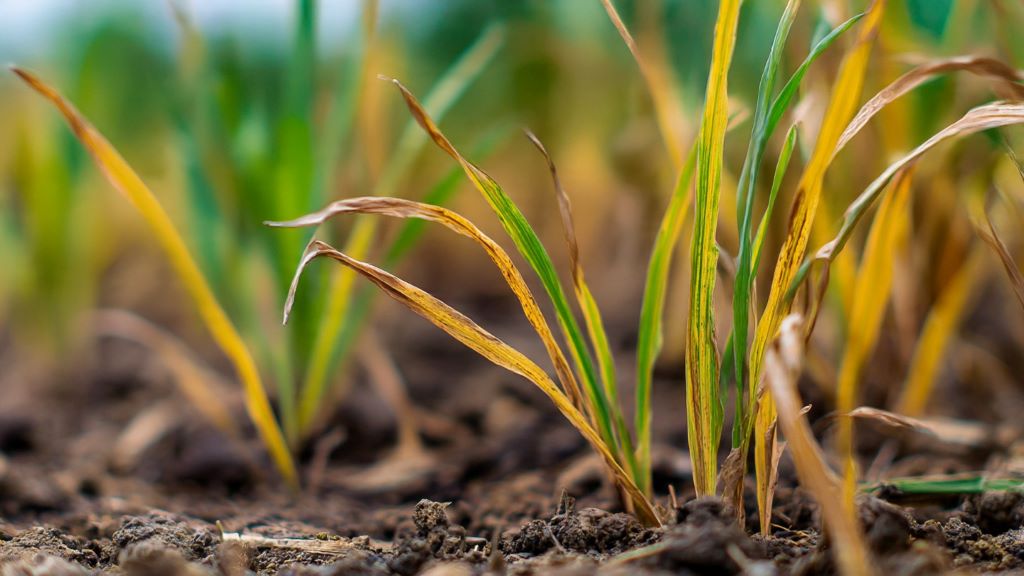
Recognizing nutrient deficiency symptoms helps you respond appropriately. Yellowing grass blades represent the most obvious indicator, but the pattern and timing provide important diagnostic clues. Nitrogen deficiency causes uniform yellowing across the entire lawn, starting with older leaf blades.
Iron deficiency produces a distinctive pattern called chlorosis, where leaf veins remain green while tissue between veins turns yellow. This typically appears in younger growth first. Phosphorus deficiency creates a purplish or reddish tint along with stunted growth and poor root development.
Potassium-deficient grass exhibits yellowing or browning along leaf margins and tips. The grass may also show increased susceptibility to disease and environmental stress. Therefore, careful observation helps pinpoint which nutrients your lawn lacks.
Testing Your Soil for Accurate Diagnosis
Professional soil testing provides the foundation for effective treatment. Home test kits offer basic information, but laboratory analysis delivers comprehensive nutrient profiles and pH readings. Most county extension offices provide affordable testing services with detailed recommendations.
Collect soil samples from multiple lawn areas to get representative results. Take samples at a depth of four to six inches where most grass roots actively grow. Mix samples together in a clean container before sending them for analysis.
Test results typically include pH levels, major nutrient concentrations, and organic matter content. Additionally, they often provide specific amendment recommendations based on your grass type and regional conditions. According to the University of Massachusetts Extension, soil testing every three to four years helps maintain optimal growing conditions.
Correcting pH Imbalances to Unlock Nutrients
Soil pH dramatically affects nutrient availability. Most turfgrasses thrive in slightly acidic to neutral soil with pH between 6.0 and 7.0. When pH falls outside this range, chemical reactions bind nutrients into unavailable forms.
Acidic soil with pH below 6.0 requires lime application to raise pH levels. Calcitic limestone provides calcium while dolomitic limestone adds both calcium and magnesium. Apply lime during fall or early spring for best results, as it works slowly to alter soil chemistry.
Alkaline soil above pH 7.5 needs sulfur amendments to lower pH. Elemental sulfur works gradually through microbial action, while iron sulfate provides quicker results. However, patience remains essential because rapid pH changes can shock grass plants.
Applying the Right Fertilizers for New Lawns
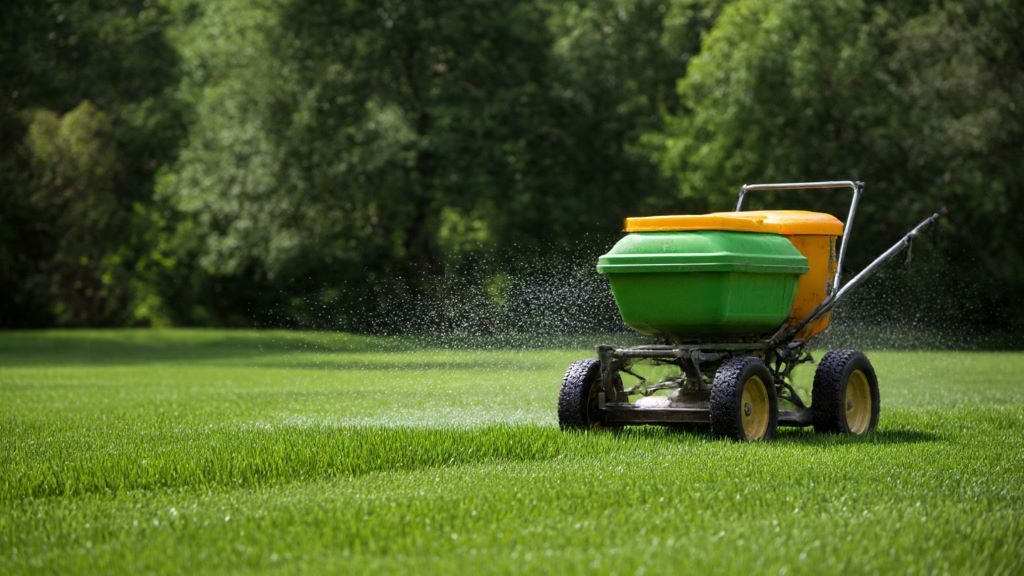
New lawns require careful fertilization to support establishment without causing chemical burn. Starter fertilizers with higher phosphorus content promote strong root development during the first few months. These products typically feature a nutrient ratio like 18-24-12.
Nitrogen drives leaf growth and green color development. However, excessive nitrogen on young grass causes rapid, weak growth susceptible to disease. Therefore, apply nitrogen in small, frequent doses rather than heavy single applications.
Slow-release fertilizers provide steady nutrient availability over extended periods. These formulations reduce the risk of nutrient surge and subsequent lockout. Moreover, they require fewer applications throughout the growing season.
Improving Soil Structure and Drainage
Physical soil properties influence nutrient movement and root growth. Compacted soil restricts water infiltration and oxygen exchange, creating anaerobic conditions that limit nutrient uptake. Core aeration removes soil plugs to reduce compaction and improve root penetration.
Heavy clay soils benefit from organic matter incorporation. Compost additions improve drainage, increase nutrient-holding capacity, and support beneficial microbial populations. Work compost into the top several inches before seeding or apply it as topdressing on established lawns.
Sandy soils drain quickly but struggle to retain nutrients and moisture. Organic amendments help sandy soils hold water and nutrients longer. Additionally, more frequent but lighter fertilizer applications prevent nutrient leaching in sandy conditions.
Optimizing Watering Practices for Nutrient Uptake
Proper irrigation supports nutrient dissolution and transport to grass roots. New lawns require consistent moisture to germinate seeds and establish roots. Water lightly and frequently during the first two weeks, keeping the top inch of soil moist.
Transition to deeper, less frequent watering as grass matures. This encourages deeper root growth and improves drought tolerance. Generally, established lawns need one to one and a half inches of water weekly, including rainfall.
Water during early morning hours to reduce evaporation loss and disease risk. Avoid evening watering that leaves grass wet overnight. Furthermore, adjust irrigation schedules based on weather conditions and seasonal needs.
Addressing Micronutrient Deficiencies
While major nutrients get most attention, micronutrients play crucial roles in grass health. Iron deficiency commonly causes yellowing in alkaline soils where iron becomes chemically unavailable. Foliar iron applications provide quick greening while soil amendments address long-term availability.
Manganese, zinc, and copper deficiencies occur less frequently but impact grass vigor and color. Chelated micronutrient products ensure better absorption and longer-lasting results. These specialized formulations keep micronutrients available across wider pH ranges.
Avoid blanket micronutrient applications without confirmed deficiency. Excessive micronutrients can become toxic and create new problems. Therefore, soil testing guides appropriate supplementation strategies.
Using Organic Amendments to Prevent Lockout
Organic materials improve nutrient availability through multiple mechanisms. Compost releases nutrients slowly as microorganisms break down organic matter. This steady supply prevents the feast-or-famine cycles that contribute to lockout.
Organic amendments buffer pH changes and improve soil structure simultaneously. They increase cation exchange capacity, helping soil hold and release nutrients efficiently. Moreover, organic matter supports diverse microbial communities that enhance nutrient cycling.
Apply compost at rates of one to two cubic yards per thousand square feet when establishing new lawns. Topdress established lawns with a quarter to half inch layer annually. Work amendments into soil before seeding for maximum benefit.
Timing Your Treatments for Maximum Effectiveness
Seasonal timing affects treatment success significantly. Spring applications support vigorous growth as grass emerges from dormancy. However, avoid heavy fertilization during summer heat stress periods when grass grows slowly.
Fall represents the ideal time for major lawn improvements. Grass actively grows roots during cool autumn weather while top growth slows. Aeration, overseeding, and fertilization yield excellent results during this window.
Winter applications on frozen ground risk runoff and environmental contamination. Wait until soil thaws and grass begins active growth. Additionally, monitor weather forecasts to avoid treating before heavy rainfall.
Monitoring Progress and Adjusting Your Approach
Track lawn response after implementing treatments. Visible improvement typically appears within two to four weeks as grass accesses previously unavailable nutrients. However, complete recovery may require several months depending on deficiency severity.
Document your observations with photos and notes about color changes, growth rates, and overall vigor. This information helps refine your maintenance program and identify recurring problems. Furthermore, consistent monitoring catches new issues before they become severe.
Retest soil periodically to confirm that treatments achieve desired results. Adjust amendment rates and frequencies based on grass response and soil test recommendations. Lawn care remains an ongoing process rather than a one-time fix.
Conclusion
Fixing nutrient lockout in new lawns requires understanding the complex interactions between soil chemistry, nutrients, and grass physiology. Yellow grass typically signals nitrogen deficiency, but underlying pH imbalances or poor soil conditions often prevent nutrient uptake even when minerals are present. Therefore, comprehensive soil testing provides the foundation for effective treatment strategies.
Correcting pH levels, improving soil structure, optimizing irrigation, and applying appropriate fertilizers all contribute to unlocking nutrients for grass absorption. Organic amendments offer long-term benefits by buffering pH changes and supporting beneficial soil biology. Additionally, proper timing and consistent monitoring ensure treatments deliver desired results.
With patience and attention to these critical factors, your new lawn will develop the deep green color and vigorous growth that comes from optimal nutrient availability. Addressing nutrient lockout early prevents long-term establishment problems and creates a foundation for a healthy, resilient lawn.
Frequently Asked Questions
What is the most common cause of yellow grass in new lawns?
Nitrogen deficiency causes most yellowing in new lawns. However, iron deficiency produces similar symptoms in alkaline soils. Soil testing determines which nutrient your grass lacks and guides appropriate treatment.
How long does it take to fix nutrient lockout?
Grass typically shows improvement within two to four weeks after correcting pH imbalances and applying appropriate nutrients. Complete recovery may take several months as roots develop and soil conditions stabilize. Patience and consistent care yield the best results.
Can I apply fertilizer to newly seeded grass?
Use starter fertilizer designed for new lawns at seeding time. These products contain lower nitrogen levels that support establishment without burning tender seedlings. Wait until grass reaches mowing height before applying standard lawn fertilizers.
How often should I water a new lawn?
Water new lawns lightly two to three times daily during germination to keep the soil surface moist. After seedlings emerge, gradually reduce frequency while increasing watering depth. Transition to deep, infrequent watering once grass establishes.
Will lime immediately fix my yellow lawn?
Lime works gradually over several months to raise soil pH and improve nutrient availability. Visible grass improvement typically appears four to eight weeks after application. For quicker greening, apply nitrogen fertilizer or iron supplements while lime adjusts pH levels.
Related Topics:
Unmasking the Tiny Terror: Recognizing and Combating Early Signs of Spider Mites
Windowsill Gardening in Winter: Cultivating a Lush Indoor Oasis