Welcoming a newborn into your home brings countless decisions about essential baby gear. Among these choices, selecting the right support products for your infant requires careful consideration. A comprehensive newborn lounger guide helps parents navigate the overwhelming number of options available. Finding the perfect balance between comfort and safety standards can feel challenging without proper information.
Modern parents face an abundance of options when shopping for baby products. The market offers numerous designs, materials, and features to consider. However, not all products meet the same safety and quality standards. Therefore, understanding key factors helps you make informed decisions that benefit your baby.
Creating a safe and nurturing environment for your newborn starts with choosing appropriate support surfaces. Your baby will spend significant time resting during early months. Additionally, proper support contributes to healthy development and peaceful sleep. This makes your selection particularly important for your family’s wellbeing.
Understanding Different Types of Newborn Support Products
The baby product industry offers various options designed for infant comfort and convenience. Each type serves specific purposes and comes with unique characteristics. Recognizing these differences helps parents select items suited to their particular needs.
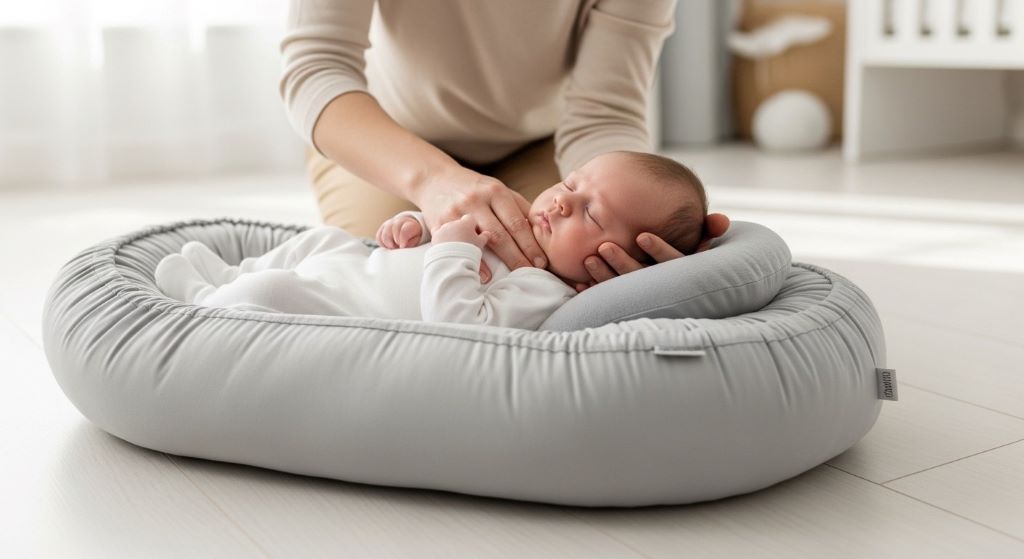
Portable resting surfaces provide cushioned areas where babies can relax while supervised. These products typically feature soft materials and raised edges. Furthermore, they allow parents to keep babies nearby during daily activities. Many families appreciate their lightweight and movable nature. Some parents refer to these as an infant comfort pillow, though medical experts emphasize they should never replace safe sleep surfaces.
Flat sleeping surfaces follow safe sleep guidelines recommended by pediatricians. These firm options support proper spinal development and reduce safety risks. Additionally, they come in various sizes to accommodate different spaces. Parents often use these for supervised daytime rest periods.
Curved support systems cradle babies in gentle positions. Some designs feature slight inclines or contoured shapes. However, medical professionals emphasize the importance of flat sleeping surfaces for overnight use. These curved options work best for brief, supervised periods only.
Travel-friendly options prioritize portability and compact storage. They fold easily for transport and typically weigh very little. Moreover, these designs help maintain routine when away from home. Families who travel frequently find these particularly valuable.
Multifunctional designs combine several uses into one product. Some transition from infant support to toddler seating. Additionally, others include play features or developmental elements. These versatile options appeal to budget-conscious families seeking long-term value.
Prioritizing Safety Features and Standards
Safety represents the most critical consideration when selecting any baby product. Regulatory standards exist to protect infants from potential hazards. Therefore, parents must understand and verify these safety requirements before purchasing. Baby nest safety concerns have prompted pediatricians to issue clear guidelines about proper use and supervision.
Breathable materials allow proper air circulation around your baby. Mesh panels and lightweight fabrics reduce overheating risks. Additionally, breathable construction helps maintain comfortable temperatures. This feature becomes especially important during warmer months.
Firm surfaces support healthy spinal development and reduce suffocation risks. Medical experts consistently recommend avoiding overly soft materials. Furthermore, firm construction maintains its shape under your baby’s weight. This consistency ensures safer resting conditions.
Proper sizing prevents babies from becoming wedged or trapped. Products should accommodate your infant without excess space around them. However, they must not feel restrictive or confining either. Finding the right fit requires considering your baby’s current measurements.
Certification marks indicate products meet recognized safety standards. Look for labels from reputable testing organizations. Additionally, verify that certifications remain current and applicable. These marks provide peace of mind about product safety.
Warning labels communicate important usage guidelines and restrictions. Manufacturers include these for crucial safety reasons. Moreover, reading and following all instructions prevents misuse. Never ignore or remove safety warnings from products.
Recall monitoring ensures you stay informed about safety issues. Register products with manufacturers when possible. Furthermore, check consumer safety websites regularly for updates. Prompt action on recalls protects your baby from identified hazards.
Evaluating Material Quality and Construction
The materials used in baby products directly affect both safety and longevity. High-quality construction withstands regular use and frequent cleaning. Therefore, examining these aspects carefully leads to better purchasing decisions.
Fabric choices impact comfort, durability, and maintenance requirements. Natural fibers like cotton offer breathability and softness. Conversely, synthetic materials may provide better stain resistance. Consider which properties matter most for your household.
Filling materials determine firmness levels and support quality. High-density foam maintains shape better than cheaper alternatives. Additionally, hypoallergenic fillings reduce potential irritation risks. The filling should distribute weight evenly across the surface.
Seam construction reveals overall product quality and durability. Double-stitched seams withstand stress better than single stitching. Furthermore, reinforced edges prevent premature wear and tearing. Inspect seams carefully before purchasing any product.
Removable covers simplify cleaning and maintenance significantly. Machine-washable options save time and effort for busy parents. Moreover, having spare covers allows continuous use during washing. This convenience factor shouldn’t be underestimated.
Non-toxic certifications ensure materials don’t contain harmful chemicals. Babies often mouth surfaces they contact regularly. Therefore, chemical-free materials provide additional safety assurance. Look for certifications like Oeko-Tex or CertiPUR-US.
Zipper quality affects both safety and functionality. Hidden or covered zippers prevent scratching delicate skin. Additionally, sturdy zippers withstand frequent opening and closing. Check that zippers operate smoothly without catching fabric.
Considering Portability and Storage Options
Modern parents lead active lifestyles that require flexible baby gear. Portability features allow you to maintain routines while moving between rooms or locations. Additionally, storage considerations matter in homes with limited space.
Weight affects how easily you can move products around your home. Lightweight designs allow single-handed carrying when needed. However, extremely light products may sacrifice stability. Balance portability with adequate substance and quality.
Folding mechanisms determine how compact products become for storage. Some designs fold flat while others reduce to small bundles. Furthermore, easy folding encourages regular use rather than leaving items out. Test folding mechanisms before purchasing when possible.
Carrying handles or straps enhance transportation convenience significantly. Well-designed handles distribute weight comfortably across your hand. Additionally, they should attach securely without risk of detachment. This feature proves especially valuable for multi-level homes.
Storage bags protect products during transport and when not in use. Dust-resistant bags keep items clean between uses. Moreover, dedicated storage extends product lifespan by preventing damage. Some manufacturers include bags while others require separate purchase.
Size when assembled affects where you can use products. Measure available space in rooms where you plan to use items. Additionally, consider doorway widths if moving between rooms frequently. Proper sizing prevents frustration and maximizes utility.
Compact designs work well in smaller living spaces. Products that serve multiple purposes reduce clutter effectively. Furthermore, vertical storage options maximize floor space efficiency. Urban families particularly appreciate space-saving features.
Assessing Comfort Features for Your Baby
Infant comfort directly influences how well babies rest and relax. Comfortable babies cry less and sleep better overall. Therefore, evaluating comfort features benefits both babies and parents.
Cushioning density provides support without being too soft. Adequate padding prevents pressure points during extended use. However, excessive softness may pose safety concerns. The right balance supports proper positioning. When evaluating any infant comfort pillow or lounger, always prioritize firmness over plush softness to maintain safety standards.
Edge design affects how securely babies rest within products. Gently raised sides provide boundaries without confinement. Additionally, edges should feel soft against delicate skin. Avoid sharp or rigid edges that could cause discomfort.
Temperature regulation prevents overheating during use. Breathable materials allow heat to dissipate naturally. Furthermore, seasonal considerations may influence material preferences. Lighter fabrics suit summer while slightly heavier options work for winter.
Texture considerations impact baby’s sensory experience. Soft, smooth surfaces feel pleasant against sensitive skin. Moreover, avoiding rough or scratchy materials prevents irritation. Babies communicate comfort through their behavior and contentment.
Incline options remain controversial among safety experts. While some parents prefer slight elevation, medical guidance emphasizes flat surfaces. Therefore, products with adjustable positions require careful consideration. Always prioritize safety recommendations over convenience.
Size appropriateness ensures proper fit as babies grow. Products should accommodate newborns without swallowing them. Additionally, they should remain useful for several months. Consider growth projections when evaluating sizing.
Understanding Age and Weight Limitations
Every baby product includes specific usage guidelines based on developmental stages. Following these recommendations ensures safe and appropriate use. Therefore, understanding limitations prevents misuse and potential hazards.
Newborn specifications indicate whether products suit youngest babies. Some designs work from birth while others require head control. Additionally, minimum weight requirements may apply to certain features. Verify your baby meets all criteria before use.
Maximum weight limits determine when babies outgrow products. Exceeding these limits compromises both safety and functionality. Furthermore, attempting to extend use beyond limits risks product failure. Replace items promptly when babies reach maximum specifications.
Developmental milestones affect appropriate product selection. Rolling babies require different support than stationary newborns. Additionally, sitting babies need alternative solutions entirely. Match products to your baby’s current abilities.
Manufacturer guidelines provide specific usage parameters. These instructions result from safety testing and research. Moreover, they often include important timing recommendations. Reading and following all guidelines protects your baby.
Transition planning helps you prepare for outgrowing current products. Most items serve babies for limited timeframes. Therefore, budgeting for next stages prevents last-minute scrambling. Understanding typical usage periods aids planning.
Growth monitoring ensures timely transitions between products. Regular weight checks indicate approaching limits. Additionally, observing developmental progress signals changing needs. Stay attentive to your baby’s advancement.
Examining Maintenance and Cleaning Requirements
Baby products inevitably encounter spills, spit-up, and various messes. Easy maintenance encourages consistent cleaning and hygiene. Therefore, considering care requirements before purchasing saves future frustration.
Machine washability represents the most convenient cleaning option. Removable, washable covers simplify regular laundering. Additionally, machine washing ensures thorough cleaning and sanitization. Check whether covers withstand hot water for better hygiene.
Spot cleaning capability helps manage small messes quickly. Some materials resist staining better than others. Furthermore, waterproof or water-resistant fabrics wipe clean easily. This feature reduces how often deep cleaning becomes necessary.
Drying time affects how quickly you can return items to use. Quick-drying materials prevent mildew and maintain freshness. Moreover, some fabrics tolerate dryer use while others require air drying. Consider your laundry facilities and preferences.
Stain resistance varies significantly between fabric types. Darker colors hide stains better than light neutrals. However, some treated fabrics repel liquids effectively regardless of color. Balance aesthetic preferences with practical considerations.
Odor management becomes important with frequent use. Materials that trap odors require more intensive cleaning. Additionally, proper drying prevents musty smells from developing. Good air circulation during storage helps maintain freshness.
Replacement part availability extends product lifespan significantly. Some manufacturers sell replacement covers separately. Furthermore, finding compatible parts becomes easier with popular brands. This option proves more economical than replacing entire products.
Comparing Price Points and Value Considerations
Baby product prices vary dramatically across brands and features. Understanding what drives these differences helps identify good value. Therefore, analyzing cost factors leads to smarter purchasing decisions.
Budget-friendly options meet basic needs without extra features. Simple designs often provide adequate functionality. However, they may use lower-quality materials or construction. These work well for occasional or short-term use.
Mid-range products balance quality with reasonable pricing. They typically include popular features and decent materials. Additionally, construction quality improves noticeably at this level. Most families find good value in mid-range selections.
Premium options offer superior materials and innovative features. High-end products often include extended warranties and guarantees. Furthermore, luxury brands emphasize aesthetic appeal alongside function. These suit families prioritizing specific qualities or longevity.
Multi-use versatility increases overall value significantly. Products serving multiple purposes justify higher initial costs. Moreover, they reduce total spending on separate items. Calculate cost per use when evaluating versatility.
Longevity expectations affect true product value. Items lasting through multiple children cost less per use. Additionally, durable construction maintains resale value better. Consider long-term plans when assessing prices.
Sales and discounts provide opportunities for savings. Seasonal sales often feature baby products significantly reduced. Furthermore, previous-year models offer comparable quality at lower prices. Patient shopping yields substantial savings.
Reviewing Brand Reputation and Customer Feedback
Brand reputation reflects consistent quality and customer satisfaction over time. Established brands typically maintain higher standards. Therefore, researching manufacturers provides valuable decision-making information.
Company history indicates experience and expertise levels. Long-established brands demonstrate staying power and reliability. Additionally, they often lead safety innovations and improvements. However, newer companies sometimes offer fresh perspectives.
Customer reviews reveal real-world experiences and satisfaction. Multiple reviews provide broader perspective than individual opinions. Furthermore, recurring themes in feedback highlight consistent strengths or weaknesses. Read reviews across multiple platforms for balanced views.
Safety records show how brands handle quality control. Companies with clean safety histories prioritize proper testing. Moreover, their response to identified issues demonstrates responsibility. Check consumer safety databases for recall information.
Warranty coverage demonstrates manufacturer confidence in products. Generous warranties suggest quality construction and materials. Additionally, clear warranty terms protect your investment. Understand coverage specifics before purchasing.
Customer service quality affects your overall ownership experience. Responsive support helps resolve questions and concerns quickly. Furthermore, accessible customer service increases satisfaction. Test responsiveness through pre-purchase inquiries.
Return policies provide protection against unsuitable purchases. Flexible return windows allow adequate testing periods. Moreover, reasonable return conditions reduce purchasing risk. Clarify policies before completing transactions.
Making the Final Selection Decision
Choosing the right product requires synthesizing all considered factors. Your specific circumstances and priorities guide this personal decision. Therefore, thoughtful evaluation leads to selections that truly meet your needs.
Safety always takes precedence over all other considerations. Never compromise baby’s wellbeing for convenience or aesthetics. Additionally, verify all safety features and certifications. This foundation ensures appropriate choices.
Lifestyle compatibility affects how well products serve your family. Active families need different features than homebodies. Furthermore, living situations influence practical requirements. Match selections to your actual circumstances.
Personal preferences regarding style and aesthetics matter too. Products you find appealing encourage consistent use. Moreover, attractive items integrate better into home decor. Balance aesthetics with functionality appropriately.
Budget constraints require realistic assessment and planning. Determine spending limits before shopping begins. Additionally, identify which features justify higher costs. Prioritize must-haves over nice-to-have extras.
Testing opportunities provide firsthand experience when available. Visit stores displaying products to examine quality directly. Furthermore, ask friends about their experiences with specific items. Real-world insights prove invaluable.
Conclusion
Selecting appropriate support products for your newborn requires careful consideration of multiple factors. Safety must always remain your top priority when evaluating options. Additionally, quality construction, appropriate materials, and proper sizing ensure comfortable and secure use. Following this newborn lounger guide and understanding baby nest safety principles protects your infant while providing needed comfort.
Understanding different product types helps match solutions to your specific needs. Furthermore, considering portability, maintenance requirements, and longevity affects overall satisfaction. Price comparisons should account for features, quality, and expected usage duration.
Brand reputation and customer feedback provide valuable real-world insights. Moreover, verifying safety certifications and following usage guidelines protects your baby. Never use products beyond stated age, weight, or developmental limitations.
The ideal choice balances safety, comfort, convenience, and value within your budget. Take time to research thoroughly and verify all claims. Additionally, remember that supervised use remains essential regardless of product selection.
Your baby’s safety and comfort depend on informed decisions about support products. Trust your instincts while relying on expert guidance and safety standards. Furthermore, register products and stay informed about any safety updates. With careful selection and proper use, you can provide your newborn with safe, comfortable support during precious early months.
Frequently Asked Questions
How long can my baby safely use a lounger each day?
Babies should only use loungers for brief periods under constant supervision. Medical experts recommend limiting time in any single position to prevent flat spots on the head. Additionally, loungers should never replace safe sleep surfaces like firm crib mattresses. Use loungers for short supervised periods during awake time, typically 20-30 minutes at most. Always move your baby to different positions throughout the day and place them on firm, flat surfaces for all sleep.
At what age should I stop using a baby lounger?
Most loungers are designed for newborns up to about 3-4 months old or until babies can roll over independently. Once your baby shows signs of rolling, sitting up, or pushing up, discontinue use immediately. Additionally, always follow the manufacturer’s specific age and weight guidelines. Continuing use beyond recommendations poses serious safety risks. Transition to age-appropriate alternatives as your baby develops new motor skills.
Can I use a baby lounger for overnight sleep?
No, baby loungers should never be used for unsupervised sleep or overnight rest. The American Academy of Pediatrics recommends babies sleep on firm, flat surfaces without soft bedding or cushioned products. Additionally, loungers with raised edges or soft padding increase suffocation risks during sleep. Always place your baby in a safety-approved crib or bassinet for naps and nighttime sleep. Loungers are only appropriate for brief, supervised awake time.
How do I clean and maintain a baby lounger properly?
Most quality loungers feature removable, machine-washable covers for easy cleaning. Wash covers according to manufacturer instructions, typically in cold or warm water on gentle cycles. Additionally, spot-clean the base as needed using mild soap and water. Allow all components to dry completely before reassembling to prevent mildew. Clean covers weekly or more frequently after spills or accidents. Inspect the lounger regularly for wear, tears, or loose seams that could pose safety hazards.
Are expensive baby loungers worth the higher price?
Higher-priced loungers often feature superior materials, better construction, and enhanced safety features. However, price alone doesn’t guarantee quality or appropriateness for your needs. Additionally, many mid-range options provide excellent safety and comfort. Focus on safety certifications, breathable materials, and proper sizing rather than price tags. Read reviews from verified purchasers to assess real value. Sometimes premium features justify higher costs, but adequate safe options exist across price ranges.
Related Topics:
Top Pillow for Neck and Shoulder Pain in 2025
How to Choose an Organic Toddler Pillow for Sensitive Skin