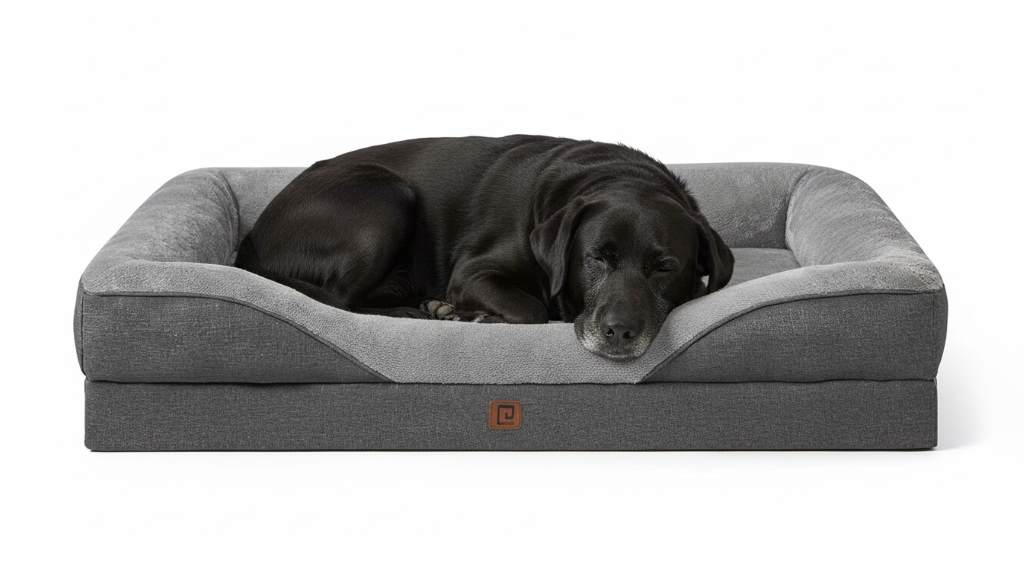
Imagine watching your loyal companion struggle to get comfortable after a long day. Arthritis hits many dogs hard as they age. This condition causes stiff joints and ongoing pain. Owners often search for ways to ease their pet’s discomfort. A good bed can make a big difference in daily life. For instance, a quality dog bed for arthritis supports sore spots and promotes better rest. According to the American Veterinary Medical Association, osteoarthritis affects about 20 percent of adult dogs. Another study from the National Institutes of Health notes that up to 90 percent of dogs over five years old deal with this issue in the United States. These numbers show why finding the right bed matters so much. In this article, we explore top options that bring relief and improve quality of life.
Understanding Arthritis in Dogs
Arthritis sneaks up on many dogs without warning. Vets call it osteoarthritis most often. It breaks down cartilage in joints over time. Dogs feel pain during movement or rest. Large breeds face higher risks due to extra weight on bones. Smaller ones aren’t immune either. Signs include limping after play or hesitation on stairs. Owners notice these changes gradually. Early detection helps manage symptoms effectively. Research from the AVMA highlights how breed and age play key roles. For example, Labradors and German Shepherds suffer more frequently. However, any dog can develop it from injuries or genetics. Therefore, paying attention to behavior proves crucial. Additionally, regular checkups catch problems before they worsen.
Joint pain stems from inflammation in these areas. Cartilage wears thin, so bones rub together. This friction causes swelling and discomfort. Dogs might whine or avoid touch on affected spots. Weight gain worsens the cycle by adding pressure. Exercise becomes harder for them too. Studies show obesity doubles arthritis risks in canines. Consequently, keeping a healthy weight supports joint health. Vets recommend diets rich in omega-3s for this reason. Furthermore, supplements like glucosamine aid repair. But beds provide immediate comfort at home. They cushion sore points during sleep. Thus, understanding the condition guides better choices for care.
Why Special Beds Matter for Arthritic Dogs
Regular beds fail to support aging joints properly. They sag and create uneven surfaces. Arthritic dogs need something firmer yet forgiving. Orthopedic designs distribute weight evenly across the body. This reduces stress on hips and elbows. For instance, memory foam molds to their shape perfectly. It cradles without sinking too deep. Research from veterinary journals confirms better sleep leads to less pain. Dogs wake up more refreshed and mobile. Additionally, these beds prevent pressure sores from forming. Senior dogs spend more time lying down, so quality matters. Therefore, investing in the right one boosts overall well-being. Moreover, it complements vet treatments like medications.
Related:
How Do I Know if Bed Bugs Are on My Dog and Cat
How to Deter Dogs From Digging Without Harming Them
Pain relief comes from targeted support in these beds. Joints align better during rest periods. Blood flow improves to inflamed areas too. Owners report seeing happier pets after switching. One case study involved a 10-year-old Golden Retriever with severe hip issues. After using an orthopedic pet bed, the dog moved easier within weeks. Vets observed reduced limping in follow-ups. However, not all beds work the same way. Materials make a huge difference here. Foam density affects longevity and comfort levels. Consequently, choosing wisely pays off long-term. Furthermore, these options often include non-slip bases for safety. Thus, they help dogs feel secure while settling in.
Key Features to Look for in a Dog Bed for Arthritis
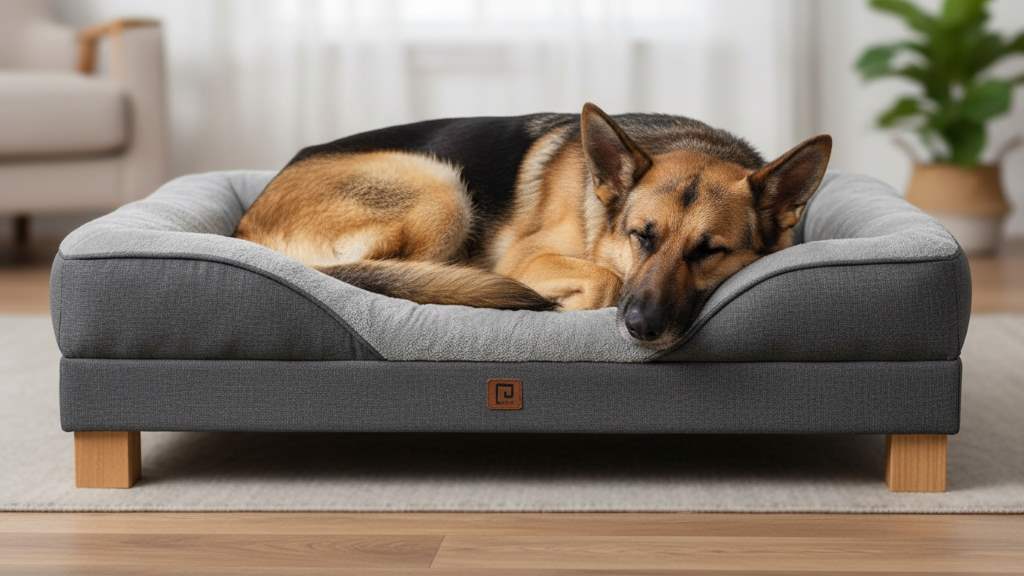
Support stands out as the top priority. Look for high-density foam that holds shape over time. It provides consistent cushioning for sore joints. Additionally, thickness matters for larger breeds. Aim for at least four inches of material. This depth absorbs impacts effectively. Waterproof covers protect against accidents too. They keep the interior clean and dry. Moreover, removable ones simplify washing routines. Breathable fabrics prevent overheating during naps. Dogs with arthritis often run warm from inflammation. Therefore, cooling gels add extra relief in some models. However, always check for hypoallergenic options if allergies exist.
Bolsters offer security around the edges. They let dogs rest their heads comfortably. This position eases neck strain common in arthritic pets. For example, donut-shaped designs surround the body fully. Rectangular ones suit sprawlers better though. Additionally, anti-microbial treatments fight bacteria buildup. Cleanliness reduces infection risks in older dogs. Furthermore, elevated styles improve airflow underneath. They help regulate temperature year-round. But ground-level ones work fine for most homes. Consequently, match features to your dog’s habits. Observing how they sleep guides the best pick.
Memory Foam Benefits
Memory foam adapts to body contours seamlessly. It relieves pressure points on elbows and knees. Senior dogs benefit most from this technology. Their bones appreciate the gentle hug it provides. Research shows it improves sleep quality by 30 percent in pets. Vets recommend it for chronic conditions like arthritis. Additionally, it rebounds quickly after use. This ensures lasting support without flattening. However, combine it with other layers for best results. Gel-infused versions cool hot spots too. Therefore, they suit warmer climates well. Moreover, durability extends the bed’s life span. Owners save time on replacements this way.
Supportive Bolsters and Edges
Bolsters act like pillows for weary heads. They encourage proper posture during rest. Arthritic dogs lean on them for stability. This setup reduces twisting motions that hurt joints. For instance, a Labrador might nestle against them nightly. Additionally, reinforced edges prevent collapse over time. Firmness here matters for safety reasons. Loose sides could cause falls when entering. Furthermore, some include heating elements for cold weather. Warmth soothes stiff muscles effectively. However, avoid overly soft ones that lack structure. Thus, balance comfort with support always.
Easy-to-Clean Materials
Covers should zip off without hassle. Machine-washable fabrics save effort weekly. Waterproof linings block moisture from reaching foam. This prevents mold growth inside. Additionally, stain-resistant treatments handle drool or dirt. Pets track in messes sometimes. Therefore, quick spot cleaning keeps things fresh. Moreover, odor-control features neutralize smells naturally. Baking soda infusions work wonders here. However, air drying preserves material integrity. Sunlight kills germs too. Consequently, maintenance becomes simple and routine.
Top Types of Orthopedic Dog Beds
Several types address different needs effectively. Memory foam tops the list for superior contouring. It hugs the body while supporting weight distribution. Egg-crate foam offers budget-friendly alternatives though. Its bumpy surface promotes air circulation. Additionally, hybrid models combine both for enhanced benefits. They provide firmness where needed most. Bolstered sofas mimic human furniture styles. Dogs love lounging on them during days. Furthermore, cave beds enclose anxious pets securely. But open platforms suit confident ones better. Therefore, consider personality in choices.
Elevated beds lift dogs off cold floors. Mesh fabrics allow breezes to flow through. This cools joints in summer months. However, add cushions for extra padding. Orthopedic crates integrate beds inside kennels. Travel becomes comfier this way. Additionally, heated options warm up chilly nights. They use safe low-voltage systems. Moreover, travel-sized versions fold compactly. Owners take them on trips easily. Consequently, consistency in comfort follows everywhere. But test preferences at home first.
Memory Foam Beds
These beds excel in pressure relief tasks. Foam conforms to shapes without resistance. Arthritic hips sink gently into support. Vets praise them for recovery aid post-surgery. One study found dogs slept longer on them. Additionally, thicknesses vary by size needs. Larger pups require deeper layers. Furthermore, certifications ensure toxin-free materials. Peace of mind comes with that. However, rotate them periodically for even wear. Thus, they last years reliably.
Egg-Crate Foam Beds
Egg-crate designs boost ventilation naturally. Peaks and valleys create airflow channels. Hot dogs stay cooler during rests. Budget options often use this style. Additionally, they compress for storage ease. Portability suits multi-home setups. Moreover, layering with toppers adds luxury. Soft covers enhance the feel too. However, replace if flattening occurs. Regular checks maintain effectiveness.
Bolstered Sofa Beds
Sofa styles invite relaxation like couches do. Raised backs support leaning postures. Dogs prop up sore limbs comfortably. Living rooms blend them seamlessly. Additionally, durable fabrics resist scratches. Active households appreciate that. Furthermore, modular pieces adjust layouts. Flexibility grows with needs. But measure spaces before buying. Proper fit ensures happy use.
How to Choose the Right Size and Shape
Size matches your dog’s measurements closely. Measure from nose to tail base. Add extra inches for stretching room. Small breeds need cozy fits though. Large ones require ample space. Additionally, consider weight for foam density. Heavier dogs sink deeper otherwise. Shapes depend on sleeping styles too. Curlers prefer rounds or ovals. Sprawlers like rectangles best. Furthermore, test in stores if possible. Observe reactions firsthand. However, online reviews guide decisions well. Real experiences share insights effectively.
Age influences choices significantly. Puppies grow into larger sizes quickly. Seniors favor low-entry designs. Steps strain joints unnecessarily. Additionally, multiple beds around homes help. Dogs move less as pain increases. Therefore, accessibility eases daily routines. Moreover, custom options address unique needs. Vets suggest them for severe cases. Consequently, personalization maximizes comfort levels.
Maintenance and Care Tips
Clean beds extend their usefulness greatly. Vacuum surfaces weekly for hair removal. Spot clean spills immediately. Use mild soaps only. Additionally, wash covers in cold water. Heat damages waterproofing layers. Air dry away from direct sun. Fading occurs otherwise. Furthermore, flip mattresses monthly. Even wear prevents sagging spots. However, store extras in cool places. Moisture ruins foam over time. Thus, proper care saves replacement costs.
Inspect for damage regularly. Tears expose interiors to dirt. Repair kits fix small issues fast. Additionally, deodorize with natural sprays. Vinegar mixtures work safely. Moreover, rotate usage if multiple exist. Variety keeps interest high. Consequently, dogs enjoy fresh spots always.
Additional Tips for Managing Joint Pain
Beds form part of broader strategies. Exercise keeps muscles strong around joints. Short walks build endurance gradually. Swimming offers low-impact fun too. Additionally, massages relax tight areas. Gentle strokes improve circulation. Vets teach techniques easily. Furthermore, ramps replace stairs indoors. They reduce strain on knees. However, monitor weight closely. Extra pounds hurt more. Balanced meals control portions well.
Supplements support cartilage health daily. Glucosamine rebuilds worn tissues. Omega-3s fight inflammation naturally. Additionally, acupuncture provides alternative relief. Sessions calm nerves effectively. Moreover, warm compresses soothe aches. Apply for short times. Consequently, combined approaches yield best results.
In one case, a rescue shelter used senior dog beds for older adoptees. Volunteers noted quicker adoptions due to happier demeanors. Dogs rested better and played more. This example shows real impacts on lives.
Conclusion
Arthritis challenges many dogs, but the right bed brings much-needed relief. We covered key features like memory foam and bolsters. Types vary to suit different preferences and sizes. Maintenance tips ensure longevity too. Additional strategies enhance overall management. Your pet deserves comfort in golden years. Start by assessing their needs today. Consult a vet for personalized advice. Then, pick a supportive bed to see the difference yourself.
FAQs
FAQ: What Causes Arthritis in Dogs?
Several factors contribute to arthritis development. Age tops the list as joints wear down naturally. Injuries from past accidents speed up the process. Genetics play a role in certain breeds too. Obesity adds extra stress on bones daily. Infections or immune issues trigger it sometimes. Vets diagnose through exams and x-rays. Early intervention slows progression effectively.
FAQ: How Do I Know If My Dog Needs an Orthopedic Bed?
Watch for signs of discomfort during rest. Limping after naps indicates poor support. Hesitation to lie down shows pain. Restless shifting means uneven surfaces. Older dogs benefit automatically from them. If arthritis is diagnosed, switch immediately. Improved sleep follows quickly.
FAQ: Can Puppies Use Beds Designed for Arthritic Dogs?
Puppies can use these beds safely. Supportive foam aids growing bones well. It prevents future issues too. However, choose sizes that fit now. Oversized ones feel overwhelming. Active pups enjoy durable covers most.
FAQ: How Often Should I Replace My Dog’s Bed?
Replace every two to three years typically. Foam loses firmness over time. Check for sagging or odors regularly. Heavy use shortens lifespan. Clean habits extend it though.
FAQ: Are There Natural Ways to Complement Bed Use for Joint Pain?
Yes, several natural methods help. Turmeric reduces inflammation when dosed right. Fish oil supplements provide omega-3s. Herbal teas like chamomile calm nerves. Massage therapy relaxes muscles. Always check with vets first.
References