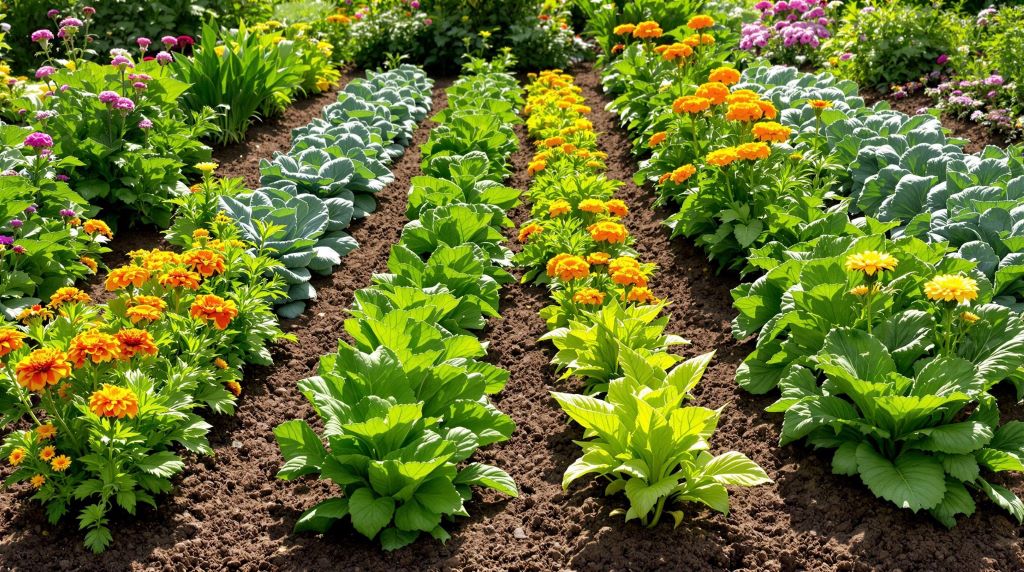
Imagine stepping into your backyard on a sunny morning, the air filled with the aromatic blend of fresh basil, rosemary, and thyme wafting from a thriving herb garden. But what if your herbs aren’t just surviving—they’re actually helping each other grow stronger, repelling pests, and enhancing flavors? That’s the magic of companion planting. If you’ve ever wondered “what herbs can be planted together,” you’re in the right place. This guide dives deep into herb compatibility, offering practical advice to create a harmonious herb garden that boosts yields and minimizes issues. Whether you’re a beginner gardener or a seasoned green thumb, understanding herb companions can transform your space into a productive oasis.
Companion planting isn’t a new fad; it’s an age-old practice rooted in observing how plants interact in nature. By grouping herbs with similar needs or complementary benefits, you can improve soil health, deter unwanted insects, and even enhance the taste of your culinary creations. In this article, we’ll explore the best herb combinations, what to avoid, and tips for success in both garden beds and containers. Let’s cultivate some knowledge and get your herb garden growing!
Understanding Companion Planting for Herbs
At its core, companion planting involves strategically placing plants near each other to mutual advantage. For herbs, this means considering factors like sunlight requirements, water needs, soil preferences, and growth habits. Herbs are particularly well-suited for this because many are low-maintenance perennials or annuals that thrive in compact spaces.
Why bother with herb companion planting? The benefits are plentiful. First, it promotes natural pest control. For instance, aromatic herbs like basil and chives can repel aphids and flies, protecting neighboring plants without chemicals. Second, it optimizes space and resources—grouping drought-tolerant herbs together conserves water, while moisture-loving ones can share richer soil. Third, some combinations enhance growth; research shows that certain herbs release compounds that stimulate root development in companions.
According to gardening experts, companion planting can increase yields by up to 20% in small gardens by fostering biodiversity. This approach aligns with sustainable gardening principles, reducing the need for pesticides and fertilizers. Plus, it’s perfect for urban dwellers using pots or raised beds, where space is at a premium.
Best Herb Groups for Companion Planting
Herbs can be categorized based on their origins and care needs, making it easier to pair them effectively. Here’s a breakdown of compatible groups, complete with why they work and specific examples.
Mediterranean Herbs: Drought-Tolerant Powerhouses
These sun-loving herbs hail from dry, rocky regions and prefer well-drained soil with minimal watering. Planting them together mimics their natural habitat, leading to healthier plants and fewer diseases.
- Rosemary, Thyme, Sage, and Oregano: This quartet is a classic. They all crave full sun (at least 6-8 hours daily) and sandy soil. Rosemary’s woody structure provides support for sprawling oregano, while thyme’s low growth acts as a living mulch, retaining moisture. Sage adds pest-repelling properties against cabbage moths and carrot flies. In the kitchen, they shine in roasts and marinades.
- Add Lavender: Often overlooked as an herb, lavender pairs beautifully with rosemary and sage due to shared preferences for alkaline soil and infrequent watering. Its flowers attract pollinators like bees, benefiting the entire garden.
Avoid overcrowding; space them 12-18 inches apart to prevent fungal issues in humid climates.
Moisture-Loving Annual Herbs: Fresh and Flavorful
These herbs enjoy consistently moist soil and partial shade, making them ideal for shadier spots or indoor windowsills. They’re often fast-growing and perfect for beginners.
- Basil, Parsley, and Cilantro: A trio that’s as delicious as it is compatible. Basil thrives with parsley’s shade tolerance, and cilantro’s quick bolt cycle doesn’t compete long-term. All three deter pests like tomato hornworms when planted near veggies, but among themselves, they share nutrient needs without rivalry. Pro tip: Succession plant cilantro every few weeks for continuous harvest.
- Include Chives: Chives add a mild onion flavor and repel aphids effectively. Plant them with basil and parsley for a “pesto patch” that enhances Italian dishes. Their purple flowers also draw beneficial insects.
These herbs benefit from rich, organic compost and regular watering—aim for soil that’s damp but not waterlogged.
Perennial Herbs with Versatile Partners
Perennials like mint and lemon balm return year after year, but they can be invasive, so containment is key.
- Mint with Lemon Balm: Both are vigorous growers that prefer moist, shaded areas. They’re excellent for teas and cocktails, and their strong scents mask odors from less pleasant plants. However, plant them in pots to prevent takeover.
- Tarragon and Chervil: These French fines herbes companions enjoy similar cool, moist conditions. Tarragon’s anise flavor complements chervil’s mild parsley taste, and they both deter slugs.
For perennials, mulch around the base to suppress weeds and retain moisture.
Other Notable Combinations
- Dill and Coriander (Cilantro): These umbellifers attract beneficial wasps that prey on caterpillars. Plant them together in full sun for pickling perfection.
- Marjoram and Savory: Sweet marjoram pairs with winter savory for a Mediterranean twist, both repelling bean beetles when interplanted with legumes.
Experiment with these based on your climate—USDA zones 5-9 suit most combinations.
Herbs to Avoid Planting Together
Not all herbs play nice. Some compete for resources or inhibit growth through allelopathy (releasing chemicals that stunt neighbors).
- Mint and Anything Else: Mint’s aggressive roots can choke out companions. Isolate it in containers.
- Fennel with Most Herbs: Fennel is a loner; it inhibits growth in basil, dill, and coriander. Plant it separately or with non-competitive flowers like marigolds.
- Rue and Basil/Sage: Rue’s bitterness can transfer to nearby herbs, and it competes for sunlight.
- Dill and Fennel: Cross-pollination leads to flavorless hybrids—keep them apart.
Common pitfalls include mixing wet and dry lovers, like basil with rosemary, leading to root rot or drought stress.
Tips for Successful Herb Companion Planting
To maximize your herb garden’s potential, follow these practical steps:
- Assess Your Space: In containers, group 3-4 compatible herbs per pot (e.g., rosemary, thyme, oregano in a 12-inch terracotta planter for good drainage). For ground planting, use raised beds to control soil types.
- Soil and Sun Essentials: Test soil pH—Mediterranean herbs like 6.5-7.5, while basil prefers 6.0-7.0. Ensure matching light needs; shade-tolerant parsley won’t thrive next to sun-hungry sage.
- Watering Wisdom: Overwatering is a top killer. Use drip irrigation for even moisture, and mulch with gravel for dry herbs or straw for moist ones.
- Pest Management: Incorporate marigolds or nasturtiums as “trap crops” to draw pests away. Rotate plantings annually to prevent soil depletion.
- Harvesting and Maintenance: Pinch tops regularly to encourage bushiness. Fertilize sparingly with organic options like compost tea.
For small spaces, vertical gardens or windowsill pots work wonders. In colder zones, bring tender annuals indoors during winter.
Sample Herb Garden Layouts
Visualize your setup with these ideas:
- Container Combo: One pot with basil, parsley, and chives for a salad station.
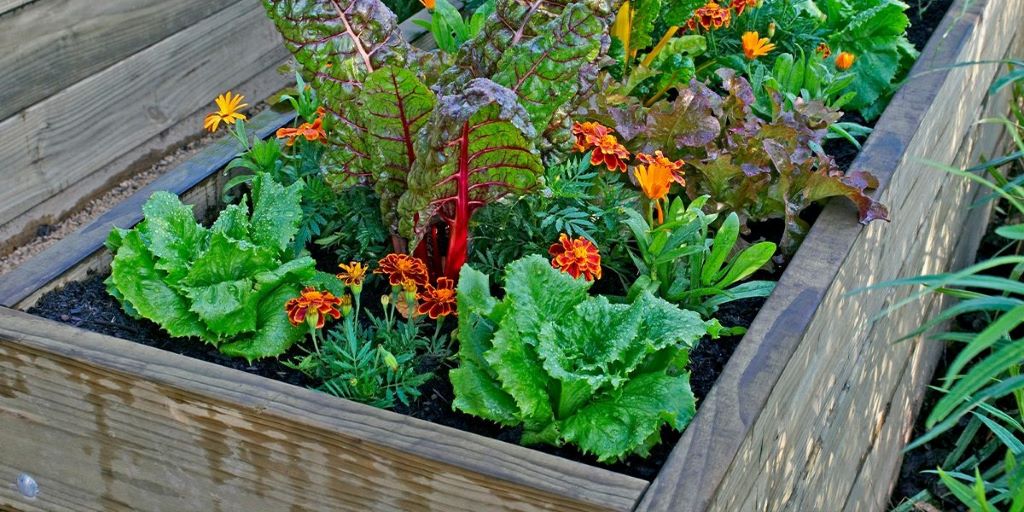
- Bed Design: A 4×4 foot raised bed divided into quadrants—Mediterranean herbs in one, moisture-lovers in another, with marigolds bordering for pest control.
- Mixed Veggie-Herb Plot: Plant thyme around tomatoes for flavor boost and pest deterrence.
These layouts ensure balance and beauty, turning your garden into a functional art piece.
Wrapping Up: Cultivate Your Perfect Herb Haven
Companion planting herbs isn’t just about what grows together—it’s about creating an ecosystem where each plant supports the others, leading to bountiful harvests and fewer headaches. From the robust Mediterranean group of rosemary and thyme to the fresh burst of basil and parsley, the right combinations can elevate your gardening game. Remember to avoid mismatches like mint with delicate herbs, and always tailor to your local conditions for the best results.
Read More:
Timing Matters: When to Plant Crops for Maximum Yield
Windowsill Gardening in Winter: Cultivating a Lush Indoor Oasis