Gardening in Placer County brings joy, fresh produce, and vibrant landscapes, but it also comes with challenges. Plant diseases can quickly turn a thriving garden into a wilted mess. Fortunately, resources like The Village Gardener offer practical advice for tackling these issues. By understanding common plant diseases and applying simple solutions, you can protect your garden and keep it flourishing. This article explores the most frequent plant disease problems in Placer and provides actionable steps to prevent and treat them.
Understanding Common Plant Diseases in Placer
Placer County’s climate, with its warm summers and wet winters, creates a perfect environment for certain plant diseases. Fungal infections, bacterial blights, and viral diseases thrive in these conditions. Recognizing the signs early is key to saving your plants. For expert guidance on identifying and addressing these issues, The Village Gardener’s plant care guide provides detailed tips on diagnosing and treating common plant disease problems in Placer.
Fungal Diseases: The Silent Garden Killers
Fungi are among the most common culprits behind plant diseases in Placer. They spread through spores carried by wind, water, or soil. Below are three widespread fungal diseases and how to manage them.
Powdery Mildew
Powdery mildew appears as white or grayish patches on leaves, often affecting roses, squash, and grapes. It thrives in warm, dry conditions but can spread in humid weather. To combat it, ensure proper air circulation by spacing plants adequately. Additionally, apply a neem oil spray or a baking soda solution (1 tablespoon per gallon of water) weekly. Remove infected leaves promptly to prevent spread.
Root Rot
Root rot, caused by fungi like Phytophthora, turns roots mushy and black, leading to wilting plants. Overwatering and poor drainage are common causes. To prevent it, use well-draining soil and avoid overwatering. If detected, remove affected plants and replace the soil. Applying a fungicide labeled for root rot can help in early stages.
Anthracnose
Anthracnose shows up as dark, sunken spots on leaves, stems, or fruit, often affecting tomatoes and peppers. Wet conditions fuel its spread. Remove and destroy infected plant parts immediately. Additionally, water plants at the base, not overhead, to keep foliage dry. Copper-based fungicides can help control outbreaks.
Bacterial Diseases: Quick to Spread, Tough to Stop
Bacterial diseases spread fast and can devastate gardens if not addressed. They often enter plants through wounds or natural openings. Here are two common bacterial issues in Placer.
Bacterial Leaf Spot
This disease causes dark, water-soaked spots on leaves, often with a yellow halo. It affects peppers, tomatoes, and leafy greens. Remove infected leaves and avoid overhead watering. Copper-based sprays can reduce spread, but prevention is key. Rotate crops every two years to break the disease cycle.
Fire Blight
Fire blight, common in fruit trees like pears and apples, causes blackened, wilted shoots that look scorched. Prune affected branches at least 12 inches below symptoms, sterilizing tools between cuts. Apply a copper-based spray during bloom to prevent infection. Resistant varieties, like Liberty apples, can reduce risk.
Viral Diseases: Tricky but Manageable
Viral diseases are harder to treat because they lack direct cures. However, prevention and early action can limit damage. Mosaic viruses, which cause mottled, yellowing leaves, are common in Placer. They affect crops like cucumbers and tomatoes. Aphids often spread these viruses, so controlling pests is critical. Use insecticidal soap or neem oil to deter aphids. Remove and destroy infected plants to prevent further spread. Always use virus-free seeds or transplants.
Environmental Factors That Worsen Plant Diseases
Placer’s unique climate and soil conditions can amplify plant disease problems. Wet springs and hot summers create ideal conditions for fungi and bacteria. Poor soil drainage, common in clay-heavy areas, promotes root rot. Additionally, overcrowding plants reduces air circulation, encouraging fungal growth. To counter these issues, test your soil for drainage and amend it with compost. Space plants properly and monitor watering habits to keep diseases at bay.

Preventive Measures for a Healthy Garden
Prevention is the best defense against plant diseases. Simple practices can make a big difference. Here are some tips to keep your garden thriving:
- Choose Resistant Varieties: Select plants bred for disease resistance, like Roma tomatoes for fusarium wilt.
- Practice Crop Rotation: Rotate crops annually to disrupt disease cycles.
- Sanitize Tools: Clean pruning shears and other tools with a 10% bleach solution to avoid spreading pathogens.
- Monitor Soil Health: Test soil pH and nutrients regularly. Healthy soil supports stronger plants.
- Water Wisely: Water early in the morning to allow foliage to dry before evening.
Implementing these habits reduces the risk of disease and strengthens your garden’s resilience.
Organic and Chemical Treatments
When prevention isn’t enough, treatments can help. Organic options, like neem oil and sulfur-based sprays, are effective for fungal diseases. Copper-based products work well for bacterial issues. For severe cases, synthetic fungicides or bactericides may be necessary. Always follow label instructions and apply treatments early in the disease cycle. Additionally, consult local extension services for Placer-specific recommendations.
The Role of Proper Plant Care
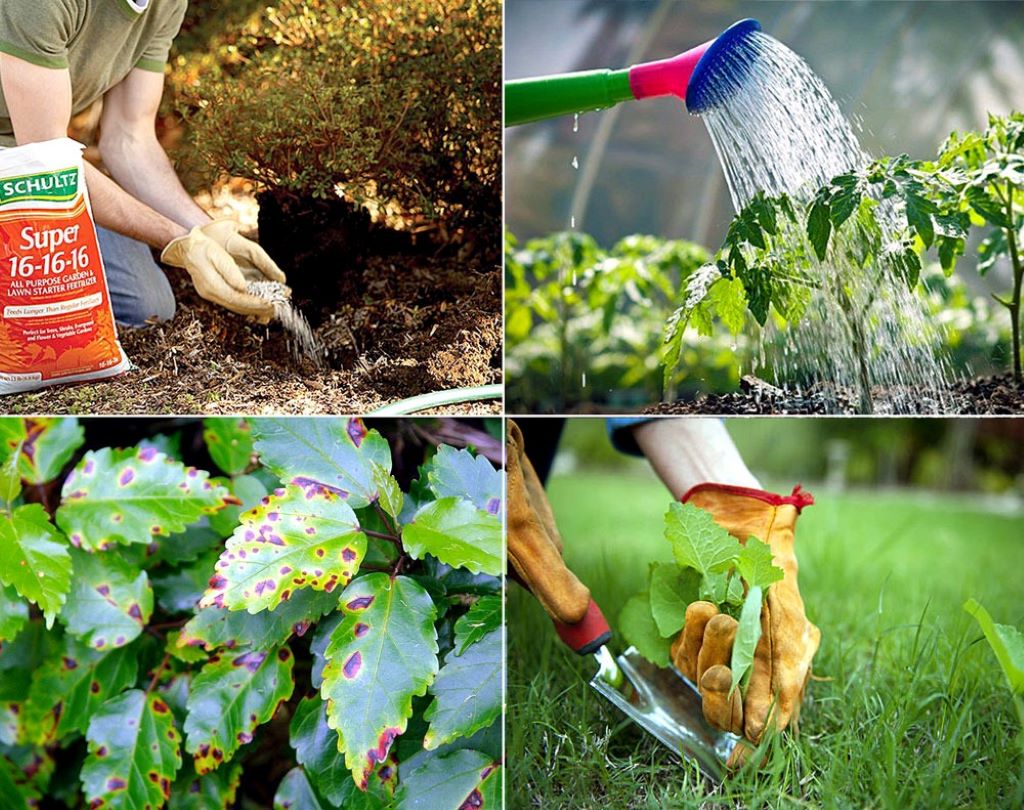
Healthy plants are less susceptible to diseases. Regular care, such as proper pruning, fertilizing, and mulching, boosts plant vigor. Mulch helps retain moisture and prevents soil-borne pathogens from splashing onto leaves. However, avoid piling mulch against stems, as this can trap moisture and invite fungi. Fertilize based on soil test results to avoid overfeeding, which can weaken plants.
When to Seek Professional Help
Some plant diseases are too stubborn for home remedies. If your efforts fail, consult a local nursery or Placer County’s cooperative extension service. They can diagnose complex issues and recommend targeted solutions. Additionally, professionals can test soil or plant samples to identify specific pathogens.
Conclusion
Battling plant diseases in Placer County requires vigilance, prevention, and timely action. By understanding common issues like powdery mildew, root rot, bacterial leaf spot, and mosaic viruses, you can protect your garden. Simple steps, such as choosing resistant varieties, practicing crop rotation, and using organic treatments, go a long way. Regular care and proper watering habits further reduce risks. With these strategies, your garden can thrive despite the challenges of common plant disease problems in Placer.
Frequently Asked Questions
What are the most common plant diseases in Placer County?
Fungal diseases like powdery mildew and root rot, bacterial issues like leaf spot, and viral mosaic diseases are prevalent due to Placer’s climate.
How can I prevent plant diseases in my garden?
Choose resistant varieties, rotate crops, sanitize tools, and water wisely to minimize disease risks.
Are organic treatments effective for plant diseases?
Yes, neem oil, sulfur, and copper-based sprays can control many fungal and bacterial diseases when applied early.
When should I remove infected plants?
Remove plants with viral infections or severe fungal/bacterial damage immediately to prevent spread.
Where can I get help for persistent plant disease problems?
Contact Placer County’s cooperative extension service or a local nursery for expert diagnosis and treatment advice.
Read More:
Unmasking the Tiny Terror: Recognizing and Combating Early Signs of Spider Mites