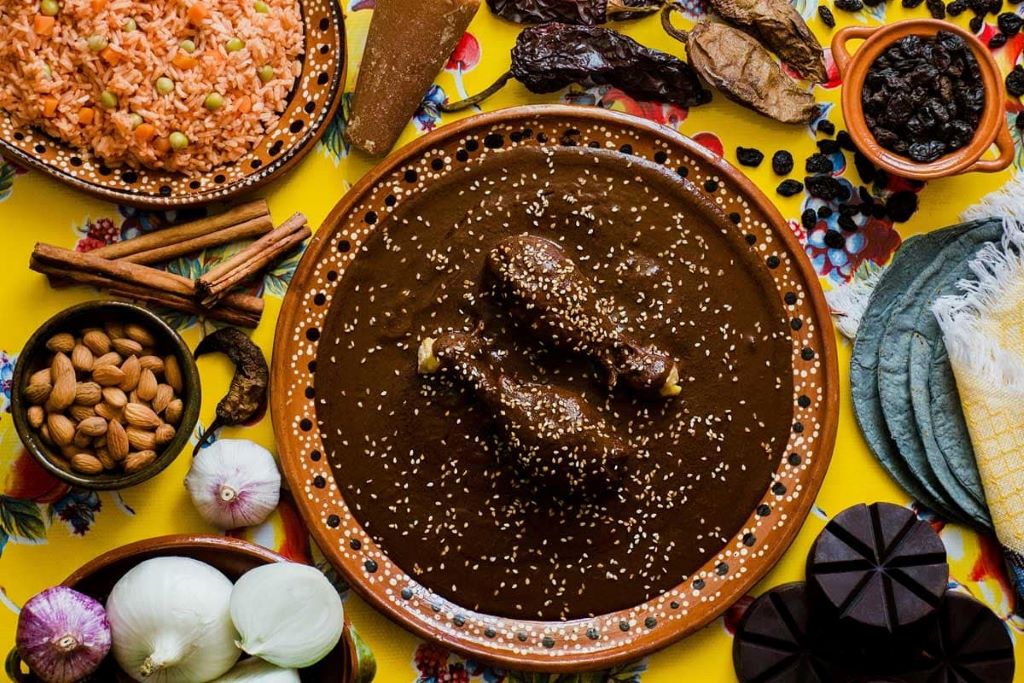
Mole negro, often called the “king of moles,” is one of the most profound and complex dishes in Mexican cuisine. It is a true celebration sauce, a culinary masterpiece that represents the heart and soul of Oaxaca. While its ingredient list is famously long, the process is a journey of patience, tradition, and deep flavor. This dish is not a quick weeknight meal; rather, it is a labor of love, often prepared for special occasions. Culinary enthusiasts, like the community at Houston Bamboo House, recognize the patience and cultural significance embedded in every layer of this dark, velvety sauce. At its core, this recipe balances the smokiness of charred chiles, the sweetness of fruit, the richness of nuts, and the essential, bittersweet brightness of Mexican chocolate.
This sauce is the most famous of the seven moles of Oaxaca. It is defined by its deep, almost black color, which comes from the careful toasting (and intentional charring) of its ingredients. While many recipes exist, finding a truly authentic oaxacan mole recipe is the first step to understanding its incredible heritage. Unlike other moles, mole negro uses a specific combination of chiles and the critical addition of a mystical herb called hoja santa, or “holy leaf.” The process is methodical, involving multiple stages of toasting, frying, and blending before a long, slow simmer.
The magic of mole negro lies in its balance. It should not be overwhelmingly spicy, nor should it be as sweet as a dessert. Instead, it should be a perfect symphony where you can taste the smoke, the spice, the fruit, and the earth, all held together by the unique flavor of Mexican chocolate. This is not the same as standard baking chocolate; Mexican chocolate is traditionally stone-ground and includes sugar, cinnamon, and sometimes almonds, giving it a distinct, slightly grainy texture and aromatic spice.
A Symphony of Ingredients
Creating an authentic mole negro requires assembling a wide array of ingredients. Do not be intimidated by the list; each component plays a specific role. They are best organized by their function in the sauce.
The Chile Foundation
The chiles provide the primary color, smokiness, and heat. The most traditional recipe calls for the rare chilhuacle negro, which is native to Oaxaca and difficult to find. However, a beautiful and authentic mole can be made with a combination of more accessible dried chiles.
- 6-8 chilcostle chiles (or substitute with guajillo chiles for mild heat and color)
- 6-8 ancho chiles (for fruity sweetness and dark color)
- 6-8 mulato chiles (for deep, dark color and complex, smoky flavor)
- 4-6 pasilla chiles (sometimes called pasilla negro, for a rich, dark fruit flavor)
- 4-6 chipotle chiles (dried, not canned, for essential smoke and heat)
Nuts and Seeds for Body and Richness
These ingredients are toasted and ground to thicken the mole and provide a luscious, fatty texture.
- 1/2 cup raw almonds, skin on
- 1/2 cup raw peanuts
- 1/2 cup raw pecans or walnuts
- 1/2 cup raw sesame seeds
- 1/4 cup raw pumpkin seeds (pepitas)
Fruits for Sweetness and Acidity
The dried fruits balance the bitterness of the charred chiles and chocolate.
- 1/2 cup dark raisins
- 1/2 cup dried prunes, pitted
- 1/4 cup dried apricots or plantain (optional, but adds complexity)
Spices and Aromatics
These are the soul of the mole, providing its signature fragrance.
- 1 large white onion, quartered
- 6-8 cloves of garlic, unpeeled
- 4 large Roma tomatoes
- 6-8 tomatillos, husks removed and rinsed
- 1-2 stalks of Mexican canela (cinnamon) or 1 large Ceylon cinnamon stick
- 1 teaspoon whole black peppercorns
- 1 teaspoon whole allspice berries
- 1/2 teaspoon whole cloves
- 1 teaspoon dried Mexican oregano
- 1/2 teaspoon anise seeds
- 1/2 teaspoon dried thyme
- 2-3 dried avocado leaves (optional, but traditional)
The Essential Finishers
These components are added near the end to bring the entire sauce together.
- 1 large bolillo (Mexican bread roll) or 2 slices of stale bread, torn
- 2 corn tortillas, stale
- 1 large, fresh hoja santa (holy leaf), or 2-3 dried leaves
- 4 ounces (about 1 tablet) of high-quality Mexican chocolate, roughly chopped
- 8-10 cups of warm chicken or turkey broth, preferably homemade
- 1/4 cup lard or neutral vegetable oil (lard is traditional)
- Salt to taste
- 1-2 tablespoons of piloncillo (or brown sugar) if needed for balance
The Process: A Step-by-Step Guide to Mole Negro
Patience is the main ingredient. This process is best done over two days: one for preparing the ingredients and a second for simmering and finishing the mole.
Step 1: Prepare the Chiles (The Most Critical Step)
First, put on gloves to protect your hands from the chile oils. Wipe all the dried chiles clean with a damp cloth. Next, using kitchen shears or a small knife, cut the stems off all the chiles. Slit them open lengthwise and remove all the seeds and veins. It is vital to remove all the seeds, as they can add bitterness. Reserve about 1 tablespoon of the chile seeds.
Heat a heavy skillet or comal over medium heat. Toast the chiles in a single layer, pressing them flat for about 30-45 seconds per side. You want them to become fragrant and slightly pliable, but not burnt. If they burn, the mole will be irreparably bitter.
After toasting, place all the chiles in a large bowl. Cover them completely with hot (not boiling) water. Let them soak for at least 45 minutes to an hour until they are very soft and rehydrated.
Step 2: Toast the Nuts, Seeds, and Spices
In the same dry skillet, toast the almonds, peanuts, and pecans over medium-low heat until fragrant and lightly browned. Remove them and place them in a large bowl (this will be your “dry ingredients” bowl).
Next, add the sesame seeds to the skillet. Toast them, stirring constantly, until they turn a light golden brown and begin to pop. This happens quickly, so watch them closely. Add them to the dry ingredients bowl. Do the same with the pepitas.
In the same skillet, toast the spices: cinnamon, peppercorns, allspice, cloves, and anise seeds. This should take only 30-60 seconds. You will smell their aroma immediately. Add these to the dry ingredients bowl. Finally, add the raisins and prunes to this bowl.
Step 3: Char the Aromatics (Tatemado)
Place the tomatoes, tomatillos, quartered onion, and unpeeled garlic cloves on the hot comal or directly on a baking sheet under your broiler. Roast them, turning occasionally, until they are blackened and charred in spots. The vegetables should be soft and smoky.
Once cooled, peel the skins from the garlic cloves. The charred skins from the tomatoes and tomatillos can remain, as they add color and flavor. Place all of these charred aromatics in a separate bowl.
Step 4: Fry the Thickeners
In a separate saucepan, heat the lard or oil over medium heat. Carefully fry the stale bread or bolillo pieces until they are golden brown and crispy. Remove with a slotted spoon and add them to the “dry ingredients” bowl.
In the same oil, fry the stale tortillas until crisp. Add them to the dry ingredients bowl.
Now, take the 1 tablespoon of reserved chile seeds and fry them in the hot oil until they turn black and smoky. Be careful, as they will pop. This step is essential for the negro (black) color. Add these burnt seeds to the dry ingredients bowl. Finally, crumble the oregano and thyme into the dry ingredients bowl.
Step 5: The Blending
This process is best done in batches using a powerful blender.
- Chile Paste: Drain the softened chiles, reserving the soaking water. Place the chiles in the blender with just enough fresh water or chicken broth to get them moving. Blend until you have a completely smooth, thick paste. For an extra-refined sauce, press this paste through a fine-mesh sieve into a large bowl.
- Dry Ingredient Paste: Add all the items from the “dry ingredients” bowl (nuts, seeds, fruits, spices, fried bread, tortillas, burnt seeds) to the blender. Add 1-2 cups of chicken broth. Blend until it forms a very smooth, thick paste. This may take several minutes.
- Aromatic Paste: Blend the charred tomatoes, tomatillos, onion, and garlic until completely smooth.
Step 6: The “Sazonar” (Frying the Paste)
This is where the magic happens and the flavors marry. In a very large, heavy-bottomed pot or Dutch oven (a traditional cazuela is best), heat about 2 tablespoons of lard or oil over medium heat.
Carefully pour the strained chile paste into the hot oil. It will splatter. Stir constantly with a wooden spoon. You must “fry” this paste, cooking it for 10-15 minutes. The paste will darken, thicken, and release its fat, smelling rich and complex.
Next, add the dry ingredient paste and the aromatic paste to the pot. Continue stirring constantly. The mixture will be extremely thick. Cook this combined paste, stirring, for another 15-20 minutes. It is crucial to keep stirring so the bottom does not scorch. The paste will become even darker and very fragrant.
Step 7: The Long Simmer
Begin adding the warm chicken broth, one cup at a time. Stir thoroughly to incorporate each cup of broth before adding the next. The mole will slowly loosen from a thick paste into a heavy sauce. Once all 8-10 cups of broth are added, the sauce should have the consistency of heavy cream.
Now, add the chopped Mexican chocolate. Stir until it is completely melted and integrated. Add the hoja santa (you can tear it into large pieces) and the dried avocado leaves, if using.
Bring the mole to a low simmer. Reduce the heat to low, partially cover, and let it cook for at least 2 hours, though 3-4 hours is even better. You must return to the pot every 15 minutes to stir it from the bottom, as the mole will stick and burn easily.
As it cooks, the mole will darken to its signature black color, and a beautiful, oily sheen may appear on top. This is a good sign.
Step 8: Final Adjustments
After the long simmer, remove the hoja santa and cinnamon stick pieces. Taste the mole. It should be perfectly balanced. Add salt to your preference. If it tastes too bitter or sharp, you can add a tablespoon or two of piloncillo or brown sugar to round out the flavors. If it is too thick, thin it with a little more broth.
Serving Your Mole Negro
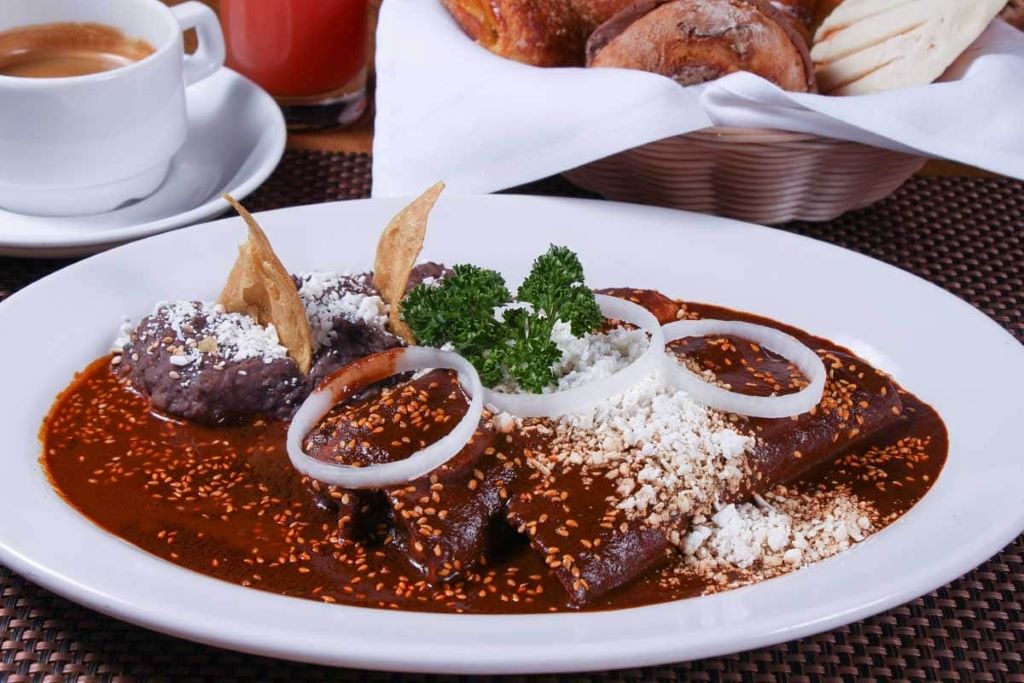
Mole negro is traditionally served over poached turkey or chicken pieces. It is also wonderful with pork shoulder or served as an enchilada sauce. Serve it with warm corn tortillas and a side of fresh white rice. Remember, mole is always better the next day, after the flavors have had time to rest and meld completely.
Conclusion
Making a mole negro recipe with Mexican chocolate is more than just cooking; it is an act of preservation and a true culinary achievement. It connects you to the deep traditions of Oaxaca. While the list of ingredients is long and the process takes time, the result is an incredibly deep, smoky, and complex sauce that is unmatched in the culinary world. Every stir of the spoon builds layers of flavor, culminating in a dish that is truly a celebration on a plate.
Frequently Asked Questions
What is the best chile for mole negro?
The most authentic chile is the chilhuacle negro, which is native to Oaxaca. However, it is expensive and hard to find. A combination of ancho, mulato, pasilla, and guajillo chiles creates a fantastic and authentic-tasting substitute.
Why did my mole turn out bitter?
Bitterness is almost always caused by burning the chiles or spices during the toasting step. Toast them lightly until just fragrant, and never let them smoke or turn black (except for the reserved chile seeds, which are intentionally burnt for color).
Can I make mole negro in advance?
Yes, and you should! Mole negro tastes significantly better on the second or even third day, as the complex flavors have time to meld and mature. It can be refrigerated for up to a week or frozen for several months.
What do I serve with mole negro?
It is traditionally served over poached chicken or turkey. It is also excellent with roasted pork, as a sauce for enchiladas (enmoladas), or even as a base for tamales. Always serve it with white rice and fresh corn tortillas.
What is the difference between mole negro and mole poblano?
Both are complex, dark moles. However, mole negro is from Oaxaca, is typically darker (black), and gets its unique flavor from charred chiles and hoja santa. Mole poblano, from Puebla, is usually a reddish-brown color, often a bit sweeter, and does not traditionally use hoja santa.
Related Topics:
Margarine Magic: 5 Tips for Flawless Cooking in Stainless Steel Pans
The Not-So-Shiny Side of Formica: Disadvantages of Formica Countertops