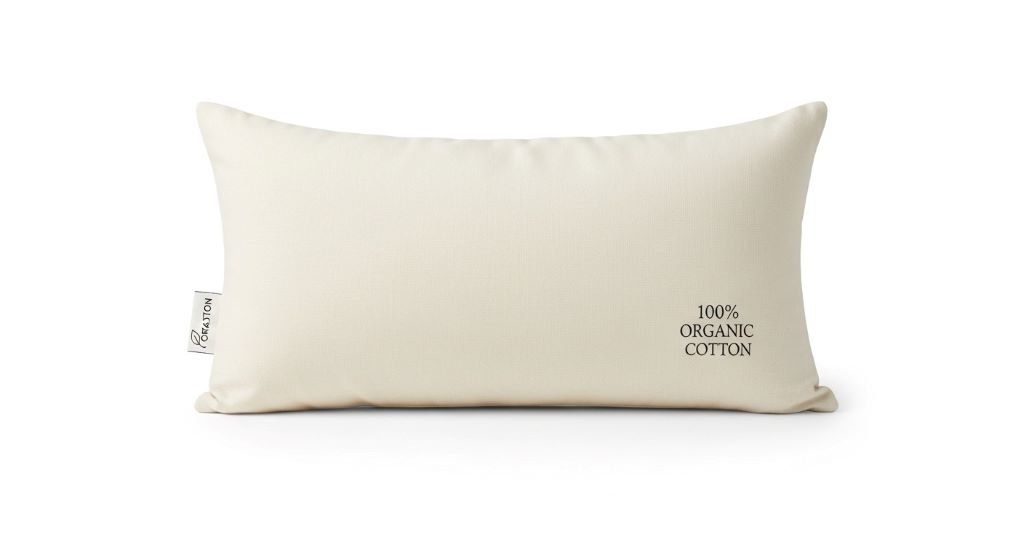
Choosing the right pillow for your toddler can feel overwhelming, especially when your little one has sensitive skin. Many parents worry about chemicals, allergens, and materials that might irritate delicate skin or cause discomfort during sleep. Fortunately, organic options provide a safer alternative that prioritizes both comfort and health.
When shopping for bedding, you want products that support your child’s development while protecting them from harmful substances. A natural toddler pillow offers peace of mind because it’s made from materials grown without pesticides or synthetic fertilizers. Additionally, these pillows avoid the harsh chemicals often found in conventional bedding products.
This guide will walk you through everything you need to know about selecting the perfect pillow for your toddler’s sensitive skin. You’ll learn about materials, certifications, sizing, and maintenance tips that make the decision easier.
Understanding Why Organic Matters for Sensitive Skin
Toddlers spend roughly 10 to 14 hours sleeping each day. During this time, their faces press directly against their pillows. Therefore, any chemicals or irritants in the pillow material can easily affect their skin, especially if they’re prone to eczema, rashes, or allergies.
Conventional pillows often contain flame retardants, formaldehyde, and synthetic dyes. These substances can trigger reactions ranging from mild redness to severe allergic responses. Moreover, the production process for standard pillows frequently involves bleaching and chemical treatments that leave residues in the fabric.
Organic materials skip these harsh treatments entirely. They’re grown and processed using natural methods that keep the fabric gentle and breathable. Consequently, they reduce the risk of skin irritation significantly.
Another important consideration is off-gassing. Many synthetic pillows release volatile organic compounds into the air. These fumes can irritate respiratory systems and skin alike. However, organic options don’t have this problem because they contain no synthetic materials to break down.
Key Materials to Look for in Organic Toddler Pillows
Several materials work wonderfully for children with sensitive skin. Each has unique properties that make it suitable for different needs.
Organic cotton stands out as one of the most popular choices. It’s soft, breathable, and hypoallergenic. The natural fibers allow air to circulate, preventing overheating during sleep. Furthermore, organic cotton grows without pesticides, making it safer for both your child and the environment.
Organic wool offers excellent temperature regulation. It wicks away moisture naturally, keeping your toddler dry throughout the night. Wool is also naturally resistant to dust mites and mold. These properties make it ideal for children with allergies or asthma.
Organic latex provides firm yet comfortable support. It comes from rubber tree sap and contains no synthetic additives. Additionally, latex resists dust mites and bacteria naturally. This material works well for toddlers who need more structured support for their developing necks.
Kapok fiber serves as another gentle option. This natural filling comes from seed pods and feels silky soft. It’s naturally hypoallergenic and resistant to mold. However, kapok can flatten over time, so it may need replacing more frequently than other materials.
Buckwheat hulls create a unique pillow filling that molds to your child’s head shape. They provide excellent support and stay cool throughout the night. The hulls allow maximum air circulation, preventing moisture buildup.
Important Certifications to Verify
Certifications help you identify truly organic products in a crowded marketplace. Not all products labeled “natural” meet strict organic standards. Therefore, looking for recognized certifications ensures you’re getting what you pay for.
The Global Organic Textile Standard represents the gold standard for organic textiles. This certification covers the entire production chain, from harvesting raw materials to labeling the final product. It prohibits toxic chemicals and ensures fair labor practices.
OEKO-TEX Standard 100 tests products for harmful substances. While not specifically an organic certification, it verifies that no dangerous chemicals remain in the finished product. This certification provides an extra layer of safety assurance.
USDA Organic certification applies to natural fibers like cotton and wool. It guarantees that materials were grown without synthetic pesticides or fertilizers. This certification follows strict agricultural standards that protect both health and environment.
GREENGUARD Gold certification focuses on low chemical emissions. Products with this label have been tested to ensure they won’t release harmful vapors into your child’s sleeping space. This matters especially for children with respiratory sensitivities.
When reviewing certifications, check that they apply to the entire pillow, not just one component. Some manufacturers certify only the cover while using conventional materials for filling. Reading labels carefully helps you avoid this pitfall.
Sizing Considerations for Toddler Pillows
Size matters significantly when choosing a pillow for young children. Unlike adults, toddlers need smaller, thinner pillows that match their body proportions.
Most toddler pillows measure approximately 13 by 18 inches. This size fits standard toddler pillowcases and provides adequate support without overwhelming small beds. A pillow that’s too large can encourage poor sleeping postures.
Thickness should range between 2 to 3 inches for most toddlers. Their smaller frames need less elevation than adult necks require. Therefore, a pillow that’s too thick can strain neck muscles and create discomfort.
Consider your child’s sleeping position when selecting thickness. Side sleepers generally need slightly thicker pillows to fill the space between their ear and shoulder. Back sleepers do better with thinner options that keep their neck aligned with their spine.
Weight also plays a role in comfort. Lighter pillows allow toddlers to adjust their position easily during sleep. Heavier options might feel restrictive and frustrate active sleepers who move frequently throughout the night.
Remember that toddlers grow quickly. You’ll likely need to reassess pillow size as your child develops. Checking every six months ensures the pillow continues meeting their changing needs.
Firmness Levels and Support
Finding the right firmness balance ensures your toddler gets proper spinal support during sleep. A chemical-free pillow for kids should maintain its shape while still feeling comfortable.
Soft pillows work well for toddlers who sleep primarily on their stomachs. They provide gentle cushioning without forcing the head into an unnatural angle. However, very soft pillows may flatten too quickly and need frequent replacement.
Medium firmness suits most toddlers regardless of sleeping position. These pillows offer support while remaining comfortable enough for easy movement. They typically maintain their shape longer than soft options.
Firm pillows benefit side sleepers who need extra support to keep their spine aligned. They shouldn’t feel hard or uncomfortable, but rather supportive and resilient. Testing firmness by pressing down can help you gauge whether it’s appropriate.
Natural materials behave differently than synthetic fills. Organic cotton tends to be softer and more pliable. Wool offers medium firmness with excellent bounce-back. Latex provides the firmest support among natural options.
Quality pillows should spring back to their original shape after being compressed. This resilience indicates good construction and durable materials. Press the center of the pillow firmly, then release to check its recovery.

Breathability and Temperature Regulation
Toddlers can’t regulate their body temperature as efficiently as adults. Therefore, choosing breathable materials helps prevent overheating and sweating during sleep.
Natural fibers excel at air circulation. Cotton weaves allow air to pass through easily, preventing heat from getting trapped around your child’s head. This keeps them comfortable in both warm and cool seasons.
Wool has remarkable temperature-regulating properties. It wicks moisture away from skin while providing insulation when needed. Your toddler will stay dry even if they sweat during active sleep.
Organic latex contains natural holes throughout its structure. These air channels promote continuous airflow that keeps the pillow fresh and cool. Additionally, latex resists moisture absorption, preventing mold growth.
Synthetic materials often trap heat and moisture. They create uncomfortable sleeping conditions that can wake your toddler during the night. Moreover, trapped moisture encourages bacterial growth and odor development.
Pillow covers also affect breathability. Look for tightly woven organic cotton covers that protect the filling while allowing air movement. Avoid waterproof covers unless absolutely necessary, as they typically reduce breathability significantly.
Hypoallergenic Properties and Dust Mite Resistance
Allergies and sensitivities often develop during early childhood. Selecting materials that naturally resist allergens creates a healthier sleep environment.
Dust mites thrive in warm, humid environments and feed on dead skin cells. They’re a common trigger for allergic reactions and asthma symptoms. Natural materials like wool and latex naturally deter these microscopic pests.
Organic cotton doesn’t inherently repel dust mites, but it can be washed regularly at high temperatures to eliminate them. Frequent washing keeps allergen levels low without requiring chemical treatments.
Buckwheat hulls create an inhospitable environment for dust mites. The hard shells don’t absorb moisture, and the air gaps between hulls prevent mite colonies from establishing. This makes buckwheat an excellent choice for severely allergic children.
Mold resistance matters just as much as dust mite prevention. Moisture-wicking materials prevent the dampness that allows mold spores to grow. Wool and latex excel in this area thanks to their natural properties.
Some manufacturers treat conventional pillows with antimicrobial chemicals to reduce allergens. However, these treatments can irritate sensitive skin themselves. Natural resistance provides protection without adding potentially harmful substances.
Care and Maintenance Guidelines
Proper care extends your organic pillow’s lifespan while maintaining its hypoallergenic properties. Different materials require different approaches to cleaning and maintenance.
Most organic cotton pillows can be machine washed on gentle cycles. Use mild, fragrance-free detergents to avoid introducing irritants. Hot water helps eliminate dust mites effectively. However, always check care labels first, as some cotton fills may require spot cleaning only.
Wool pillows typically need professional cleaning or careful hand washing. Machine washing can felt the wool fibers, changing the pillow’s texture and support. Air the pillow regularly between cleanings to keep it fresh.
Latex pillows should never go in washing machines. Spot clean the cover as needed and air out the latex core periodically. Most latex pillows have removable covers that can be washed separately.
Buckwheat hull pillows require unique care. You can remove the hulls and wash the cover, then refill it once dry. Sun-drying the hulls occasionally refreshes them and prevents moisture buildup.
Pillow protectors add an extra layer of defense against stains and allergens. Choose organic cotton protectors that maintain breathability. Wash these weekly along with pillowcases for optimal hygiene.
Replace toddler pillows every one to two years. Even with excellent care, pillows lose their support and accumulate allergens over time. Regular replacement ensures your child always has a clean, supportive sleep surface.
Price Ranges and Value Considerations
Organic pillows typically cost more than conventional options. Understanding why helps you evaluate whether the investment makes sense for your family.
Quality organic materials command higher prices at every stage of production. Farmers receive fair compensation for growing crops without chemicals. Processing facilities maintain strict standards that increase manufacturing costs. However, these practices create safer, more sustainable products.
Expect to pay between $30 and $80 for a quality natural toddler pillow. Prices vary based on materials, certifications, and brand reputation. Organic cotton usually falls at the lower end of this range, while organic latex tends toward the higher end.
Consider cost per year of use rather than just upfront price. A $60 pillow that lasts two years costs $30 annually. A $20 conventional pillow that needs replacing every six months actually costs $40 per year.
Health benefits add value beyond simple durability. Reducing skin irritation, improving sleep quality, and minimizing chemical exposure all contribute to your child’s wellbeing. These benefits are difficult to quantify but tremendously important.
Some families prioritize organic bedding for children with diagnosed sensitivities while using conventional products elsewhere. Others prefer consistency across all bedding. Your specific situation and budget will guide these decisions.
Where to Purchase Trusted Organic Pillows
Finding reputable sellers ensures you receive genuine organic products. Several shopping channels offer different advantages.
Specialty organic retailers focus exclusively on natural products. Their staff typically understands certifications and can answer detailed questions. Additionally, they often carry a curated selection that meets strict quality standards.
Major online marketplaces provide convenience and competitive pricing. However, you’ll need to research brands carefully and verify certifications yourself. Reading customer reviews helps identify quality issues before purchasing.
Direct-to-consumer brands often offer excellent value. They eliminate middlemen, passing savings to customers while maintaining quality. Many provide detailed information about their sourcing and manufacturing processes.
Local baby boutiques sometimes carry organic bedding lines. Shopping locally allows you to touch and examine products before buying. Store staff can often special order items if they don’t stock exactly what you need.
Second-hand organic pillows should be avoided. You can’t verify their history or confirm they’ve been properly maintained. Moreover, pillows accumulate allergens and lose support over time.
Always purchase from sellers who clearly display product certifications. If information seems vague or missing, contact the company directly for clarification. Reputable businesses will happily provide documentation.
Red Flags to Watch Out For
Marketing language can be misleading. Learning to identify false claims protects you from wasting money on products that don’t deliver promised benefits.
The term “natural” lacks regulatory definition in many regions. Products can be labeled natural while containing synthetic materials or chemical treatments. Always look for specific organic certifications rather than vague natural claims.
“Eco-friendly” and “green” similarly lack standardized meaning. These terms sound appealing but don’t guarantee the product meets organic standards. They might simply indicate recyclable packaging rather than organic materials.
Extremely low prices often signal quality compromises. Genuine organic production costs more than conventional methods. If a price seems too good to be true, investigate the product’s actual composition and certifications.
Vague ingredient lists raise concerns. Quality manufacturers clearly state what materials they use and where those materials come from. Refusing to disclose specific information suggests something to hide.
Lack of certifications from recognized organizations should make you cautious. While some small producers create excellent products without pursuing expensive certifications, established brands should easily provide verification.
Unrealistic health claims represent another warning sign. No pillow can cure allergies or prevent all skin reactions. Be skeptical of products promising miraculous results.
Making the Final Decision
After researching options, you’ll need to narrow down choices and select the best pillow for your toddler. Several factors should influence your final decision.
Prioritize your child’s specific needs first. If they have severe eczema, hypoallergenic properties become paramount. If they tend to overheat, breathability takes priority. Matching the pillow to your individual situation ensures satisfaction.
Read detailed customer reviews from parents with similar concerns. Look for patterns in feedback rather than focusing on isolated comments. Reviews mentioning skin improvements or reduced allergies provide valuable real-world evidence.
Compare return policies before purchasing. Quality companies stand behind their products and offer reasonable trial periods. This protection allows you to test whether the pillow works for your child’s sensitive skin.
Start with one pillow rather than buying multiple items immediately. This approach lets you evaluate whether organic bedding makes a noticeable difference for your toddler. You can expand to other organic products if you see positive results.
Remember that transitions take time. Your child might need a few nights to adjust to a new pillow’s feel. Give the product a fair trial period before deciding whether it’s working.
Trust your observations and your child’s feedback. If they sleep better, wake less frequently, or show reduced skin irritation, you’ve likely made a good choice. These practical results matter more than perfect specifications.
Conclusion
Selecting an organic toddler pillow for sensitive skin requires careful consideration of materials, certifications, and your child’s individual needs. Natural fibers like organic cotton, wool, and latex provide gentle alternatives to chemical-laden conventional pillows. They offer breathability, hypoallergenic properties, and safety that support healthy development.
Verified certifications ensure you’re getting truly organic products rather than simply clever marketing. Proper sizing and firmness levels maintain spinal alignment while keeping your toddler comfortable throughout the night. Regular maintenance and timely replacement preserve these benefits over time.
While organic options require a larger initial investment, they deliver value through durability, health benefits, and peace of mind. Your toddler’s wellbeing during crucial developmental years makes this investment worthwhile. By following the guidelines in this article, you can confidently choose a pillow that protects sensitive skin while promoting restful sleep.
Frequently Asked Questions
When should my child start using a pillow?
Most experts recommend introducing a pillow between ages 18 months and 3 years. Before this age, toddlers’ bodies don’t require the neck support that pillows provide. Watch for signs that your child is ready, such as trying to rest their head on stuffed animals or bunched blankets. Always choose a thin, flat pillow designed specifically for toddlers rather than using adult-sized options.
How often should I wash my toddler’s organic pillow?
Wash pillowcases weekly and protective covers every two weeks. The pillow itself should be cleaned according to manufacturer instructions, typically every one to three months. Spot clean spills immediately to prevent stains from setting. Regular washing removes allergens, dust mites, and bacteria that accumulate naturally during use. Using pillow protectors reduces how often you need to wash the actual pillow.
Can organic pillows help with my child’s eczema?
Organic pillows can reduce eczema flare-ups by eliminating chemical irritants and allergens. However, they’re not a cure for the condition. The absence of harsh dyes, flame retardants, and pesticide residues creates a gentler sleep environment. Combined with other eczema management strategies, organic bedding often provides noticeable improvements. Consult your pediatrician or dermatologist for comprehensive treatment plans.
Are organic latex pillows safe for toddlers?
Yes, organic latex pillows are safe for most toddlers when properly manufactured. They should be made from 100% natural latex without synthetic additives or blended materials. Ensure the pillow has appropriate certifications verifying purity. However, avoid latex if your child has a latex allergy, which is rare but serious. Natural latex offers excellent support and naturally resists dust mites and bacteria.
What’s the difference between organic and hypoallergenic pillows?
Organic pillows are made from materials grown without synthetic pesticides or chemicals. Hypoallergenic pillows are designed to minimize allergic reactions but may still contain synthetic materials and chemical treatments. An organic pillow can be hypoallergenic, but not all hypoallergenic pillows are organic. For sensitive skin, choosing products that are both organic and naturally hypoallergenic provides the best protection against irritation and reactions.
Related Topics:
The Best Kids Bedding for a Cozy and Stylish Room
10 Adorable Nursery Themes for Your Little One’s Room