Wind damage poses a significant threat to homes across the country. Every year, thousands of homeowners face costly repairs due to wind-related roofing damage. However, choosing the right roofing materials and installation methods can make all the difference. Janowitz Roofing specializes in wind-resistant roofing solutions that protect your home from nature’s strongest forces.
Understanding Wind Damage to Roofs
Wind can cause severe damage to roofing systems in multiple ways. Strong gusts lift shingles, tear off flashing, and create gaps where water can enter. Additionally, flying debris during storms can puncture or crack roofing materials. Understanding these risks helps homeowners make informed decisions about their roofing needs.
The most vulnerable areas of a roof include edges, corners, and ridges. These sections experience higher wind pressures than other parts of the structure. Therefore, proper installation and quality materials in these zones are essential for comprehensive protection.
Why Wind Resistance Matters
Investing in wind-resistant roofing saves money over time. Standard roofing materials may withstand everyday weather, but they often fail during severe storms. Consequently, homeowners face emergency repairs and potential interior damage from water infiltration.
Wind-resistant roofing systems provide peace of mind. They reduce insurance claims and maintain property values. Furthermore, many insurance companies offer discounts for homes with certified wind-resistant roofing materials. This financial benefit adds to the long-term value of quality roofing investments.
Janowitz Roofing’s Wind-Resistant Materials
Janowitz Roofing offers various materials designed specifically for wind resistance. Each option provides different benefits based on local climate conditions and architectural styles.
Impact-resistant shingles represent one popular choice. These shingles feature reinforced construction that resists both wind uplift and hail damage. They typically carry Class 4 impact ratings, the highest available classification.
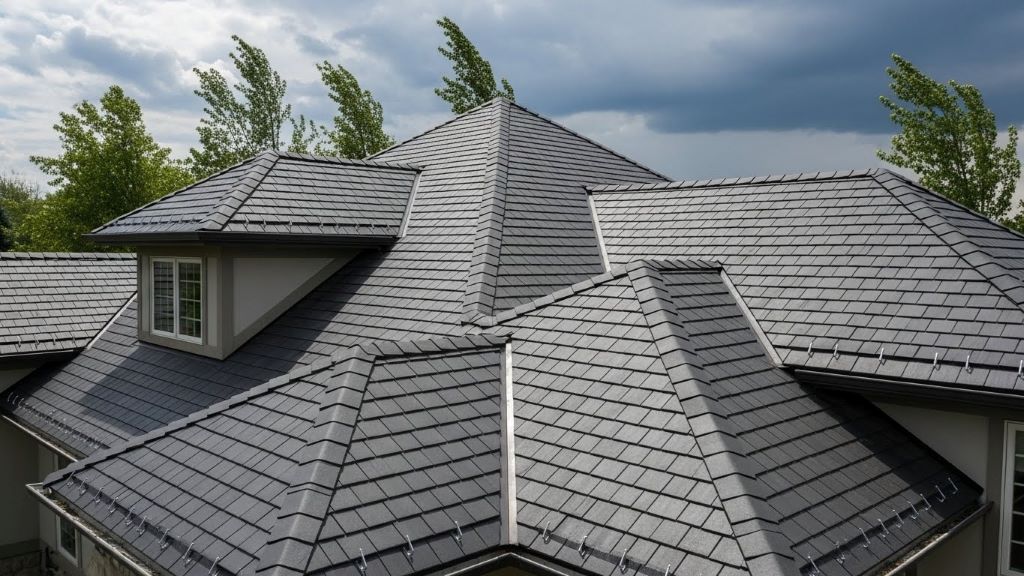
Metal roofing systems deliver exceptional wind resistance. Many metal roofs withstand winds exceeding 140 miles per hour when properly installed. Additionally, metal roofing offers longevity, often lasting 50 years or more with minimal maintenance.
Modified bitumen and TPO membranes work well for flat or low-slope roofs. These materials create seamless, wind-resistant barriers when professionally installed. They also provide excellent waterproofing properties that complement their wind resistance.
Installation Techniques That Enhance Wind Resistance
Proper installation matters as much as material quality. Janowitz Roofing employs specialized techniques that maximize wind resistance across all roofing systems.
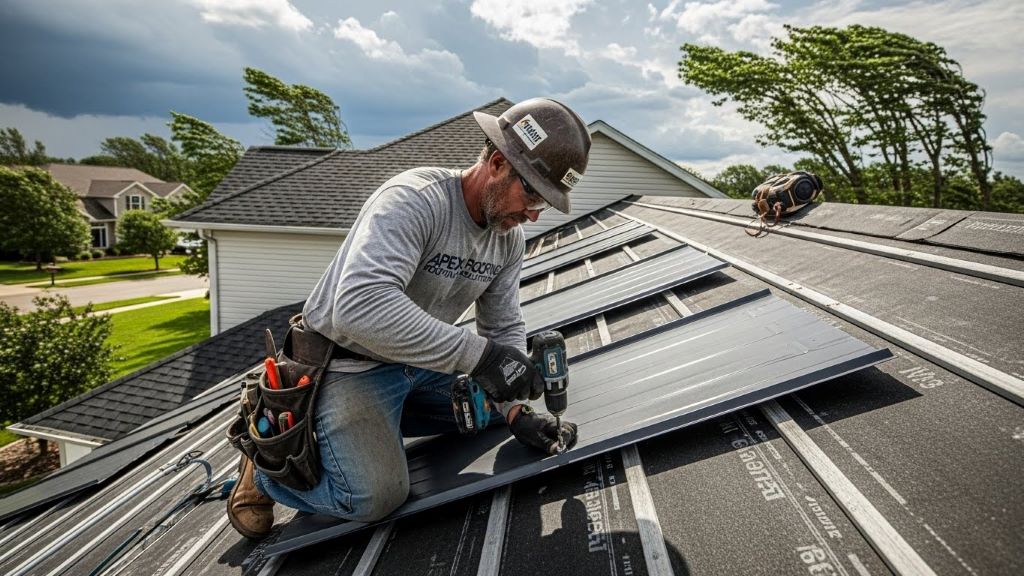
Enhanced fastening methods ensure shingles stay in place during storms. Standard installation uses four nails per shingle, but wind-resistant applications often require six or more. This increased fastening creates stronger bonds between materials and decking.
Sealed shingles provide additional protection. Special adhesives create waterproof seals between each shingle layer. These seals prevent wind from getting underneath and lifting the roofing material.
Proper underlayment installation creates a secondary defense layer. High-quality synthetic underlayments resist tearing and provide backup protection if outer materials fail. They also improve overall system performance during extreme weather events.
Wind Rating Standards and Certifications
Understanding wind ratings helps homeowners choose appropriate roofing solutions. Several organizations test and certify roofing materials for wind resistance.
The American Society for Testing and Materials (ASTM) sets industry standards. Their tests measure how well materials resist wind uplift. Products receive ratings from Class A to Class H, with higher letters indicating better performance.
UL 2218 standards measure impact resistance. These ratings range from Class 1 to Class 4. Class 4 represents the highest level of protection against wind-borne debris.
Miami-Dade County approvals indicate the highest wind resistance standards. Products meeting these requirements can withstand hurricane-force winds. Many coastal areas require these certifications for new construction and major renovations.
Regional Considerations for Wind Resistance
Different regions face different wind-related challenges. Coastal areas deal with hurricane threats, while inland regions experience severe thunderstorms and tornadoes. Therefore, Janowitz Roofing customizes solutions based on local weather patterns.
Hurricane-prone regions require the highest level of protection. According to the National Oceanic and Atmospheric Administration (NOAA), hurricane activity has increased in recent decades, making robust roofing systems more important than ever. Homes in these areas benefit from impact-resistant materials and enhanced installation methods.
Tornado alley residents need roofing that can handle sudden, extreme wind events. While no roof can guarantee complete protection from direct tornado hits, properly installed wind-resistant systems significantly reduce damage from nearby storms.
Areas with frequent severe thunderstorms require balanced approaches. These regions need materials that resist both wind and hail damage. Combination protection systems offer the best value for these climates.
The Janowitz Roofing Installation Process
Janowitz Roofing follows a comprehensive process for wind-resistant installations. This systematic approach ensures consistent quality and maximum protection.
Initial assessments identify specific vulnerabilities in existing structures. Technicians examine roof geometry, surrounding landscape, and local weather patterns. This information guides material selection and installation planning.
Proper deck preparation creates a solid foundation. Workers repair or replace damaged decking before installing new materials. They also ensure proper ventilation, which reduces wind uplift forces during storms.
Quality control inspections occur at multiple stages. Supervisors verify proper fastening, seal integrity, and detail work. This attention to detail separates professional installations from substandard work.
Maintenance Tips for Wind-Resistant Roofs
Even the best roofing systems require regular maintenance. Simple preventive measures extend roof life and maintain wind resistance capabilities.
Annual inspections catch small problems before they become major issues. Homeowners should schedule professional inspections, especially after severe weather events. Additionally, visual checks from ground level help identify obvious damage between professional visits.
Keeping gutters clean prevents water backup and reduces wind-related stress. Clogged gutters add weight and create conditions where wind can gain leverage under roofing materials. Therefore, cleaning gutters twice yearly protects both drainage and wind resistance.
Trimming nearby trees eliminates potential projectiles. Overhanging branches can damage roofs during high winds. Furthermore, falling limbs create punctures and tears that compromise entire roofing systems.
Cost Considerations and Return on Investment
Wind-resistant roofing represents a significant investment. However, the long-term benefits typically outweigh initial costs.
Premium materials cost more upfront than standard options. This price difference reflects superior engineering and testing. Nevertheless, these materials often last longer and require fewer repairs, balancing initial expenses.
Installation costs also increase with enhanced wind resistance features. Additional fasteners, specialized adhesives, and extra labor time add to project totals. Yet these expenses provide crucial protection that saves money during storms.
Insurance savings offset some upfront costs. Many insurance companies recognize the value of wind-resistant roofing and adjust premiums accordingly. Some policies offer discounts of 10 to 20 percent for certified wind-resistant systems.
Property values increase with quality roofing installations. According to Remodeling Magazine’s Cost vs. Value Report, roofing projects consistently rank among home improvements with the best return on investment. Wind-resistant systems add even more value in storm-prone areas.
Why Choose Janowitz Roofing
Janowitz Roofing brings extensive experience to every wind-resistant project. Their team understands local building codes and regional weather challenges. This expertise ensures compliant installations that perform as intended.
Quality materials from trusted manufacturers form the foundation of every project. Janowitz Roofing partners with industry leaders who stand behind their products. These partnerships provide homeowners with strong warranties and reliable performance.
Customer service extends beyond installation completion. The company offers maintenance programs and emergency repair services. This ongoing support protects investments and provides peace of mind year-round.
Conclusion
Wind-resistant roofing solutions from Janowitz Roofing provide essential protection for homeowners. Quality materials, proper installation techniques, and regular maintenance create roofing systems that withstand nature’s strongest forces. While initial investments may seem substantial, the long-term benefits include reduced repair costs, insurance savings, and increased property values. Choosing wind-resistant roofing demonstrates smart planning and protects one of life’s most significant investments. Janowitz Roofing’s expertise ensures homeowners receive systems designed specifically for their regional challenges and individual needs.
Frequently Asked Questions
How long do wind-resistant roofing materials last?
Wind-resistant roofing materials typically last 20 to 50 years depending on the specific product. Metal roofing systems often exceed 50 years, while impact-resistant shingles generally last 25 to 30 years. Proper installation and regular maintenance maximize lifespan regardless of material choice.
Will wind-resistant roofing reduce my insurance premiums?
Many insurance companies offer discounts for certified wind-resistant roofing systems. Discounts typically range from 10 to 20 percent depending on your location and insurance provider. Contact your insurance agent to determine specific savings available in your area.
What wind speeds can wind-resistant roofing withstand?
Quality wind-resistant roofing systems typically withstand winds between 110 and 140 miles per hour when properly installed. Systems meeting Miami-Dade County standards can resist even higher wind speeds. Actual performance depends on material selection, installation quality, and roof design.
Can I install wind-resistant roofing over my existing roof?
Installing wind-resistant roofing over existing materials is sometimes possible but not always recommended. Complete tear-offs allow proper inspection of roof decking and ensure optimal performance. However, local building codes and roof condition determine whether overlay installation is appropriate for your situation.
How do I know if my current roof has wind-resistant features?
Check your roofing documentation for manufacturer specifications and installation records. Look for ASTM ratings, UL certifications, or Miami-Dade County approvals. Alternatively, schedule an inspection with Janowitz Roofing to assess your current system’s wind resistance capabilities and identify potential upgrades.
Related Topics:
Slate Roof Restoration: A Comprehensive Guide to Preserving Your Investment