A washing machine is more than a home appliance—it’s a silent workhorse. At the heart of it lies the washing machine drum, a crucial component that determines how your clothes are cleaned, how long your machine lasts, and how energy-efficient it runs. Yet, many consumers overlook the drum’s impact when shopping for a washer or performing maintenance.
Understanding the Washing Machine Drum.
The drum is the compartment where clothes are loaded, soaked, washed, and spun. It rotates to agitate clothes in water and detergent, creating the mechanical action necessary for effective cleaning.
Drums come in various shapes, materials, and sizes, directly affecting cleaning efficiency and garment care. A poor drum choice can damage fabrics or consume unnecessary water and energy. Therefore, understanding drum types and functions is critical to making informed decisions.
Types of Washing Machine Drums
-
Stainless Steel Drums
The most durable and efficient type, stainless steel drums are commonly found in high-end washing machines. They resist rust, tolerate high spin speeds, and don’t chip like their plastic counterparts. According to Consumer Reports, machines with stainless steel drums tend to last longer, sometimes over a decade.
They also enhance wash performance by withstanding higher spin speeds, which extracts more water and reduces drying time. Though pricier, they’re worth the investment due to their durability.
-
Plastic Drums
Plastic drums are typically used in mid-range or budget washing machines. While they don’t match the strength of stainless steel, modern plastics have improved significantly. They are rust-free and lighter, but tend to wear down faster, especially with regular high-speed spins.
Over time, plastic drums may warp or crack, which can cause imbalanced loads or vibrations. They’re suitable for casual users but might not hold up well under heavy loads.
-
Porcelain-Coated Drums
A blend of metal and enamel, porcelain-coated drums were once popular in older machines. Today, they’re fading due to one key flaw: the enamel can chip. When that happens, the exposed metal rusts, damaging clothes and affecting performance. Though cost-effective, they’re not a long-term solution.
Functions of a Washing Machine Drum
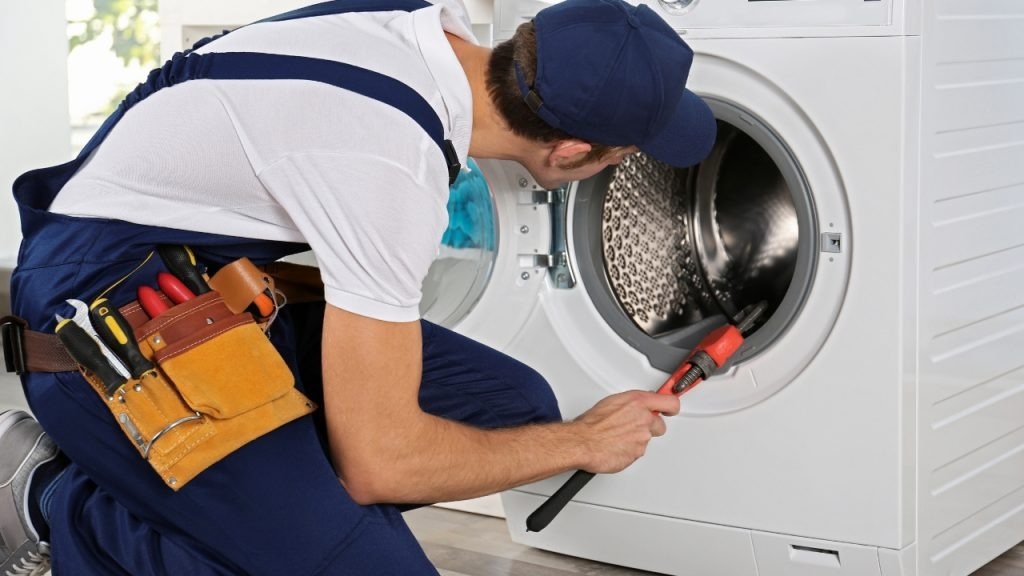
Every spin of the drum is a calculated movement designed to clean clothes without damaging them. Here’s what a drum does behind the scenes:
- Agitation and Motion: The drum’s rotation direction and speed help remove dirt from fabric through friction and water flow.
- Water Extraction: During the spin cycle, drums rotate rapidly to extract water, reducing drying time.
- Balancing Loads: Modern drums include technology that detects uneven loads and adjusts speed or direction to balance them.
High-efficiency drums often feature strategically placed holes to increase water circulation while minimizing wear and tear. Some even rotate in both directions or use AI to adapt to fabric types and load sizes.
Maintenance Tips for a Long-Lasting Drum
Neglecting your drum can lead to odor, residue buildup, and even motor failure. Here are proven tips to keep it running like new:
-
Clean the Drum Monthly
Use a mix of white vinegar and baking soda or a washing machine cleaner. Run an empty hot cycle to remove limescale and detergent residues.
-
Avoid Overloading
Too much weight strains the drum bearings and suspension system. It reduces wash quality and accelerates wear and tear.
-
Leave the Door Open
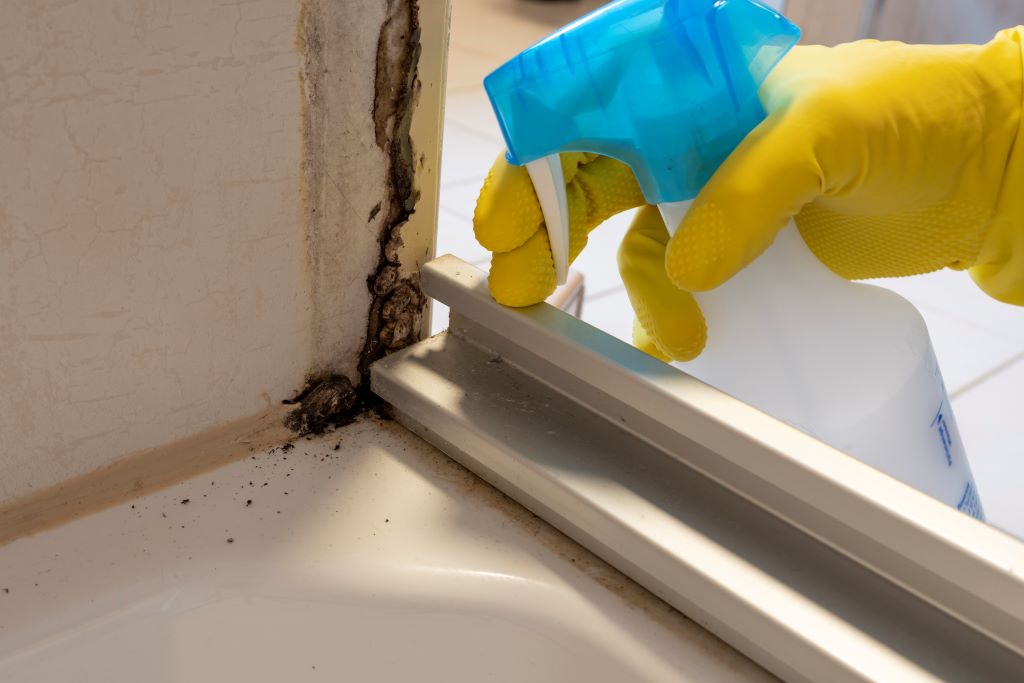
After each wash, keep the door ajar. This prevents mold buildup and allows moisture to escape, keeping the drum fresh.
-
Check for Loose Items
Coins, buttons, and hairpins can get lodged in the drum, causing damage or rust. Always check pockets before loading clothes.
-
Use the Right Detergent
High-efficiency machines need low-sudsing detergent. Excessive suds can leave residues, clog holes, and reduce efficiency.
-
Inspect Drum Seals
Seals around the drum can trap lint, grime, and mold. Wipe them regularly to avoid odor and moisture retention.
Featured Snippet: What is the Best Type of Washing Machine Drum?
Q: Which type of washing machine drum is the best in terms of durability and performance?
A stainless steel drum offers the best balance of durability, cleaning power, and energy efficiency. It withstands higher spin speeds, resists rust, and ensures consistent performance even after years of use. Although more expensive upfront, it saves money long-term by extending the life of your washer and improving fabric care. Compared to plastic or porcelain-coated drums, stainless steel is less likely to crack or deteriorate under high temperatures and daily use. Experts recommend it for both residential and commercial use due to its superior longevity and performance.
Expert Tips from Appliance Technicians
- “Choose a drum with diamond-shaped holes,” says Mike Lester, a repair specialist. “They’re gentler on clothes and improve water flow.”
- A survey by Statista found 58% of households prefer front-load washers, largely because of better drum design.
- “Never use bleach regularly,” warns Susan Zhang, appliance technician. “It corrodes the drum and shortens machine life.”
Real-World Examples
One customer reported their Samsung washer with a stainless steel drum lasted over 12 years with minimal maintenance. On the flip side, a Whirlpool model with a plastic drum began cracking within four years under heavy use. This showcases the tangible impact of drum material on longevity and reliability.
Frequently Asked Questions (FAQs)
Can a drum be replaced without replacing the whole washer?
Yes, but it’s expensive. In some cases, it may cost as much as a new machine.
How do I know if my drum is damaged?
Loud noises, vibrations, or poor washing performance are signs. Check for cracks or unusual movement.
What causes drum rust?
Chipped enamel, metal objects, or excessive moisture can cause rust. Regular cleaning prevents it.
Is drum size important?
Absolutely. A larger drum allows for better agitation and fewer wash cycles, saving energy and water.
How long should a washing machine drum last?
Stainless steel drums often last 10–14 years, while plastic drums may last 5–7 years.
Can I use drum-cleaning tablets regularly?
Yes, once a month. It prevents buildup and keeps your washer smelling fresh.
Does hard water affect the drum?
Yes. Mineral deposits from hard water can clog drum holes. Use a water softener or descaler if needed.
Read More Also: Jacuzzi Toilet Seat Replacement
Final Thought
The washing machine drum isn’t just a compartment—it’s the engine of your laundry process. From the type of material to its maintenance routine, everything matters. Choosing a durable drum like stainless steel can save you money, time, and stress in the long run. Coupled with regular upkeep and smart usage habits, your washing machine can deliver peak performance for over a decade.
Don’t underestimate the power of knowledge when it comes to home appliances. Whether you’re in the market for a new washer or looking to extend the life of your current one, understanding the drum’s role is the smartest first step.
References:
- Consumer Reports: https://www.consumerreports.org
- Statista Laundry Market Data: https://www.statista.com/topics/3251/laundry-in-the-us/
- Samsung Appliance Support: https://www.samsung.com/us/support/