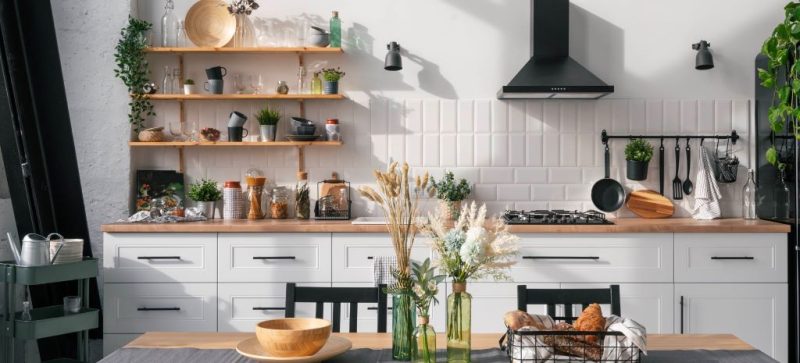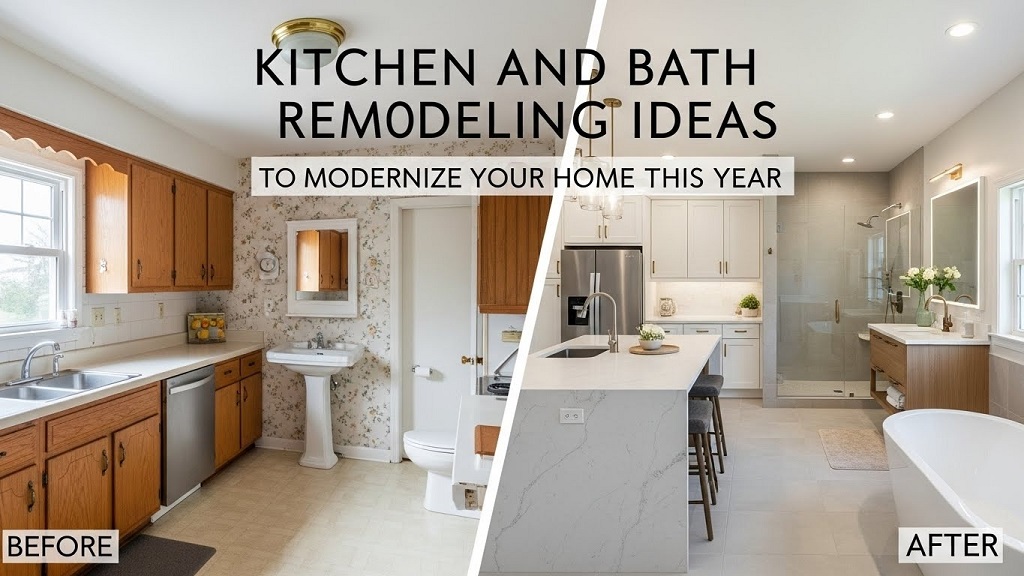
Are you ready to breathe new life into the two most important rooms in your home? Kitchen and bath remodeling projects offer the highest return on investment and dramatically improve your daily living experience. Whether you’re planning a complete overhaul or strategic updates, modern design trends prioritize functionality, sustainability, and timeless aesthetics. From smart appliances to spa-like bathroom retreats, this comprehensive guide reveals the transformative kitchen remodeling ideas and bath remodeling ideas that will elevate your home’s value and your quality of life in 2025.
What Are the Most Impactful Kitchen Remodeling Ideas for Modern Homes?
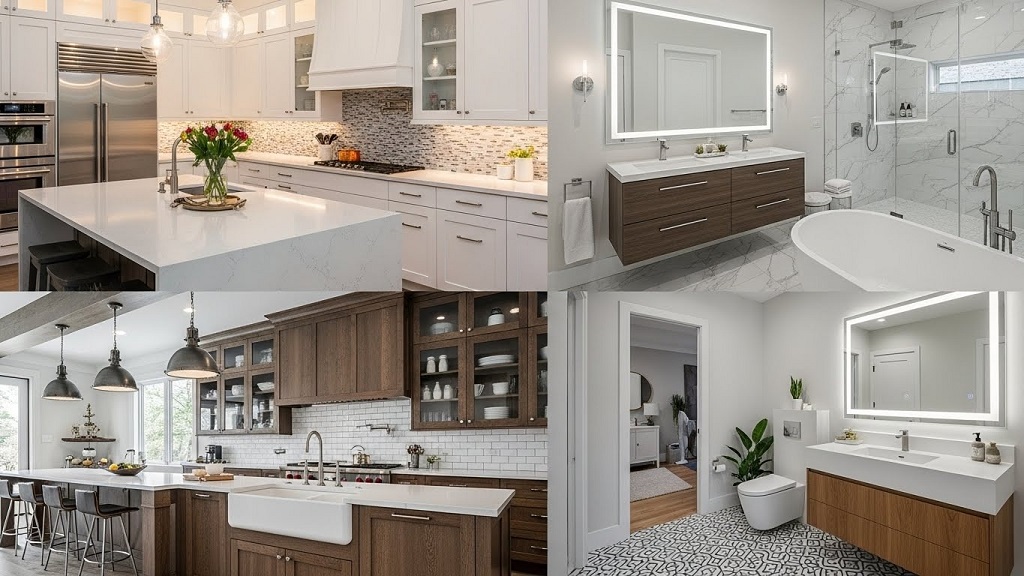
Modern kitchen remodeling ideas focus on creating multifunctional spaces that blend style with efficiency. Open-concept layouts continue to dominate, removing walls between kitchens and living areas to create inviting spaces perfect for entertaining and family gatherings. This design approach maximizes natural light and creates a sense of spaciousness even in smaller homes.
Smart kitchen technology has become a cornerstone of contemporary kitchen and bath remodeling projects. Touchless faucets, voice-activated lighting, and smart refrigerators that track inventory and suggest recipes transform kitchens into high-tech command centers. These upgrades not only add convenience but appeal to tech-savvy homebuyers.
Consider incorporating these trending elements into your kitchen renovation:
- Two-tone cabinetry: Mixing dark lower cabinets with light upper cabinets creates visual interest and depth
- Statement islands: Oversized islands with contrasting colors or materials serve as functional focal points
- Concealed storage: Hidden pantries, pull-out organizers, and integrated appliances maintain clean lines
- Sustainable materials: Recycled glass countertops, bamboo flooring, and reclaimed wood accents appeal to eco-conscious homeowners
- Mixed metals: Combining brass, copper, and matte black finishes adds personality without overwhelming the space
How Can You Maximize Space in Small Kitchen Renovations?
Small kitchen remodeling ideas require strategic planning to optimize every square inch. Vertical storage solutions transform unused wall space into valuable storage, with floor-to-ceiling cabinets and open shelving drawing the eye upward and creating the illusion of height. Installing cabinets that extend to the ceiling eliminates dust-collecting gaps while providing additional storage for rarely used items.
Light colors and reflective surfaces make compact kitchens feel more expansive. White or light gray cabinetry paired with glossy backsplashes and under-cabinet lighting brightens spaces and creates an airy atmosphere. Mirrored backsplashes or glass cabinet doors add depth perception, making rooms appear larger than their actual dimensions.
Multifunctional furniture and fixtures serve double duty in tight spaces. Consider fold-down tables, rolling carts, and slim pull-out pantries that disappear when not in use. Compact appliances sized specifically for small kitchens deliver full functionality without overwhelming the room, proving that successful kitchen and bath remodeling doesn’t require vast square footage.
What Bath Remodeling Ideas Create a Spa-Like Experience?
Transforming your bathroom into a personal sanctuary ranks among the most popular bath remodeling ideas. Freestanding soaking tubs positioned near windows create dramatic focal points and provide the ultimate relaxation experience. These sculptural fixtures come in various materials from classic porcelain to modern stone resin, allowing you to customize based on your aesthetic preferences.
Walk-in showers with frameless glass enclosures epitomize modern bathroom design. Multiple showerheads, including rainfall fixtures and body jets, deliver a customizable spa experience. Natural stone or large-format tiles minimize grout lines for easier maintenance and a more luxurious appearance. Adding built-in benches and niches enhances functionality while maintaining sleek design lines.
Heated flooring represents one of the most appreciated upgrades in bath remodeling projects. Radiant floor heating provides consistent warmth underfoot, eliminating the shock of cold tile on winter mornings. This upgrade proves particularly valuable in climates with harsh winters and adds minimal ongoing energy costs when properly installed.
Which Materials and Finishes Are Trending in Kitchen and Bath Remodeling?
Material selection dramatically impacts both aesthetics and longevity in kitchen and bath remodeling projects. Quartz countertops have surged in popularity, offering the beauty of natural stone with superior durability and minimal maintenance. Unlike granite, quartz never requires sealing and resists staining, making it ideal for busy households.
Matte black fixtures and hardware create striking contrast in both kitchens and bathrooms. This bold finish choice works across design styles from industrial to farmhouse, and the matte surface hides water spots better than polished alternatives. However, mixing matte black with warmer metals like brass or gold prevents spaces from feeling too stark.
| Material | Best For | Key Benefits |
|---|---|---|
| Quartz | Countertops | Durable, low-maintenance, stain-resistant |
| Porcelain Tile | Flooring, Walls | Water-resistant, versatile designs, cost-effective |
| Solid Surface | Vanities, Counters | Seamless appearance, repairable, non-porous |
| Luxury Vinyl | Kitchen Flooring | Water-resistant, comfortable underfoot, budget-friendly |
How Do You Budget Effectively for Kitchen and Bath Remodeling Projects?
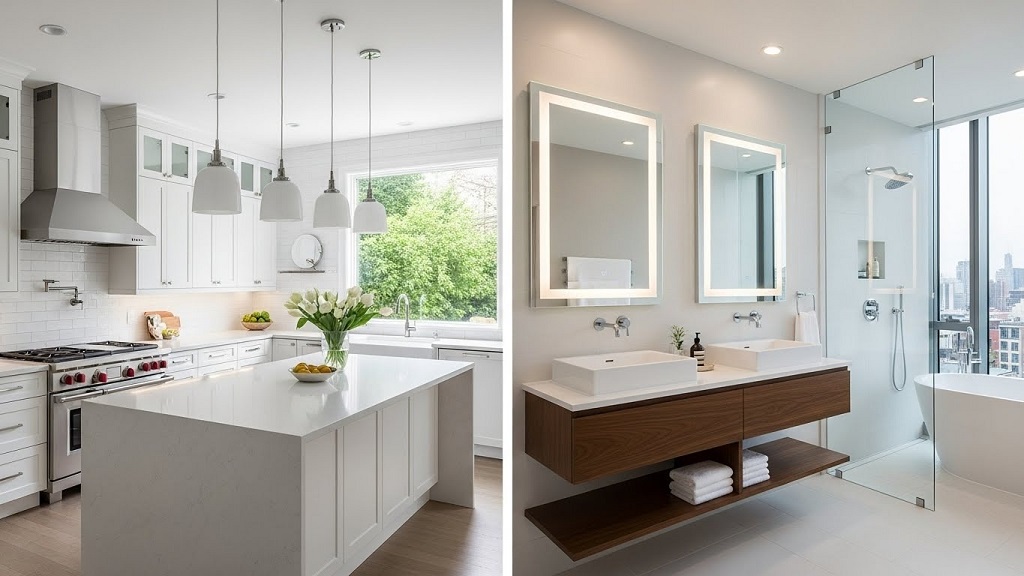
Successful kitchen and bath remodeling begins with realistic budget planning. Industry experts recommend allocating 10 to 15 percent of your home’s value for kitchen renovations and 5 to 10 percent for bathroom updates. These percentages ensure you don’t over-improve for your neighborhood while maximizing return on investment.
Prioritizing upgrades based on impact helps stretch renovation budgets. Focus spending on elements that affect daily function and visual appeal, such as cabinetry, countertops, and fixtures. Cabinet refacing rather than full replacement can save 30 to 50 percent while delivering a completely refreshed appearance. Similarly, refinishing existing bathtubs costs significantly less than replacement while achieving dramatic results.
Setting aside a contingency fund of 15 to 20 percent protects against unexpected issues common in remodeling projects. Hidden water damage, outdated electrical systems, or structural concerns often surface once work begins. This financial cushion prevents project delays and ensures quality work continues without compromising your vision.
What Are the Best Color Schemes for Contemporary Kitchens and Bathrooms?
Color psychology plays a crucial role in creating inviting, functional spaces. Neutral palettes with warm undertones remain dominant in kitchen remodeling ideas, with greige, warm white, and soft beige creating timeless foundations. These versatile backgrounds allow for colorful accents through accessories, artwork, and seasonal decor changes without requiring major renovations.
Bold accent walls in bathrooms create personality without overwhelming small spaces. Deep blues, forest greens, and charcoal grays behind vanities or in shower enclosures add depth and sophistication. These dramatic choices work especially well in powder rooms where guests experience brief but memorable impressions.
Natural wood tones bring warmth and organic beauty to both kitchens and bathrooms. Whether through cabinetry, open shelving, or vanities, wood elements soften modern designs and create welcoming atmospheres. Lighter woods like white oak and maple brighten spaces, while walnut and cherry add richness to larger rooms with ample natural light.
How Can You Incorporate Universal Design in Your Remodeling Plans?
Universal design principles make homes accessible and comfortable for users of all ages and abilities. In kitchen and bath remodeling, these considerations ensure your investment serves you well throughout life stages. Wider doorways and hallways accommodate wheelchairs and walkers, while lever-style door handles and faucets prove easier to operate than traditional knobs for everyone, including children and elderly family members.
Curbless showers eliminate tripping hazards and facilitate wheelchair access without compromising aesthetic appeal. These barrier-free designs create sleek, modern looks while providing practical benefits. Built-in shower seats, grab bars integrated into tile patterns, and handheld showerheads enhance safety without appearing institutional.
Adjustable-height features accommodate various users and activities. Pull-down shelving in kitchen cabinets brings items within reach, while adjustable-height countertops or islands serve different tasks and users comfortably. These thoughtful bath remodeling ideas and kitchen modifications increase home value and market appeal to diverse buyer demographics.
What Lighting Solutions Enhance Kitchen and Bathroom Functionality?
Layered lighting transforms kitchens and bathrooms from functional spaces to showpieces. Combining ambient, task, and accent lighting creates versatility for different activities and moods. Recessed ceiling fixtures provide general illumination, while under-cabinet LED strips illuminate work surfaces for food preparation. Pendant lights over islands add visual interest and focused task lighting.
Natural light maximization should guide kitchen remodeling ideas whenever possible. Skylights flood interiors with daylight, reducing energy costs and improving mood. Where structural changes aren’t feasible, enlarging existing windows or adding glass doors connecting to outdoor spaces achieves similar effects. Light tubes or sun tunnels bring natural light to interior bathrooms lacking exterior walls.
Dimmer switches and smart lighting controls allow customization throughout the day. Bright light energizes morning routines, while softer evening lighting creates ambiance for relaxation. Color-temperature adjustable LED bulbs shift from cool whites for task-oriented activities to warm tones for unwinding, supporting natural circadian rhythms.
Conclusion
Kitchen and bath remodeling projects offer unparalleled opportunities to enhance your home’s functionality, beauty, and value. By incorporating modern design trends like smart technology, sustainable materials, and universal design principles, you create spaces that serve your immediate needs while adapting to future requirements. Whether you’re drawn to spa-like bathroom retreats or multifunctional kitchen hubs, strategic planning and thoughtful material selection ensure your investment pays dividends in daily enjoyment and resale value.
The key to successful renovations lies in balancing personal style with timeless design elements, prioritizing quality over quantity, and working with experienced professionals who understand building codes and current trends. Remember that even modest updates can transform spaces when executed with clear vision and attention to detail.
Frequently Asked Questions
How long does a typical kitchen and bath remodeling project take?
Kitchen remodeling projects typically require 6 to 12 weeks for complete renovations, while bathroom remodels take 3 to 6 weeks. Timeline factors include project scope, material availability, and permit processing. Minor updates like cabinet refacing or fixture replacement can be completed in 1 to 2 weeks. Working with experienced contractors and ordering materials early helps prevent delays.
What permits do I need for kitchen and bath remodeling?
Most kitchen and bath remodeling projects require permits when altering plumbing, electrical systems, or structural elements. Moving walls, relocating fixtures, or upgrading electrical panels always require permits. Cosmetic updates like painting, cabinet replacement, or countertop installation typically don’t need permits. Check local building department requirements before starting work to avoid fines and ensure proper inspections.
Can I live in my home during kitchen and bath remodeling?
Many homeowners successfully remain in their homes during renovations with proper planning. Kitchen remodels often allow setup of temporary kitchens in other rooms using portable appliances. Bathroom projects prove more challenging when renovating the only bathroom. Consider timing projects sequentially, establishing temporary facilities, or staying elsewhere during intensive demolition phases to maintain comfort and sanitation.
What kitchen remodeling ideas offer the best return on investment?
Cabinet refacing or painting returns 70 to 80 percent of investment, while minor kitchen remodels recoup approximately 75 percent. Upgrading to energy-efficient appliances, installing new countertops, and updating lighting fixtures deliver strong returns. Focus improvements on elements visible to potential buyers and avoid over-customization that limits appeal to broader markets.
How do I choose between trendy and timeless bath remodeling ideas?
Balance trendy elements with classic foundations for longevity and resale value. Use timeless materials like subway tile, marble, and white fixtures as your base, then incorporate trends through easily changeable elements like paint colors, hardware, and accessories. This approach allows personality expression while maintaining broad appeal. Reserve bold choices for secondary bathrooms where personalization matters more than resale considerations.
What are the most common kitchen and bath remodeling mistakes to avoid?
Inadequate planning tops the list of remodeling mistakes, followed by insufficient storage, poor lighting design, and ignoring the work triangle in kitchens. Choosing trendy over functional materials, skipping professional help for complex tasks, and failing to establish realistic budgets cause project failures. Always prioritize function over aesthetics and hire licensed professionals for plumbing, electrical, and structural work.
How can I make my kitchen and bath remodeling more eco-friendly?
Select water-efficient fixtures like low-flow toilets and faucets that reduce consumption by 30 to 50 percent. Choose sustainable materials including bamboo, recycled glass countertops, and reclaimed wood. Install LED lighting and energy-efficient appliances with Energy Star ratings. Use low-VOC paints and adhesives to improve indoor air quality. Donate salvageable materials rather than sending them to landfills, reducing environmental impact while potentially earning tax deductions.
Related Topics: Solar panel blanket created by schoolgirl
Related Topics: Ways to Implementing Modern House Interior Color Schemes