Picture this: You’re getting ready for an important dinner party when suddenly, your kitchen sink backs up with murky water, or worse yet, your shower drain starts gurgling ominously while guests are arriving. Before you reach for your phone to call an expensive emergency plumber, take a deep breath. Most drain problems can be solved with simple DIY techniques using common household items you likely already have on hand.
Clogged drains are among the most common household plumbing issues, affecting millions of homes annually. While professional help is sometimes necessary, understanding basic drain cleaning methods can save you hundreds of dollars and restore your plumbing system to proper working order in minutes rather than hours.
Understanding Common Drain Problems
Types of Drain Blockages
Different drains in your home face unique challenges. Kitchen sinks typically accumulate grease, food particles, and soap residue, while bathroom drains collect hair, soap scum, and personal care products. Floor drains and basement drains may become clogged with debris, lint, or even tree roots in severe cases.
Understanding the type of blockage you’re dealing with helps determine the most effective cleaning approach. Organic matter like hair and food scraps respond well to enzymatic cleaners, while mineral deposits require acidic solutions. Grease clogs often need hot water treatments combined with degreasing agents.
Warning Signs of Drain Issues
Recognizing early warning signs can prevent minor issues from becoming major plumbing emergencies. Slow drainage, gurgling sounds, unpleasant odors, and water backing up are all indicators that your drain needs attention. Standing water in sinks, tubs, or shower pans suggests a significant blockage that requires immediate action.
Essential DIY Drain Cleaning Methods
The Hot Water Flush Method
The simplest and often most effective first step for drain maintenance is the hot water flush. Boil a large pot of water and pour it slowly down the drain in two to three stages, allowing the hot water to work for several seconds between pours. This method effectively dissolves soap scum, loosens minor blockages, and helps maintain drain health when used regularly.
For grease-related clogs, hot water helps liquify accumulated fats and oils, allowing them to flow through the plumbing system more easily. However, avoid using boiling water on PVC pipes, as extreme heat can damage plastic components.
Baking Soda and Vinegar Solution
This classic home remedy combines natural cleaning power with chemical reaction effectiveness. Pour one cup of baking soda down the drain, followed by one cup of white vinegar. Cover the drain with a plug or cloth to contain the fizzing reaction, wait 30 minutes, then flush with hot water.
The alkaline baking soda neutralizes acidic buildup while the vinegar’s acidity breaks down mineral deposits and organic matter. This method is safe for all pipe types and environmentally friendly, making it ideal for regular maintenance cleaning.
Dish Soap and Hot Water Treatment
For grease clogs specifically, liquid dish soap provides excellent degreasing action. Squirt generous amounts of grease-cutting dish soap into the drain, followed by hot (not boiling) water. Allow the mixture to sit for 20-30 minutes before flushing with additional hot water.
This method works particularly well for kitchen sinks where cooking oils and food grease commonly accumulate. The surfactants in dish soap break down grease molecules, allowing them to wash away more easily.
Advanced DIY Techniques
Manual Removal Methods
Sometimes, the most straightforward approach involves physical removal of visible blockages. Remove drain covers and use needle-nose pliers, tweezers, or a straightened coat hanger to extract hair clumps, food debris, or foreign objects causing the obstruction.
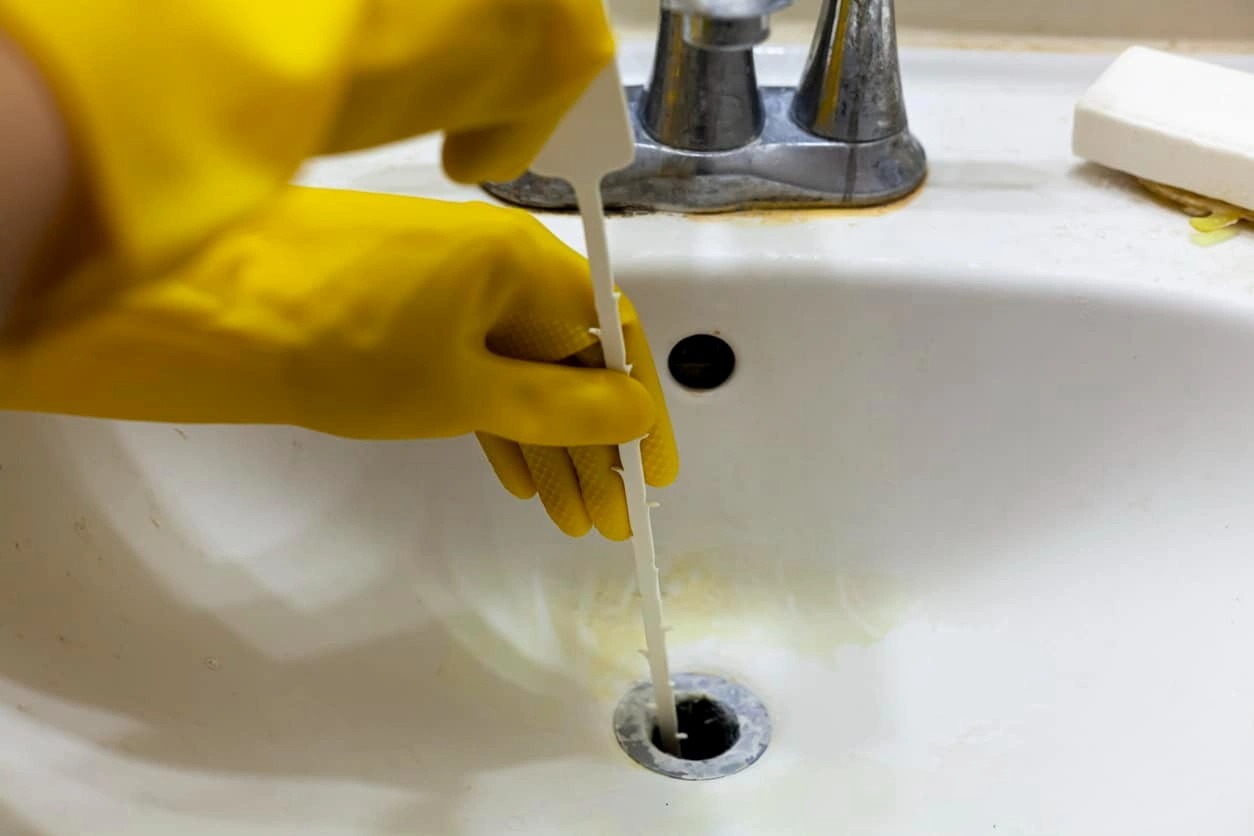
For bathroom drains, invest in an inexpensive drain snake or hair removal tool. These specialized tools can reach deeper into pipes and extract stubborn hair clogs that resist other cleaning methods.
Plunger Techniques
A standard plunger can effectively clear many drain blockages when used correctly. For sinks, ensure you have enough water to cover the plunger head, then create a tight seal around the drain. Use firm, rhythmic pumps to create pressure changes that can dislodge stubborn clogs.
Cup plungers work best for flat surfaces like sinks and tubs, while flange plungers are designed specifically for toilets. Maintain consistent pressure and avoid breaking the seal during the plunging process for maximum effectiveness.
Homemade Drain Snake Solutions
Create an effective drain cleaning tool using a wire coat hanger. Straighten the hanger, create a small hook at one end, and carefully insert it into the drain to catch and remove blockages. This method works particularly well for hair clogs in bathroom drains.
For deeper clogs, consider purchasing an inexpensive drain auger or snake from your local hardware store. These tools can reach blockages several feet into your plumbing system and provide more leverage than improvised solutions.
Preventive Maintenance Strategies
Regular Cleaning Schedule
Implementing a weekly drain maintenance routine prevents most emergency situations. Pour hot water down drains weekly, use baking soda and vinegar monthly, and inspect visible drain components regularly for early problem detection.
Keep drain covers clean and free of debris accumulation. In bathrooms, remove hair from drain covers after each use, and in kitchens, scrape plates thoroughly before washing to minimize food particles entering the drainage system.
What to Avoid
Never pour cooking grease, coffee grounds, or fibrous foods like celery down kitchen drains. These materials solidify or expand in pipes, creating stubborn blockages that resist simple cleaning methods. Instead, dispose of grease in trash containers after it solidifies.
Avoid using harsh chemical drain cleaners regularly, as they can damage pipes over time and pose safety hazards. Hair, dental floss, and personal care wipes should never be flushed down drains, regardless of product packaging claims.
Smart Usage Habits
Install mesh drain covers in all sinks and tubs to catch debris before it enters your plumbing system. These inexpensive devices prevent most common blockages and are easily cleaned during regular maintenance.
Run cold water while using garbage disposals to help solidify grease and move waste through the system more effectively. Run hot water for final rinsing to clear any remaining particles.
When to Call Professional Help
Recognizing Serious Problems
While DIY methods handle most drain issues effectively, certain situations require professional intervention. Multiple drains backing up simultaneously, sewage odors, or water backing up into other fixtures indicate serious plumbing problems that need professional diagnosis and repair.
Tree root intrusion, collapsed pipes, or main sewer line blockages exceed typical homeowner capabilities and require specialized equipment and expertise to resolve safely and effectively.
Emergency vs. Non-Emergency Situations
True plumbing emergencies include sewage backing up into living spaces, water overflowing onto floors, or complete drainage system failure. These situations require immediate professional attention to prevent property damage and health hazards.
Non-emergency situations include slow-draining sinks, minor odors, or single fixture backups that don’t affect other areas of your home. These problems can often wait for regular business hours and may respond well to DIY treatment attempts.
Safety Considerations and Best Practices
Personal Protection
Always wear rubber gloves when handling drain cleaning materials or removing blockages manually. Eye protection is recommended when using chemical cleaners or working with pressurized plunging techniques.
Ensure adequate ventilation when using vinegar and baking soda combinations or any commercial drain cleaning products. Never mix different chemical products, as dangerous gas reactions can occur.
Tool Safety
Use drain snakes carefully to avoid scratching fixture surfaces or damaging pipe joints. Apply gentle, steady pressure rather than forcing tools through resistant blockages that may require professional attention.
Keep drain cleaning tools clean and dry between uses to prevent bacterial growth and maintain their effectiveness for future cleaning sessions.
Conclusion: Maintain Your Drains, Maintain Your Peace of Mind
Drain emergencies don’t have to derail your day or drain your wallet. With these proven DIY techniques and preventive strategies, you can handle most common drainage problems quickly and efficiently. Regular maintenance prevents emergency situations, while understanding basic troubleshooting techniques gives you confidence to tackle problems as they arise.
Remember, the key to successful drain maintenance lies in consistency and early intervention. Don’t wait for complete blockages to develop – address slow drainage and early warning signs promptly for best results.
Read More Also: Sustainable Home Improvements That Actually Save You Money
Ready to tackle your drain problems head-on?
Start implementing these DIY techniques today, and bookmark this guide for future reference. Share your drain cleaning success stories in the comments below, and don’t forget to subscribe to our newsletter for more money-saving home maintenance tips delivered directly to your inbox!
Read More Also: Trusted Kitchen and Bathroom Remodeling
Frequently Asked Questions
How often should I clean my drains?
Perform basic hot water flushes weekly and deeper cleaning with baking soda and vinegar monthly. High-use drains may require more frequent attention, especially in households with long hair or heavy cooking activities.
Are chemical drain cleaners safe to use?
While chemical drain cleaners can be effective, they pose safety risks and can damage pipes with repeated use. Natural alternatives like baking soda and vinegar are safer for regular maintenance and equally effective for most blockages.
What should I do if multiple drains are backing up?
Multiple drain backups typically indicate a main sewer line problem that requires professional intervention. Stop using water fixtures and contact a licensed plumber immediately to prevent sewage backup and property damage.
Can I use a plunger on any type of drain?
Standard cup plungers work well on most sink and tub drains, but avoid using toilet plungers on other fixtures due to hygiene concerns. Ensure adequate water coverage and proper seal for effective plunging action.
When is it time to replace rather than clean my drains?
Consider drain replacement if you experience frequent recurring clogs despite regular maintenance, visible corrosion or damage to drain components, or persistent odors that don’t respond to cleaning efforts.
How can I prevent hair from clogging bathroom drains?
Install mesh drain covers or hair catchers in all bathroom drains. Remove collected hair regularly, and consider brushing hair before showering to minimize loose strands entering the drainage system.
What’s the best way to maintain garbage disposal drains?
Run cold water during use, avoid putting grease or fibrous materials down the disposal, and periodically grind ice cubes to clean the blades. Regular cleaning with baking soda and vinegar helps eliminate odors and buildup.