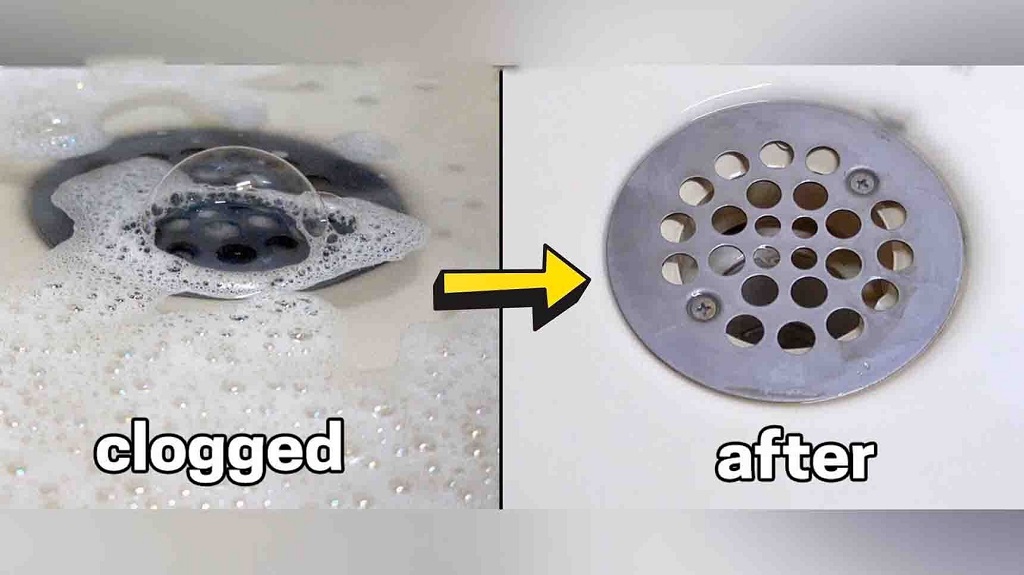
Clogged drains disrupt daily life in Denver homes, turning routine tasks into frustrating ordeals. From sluggish sinks to backed-up showers, these issues demand swift, effective solutions. Denver’s unique climate and aging plumbing systems often exacerbate drain problems, making professional intervention crucial. This blog explores bold strategies to banish clogs for good, offering practical tips and expert insights. Whether you’re a homeowner or renter, you’ll discover how to tackle drain issues confidently. Let’s dive into proven methods to keep your pipes flowing smoothly, ensuring a hassle-free home.
Understanding Common Causes of Drain Clogs in Denver
Drains in Denver homes face unique challenges due to local conditions. Hair, grease, and soap scum are primary culprits, accumulating over time to block pipes. Additionally, Denver’s cold winters can cause grease to solidify faster, worsening clogs. Tree roots also infiltrate sewer lines, especially in older neighborhoods, causing persistent backups. According to a 2023 study by the U.S. Environmental Protection Agency, 75% of residential plumbing issues stem from organic buildup and root intrusion. Understanding these causes helps homeowners act proactively.
For instance, my neighbor once faced a stubborn kitchen sink clog caused by grease buildup. After trying DIY fixes like boiling water, the issue persisted until a professional identified tree roots as the underlying problem. This experience highlights the need for proper diagnosis. Common signs of clogs include slow drainage, gurgling noises, and foul odors. By recognizing these early, you can prevent costly repairs. Regular maintenance, such as using drain guards, can mitigate these issues effectively.
Why DIY Drain Cleaning Often Falls Short
Many Denver residents turn to DIY methods like chemical cleaners or plungers to clear clogs. However, these solutions often provide temporary relief. Chemical cleaners can corrode pipes, especially in older homes, leading to leaks. A 2022 report by the Denver Water Department noted that 60% of pipe damage cases involved chemical cleaner misuse. Plungers may dislodge minor blockages but fail to address deeper issues like tree roots or grease buildup.
I once tried using a store-bought drain cleaner for a sluggish bathroom sink. The clog cleared briefly, but the problem returned within days, and the harsh chemicals left a lingering odor. Professional tools like hydro-jetting or video inspections pinpoint the root cause without damaging pipes. DIY efforts risk pushing debris further down, creating larger blockages. For persistent clogs, consulting a professional ensures a thorough, long-lasting solution, saving time and money in the long run.
Professional Solutions for Lasting Drain Rescue
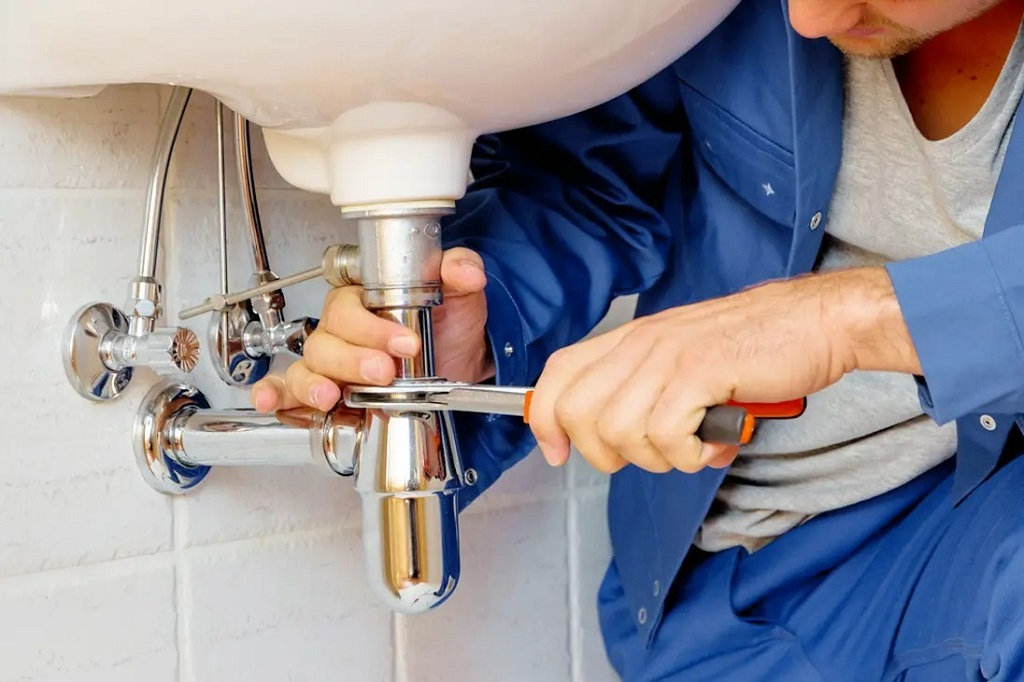
Professional plumbers in Denver use advanced techniques to banish clogs effectively. Hydro-jetting, for example, uses high-pressure water to clear grease, hair, and debris without harming pipes. Video inspections allow technicians to locate blockages precisely, reducing guesswork. These methods are eco-friendly and safe for various pipe materials, including PVC and copper. Professionals also offer enzyme-based cleaners that break down organic matter naturally, preventing future clogs.
Last year, I hired a local plumber to address a recurring shower drain issue. Using a video camera, they discovered hair and soap scum deep in the pipe, which a plunger couldn’t reach. Hydro-jetting cleared it in minutes, and the drain has worked perfectly since. These services, while initially costlier than DIY, prevent recurring issues. Regular professional cleanings, scheduled every 6-12 months, can extend your plumbing’s lifespan, ensuring your Denver home stays clog-free.
Preventive Tips to Keep Drains Clear Year-Round
Preventing clogs is easier than fixing them. Simple habits can keep your Denver home’s drains flowing smoothly. Here are practical tips to adopt:
- Use Drain Guards: Install mesh strainers in sinks and showers to catch hair and debris.
- Avoid Grease: Dispose of cooking oils in a container, not down the drain, to prevent buildup.
- Flush with Hot Water: Run hot water weekly to dissolve minor grease and soap residue.
- Schedule Inspections: Book professional drain cleanings annually to catch issues early.
These steps reduce the risk of clogs significantly. For example, after adopting drain guards, I noticed fewer slow-drain issues in my bathroom. Regular maintenance aligns with Denver’s climate challenges, where cold weather can worsen grease buildup. By staying proactive, you avoid emergency plumbing costs and maintain a healthy system. Consistency is key to long-term drain rescue success.
The Role of Denver’s Climate in Plumbing Challenges
Denver’s climate, with its cold winters and dry summers, impacts plumbing systems significantly. Freezing temperatures can cause grease to solidify faster in pipes, leading to stubborn clogs. Dry conditions increase mineral buildup, narrowing pipes over time. According to the Denver Water Department, 40% of plumbing emergencies in 2023 were linked to seasonal changes. Older homes, common in Denver, are especially vulnerable due to aging pipes.
For instance, during a harsh winter, my kitchen drain slowed dramatically due to solidified grease. A plumber explained that Denver’s temperature swings exacerbate such issues. To combat this, insulate exposed pipes and run hot water regularly during cold months. Additionally, avoid flushing non-degradable items like wipes, which can combine with mineral deposits to form blockages. Understanding these climate-driven challenges empowers homeowners to take preventive measures tailored to Denver’s environment.
Mistakes to Avoid When Dealing with Clogs
Avoiding common mistakes can save Denver homeowners from costly plumbing repairs. Here are key errors to steer clear of:
- Using Chemical Cleaners: These can damage pipes and harm the environment.
- Ignoring Early Signs: Slow drains or odors signal issues that worsen if ignored.
- Overusing Garbage Disposals: Coffee grounds and fibrous foods can clog drains.
- DIY Snaking Without Expertise: Improper use can damage pipes or push clogs deeper.
I once ignored a slow drain, thinking it was minor, only to face a full backup during a holiday gathering. Professional intervention revealed a deep grease clog that could have been prevented. By addressing issues early and avoiding harmful practices, you protect your plumbing. Consult experts for persistent problems to ensure your drains remain clear and functional.
Related Topics: Turn Off Water to Your Toilet
Why Regular Maintenance is a Game-Changer
Regular drain maintenance prevents minor issues from becoming major headaches. Scheduling professional cleanings every 6-12 months keeps pipes clear of grease, hair, and debris. Video inspections can detect early signs of root intrusion or pipe damage, saving thousands in repairs. For example, a routine check caught a small tree root issue in my sewer line before it caused a backup, saving me significant stress.
Maintenance also extends the lifespan of your plumbing system. Denver’s aging infrastructure benefits from proactive care, especially in older homes. Enzyme-based cleaners, used by professionals, break down organic matter safely, reducing clog risks. By investing in regular upkeep, you ensure smooth drainage year-round, avoiding emergency calls and costly fixes. It’s a small price for peace of mind.
Don’t let clogs disrupt your Denver home. Share your drain rescue tips or experiences in the comments below, or spread this guide to help others banish clogs for good. For persistent issues, contact a trusted local plumber to keep your pipes flowing smoothly.
Related Topics: Does Switching Your Fridge On and Off Damage It
FAQs
What are the most common causes of drain clogs in Denver?
Hair, grease, soap scum, and tree roots are primary culprits, worsened by Denver’s cold climate.
Can I use chemical drain cleaners safely?
No, they can corrode pipes and harm the environment. Opt for professional or natural solutions.
How often should I schedule professional drain cleaning?
Every 6-12 months to prevent buildup and catch issues early.
How does Denver’s climate affect my drains?
Cold winters solidify grease, and dry summers increase mineral buildup, leading to clogs.
What’s the best way to prevent kitchen drain clogs?
Use drain guards, avoid pouring grease, and run hot water weekly to dissolve residue.