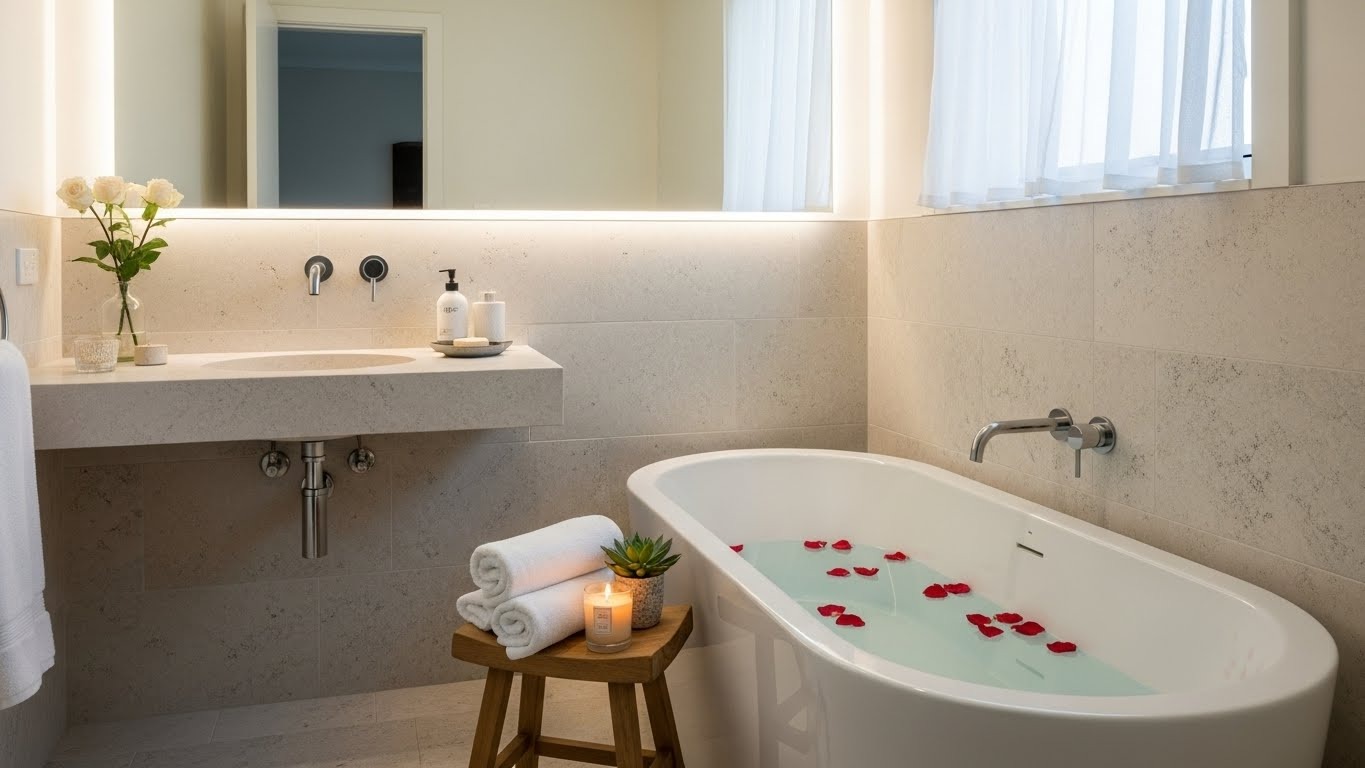
Imagine stepping into your bathroom and feeling like you’ve entered a five-star spa—soft lighting, calming colors, and luxurious fixtures that melt away the day’s stress. The reality? You’re working with a cramped 50-square-foot space that currently feels more chaotic than calm. If you’ve ever dreamed of transforming your small bathroom into a personal sanctuary, you’re not alone. With the right bathroom remodeling ideas, even the tiniest powder room can become a tranquil escape that rivals any upscale resort.
What Are the Best Layout Strategies for Small Bathroom Remodel Ideas?
Maximizing every inch in a compact bathroom starts with intelligent spatial planning. The layout forms the foundation of successful bathroom renovation tips, and getting it right can make your space feel exponentially larger.
Consider installing a corner sink to free up valuable floor space. Wall-mounted toilets create an illusion of more room while making cleaning easier. A curbless shower with a glass enclosure eliminates visual barriers, allowing your eye to travel uninterrupted across the entire space. This open concept approach is one of the most effective small bathroom remodel ideas for creating an airy, spa-like atmosphere.
Pocket doors or sliding barn doors replace traditional swing doors that consume precious square footage. If your bathroom opens directly into a bedroom, consider removing the door entirely and creating an elegant archway. Strategic placement of fixtures ensures smooth traffic flow—typically, you’ll want at least 30 inches of clearance in front of each fixture and 15 inches from the centerline of the toilet to any wall or obstruction.
How Can You Choose the Right Color Palette for a Spa-Like Bathroom?
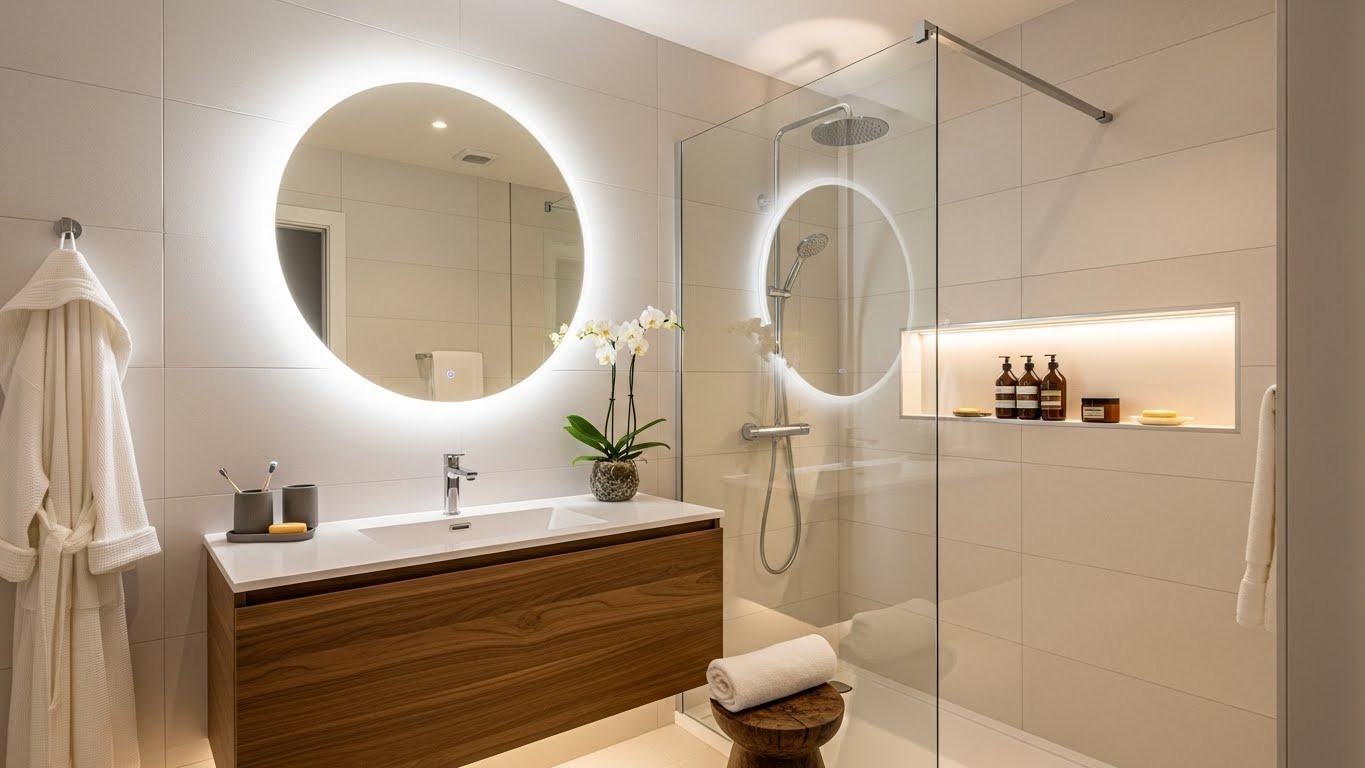
Color psychology plays a crucial role in creating that coveted spa ambiance. Neutral tones like soft whites, warm beiges, gentle grays, and muted sage greens evoke serenity and cleanliness—hallmarks of luxury spa environments.
Light colors reflect natural light, making small spaces appear more expansive. Monochromatic color schemes create visual continuity that tricks the eye into perceiving more space. Consider painting walls, ceiling, and trim the same shade to eliminate visual breaks that can make a room feel choppy.
For added depth without overwhelming the space, introduce texture through materials rather than bold colors. Marble-look porcelain tiles, natural stone accents, or wood-grain waterproof vinyl planking add visual interest while maintaining a cohesive, calming aesthetic. If you crave color, reserve it for easily changeable elements like towels, bath mats, and decorative accessories.
What Lighting Fixtures Create the Most Relaxing Bathroom Atmosphere?
Lighting transforms functionality into luxury, making it one of the most impactful bathroom remodeling ideas you can implement. A well-lit bathroom requires layered lighting: ambient, task, and accent illumination working in harmony.
Install dimmer switches on all light sources to adjust brightness according to mood and time of day. Recessed LED lights provide clean, even ambient lighting without cluttering your ceiling. Wall-mounted sconces flanking the mirror eliminate shadows on your face—essential for grooming tasks while creating that flattering hotel-bathroom glow.
Consider adding a statement pendant light or small chandelier for unexpected elegance. LED strip lighting beneath floating vanities or inside shower niches adds sophisticated accent lighting. Natural light remains the gold standard, so if possible, enlarge existing windows or add a skylight. Frosted or textured glass maintains privacy while flooding the space with sunlight.
Which Storage Solutions Work Best in Compact Bathroom Spaces?
Clutter destroys the spa experience faster than anything else. Effective storage solutions rank among the most practical bathroom renovation tips for maintaining that serene, organized aesthetic.
Vertical storage maximizes limited floor space. Install floating shelves above the toilet, beside the vanity, or in shower niches. Recessed medicine cabinets built into walls provide storage without protruding into the room. A tall, narrow linen cabinet utilizes vertical space efficiently.
Built-in shower niches keep toiletries organized and accessible without cluttering ledges. Choose a vanity with drawers rather than doors—drawer organizers keep items neatly compartmentalized. Magnetic strips on the inside of cabinet doors hold tweezers, nail clippers, and bobby pins. Over-the-door hooks and towel bars utilize often-wasted space.
Baskets and decorative boxes corral smaller items while adding texture. Keep countertops clear except for a few carefully curated items—perhaps a elegant soap dispenser, a small plant, and a scented candle. Remember: visible organization equals visual calm.
What Flooring Options Combine Durability With Spa-Style Elegance?
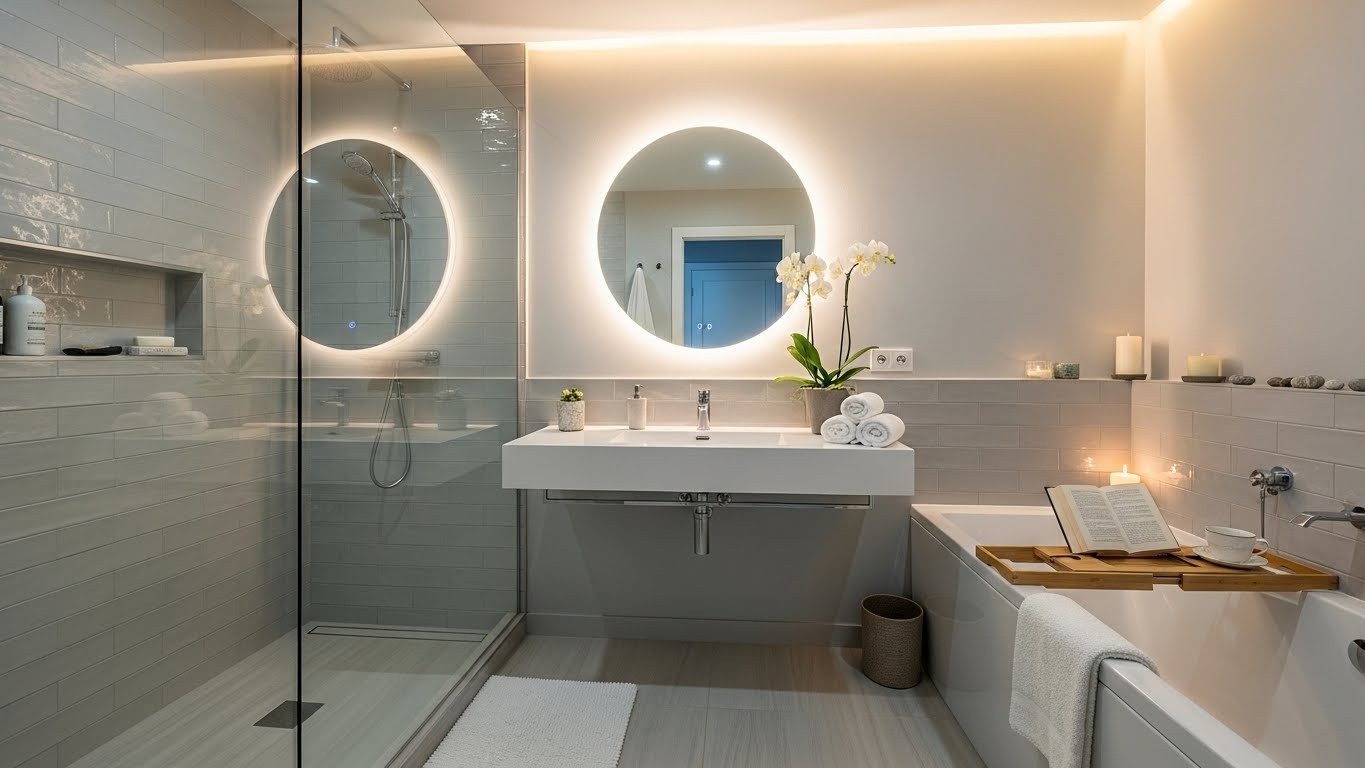
Your flooring choice impacts both aesthetics and practicality. The right selection handles moisture while enhancing your spa-inspired design.
Porcelain or ceramic tiles remain the most popular choices for bathroom floors, offering water resistance, durability, and endless design possibilities. Large-format tiles create fewer grout lines, making small spaces appear larger and cleaning easier. Herringbone or diagonal tile patterns add visual interest without overwhelming compact areas.
Luxury vinyl planking (LVP) provides the warmth of wood without water damage concerns. Modern LVP is virtually indistinguishable from real hardwood and costs significantly less. Heated floors transform cold tile into radiant comfort—one of the most luxurious small bathroom remodel ideas that dramatically elevates the spa experience. Programmable thermostats let you warm floors before your morning shower.
Consider continuing floor tiles up the shower walls for visual continuity. Light-colored grout stays cleaner looking longer than white grout, which can yellow over time.
How Do You Select Fixtures That Maximize Both Function and Style?
Fixtures serve as jewelry for your bathroom—they’re functional necessities that shouldn’t sacrifice style. Smart fixture selection ranks among the most visible bathroom remodeling ideas.
Wall-mounted faucets free up counter space and create clean lines. Matte black, brushed gold, or champagne bronze finishes add contemporary elegance while hiding water spots better than chrome. A rainfall showerhead provides that signature spa shower experience. Add a handheld sprayer for versatility and easier cleaning.
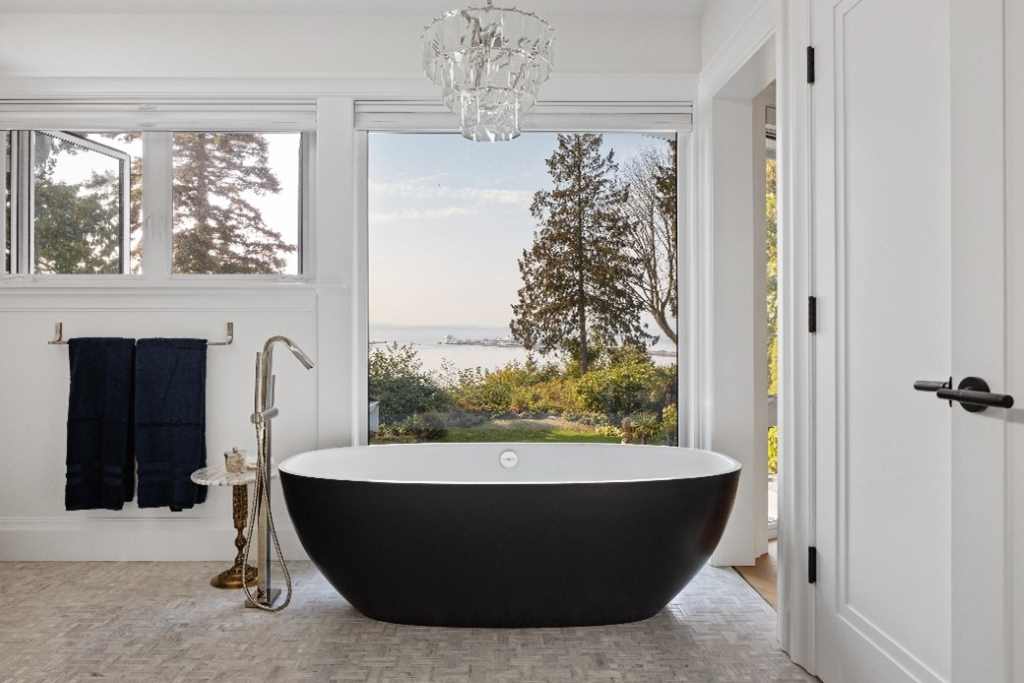
Freestanding or wall-mounted tubs become sculptural focal points in larger small bathrooms. Japanese soaking tubs offer depth in a compact footprint. If space prohibits a tub, invest in a luxurious shower system with body jets and a steam feature.
Choose a statement mirror—perhaps a round mirror with a metal frame or a backlit LED mirror that provides perfect task lighting. Coordinating all metal finishes throughout the space creates cohesion. Quality fixtures may cost more initially but last longer and perform better than budget alternatives.
What Decorative Elements Enhance the Spa Retreat Feeling?
Thoughtful decorative touches transform a functional bathroom into an experiential retreat. These finishing details complete your vision and personalize the space.
Plants thrive in bathroom humidity while purifying air and adding life. Snake plants, pothos, ferns, and orchids work well in varying light conditions. Natural materials like bamboo, teak, and stone connect your space to nature—a fundamental spa design principle.
Plush, hotel-quality towels in coordinating colors feel luxurious. Roll them and display them in a basket or on open shelving. A teak shower bench provides practical seating while adding organic warmth. Aromatic candles, essential oil diffusers, or reed diffusers introduce calming scents like eucalyptus, lavender, or sandalwood.
Install a waterproof Bluetooth speaker for spa music or guided meditations. Art prints in moisture-resistant frames add personality—consider botanical prints, abstract watercolors, or serene landscapes. A small tray corrals everyday items while keeping surfaces tidy. Replace plastic bottles with glass or ceramic dispensers for a more refined aesthetic.
Which Budget-Friendly Bathroom Renovation Tips Deliver Maximum Impact?
Creating a spa-like bathroom doesn’t require unlimited funds. Strategic updates can transform your space without draining your savings.
Paint delivers the biggest impact for the smallest investment. Fresh paint on walls and cabinets instantly updates tired spaces. Replacing hardware—drawer pulls, towel bars, toilet paper holders—costs little but changes the entire look. Regrout existing tiles or paint outdated tile with specialty epoxy paint designed for bathrooms.
Update lighting fixtures before investing in major renovations. New faucets and a modern showerhead refresh your space significantly. Apply peel-and-stick tile over existing surfaces for a budget-friendly update. Shop secondhand for vintage mirrors, light fixtures, or decorative accessories that add character.
DIY projects like installing floating shelves, painting vanities, or adding crown molding save on labor costs. Focus spending on items you interact with daily—faucets, showerheads, toilet seats—while economizing on less critical elements. Quality doesn’t always mean expensive; many mid-range products perform comparably to luxury options.
Conclusion: Your Spa Retreat Awaits
Transforming your small bathroom into a spa-like sanctuary is entirely achievable with thoughtful planning and strategic bathroom remodeling ideas. By focusing on smart layouts, calming color palettes, layered lighting, efficient storage, quality fixtures, and carefully chosen decorative elements, you’ll create a personal retreat that serves your practical needs while nurturing your wellbeing. Whether you implement all these bathroom renovation tips at once or tackle them gradually, each improvement brings you closer to that coveted spa experience.
The most successful small bathroom remodel ideas balance aesthetics with functionality—creating beautiful spaces that work seamlessly with your daily routine. Start with the changes that matter most to you, whether that’s upgrading your shower, improving lighting, or simply decluttering and organizing. Your morning routine and evening wind-down rituals deserve a space that feels less like an afterthought and more like a destination.
Ready to start your bathroom transformation? Download our free bathroom remodeling checklist and begin planning your personal spa retreat today. Share your renovation journey with us in the comments below—we’d love to see how you’re creating tranquility in your small space!
Frequently Asked Questions
What is the most cost-effective way to make a small bathroom look bigger?
Paint everything in the same light, neutral color to create visual continuity. Install a large mirror to reflect light and create depth, use glass shower doors instead of curtains, and replace bulky fixtures with wall-mounted options. These changes cost relatively little but dramatically impact perceived space. Proper lighting, especially natural light, also makes rooms feel more expansive without major construction.
How much does a typical small bathroom remodel cost?
A small bathroom remodel typically ranges from $3,000 to $15,000, depending on the scope of work. A minor refresh with paint, new fixtures, and updated hardware might cost $3,000-$5,000. Mid-range renovations including new tile, vanity, toilet, and lighting run $7,000-$10,000. Luxury remodels with high-end materials, heated floors, and custom cabinetry can exceed $15,000. Labor typically accounts for 40-60% of total costs.
Can I create a spa bathroom without a bathtub?
Absolutely. Many modern spas focus on shower experiences rather than tubs. Install a large walk-in shower with a rainfall showerhead, body jets, built-in seating, and steam features. Use natural materials like stone and wood, incorporate plants, add aromatherapy, and include heated floors. The spa feeling comes from creating a sensory experience—not from specific fixtures. A well-designed shower can be more luxurious than a basic tub.
What are the best materials for bathroom walls in humid environments?
Porcelain or ceramic tile offers superior water resistance and durability for bathroom walls, especially in shower areas. Semi-gloss or satin paint formulated for bathrooms resists moisture and mildew on non-wet walls. Waterproof wall panels provide a grout-free alternative to tile. Natural stone like marble or travertine adds luxury but requires sealing. Avoid regular drywall in shower areas—use cement board or waterproof backing instead. Proper ventilation remains crucial regardless of materials chosen.
How can I improve bathroom ventilation to prevent mold and mildew?
Install an exhaust fan rated for your bathroom’s square footage (typically 50-80 CFM for small bathrooms). Run the fan during showers and for 20-30 minutes afterward. Consider a fan with a humidity sensor that activates automatically. If possible, add or enlarge windows for natural ventilation. Apply mold-resistant paint and use a dehumidifier if your bathroom lacks windows. Wipe down wet surfaces after showers and wash bath mats regularly to prevent moisture buildup.
What lighting color temperature works best for bathrooms?
For bathrooms, 3000K to 4000K provides the most flattering and functional light. This range offers neutral to slightly cool white light that renders skin tones accurately—essential for grooming tasks like applying makeup or shaving. Task lighting near mirrors should be around 3000-3500K for warmth, while ambient lighting can go slightly cooler at 3500-4000K. Install dimmers to adjust from bright task lighting to softer ambient lighting for relaxing baths. Avoid overly warm (below 2700K) or cool (above 5000K) temperatures.
Should I hire a professional or DIY my bathroom remodel?
This depends on project complexity and your skill level. DIY painting, installing shelves, replacing hardware, and updating light fixtures saves money. However, hire professionals for plumbing, electrical work, structural changes, and tile installation unless you have experience. Poor DIY work can create costly problems like leaks, mold, or code violations. Consider a hybrid approach: hire experts for technical work while handling cosmetic updates yourself. Always obtain proper permits for major renovations, and check if work affects home warranty or insurance coverage.
Related Topics: Ways to Implementing Modern House Interior Color Schemes
Related Topics: Elevate Your Space: Choosing Home Decor Accessories to Match Your Rooms