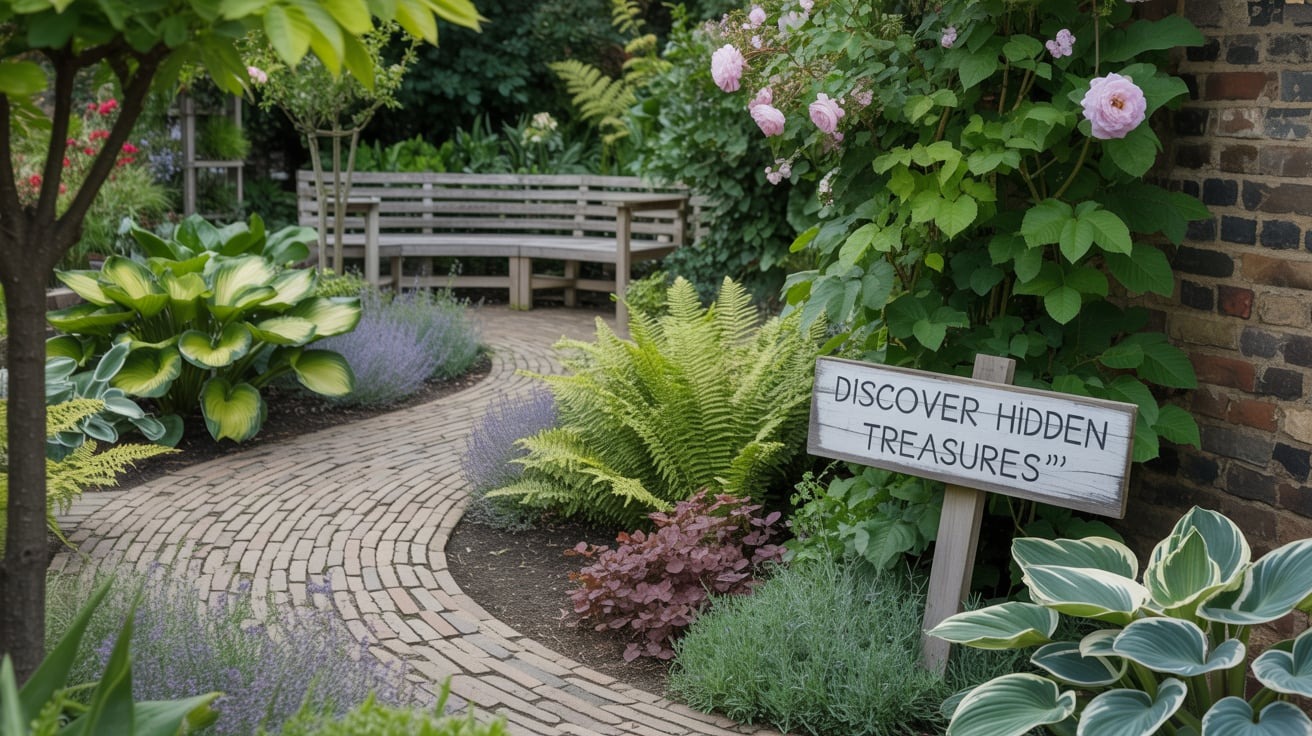
Hidden within the rolling countryside of Hertfordshire lies one of Britain’s most extraordinary horticultural treasures—a living library where plants are the books and nature serves as the ultimate teacher. Tom Stuart-Smith’s Plant Library Gardens represents a groundbreaking approach to botanical education and garden design, transforming how we interact with and understand the plant kingdom.
This remarkable initiative, part of the prestigious Serge Hill Project, has quietly revolutionized the concept of plant collections, creating an interactive botanical encyclopedia that welcomes gardeners, designers, and nature enthusiasts from across the United Kingdom and beyond. With over 1,500 plant varieties carefully curated and catalogued, the Plant Library stands as a testament to both horticultural excellence and community-focused garden design.
The Visionary Behind the Gardens: Tom Stuart-Smith’s Legacy
Tom Stuart-Smith, the acclaimed landscape architect and garden designer, brings an unparalleled pedigree to this ambitious project. With nine gold medals from the Chelsea Flower Show, including three “Best in Show” awards, Stuart-Smith has established himself as one of Britain’s most celebrated contemporary garden designers. His reputation extends far beyond competition success, encompassing transformative projects from Morocco’s Jardin Secret to the prestigious Royal Academy of Arts.
The creation of the Plant Library represents a natural evolution of Stuart-Smith’s design philosophy, which emphasizes the profound relationship between gardens and their surrounding landscapes. This philosophy becomes particularly evident in the Plant Library’s seamless integration with the historic Serge Hill estate, where Stuart-Smith’s family has maintained deep roots since his grandfather’s acquisition of the property in 1927.
Understanding the Plant Library Concept
The Plant Library Gardens redefine traditional approaches to plant collections through innovative organization and accessibility. The collection features over 1,000 herbaceous plants and 400 varieties of bulbs, organized as a filing system within an acre of historic orchard. This systematic approach transforms plant exploration from casual browsing into purposeful research and discovery.
Each plant grouping features QR code technology, enabling visitors to access detailed information about species, cultivation requirements, seasonal interest, and design applications. This digital integration represents a perfect marriage of traditional gardening wisdom and modern technology, making botanical knowledge accessible to gardeners of all experience levels.
The Plant Library’s location within a restored orchard adds layers of historical significance and practical functionality. The established trees provide natural framework and microclimates, creating diverse growing conditions that accommodate plants with varying light and moisture requirements. This thoughtful site selection demonstrates Stuart-Smith’s understanding of ecological gardening principles and sustainable design practices.
The Serge Hill Project: Gardens for Wellness and Community
The Plant Library operates as an integral component of the broader Serge Hill Project for Gardening, Creativity and Health. This not-for-profit initiative focuses on fostering community inclusion through gardening and understanding how working with nature can transform people’s health and wellbeing. The project reflects Dr. Sue Stuart-Smith’s extensive research into therapeutic horticulture, combining her psychiatric expertise with her husband’s design mastery.
This holistic approach extends the Plant Library’s mission beyond mere plant collection. Visitors discover not only botanical diversity but also experience the restorative power of garden environments. The project demonstrates how thoughtful garden design can address contemporary challenges including mental health awareness, community disconnection, and environmental education.
The emphasis on community inclusion makes the Plant Library particularly valuable for local gardening groups, horticultural students, and professional landscape designers seeking inspiration and practical knowledge. Regular workshops, seasonal tours, and educational programs ensure the collection serves as a dynamic resource rather than a static display.
Botanical Treasures: What Makes This Collection Special
The Plant Library’s plant selection reflects Stuart-Smith’s decades of design experience and deep understanding of British growing conditions. The collection emphasizes practical garden plants that perform reliably in diverse situations, making it an invaluable resource for both amateur and professional gardeners.
Drought-tolerant plants feature prominently within the collection, addressing contemporary concerns about water conservation and climate change adaptation. These selections demonstrate how beautiful gardens can thrive with reduced water inputs, providing inspiration for sustainable gardening practices throughout Hertfordshire and beyond.
The herbaceous plant focus aligns with current gardening trends emphasizing naturalistic planting and seasonal interest. Visitors can observe how different perennial combinations perform throughout the growing season, gaining insights into timing, color relationships, and structural plant partnerships that create compelling garden compositions.
The bulb collection adds another dimension to the library’s educational value. With 400 varieties represented, visitors can explore the incredible diversity within this plant category, discovering species suitable for naturalizing, formal bedding, container cultivation, and specialized growing conditions.
The Barn Garden: Contextualizing the Plant Library Experience
The Plant Library gains additional significance through its connection to The Barn Garden, Tom Stuart-Smith’s family garden and laboratory for design experimentation. This garden features a “gradient of naturalism” where planting becomes increasingly meadow-like as it moves away from the house, demonstrating Stuart-Smith’s philosophy of harmonizing formal and natural garden elements.
Visitors to the Plant Library can also explore The Barn Garden, experiencing how individual plant specimens contribute to larger design compositions. This contextual understanding proves invaluable for gardeners seeking to move beyond single-plant appreciation toward comprehensive garden creation.
The Barn Garden showcases many plants featured in the Plant Library, demonstrating their performance in designed settings. This practical application helps visitors understand how botanical knowledge translates into successful garden creation, bridging the gap between plant collection and garden artistry.
Educational Value and Research Opportunities
The Plant Library serves multiple educational functions, supporting formal horticultural education alongside informal learning experiences. University programs, garden design courses, and professional development workshops utilize the collection as a living textbook, providing hands-on learning opportunities impossible to replicate in traditional classroom settings.
Research opportunities abound within the Plant Library environment. Climate change adaptation studies, pollinator research, and plant performance trials all benefit from the collection’s diversity and careful documentation. This research component ensures the Plant Library contributes to broader horticultural knowledge while serving immediate educational needs.
The QR code system generates valuable data about visitor interests and plant popularity, informing future collection development and educational programming. This feedback loop ensures the Plant Library remains relevant and responsive to user needs while maintaining its scientific rigor.
Visiting the Plant Library: Practical Information
The Plant Library opens to visitors through the National Garden Scheme and private group bookings. Visits typically include both the Plant Library and The Barn Garden, providing comprehensive exposure to Stuart-Smith’s design philosophy and plant expertise. Special arrangements allow visits to other areas of the Serge Hill estate during peak growing seasons.
The location near Abbots Langley provides convenient access from London and surrounding counties, making the Plant Library accessible to urban gardeners seeking countryside inspiration. The proximity to major transportation routes demonstrates how exceptional horticultural resources can exist within commuting distance of metropolitan areas.
Group visits offer enhanced educational value through guided tours and specialized presentations. Professional garden designers, horticultural societies, and educational institutions particularly benefit from these structured experiences, which can be tailored to specific interests and learning objectives.
Impact on Contemporary Garden Design
The Plant Library’s influence extends far beyond its physical boundaries, shaping contemporary garden design through the plants it promotes and the design principles it demonstrates. Many plants featured in the collection subsequently appear in gardens throughout Britain, spreading Stuart-Smith’s plant palette and design aesthetic.
The systematic organization principle inspires other botanical collections and private gardens, demonstrating how thoughtful categorization enhances both educational value and aesthetic impact. This organizational approach helps gardeners move beyond random plant accumulation toward purposeful collection building.
The integration of technology within traditional garden settings provides a model for other historic properties and botanical institutions seeking to enhance visitor engagement without compromising aesthetic integrity. The QR code system proves that digital enhancement can support rather than detract from garden experiences.
Environmental Significance and Sustainability
The Plant Library champions environmental sustainability through its emphasis on climate-appropriate plant selection and water-wise gardening practices. The drought-tolerant plant collection demonstrates how gardens can remain beautiful while reducing environmental impact, addressing crucial concerns about resource conservation.
Biodiversity enhancement represents another key environmental benefit. The diverse plant collection supports various wildlife species, creating habitat corridors within the agricultural landscape of Hertfordshire. This ecological value demonstrates how private garden initiatives can contribute to broader conservation goals.
The organic growing methods employed throughout the collection further emphasize environmental responsibility. Visitors observe how healthy gardens can flourish without synthetic inputs, providing practical inspiration for sustainable gardening practices in their own spaces.
Read More Also: Demystifying the Hybrid Mattress vs. Memory Foam Debate
Future Developments and Expansion
The Plant Library continues evolving as new plants are added and existing collections refined. Climate change considerations influence future acquisitions, with emphasis on resilient species capable of thriving under changing environmental conditions. This forward-thinking approach ensures the collection remains relevant for future generations of gardeners.
Digital enhancement continues expanding, with plans for augmented reality features and comprehensive mobile applications. These technological developments will further increase accessibility while maintaining the collection’s fundamental focus on direct plant interaction and sensory experience.
Research partnerships with academic institutions and horticultural organizations promise to expand the Plant Library’s scientific contributions. These collaborations will generate new knowledge about plant performance, cultivation techniques, and design applications while maintaining the collection’s primary educational mission.
Read More Also: Embracing the New Era of Home Decor
Conclusion: A Living Legacy for Future Generations
Tom Stuart-Smith’s Plant Library Gardens in Hertfordshire represents more than a remarkable plant collection—it embodies a vision of how botanical knowledge can be shared, preserved, and celebrated for the benefit of entire communities. Through innovative organization, thoughtful curation, and genuine commitment to education, the Plant Library demonstrates how private passion can create public benefit.