When planning home renovations or new construction projects, understanding door measurements becomes crucial for success. Whether you’re browsing through home improvement guides like The kindle3 books or consulting with contractors, getting the dimensions right saves time and money. Door frames serve as the structural foundation for any doorway, making their proper sizing essential for functionality and aesthetics.
Door frame measurements vary depending on the type of building and intended use. However, most residential properties follow established standards that have evolved over decades of construction practices. These measurements ensure compatibility with standard door sizes and maintain structural integrity throughout the building.
Understanding standard door frame height helps homeowners make informed decisions during renovations and new installations. Additionally, knowing these measurements prevents costly mistakes and ensures proper fit for doors and hardware.
Residential Door Frame Height Standards
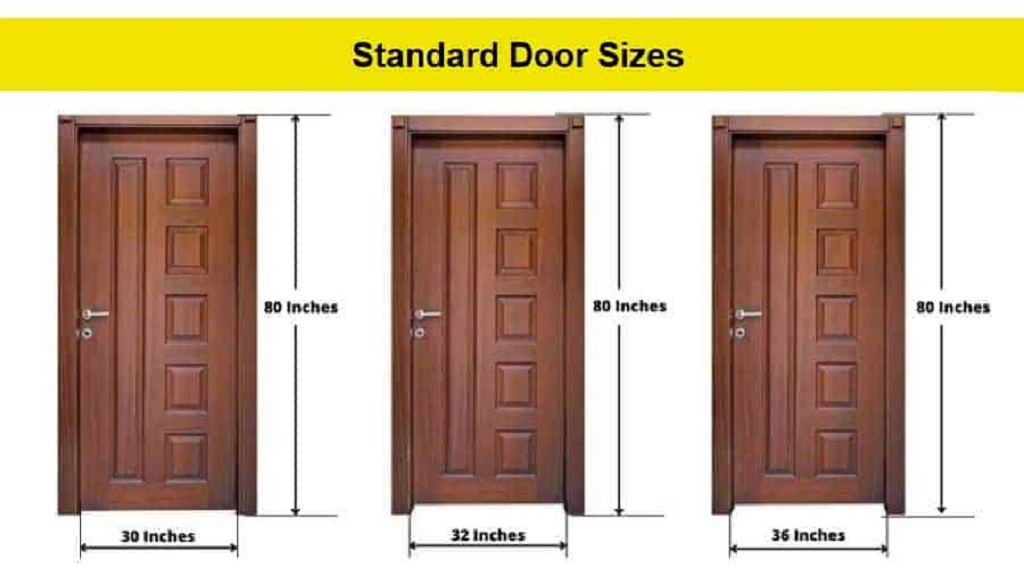
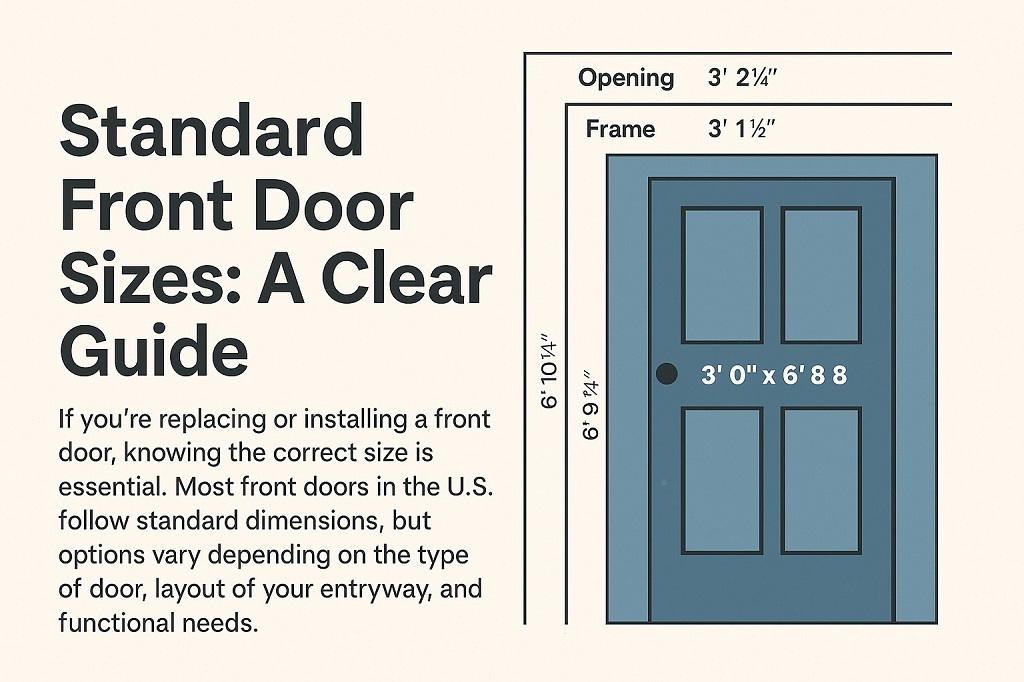
Most residential door frames measure 80 inches in height, which equals 6 feet and 8 inches. This measurement represents the rough opening height before finishing materials are added. Therefore, the actual door opening typically measures slightly less after drywall and flooring installation.
The 80-inch standard accommodates doors that measure 78 inches or 79 inches in height. This allows for proper clearance and adjustment during installation. However, some manufacturers produce doors in different heights to meet specific architectural requirements.
Pre-hung door units often include the frame and door as a complete assembly. These units simplify installation while ensuring proper proportions between the door and frame. Moreover, they reduce the risk of measurement errors during construction.
Commercial Door Frame Height Requirements
Commercial buildings typically require taller door frames than residential structures. Standard commercial door frame heights range from 84 inches to 96 inches, depending on building codes and accessibility requirements. These taller frames accommodate larger doors needed for high-traffic areas.
The Americans with Disabilities Act (ADA) influences commercial door frame specifications. Additionally, fire safety codes may require specific dimensions for emergency egress. Therefore, commercial projects often involve more complex planning than residential installations.
Building inspectors verify that commercial door frames meet local codes before approving construction. Furthermore, architects must consider these requirements during the design phase to avoid costly modifications later.
Factors Affecting Door Frame Height
Several factors influence the appropriate door frame height for any project. Ceiling height plays a primary role in determining proportional door sizes. Additionally, architectural style affects the visual balance between doors and surrounding elements.
Building codes establish minimum requirements for door openings in different occupancy types. However, designers often exceed these minimums to create more appealing spaces. Furthermore, accessibility requirements may mandate specific clearances for wheelchair users.
Floor thickness also impacts final door frame height measurements. Thick flooring materials reduce the effective opening height, requiring adjustments during planning. Therefore, contractors must account for all finish materials when determining rough opening sizes.
Measuring Door Frame Height Correctly
Accurate measurement requires proper tools and techniques to ensure reliable results. Start by measuring from the floor to the top of the opening using a quality tape measure. Additionally, check measurements at multiple points to identify any irregularities in the opening.
Record measurements in fractions rather than decimal equivalents for better accuracy. Construction typically uses increments of 1/16 inch or 1/8 inch for precision. Moreover, double-check all measurements before ordering materials or beginning installation work.
Professional contractors often use laser levels to verify that openings are square and plumb. This step prevents problems during door installation and ensures proper operation. Furthermore, checking diagonal measurements helps identify out-of-square conditions that need correction.
Common Door Frame Height Variations
While 80 inches represents the standard residential height, several variations exist for special applications. Pocket doors often require taller frames to accommodate the sliding mechanism. Additionally, double doors may need modified frame heights for proper proportion.
Custom homes frequently feature non-standard door heights for design purposes. These variations create unique architectural elements but require careful planning. However, non-standard sizes typically cost more than conventional options and may have longer lead times.
Historic renovations sometimes involve unusual door frame heights due to period construction methods. Therefore, restoration projects require careful measurement and often custom millwork. Furthermore, maintaining historical accuracy may limit modification options.
Installation Considerations for Door Frames
Proper installation begins with accurate layout and level surfaces for consistent results. The rough opening should provide adequate space for the frame plus shims and insulation. Additionally, structural headers must support the load above the door opening.
Shimming ensures that frames remain plumb and level during installation. This step prevents binding and operational problems with the finished door. Moreover, proper shimming distributes weight evenly and prevents frame distortion over time.
Weatherproofing exterior door frames requires careful attention to moisture barriers and sealants. These elements prevent water infiltration that could damage surrounding materials. Furthermore, proper flashing directs water away from the opening and protects the building envelope.
Choosing the Right Door Frame Height
Selecting appropriate door frame height depends on multiple factors specific to each project. Consider the intended use of the space and any special requirements for accessibility or safety. Additionally, evaluate the overall design aesthetic and how door proportions affect the visual appeal.
Budget constraints may influence decisions about standard versus custom frame heights. Standard sizes typically offer better value and faster delivery times. However, custom heights may be necessary to achieve specific design goals or meet unique functional requirements.
Consulting with experienced contractors or architects helps ensure proper planning and execution. These professionals understand local codes and can recommend appropriate solutions. Therefore, their expertise often prevents costly mistakes and delays during construction.
Conclusion
Understanding standard door frame height measurements ensures successful home improvement and construction projects. The typical residential height of 80 inches accommodates most standard doors while allowing for proper installation clearances. However, commercial applications and special circumstances may require different dimensions.
Accurate measurement and proper installation techniques are essential for optimal results. Additionally, considering factors like building codes, accessibility requirements, and architectural style helps guide appropriate choices. Therefore, careful planning and professional consultation often lead to better outcomes and long-term satisfaction with door installations.
Read More Also: Revitalize Your Bathroom Oasis: A Comprehensive Guide to Jacuzzi Toilet Seat Replacement
Frequently Asked Questions
What is the standard height for a residential door frame?
The standard residential door frame height is 80 inches (6 feet 8 inches) for the rough opening. This accommodates doors that are typically 78 to 79 inches tall, allowing space for installation and adjustments.
Do commercial buildings use different door frame heights?
Yes, commercial buildings typically use taller door frames ranging from 84 to 96 inches in height. These larger dimensions accommodate accessibility requirements and higher traffic volumes while meeting building codes for commercial occupancy.
How do I measure door frame height accurately?
Measure from the finished floor to the top of the opening using a quality tape measure. Take measurements at multiple points across the opening and record them in fractions for accuracy. Check that the opening is square by measuring diagonals.
Can I modify an existing door frame to change its height?
Modifying door frame height is possible but often involves significant structural work. Increasing height may require moving headers and affecting wall framing, while decreasing height might involve adding materials. Consult a contractor for evaluation.
What factors affect the choice of door frame height?
Several factors influence door frame height selection including ceiling height, architectural style, building codes, accessibility requirements, and the intended use of the space. Additionally, budget and material availability may impact the final decision.