What makes 3-bedroom apartments a popular rental choice?
Three-bedroom apartments strike a balance between comfort and practicality. They are large enough for families, offer flexibility for roommates, and provide extra space for individuals who need a home office or guest room. Renters often choose them for the combination of affordability compared to single-family homes and the convenience of apartment amenities such as on-site maintenance, security, or shared community spaces. Whether you’re looking for long-term stability or a temporary living arrangement, these units adapt to different lifestyles.
How much does it cost to rent a 3-bedroom apartment?
The rental price depends on location, amenities, and demand. In city centers, costs are usually higher because of proximity to jobs, transport, and entertainment. Suburban or semi-urban areas often offer more space for a lower monthly rate. On average, a three-bedroom apartment might range from affordable budget-friendly options to premium luxury units. Always factor in additional expenses such as utilities, parking, pet fees, and maintenance charges. A clear understanding of the total cost helps prevent surprises later.
Where should you start your search for a rental?
- Online Listings: Websites and mobile apps allow you to filter by price, number of rooms, and amenities.
- Local Agents: Real estate professionals often know about upcoming listings before they appear online.
- Community Boards: Local notice boards or neighborhood groups may advertise direct-from-owner rentals.
- Word of Mouth: Asking friends or colleagues can lead to hidden opportunities.
Combining these methods increases your chances of finding a home that suits your needs and budget.
What amenities should you look for in a 3-bedroom apartment?
Amenities can make daily living smoother. Consider essentials such as secure parking, in-unit laundry, or reliable internet connections. Families may prioritize child-friendly features like playgrounds or nearby schools. Roommates often value equal-sized bedrooms and multiple bathrooms. If you work from home, check for quiet surroundings and flexible layouts that can accommodate a desk or study corner. Match the amenities to your lifestyle rather than simply focusing on luxury add-ons.
How do you evaluate the neighborhood before signing a lease?
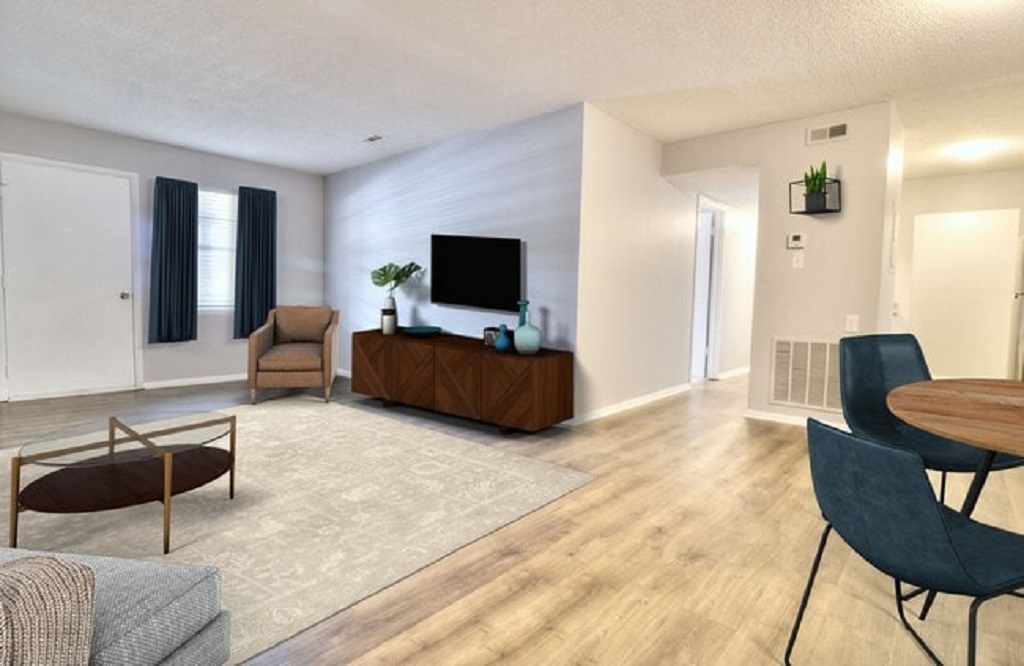
Location is as important as the apartment itself. Visit the area at different times of the day to observe traffic, safety, and noise levels. Check the availability of essential services such as grocery stores, pharmacies, schools, and hospitals. Public transportation access can save commuting costs, while nearby parks add value for families and pet owners. Talk to current residents if possible—they often provide honest insights into what living there is really like.
What documents are required when applying for a rental?
- Government-issued ID
- Proof of income (pay stubs, employment letters, or bank statements)
- Rental history or reference letters from previous landlords
- Credit report (in some areas)
Having these documents ready speeds up the approval process and shows landlords you are a reliable tenant.
Should you sign a short-term or long-term lease?
The decision depends on your personal situation. A long-term lease (usually 12 months or more) often secures lower monthly rent and stability. Short-term agreements allow flexibility if you plan to relocate or test out the neighborhood. Some landlords also offer month-to-month rentals, though these may come with slightly higher rates. Review the lease carefully, paying attention to clauses on renewals, penalties, and notice periods.
How can families and roommates split the costs fairly?
For roommates, fairness usually means dividing rent according to bedroom size or amenities. Larger rooms with private bathrooms may carry a higher share of the rent. Families may instead budget collectively, considering long-term expenses such as schooling or healthcare. Transparency is key—write down agreements on bills, cleaning duties, and shared responsibilities to prevent conflicts later.
What red flags should you avoid when renting?
Be cautious if landlords ask for unusually high deposits without written contracts. Poor maintenance, lack of clear communication, or vague lease terms are warning signs. If utility meters or legal documents seem unclear, investigate before committing. A reputable landlord provides receipts, clear lease agreements, and ensures the property meets safety codes.
How can you negotiate rent or lease terms?
Negotiation works best when you are informed. Research average rents in the area and use that knowledge as leverage. Offering a longer lease term or paying several months upfront can sometimes secure a discount. If rent reduction is not possible, ask for added value such as free parking, waived pet fees, or included utilities. Always put any negotiated terms in writing before signing.
Conclusion: Why choose a 3-bedroom apartment?
Renting a three-bedroom apartment gives you options—whether it’s space for a growing family, a balanced setup for roommates, or a flexible home with room for work and leisure. By carefully evaluating cost, location, and amenities, you can find a rental that matches both your budget and lifestyle. Take time to compare different listings, ask the right questions, and read leases thoroughly. With a clear approach, you can secure a comfortable, practical home without unnecessary stress.
Ready to start your search? Explore local listings today, visit neighborhoods in person, and connect with trusted agents. The right three-bedroom apartment might be closer than you think.
Read More Also: How to Turn Off Water to Your Toilet
FAQs on Renting 3-Bedroom Apartments
1. Are 3-bedroom apartments more expensive than houses?
Not always. In many urban areas, apartments are cheaper than renting a full house because of shared infrastructure and smaller land use. However, luxury buildings may cost more.
2. Can I rent a 3-bedroom apartment if I have pets?
Yes, but always confirm the building’s pet policy. Some landlords charge extra fees or limit the size and number of pets allowed.
3. How do I know if the apartment has good soundproofing?
During visits, listen for noise from neighbors or traffic. Check reviews online or ask current tenants about their experience with sound levels.
4. What’s the difference between unfurnished and furnished rentals?
Unfurnished apartments provide only the basics (kitchen, bathroom, and built-in fixtures). Furnished ones include furniture and appliances, ideal for short stays or tenants without household items.
5. Do landlords run background checks?
In many places, yes. Landlords may check your credit, rental history, and employment status to ensure you can pay rent on time and maintain the property responsibly.
6. How soon should I start looking for a new apartment?
It’s best to start 30–60 days before your desired move-in date. This timeframe balances availability with the chance to secure the best options.
7. Can I sublet a 3-bedroom apartment if I move out early?
Only if the lease allows it. Some landlords require written permission or may not allow subletting at all. Always check your agreement before making plans.