
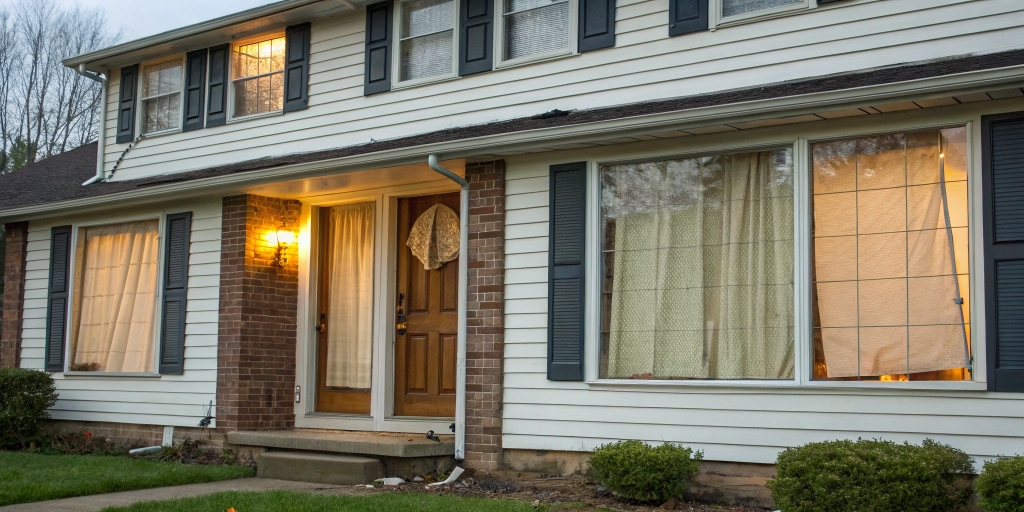
Drafts in older homes are more than just a nuisance. They’re a sneaky drain on your energy bills. Cold air slips in through gaps and cracks, making it harder to keep your rooms warm and cosy.
The good news is that sealing those trouble spots is easier than you think, and the payoff is immediate.
Your home will feel more comfortable, and your heating costs won’t climb as high. Let’s take a closer look at how to spot and stop those drafts for good.
Spot Where Drafts Are Slipping Through
The first step to stopping chilly air is figuring out where it’s getting in. Windows, doors, and vents are usually the main culprits.
A simple trick is to light a candle or some incense and slowly move it along the edges. If the flame flickers or the smoke shifts, you’ve found a draft.
Older frames deserve extra attention; worn seals let cold air slip through more easily. So, keep an eye on these spots regularly to stay snug and keep your energy bills in check.
Use Weatherstripping
Weatherproof seals are one of the easiest ways to block drafts, especially in older homes. They help your rooms stay comfortable, keep the temperature steady, and make your home run more efficiently.
Here’s how to get it right. First, pick the material that suits each spot. Foam tape works well for awkward gaps and is simple to apply. Vinyl and rubber are tougher, making them ideal for doors or high-traffic areas. Felt, on the other hand, is best for quieter windows that don’t get much use.
Next, focus on installation. Measure the full length of the door or window frame carefully, adding a few extra centimetres to be safe.
Apply the weatherstripping according to the material you’ve chosen—rubber for busy areas and foam where comfort matters more than wear.
When done properly, weatherstripping will keep drafts out, cushion your home against seasonal changes, and even extend the life of your doors and windows.
Pairing weatherstripping with regular domestic cleaning will prevent dust build-up in gaps and frames, keeping your seals effective and your home cosy for years to come.
Install Door Sweeps
One of the easiest and most affordable ways to stop chilly drafts from slipping under doors is to install floor seals. This is especially useful in older homes, where door fittings aren’t always perfect.
There are plenty of options to suit different needs. Automatic door seals are great for keeping heat inside, while floor sweeps work well on a variety of surfaces.
Rubber sweeps bend easily, making them perfect for wooden floors. And on flat vinyl, these sweeps glide smoothly to block drafts effectively as well.
To install them properly, start by measuring the gap under your door carefully. A proper fit ensures the seal will block winter drafts and keep warmth inside.
Caulk Window and Door Gaps
Caulking is a simple fix that works wonders in older homes, where window frames often let in the chill. With the right sealant, you can close up those gaps, make rooms feel cosier, and even save on heating costs.
Here’s a simple way to get it right:
- Clear the area first. Use a putty knife to remove old sealant or debris so the surface is clean and dry.
- Prepare the sealant. Cut the cartridge nozzle at an angle to reach narrow spaces easily.
- Apply with care. Use a caulking gun for a smooth finish, and wipe away any extra with a damp cloth for a neat look.
Use Draft Stoppers
Draft stoppers are a quick and cheap way to block out cold air. You can buy them ready-made, or whip one up yourself with old socks or scraps of fabric stuffed with rice or sand.
Pop them along the bottom of doors, across window ledges, or anywhere chilly air slips through. It’s a quick, budget-friendly fix that makes a noticeable difference to comfort and heating costs.
For extra convenience, look for weighted or silicone-backed draft stoppers that stay in place without constant adjusting.
If you want a longer-term option, some stoppers can even be fixed to the door itself so they move with it. This will save you from bending down to reposition them every time.
Insulating Attic Areas and Cellars
If you want a cosy home without blowing your budget, start with the attic and cellar. These spots are often sneaky culprits when it comes to heat escaping and driving up heating bills.
Fibreglass batts are a wallet-friendly choice and fairly easy to install yourself. Reflective insulation is another option, as it restores warmth to your rooms, giving your home an extra layer of efficiency.
Keep your workspace tidy and don’t skip the safety gear. Gloves and goggles are a must. Once the insulation is in place, you’ll notice the difference in warmth immediately.
Upgrade Your Windows
Even with weatherstripping and caulking, older single-pane windows can still let in chilly drafts. Luckily, you don’t have to replace them completely to make a difference.
Adding thermal curtains or insulating film can trap warmth inside, while DIY window quilts are another clever, budget-friendly option. These simple upgrades not only keep your rooms cosier but also reduce your heating bills without major renovations.
Seasonal Checks and Maintenance
Keeping your home draft-free is an ongoing job. So, check seals, door sweeps, and weatherstripping at the start of each season to catch any wear and tear before it becomes a problem.
Pair these checks with a quick clean around vents and window frames to remove dust and debris that can reduce your insulation’s effectiveness. Trust us, a little seasonal maintenance goes a long way in keeping your home comfortable, efficient, and cosy all year round.
Conclusion
A few simple fixes, like weatherstripping, door sweeps, draft stoppers, and a bit of caulk, can make a big difference in an older home. They save energy, boost comfort, and don’t cost a fortune.
Start small, tackle the spots that bother you most, and enjoy a warmer, cosier home all year. Your future self and your heating bill will thank you.

